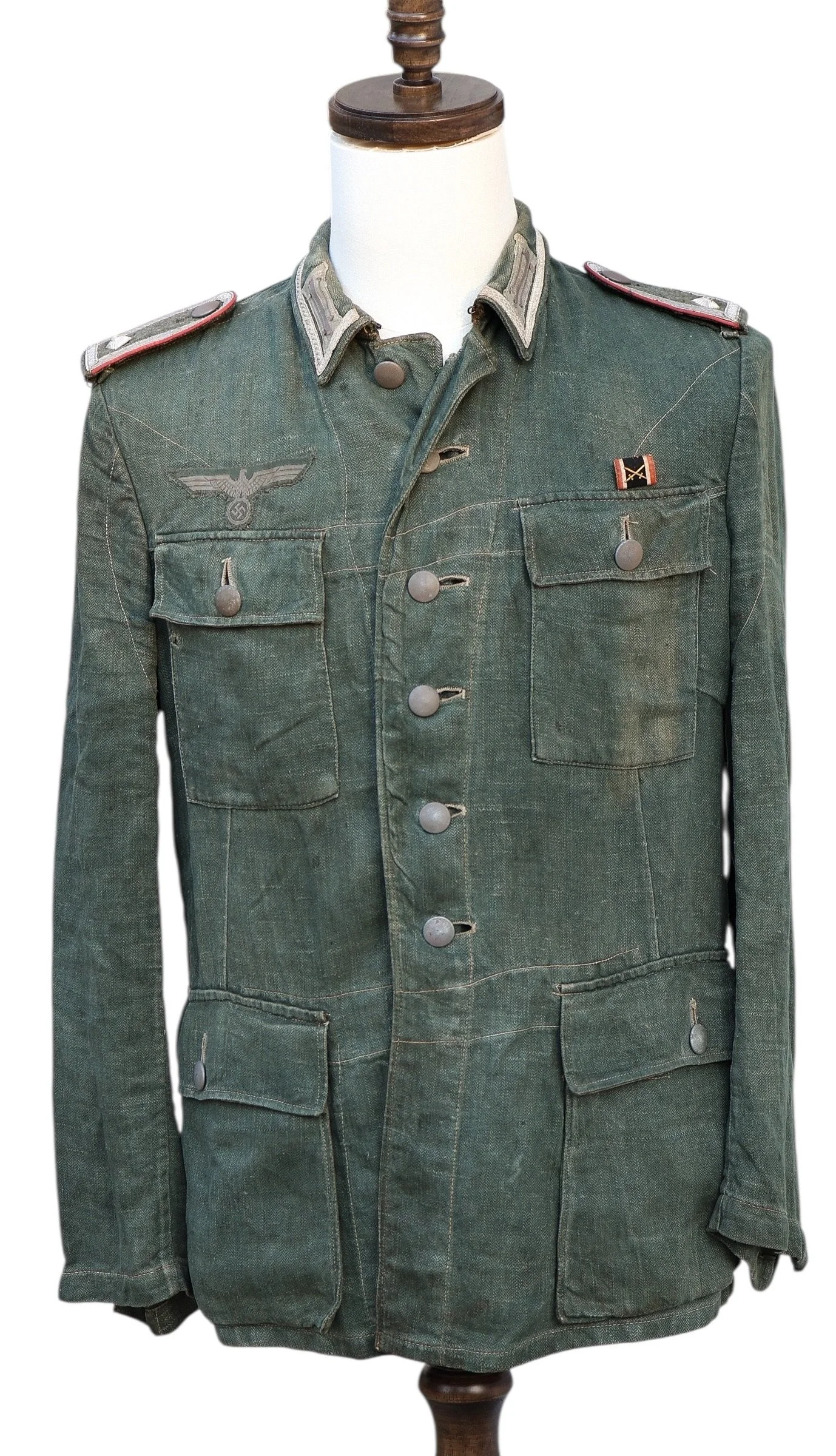
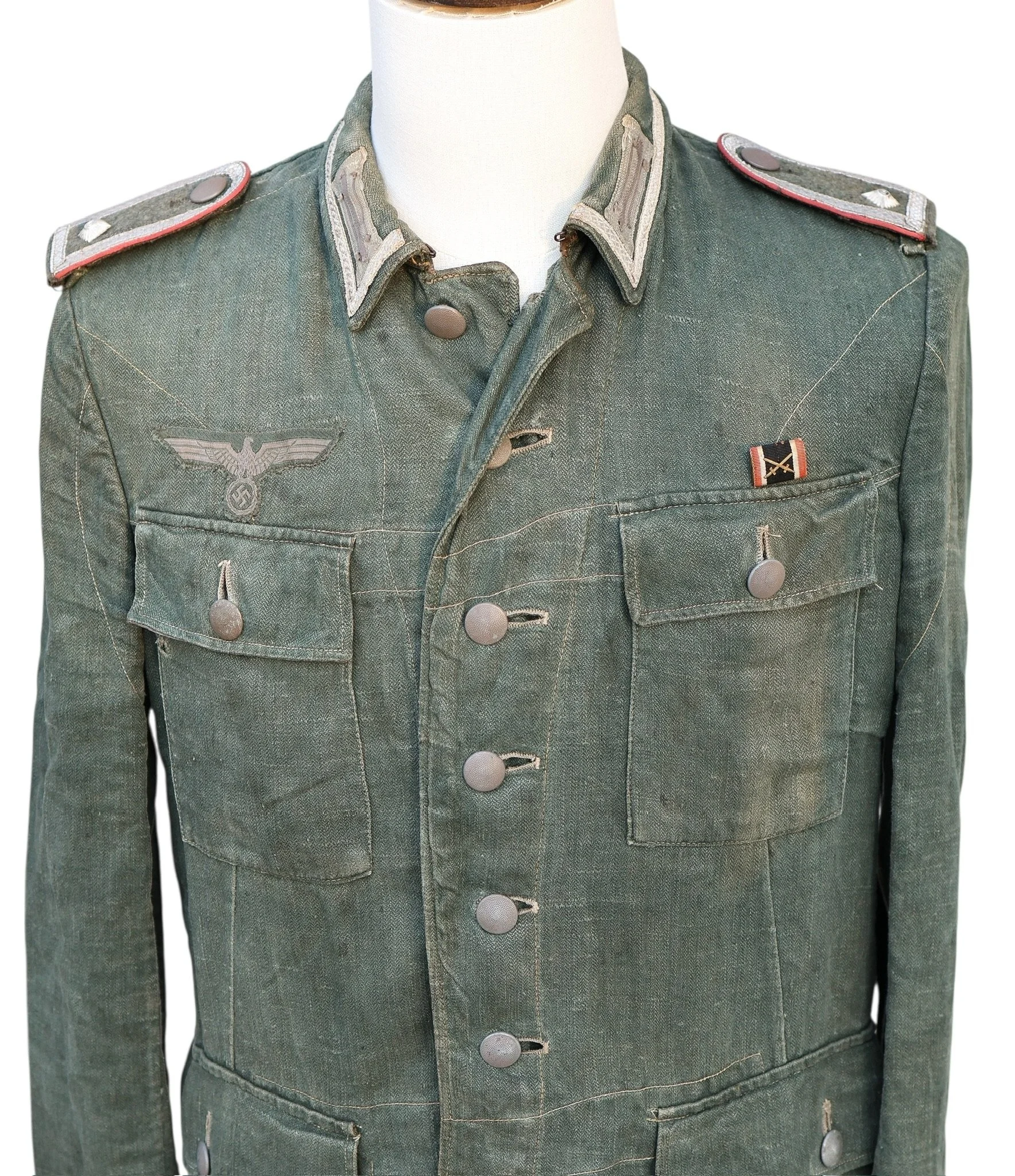
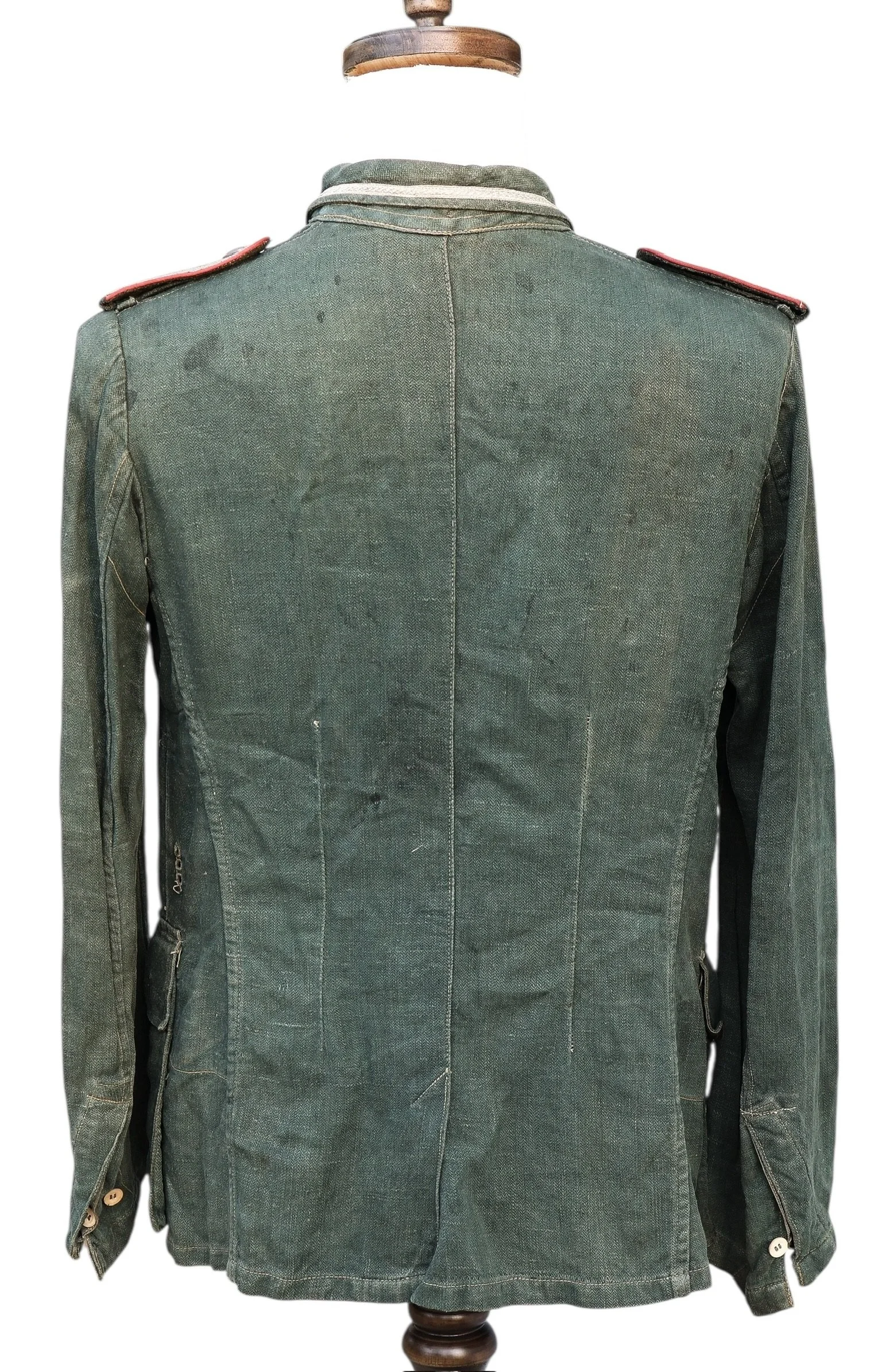
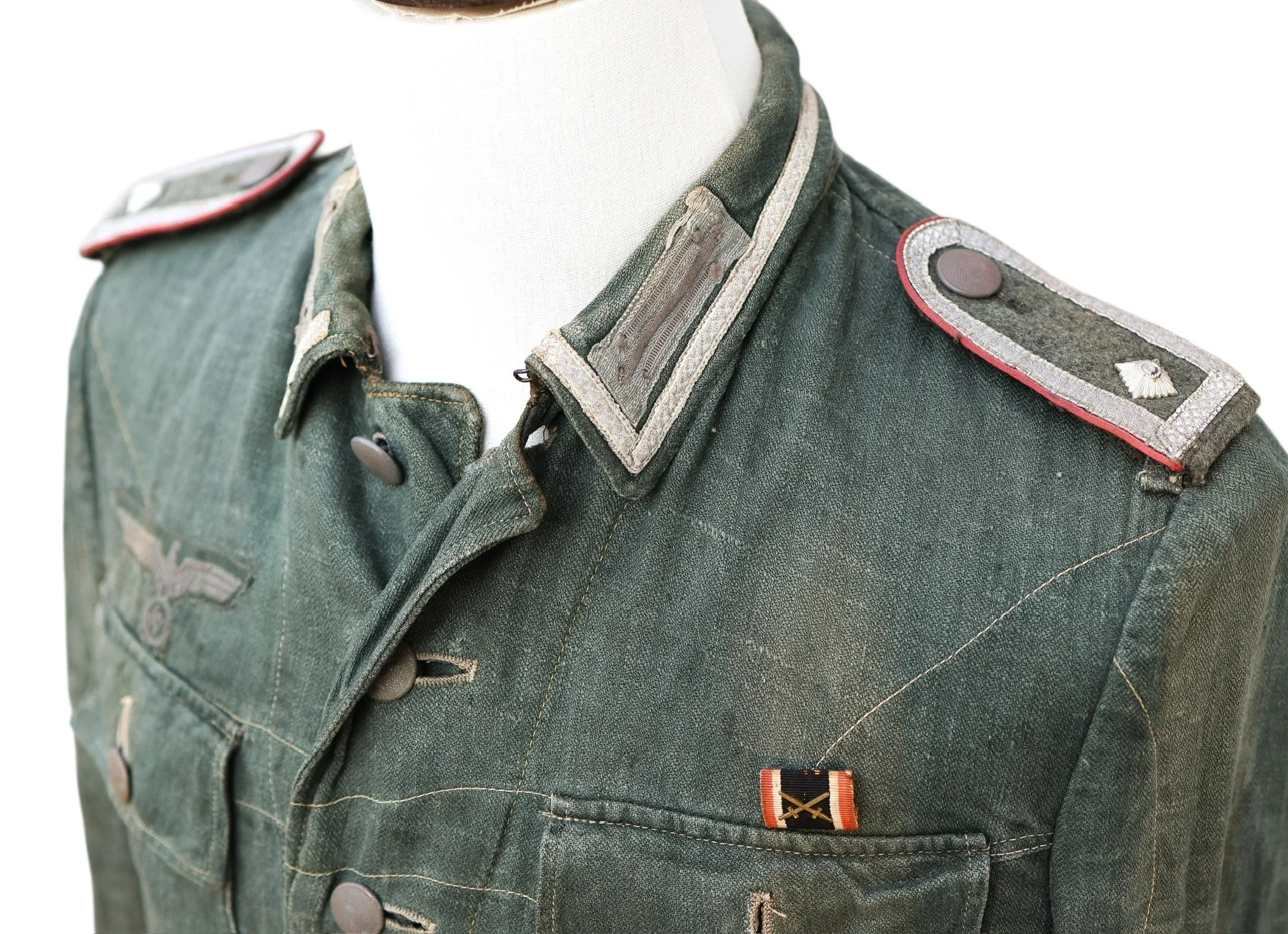
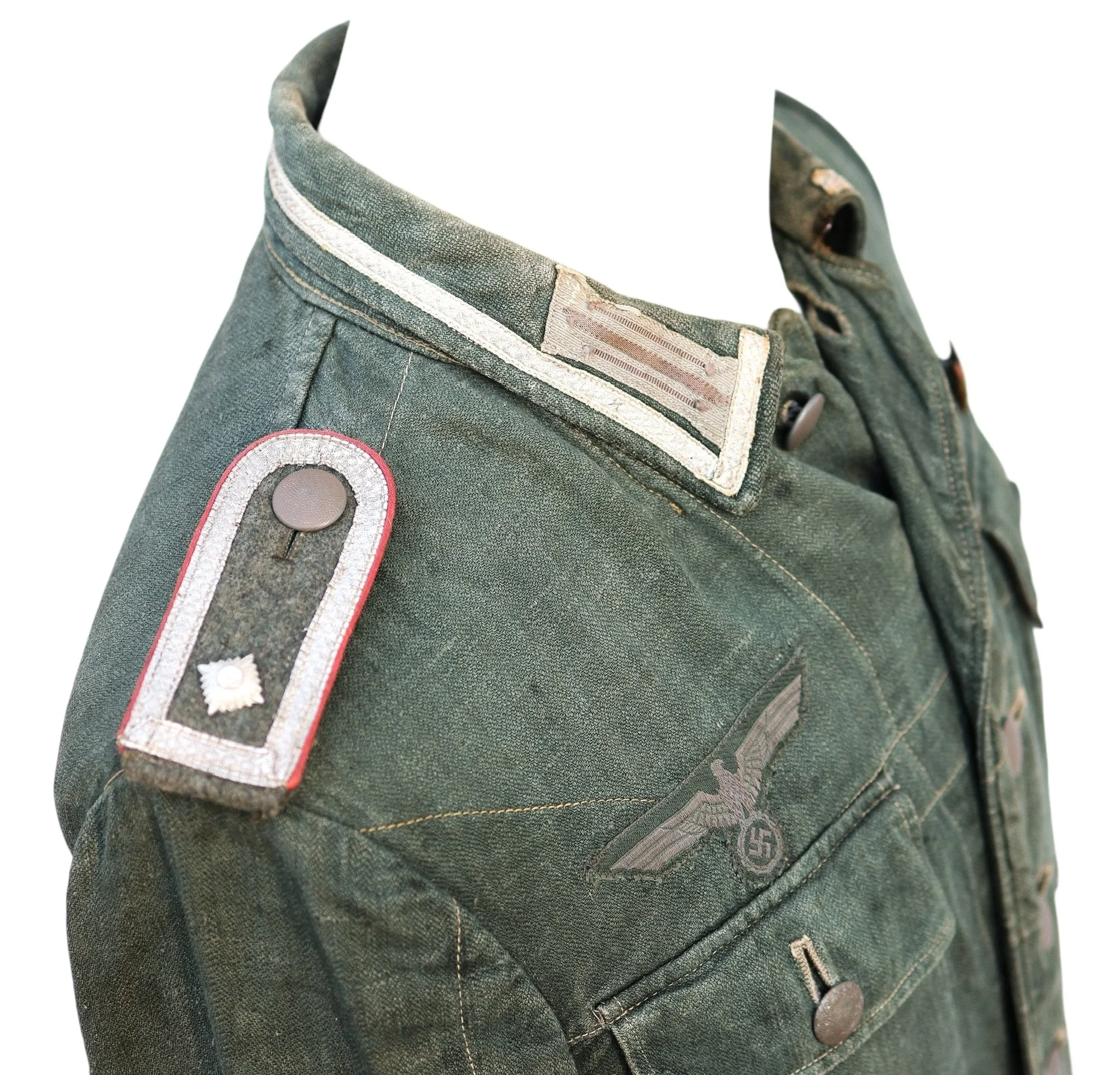
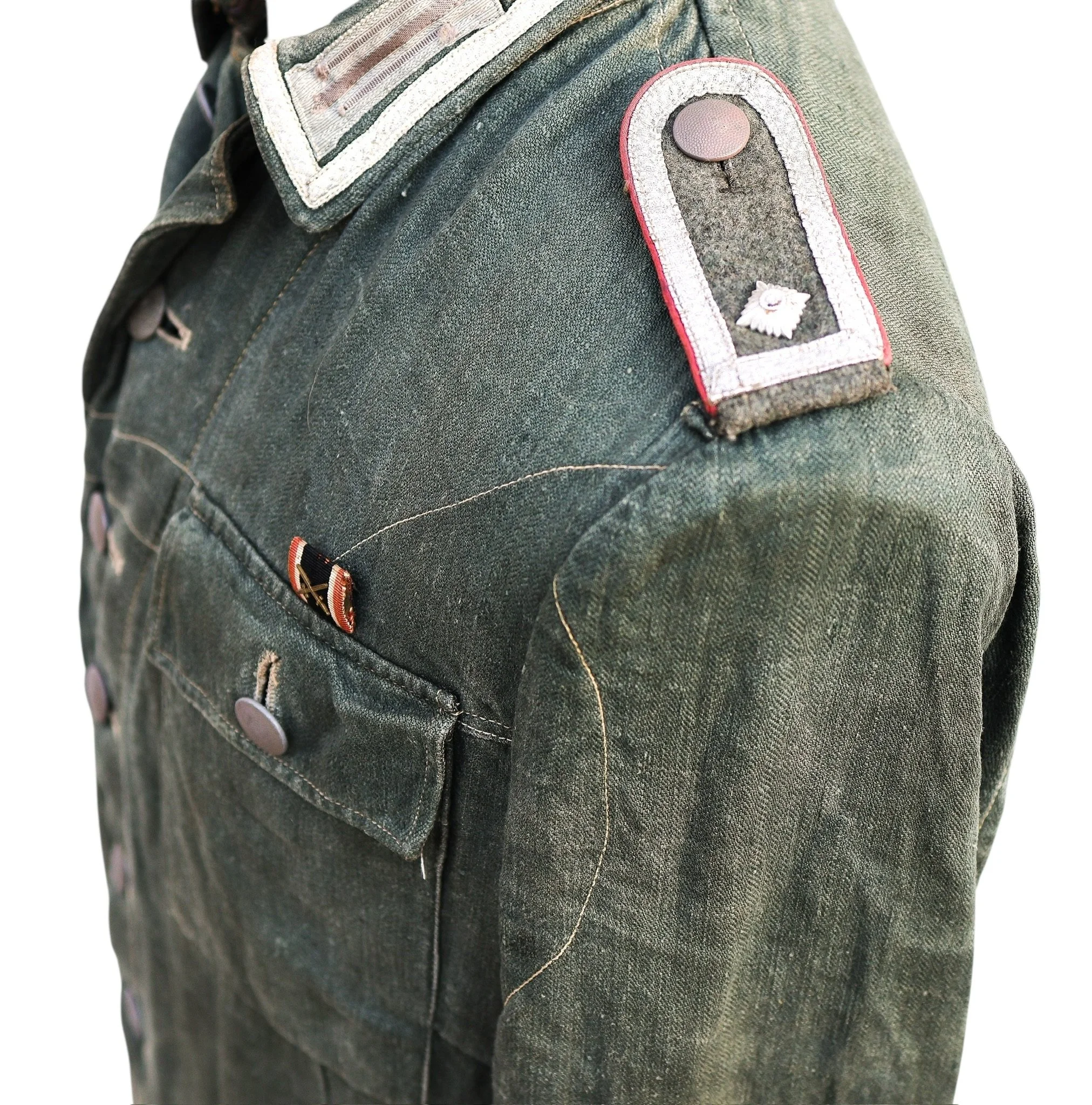
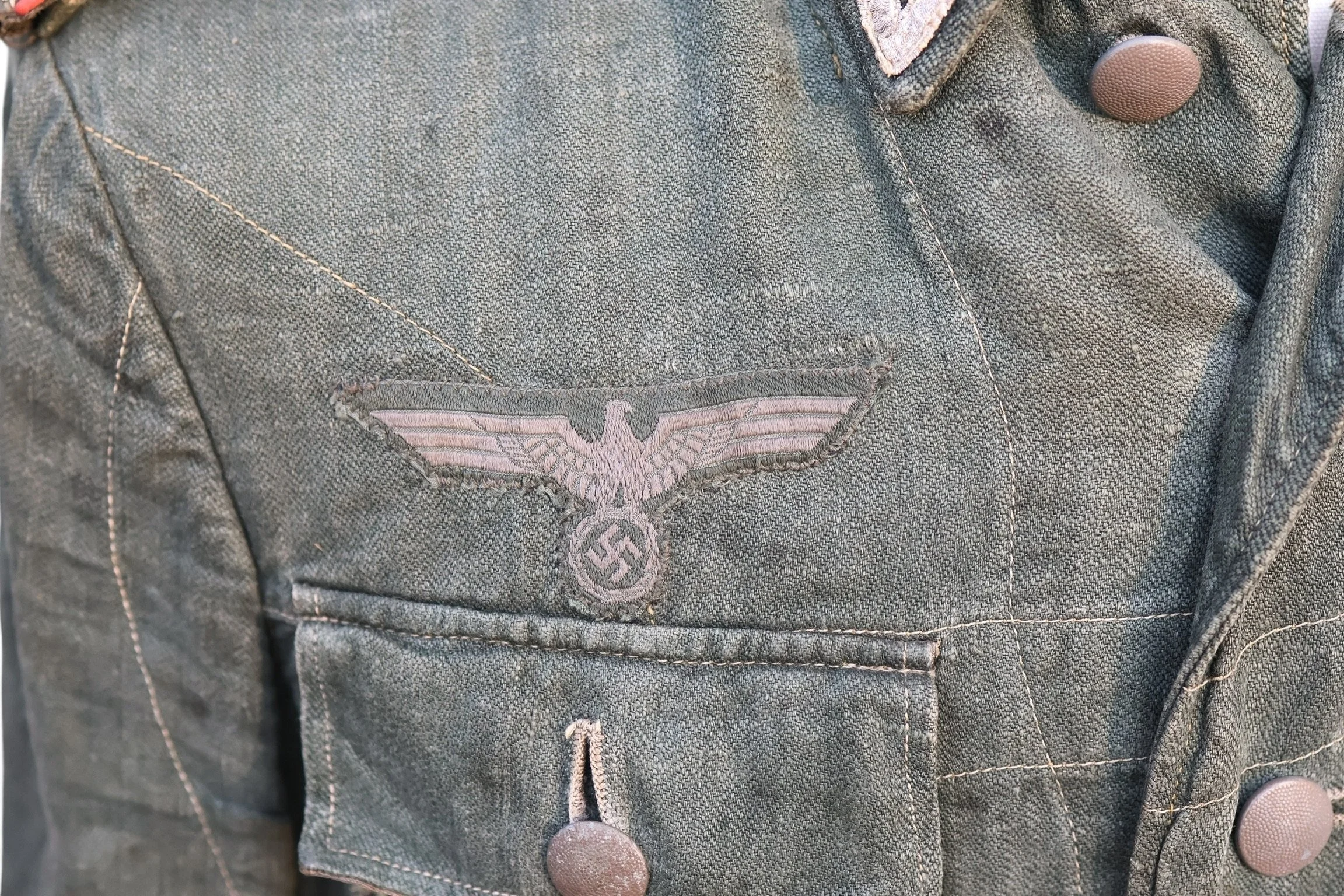
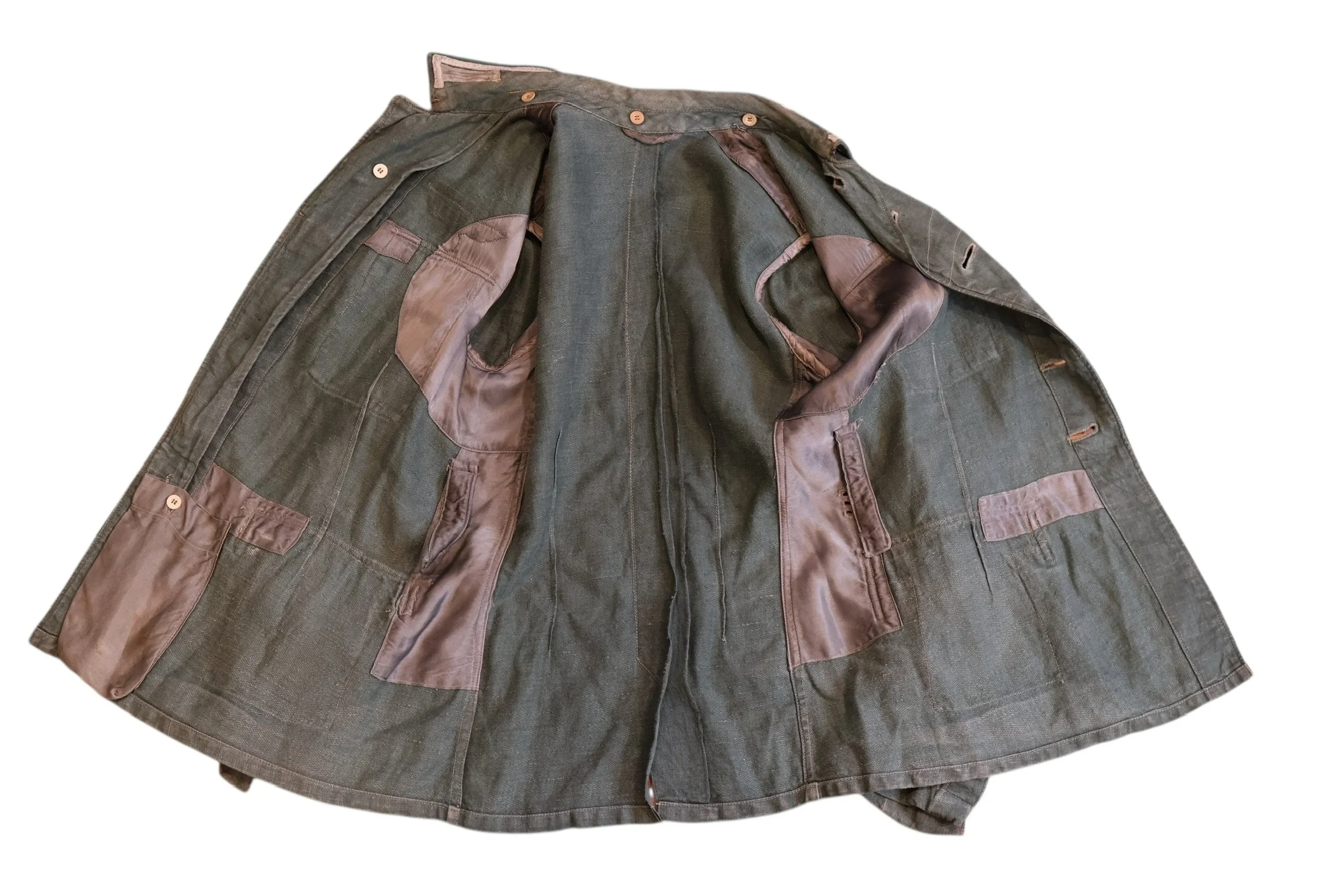
German Panzer NCO Jacket Recovered in Normandy
This German Panzer noncommissioned officer’s jacket was recovered from a house in Avranches, Normandy, an area occupied by German forces prior to its liberation in 1944. The jacket was later part of the Goliath Collection, assembled by collector Arnaud Dumont, who sourced many items directly from Normandy.
The jacket remains in strong original condition and shows wear consistent with wartime use. All original insignia are intact, and no postwar alterations have been made. The garment reflects the standard cut and construction worn by Panzer crew NCOs during the Normandy campaign and represents a surviving uniform item recovered from the region where it was used.
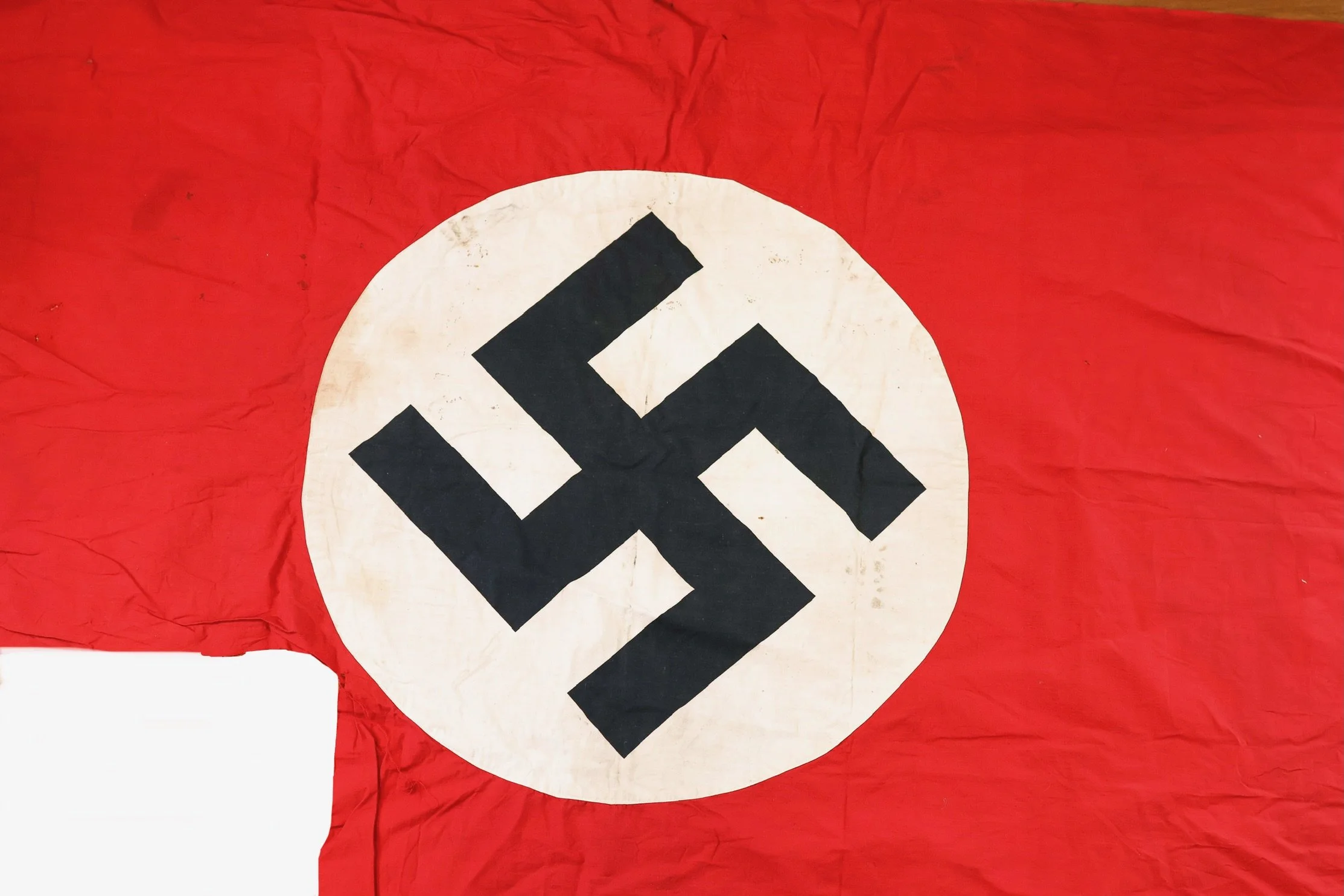
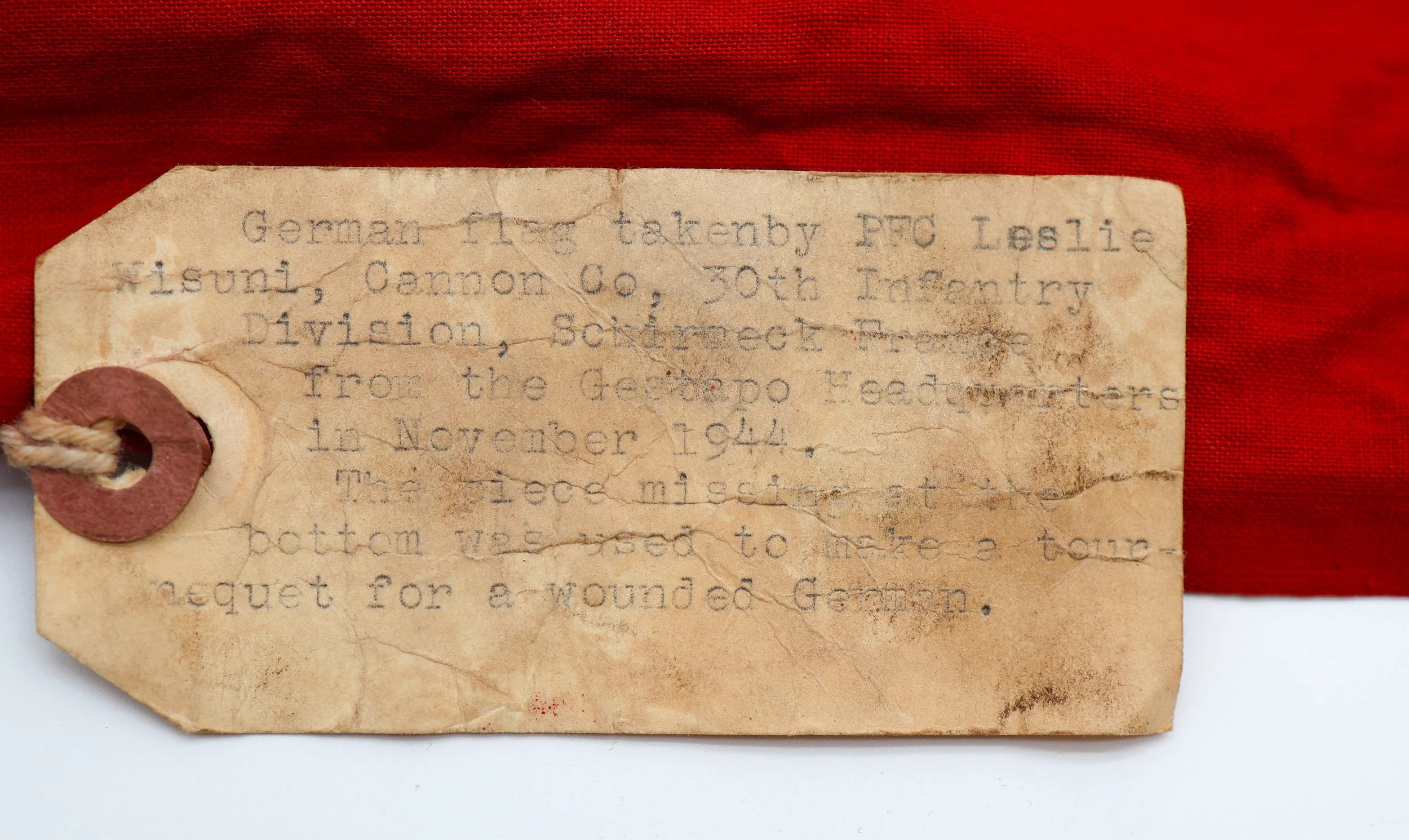
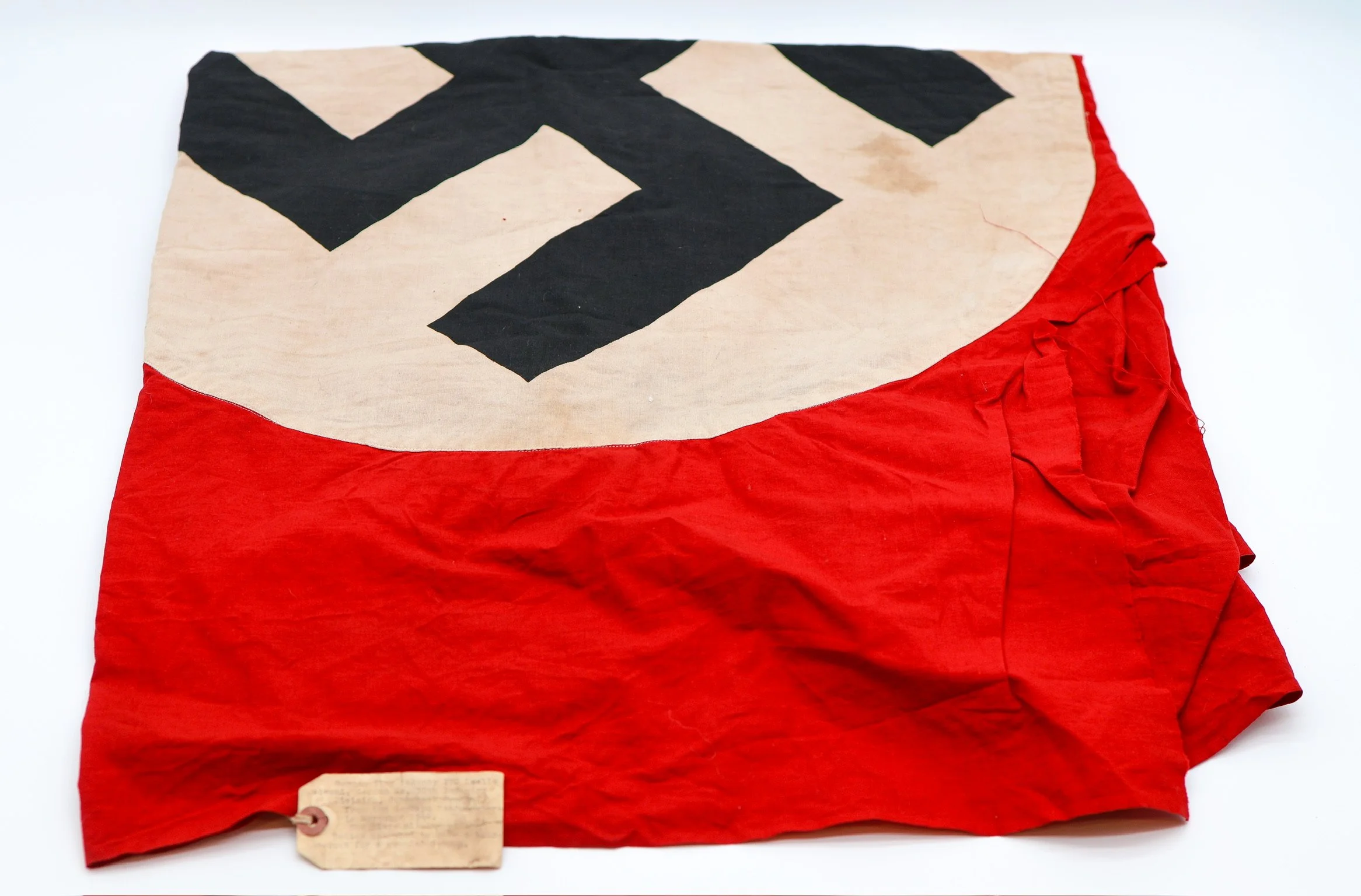
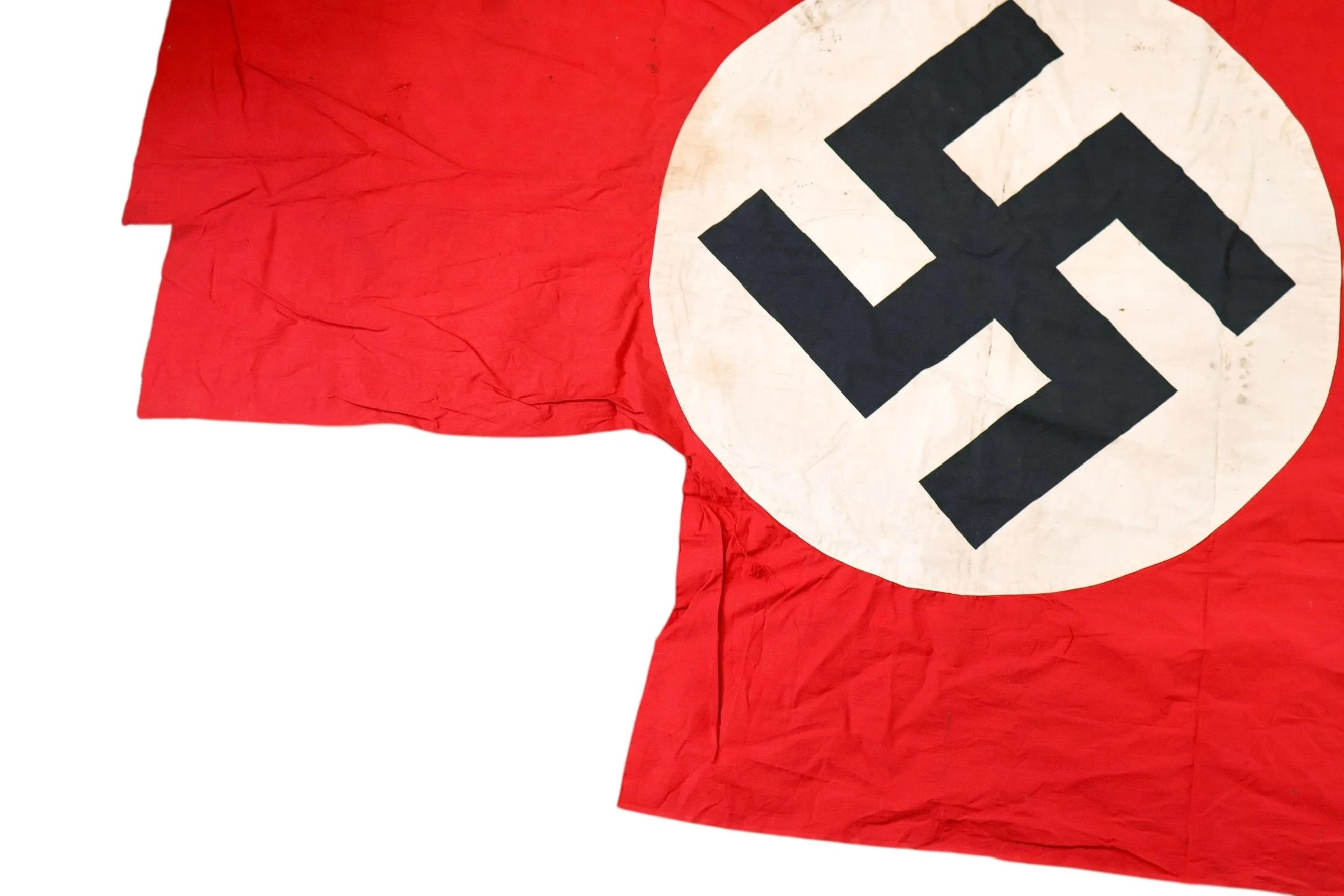
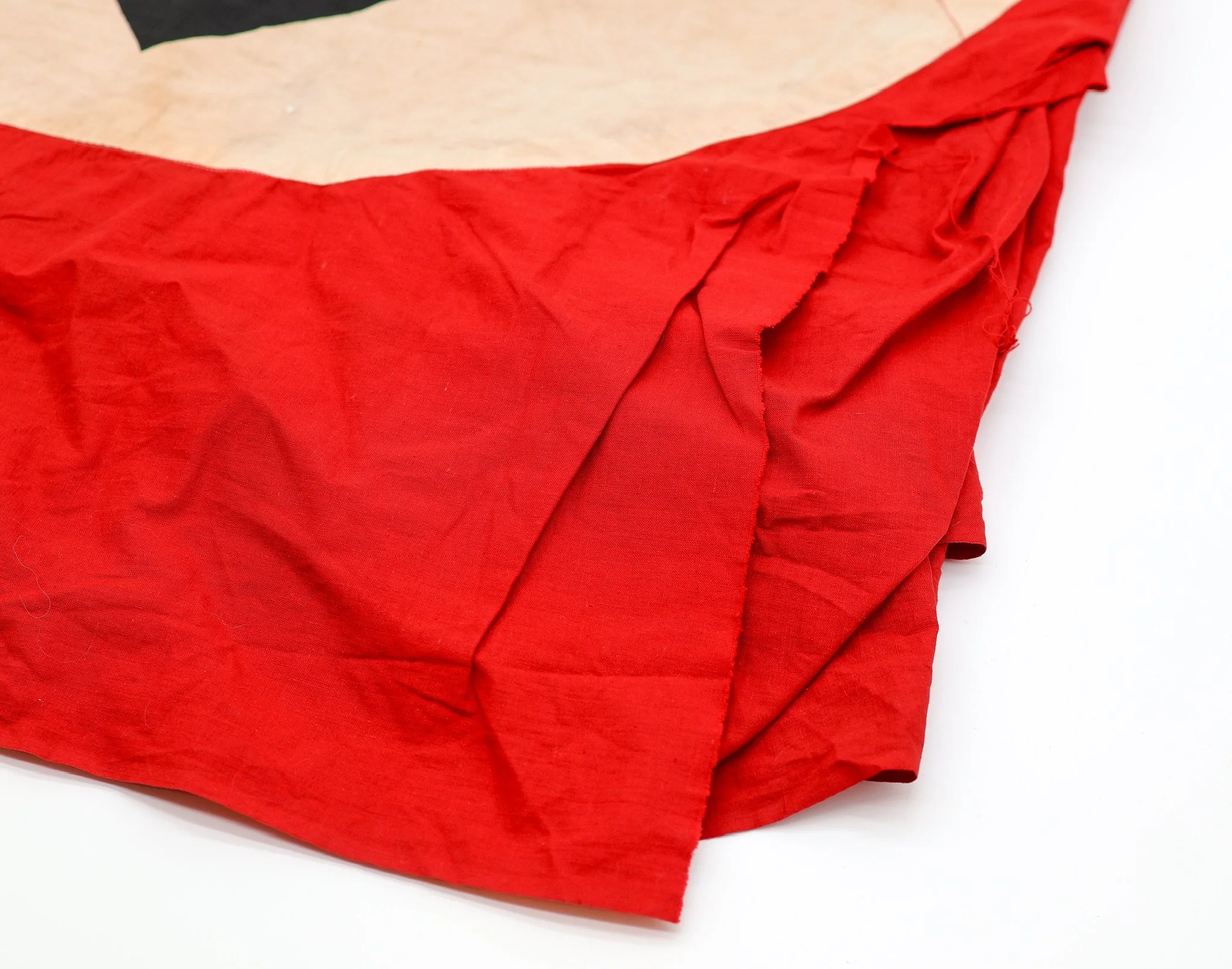
German Flag Captured from Gestapo Headquarters (1944)
This German flag was taken by PFC Leslie Wisuni of Cannon Company, 30th Infantry Division, during the liberation of Schirmeck, France, in November 1944. Retrieved from the Gestapo headquarters, the flag carries a poignant history—its bottom portion was cut and used as a makeshift tourniquet for a wounded German soldier. Bloodstains remain on the flag.
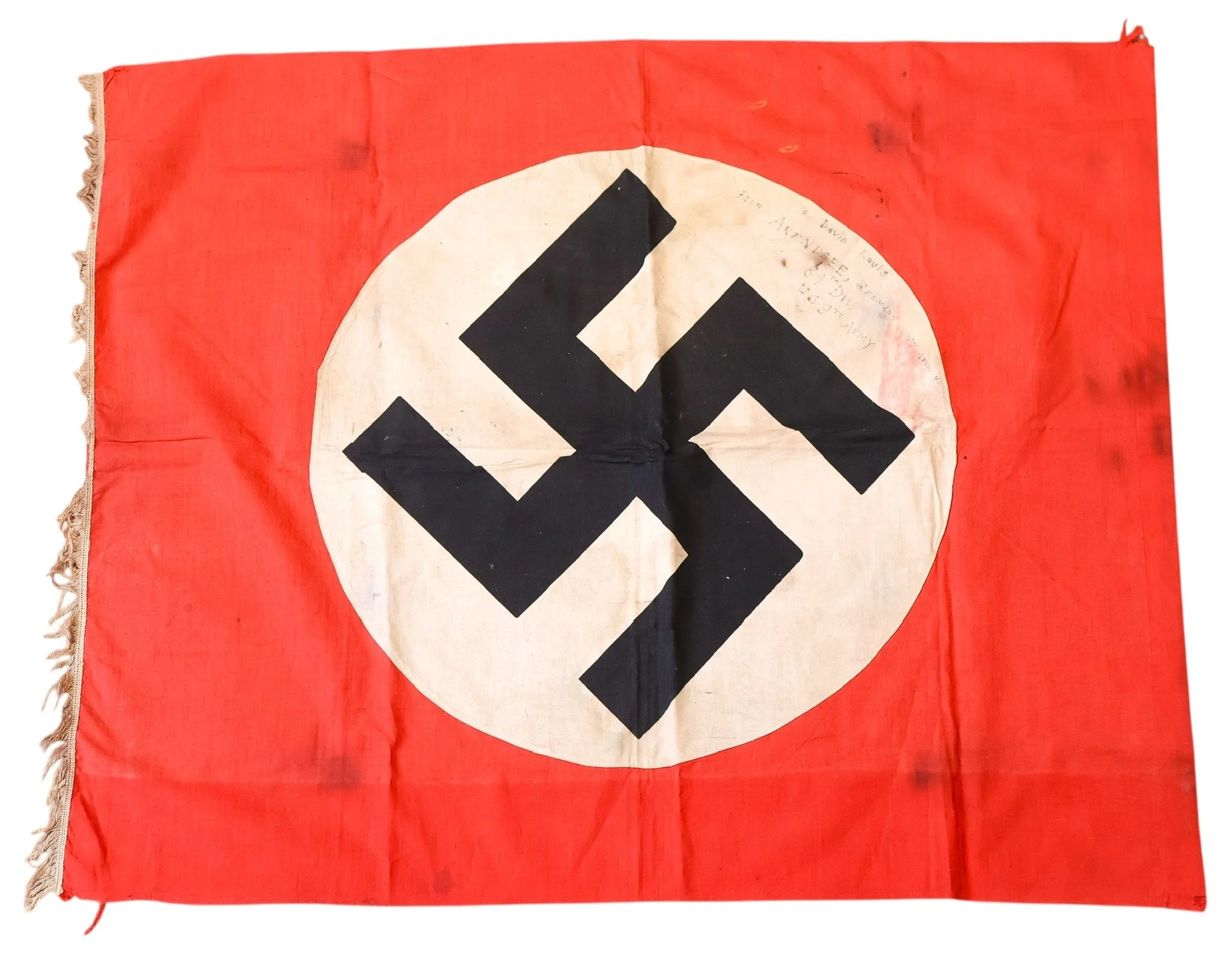
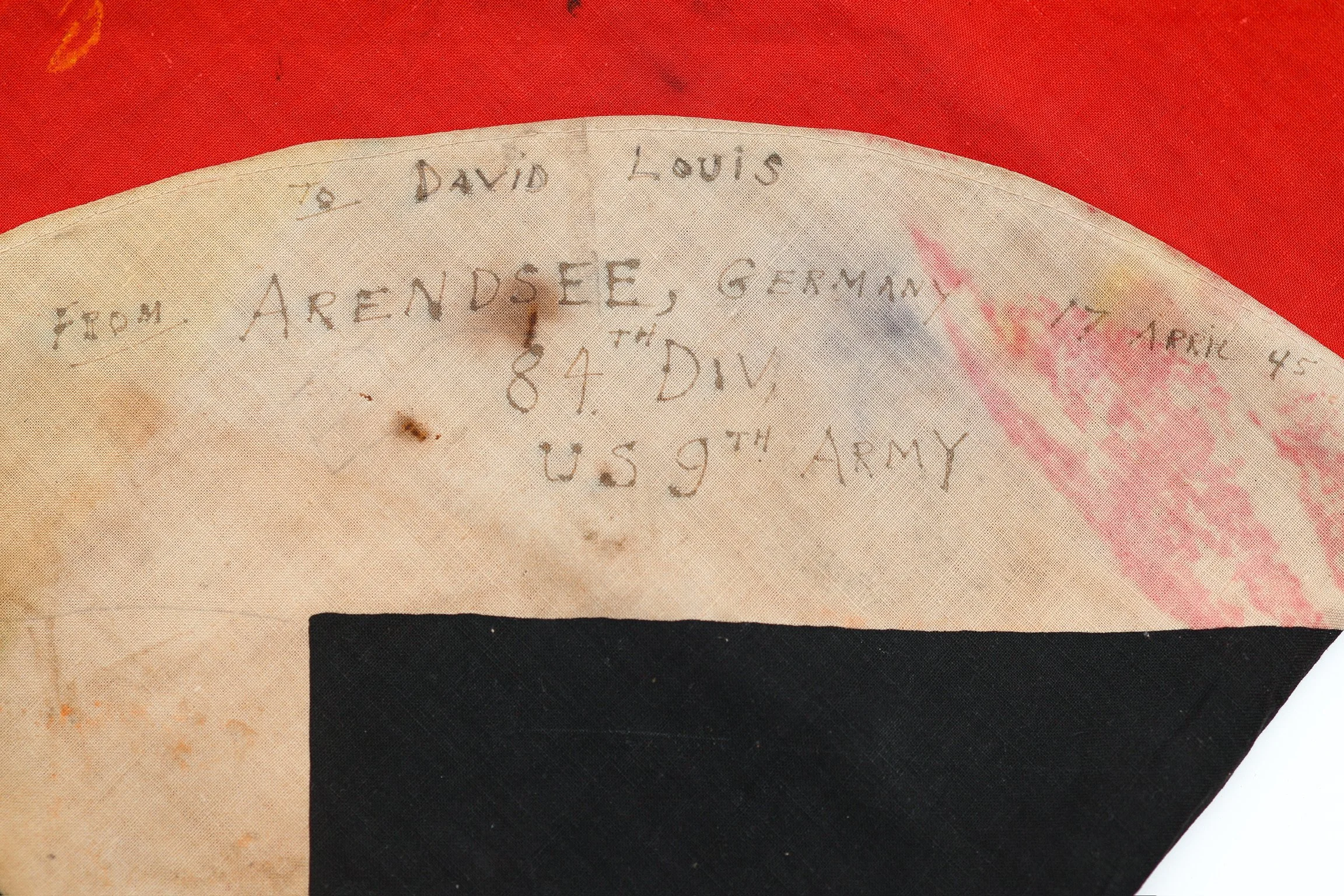
This German national flag was captured by a U.S. soldier serving with the 84th Infantry Division during the final weeks of World War II. An inscription on the flag reads: “To David Louis / From Arendsee, Germany / 17 April 45 / 84th Div / US 9th Army,” documenting the place, date, and unit involved in its capture.
Arendsee, located in northern Germany, was occupied by American forces advancing eastward with the U.S. Ninth Army in April 1945.
German Flag Captured by the 84th Infantry Division, April 1945
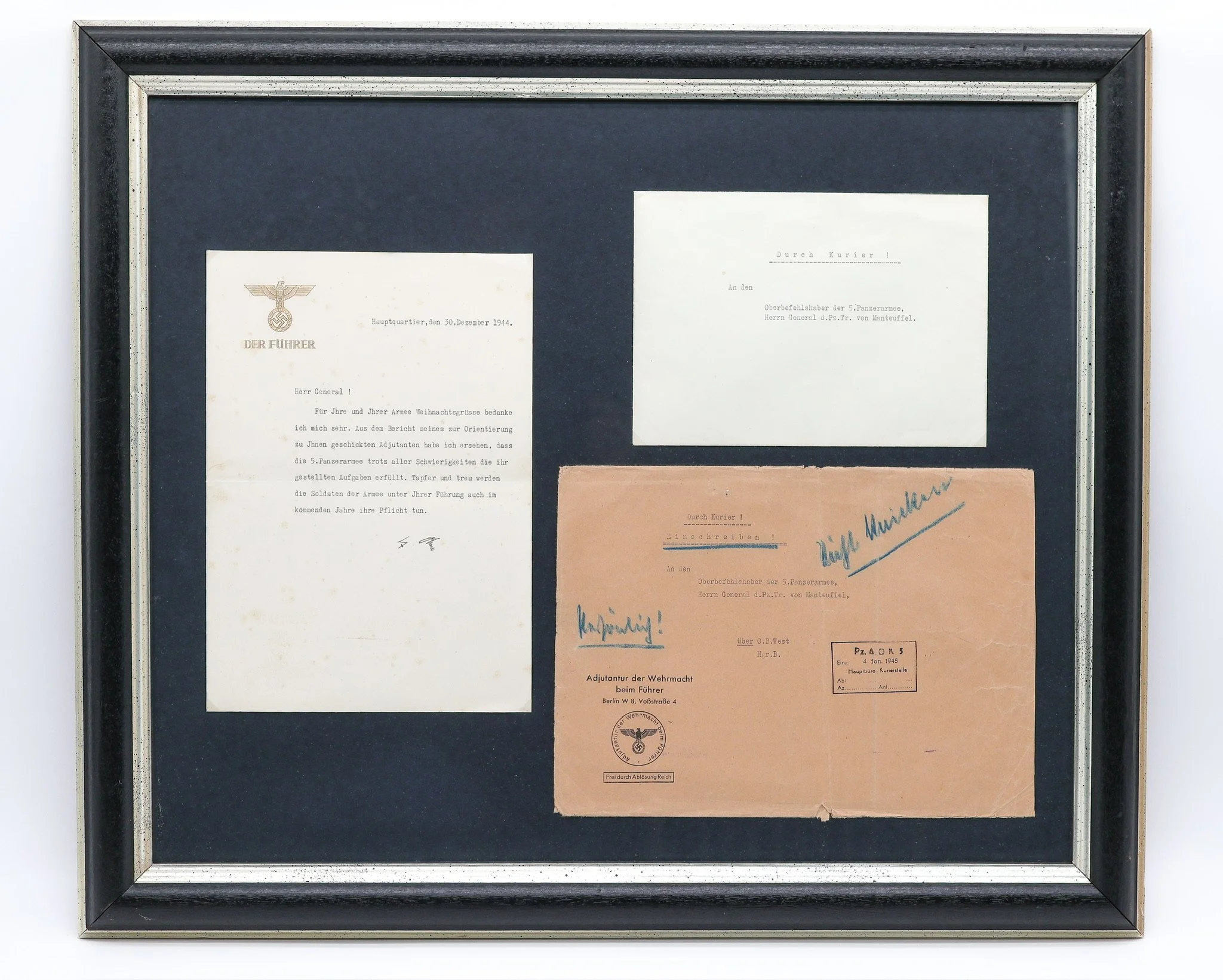
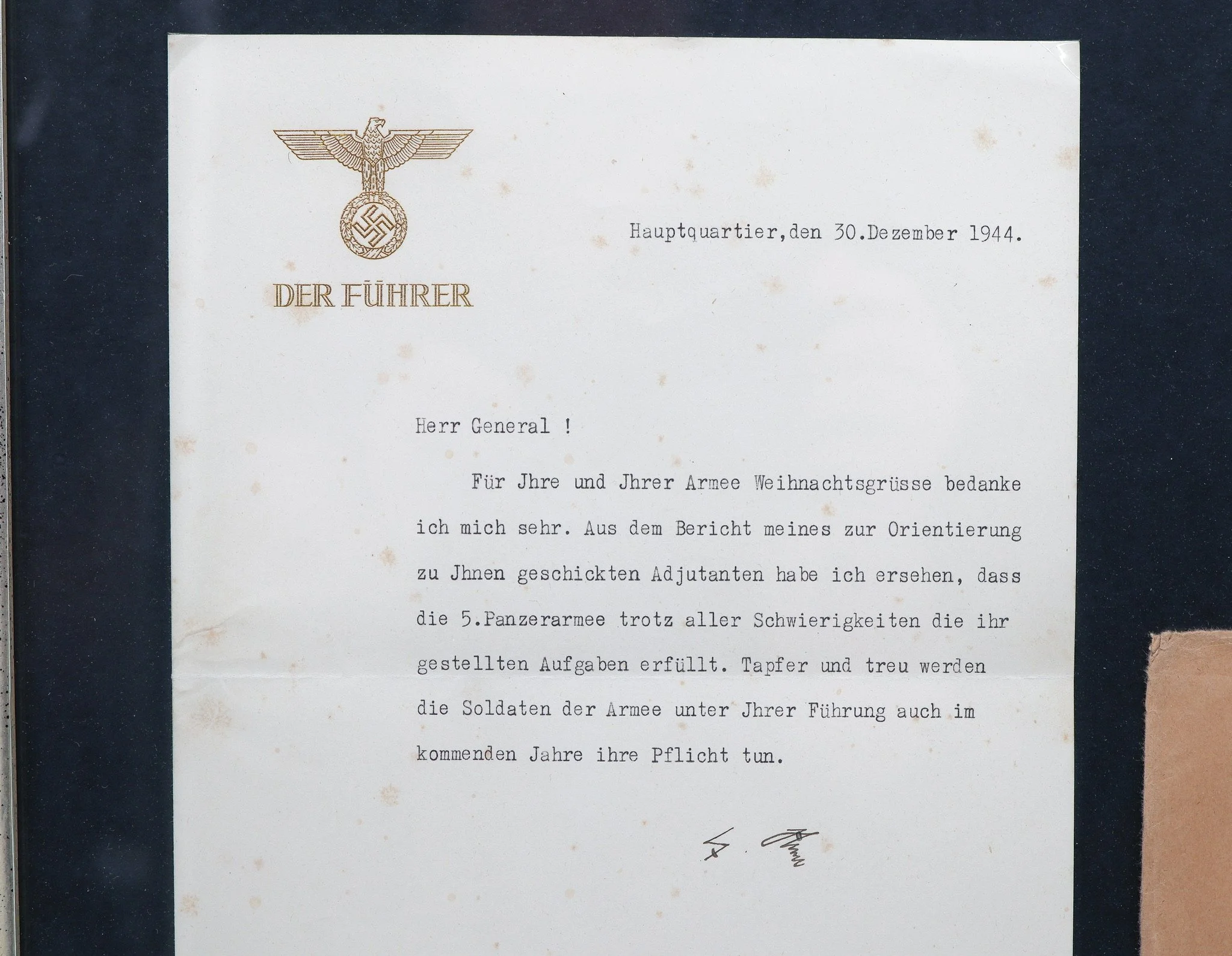
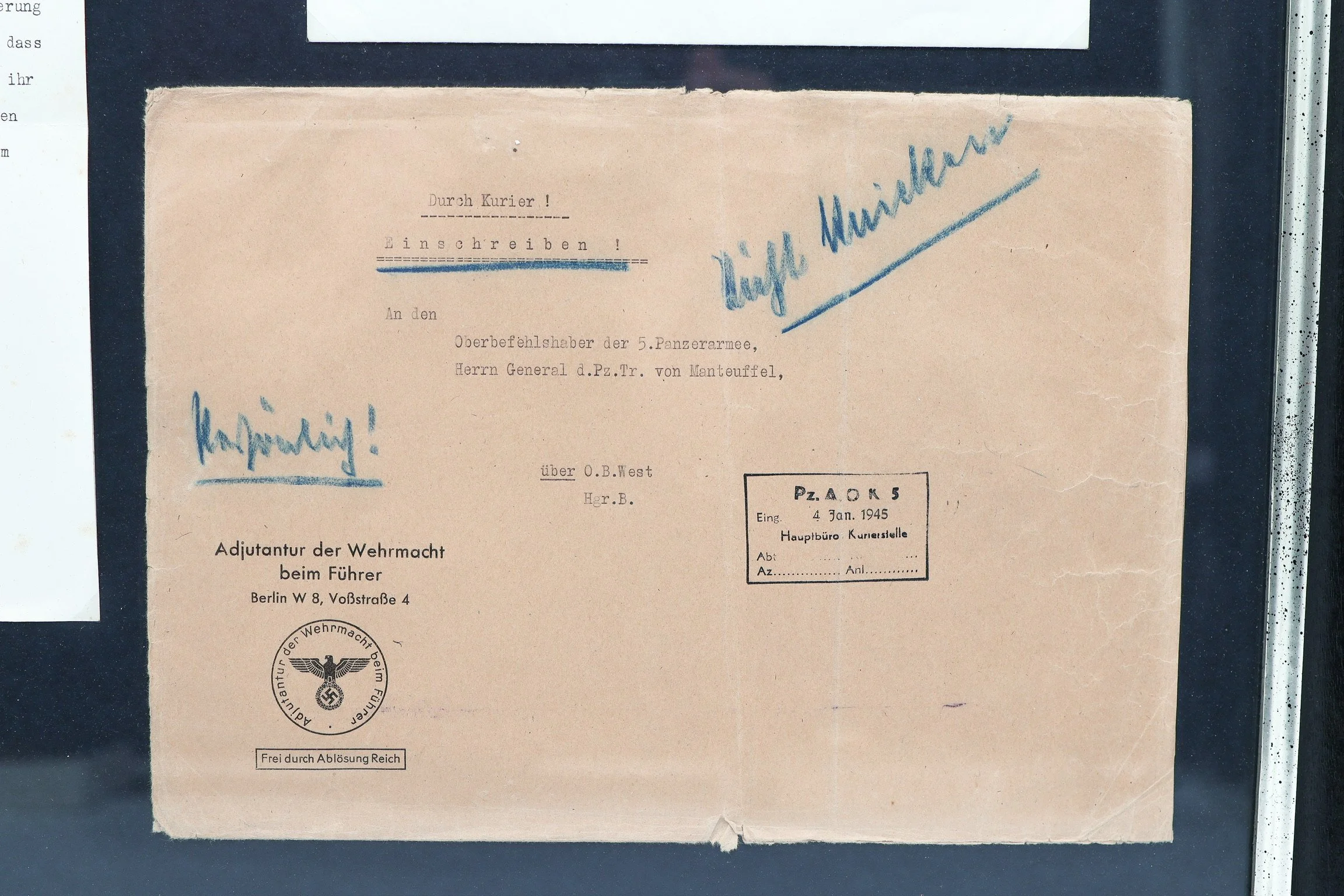
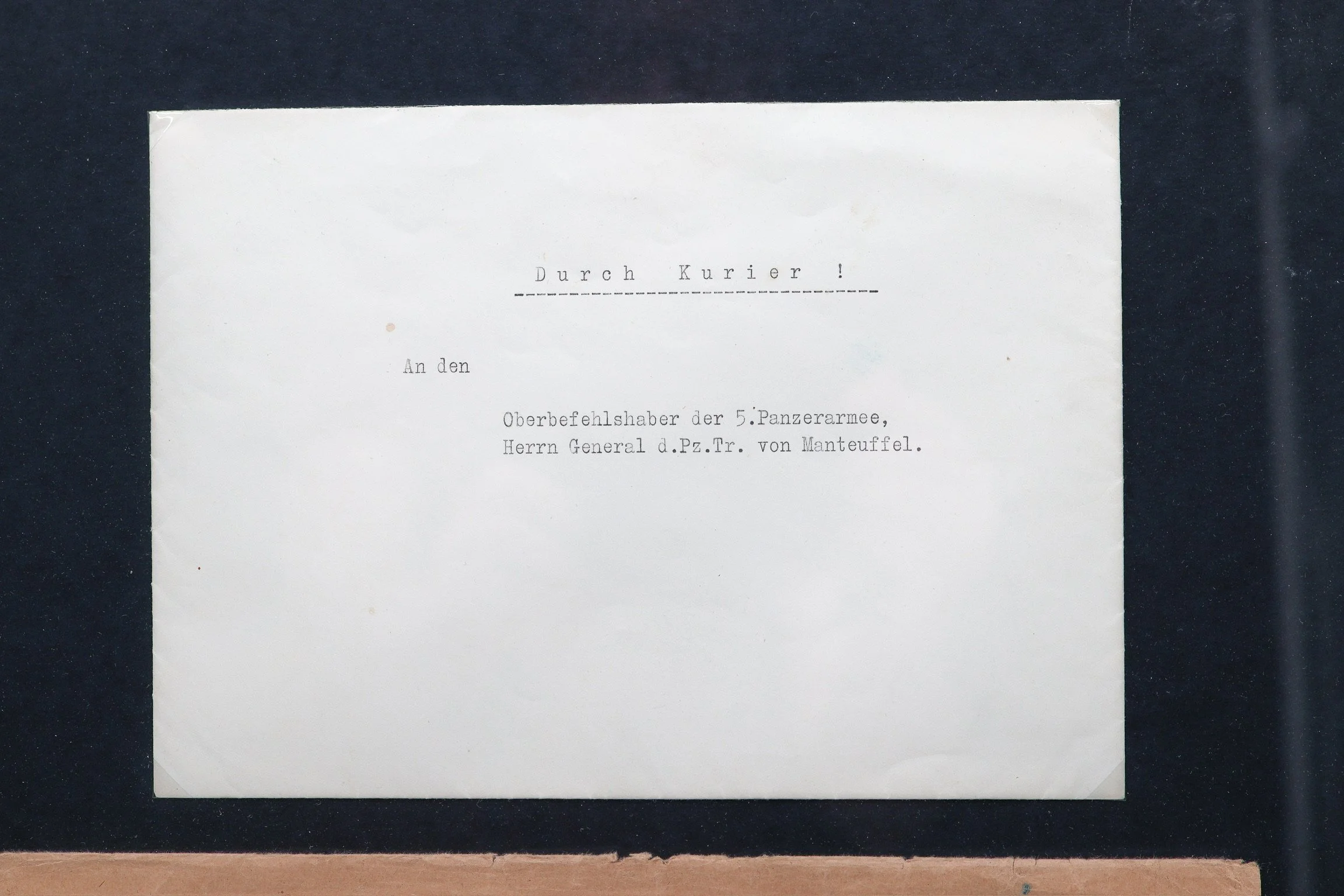
This letter, written on “Der Führer” letterhead and signed by Adolf Hitler, was sent to Hasso von Manteuffel, commander of the 5th Panzer Army, during the Ardennes Offensive. The letter is dated 30 December 1944.
The text acknowledges the situation of the 5th Panzer Army and states:
“I have seen that the 5th Panzer Army, despite all the difficulties, is fulfilling the tasks assigned to it. Bravely and faithfully, the soldiers of the Army under your leadership will continue to do their duty in the coming year.”
The letter was delivered by military courier and is accompanied by its original envelope, bearing Wehrmacht and Panzer Army stamps dated 4 January 1945. It was formerly part of the Donald G. Brownlow Collection.
Adolf Hitler Letter to General Hasso von Manteuffel, December 30, 1944
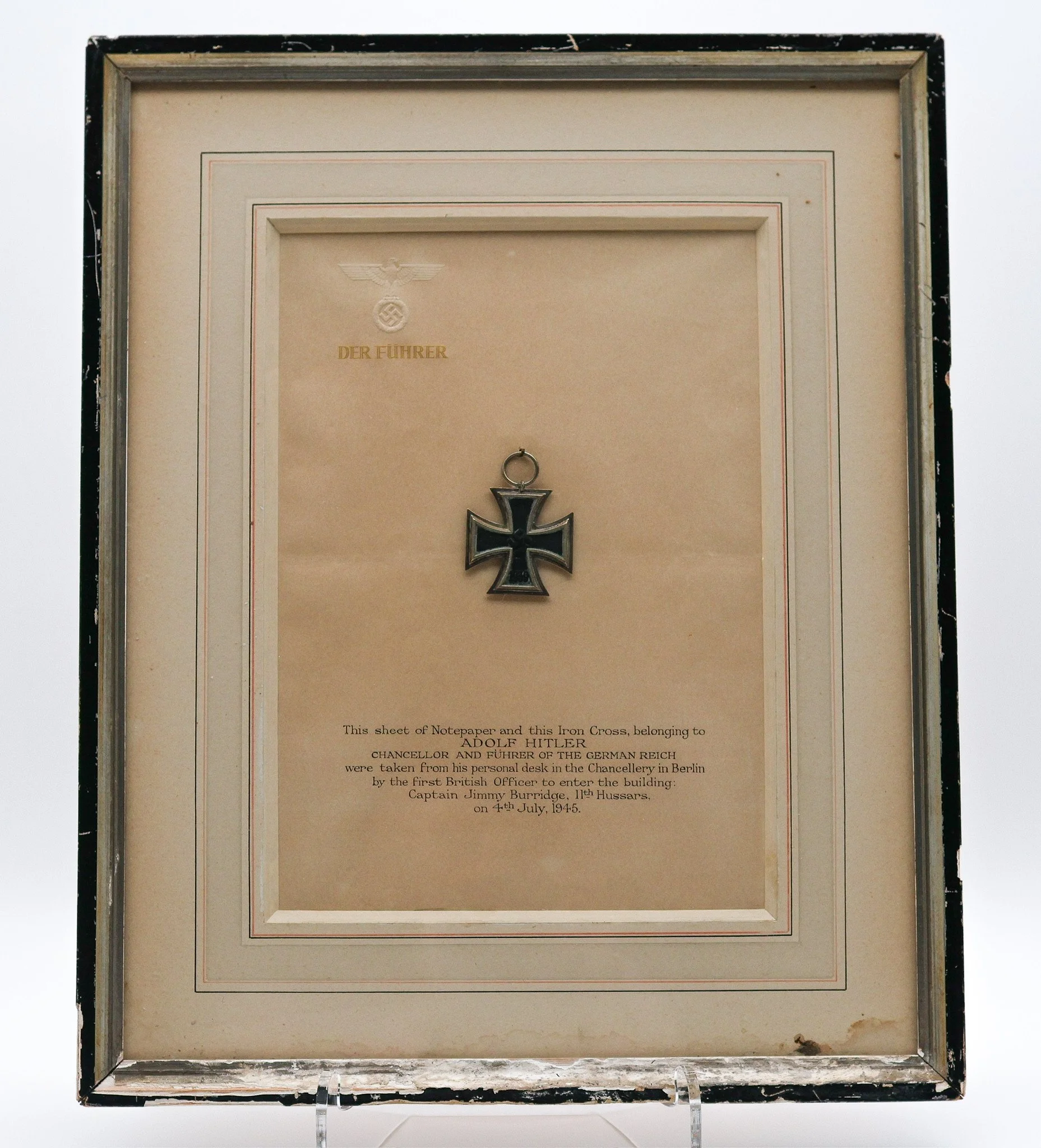
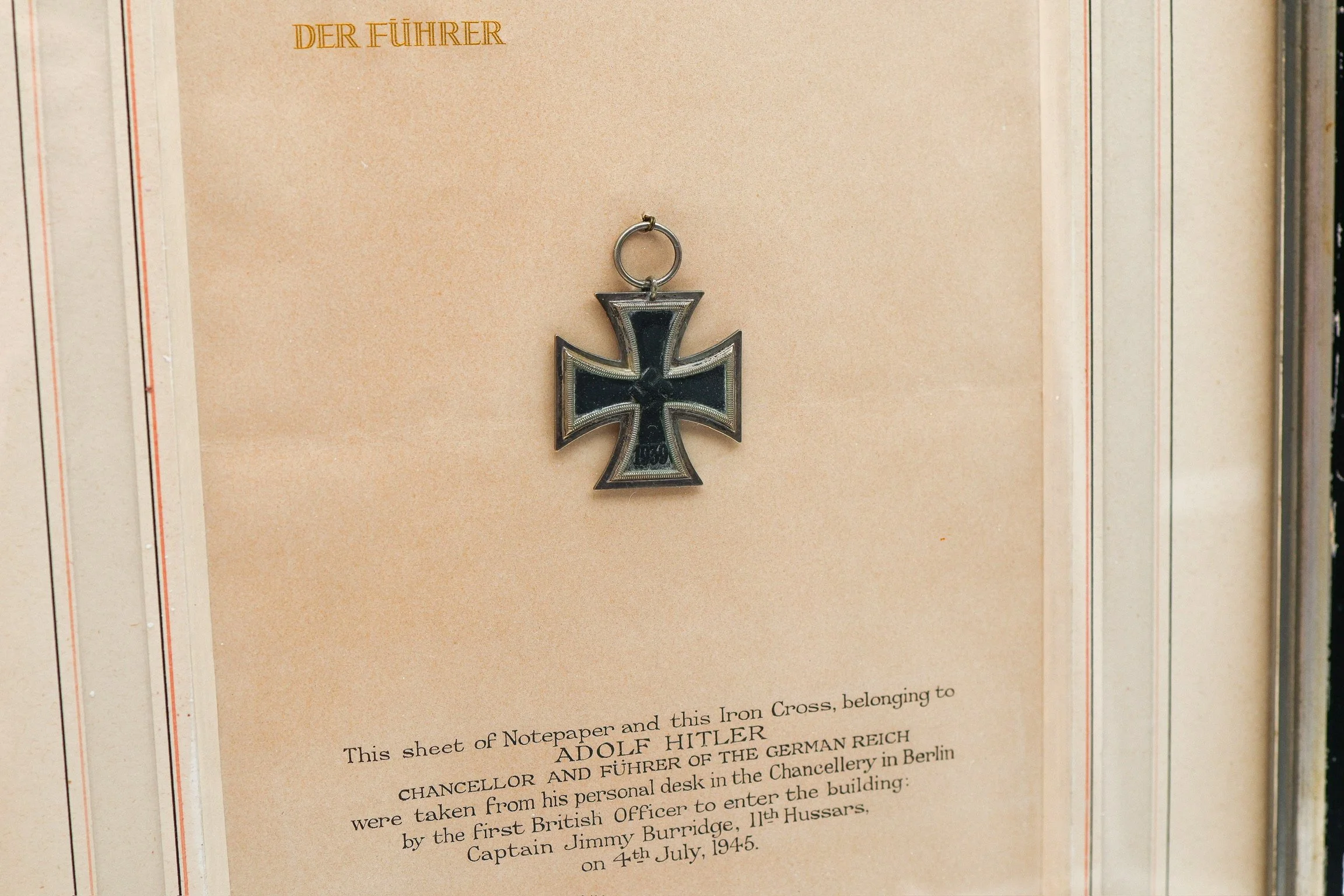
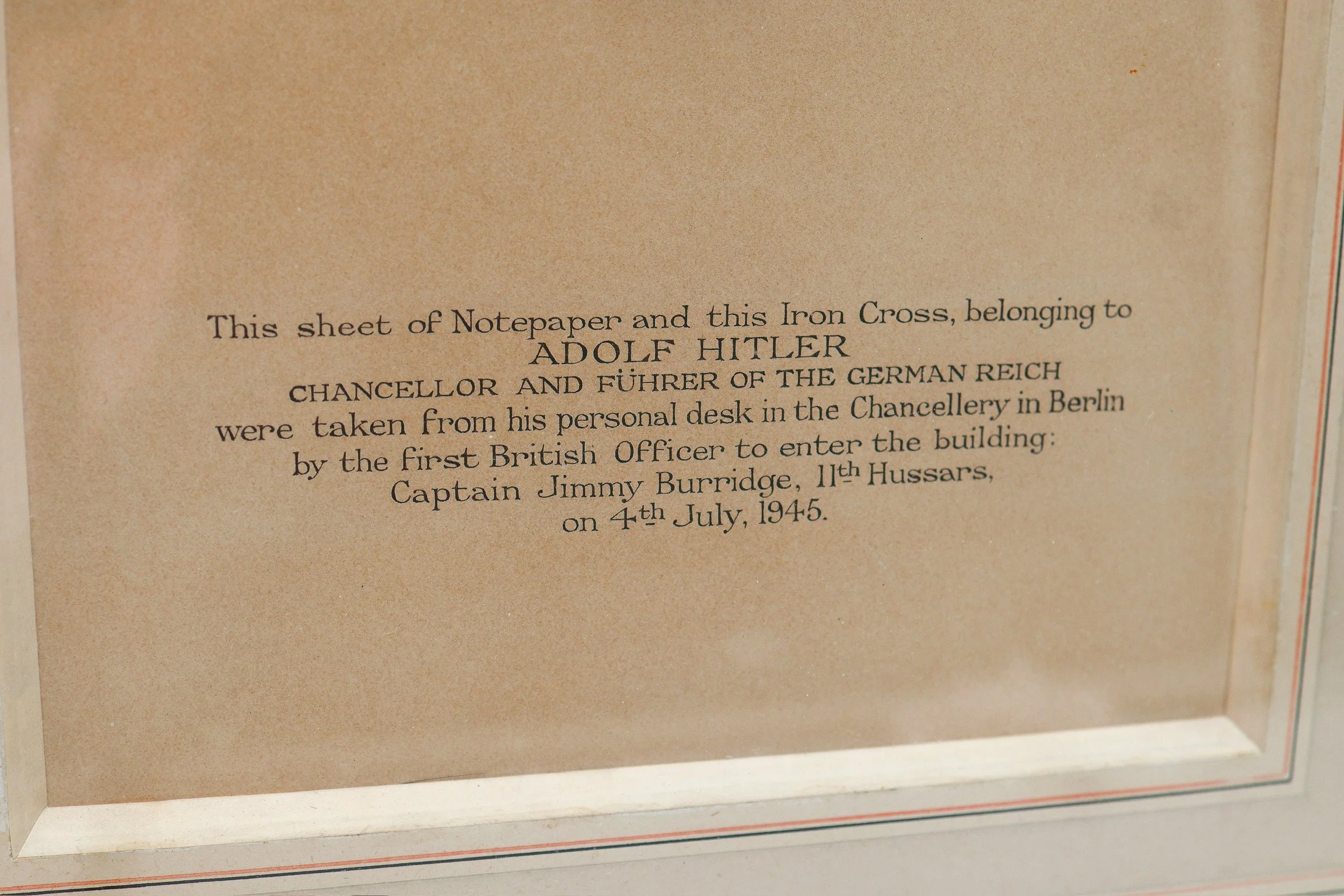
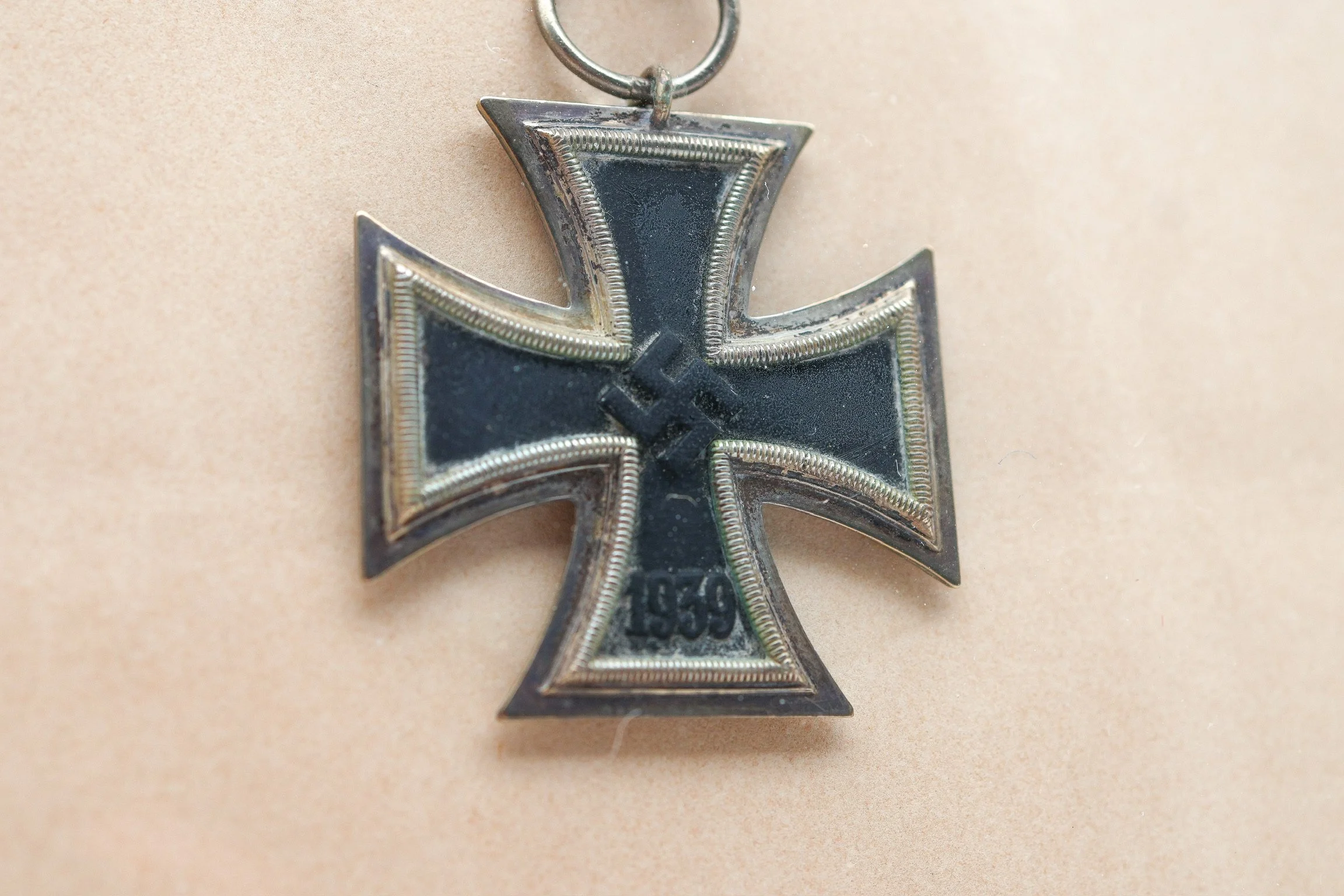
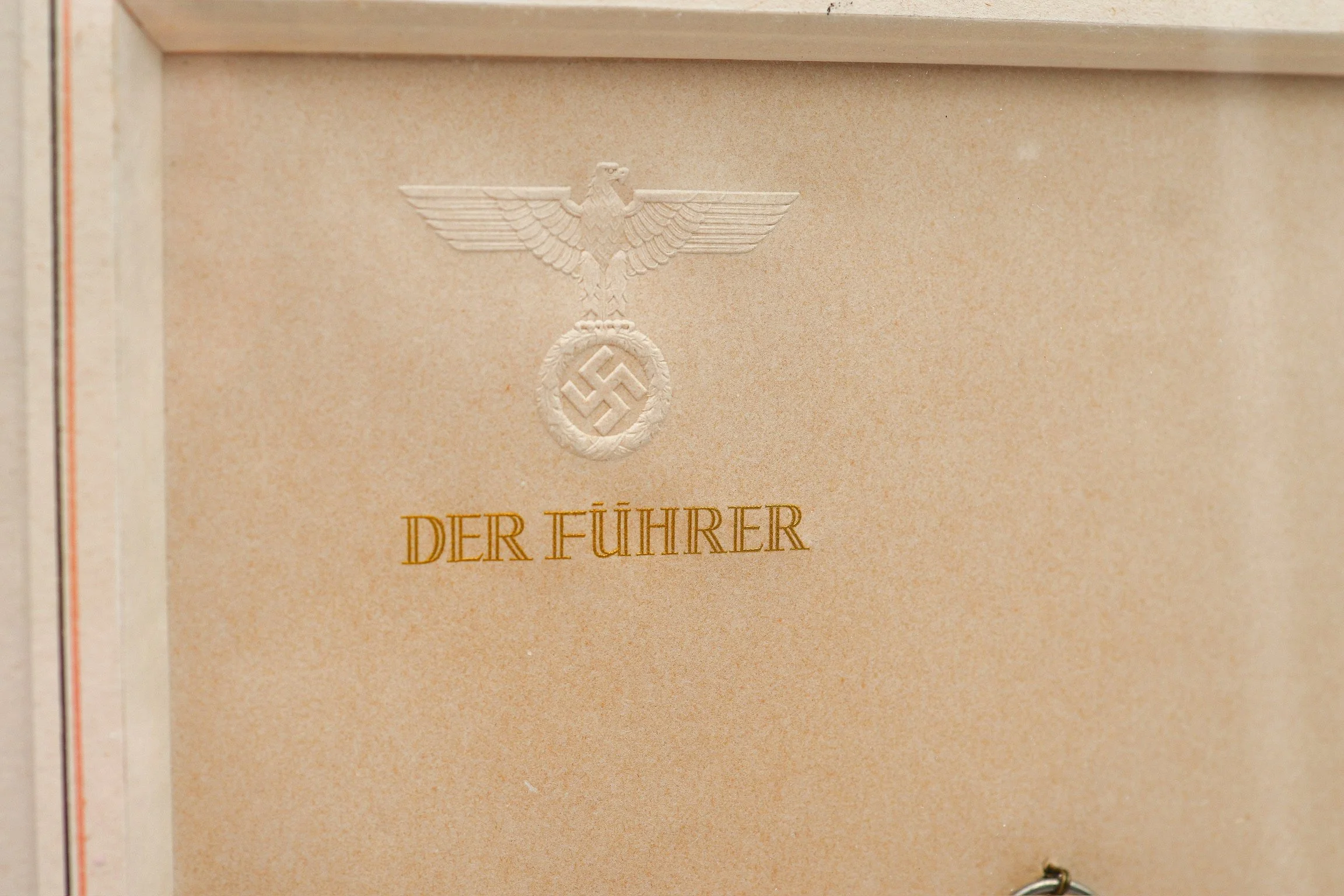
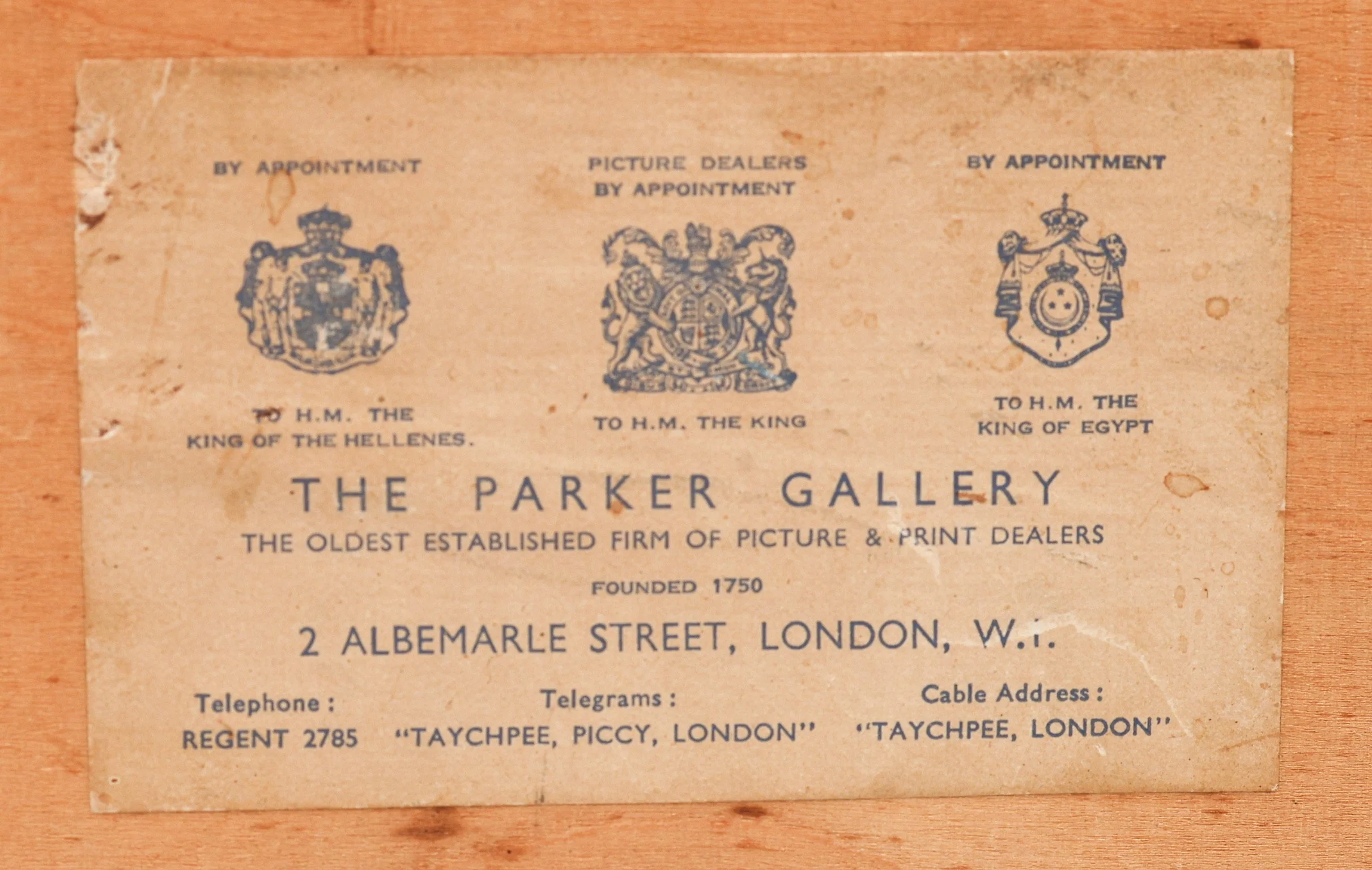
Iron Cross Second Class Taken from Hitler’s Desk, Berlin Chancellery, July 4, 1945
This Iron Cross Second Class was removed from a desk in the Reich Chancellery in Berlin on 4 July 1945, along with a sheet of personal stationery belonging to Adolf Hitler. The items were taken by Captain Jimmy Burridge of the 11th Hussars, who was among the first British officers to enter the building following the fall of Berlin.
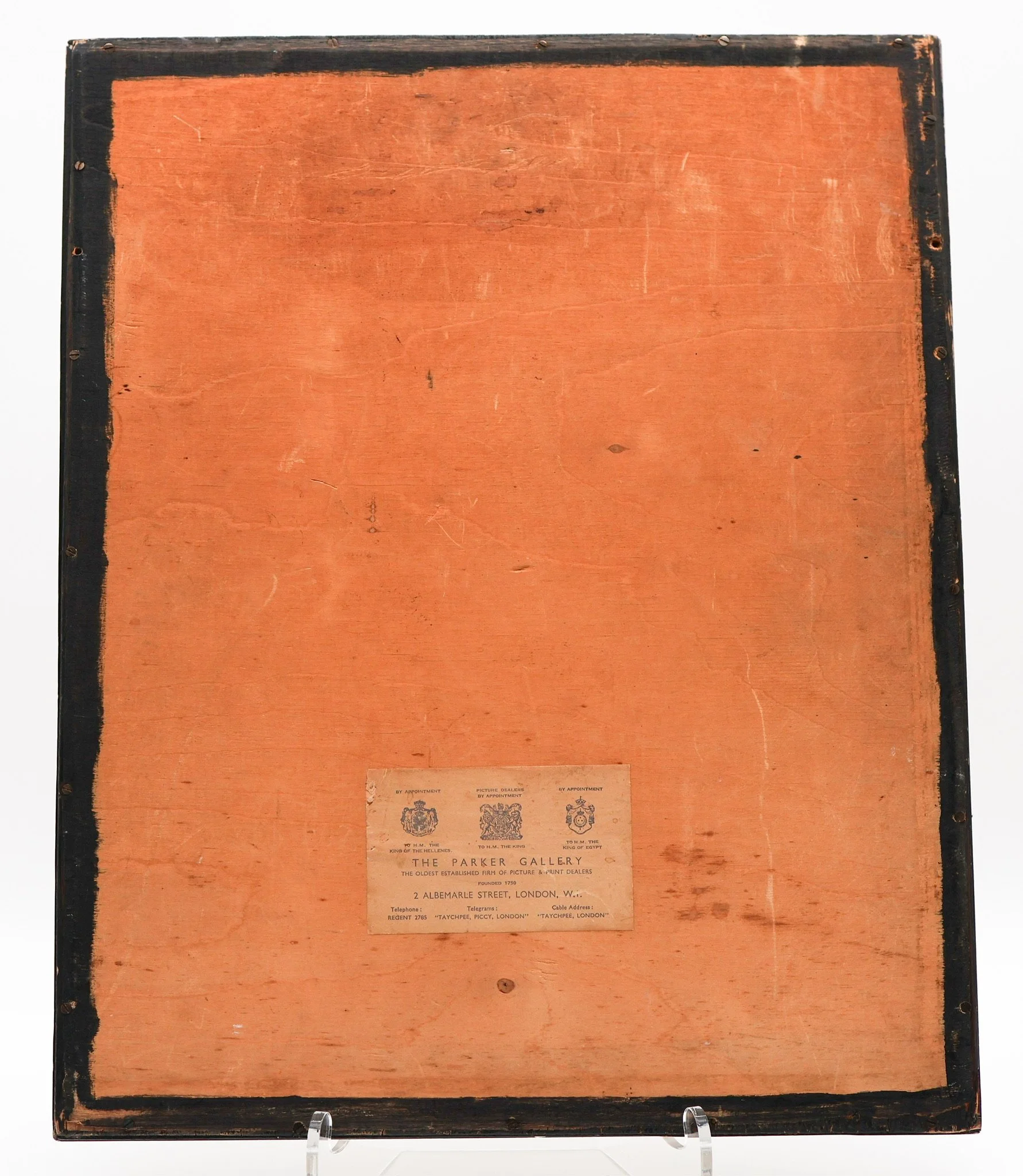
After the war, Burridge had the Iron Cross and the accompanying stationery professionally framed at The Parker Gallery in London, where they were preserved together as recovered.
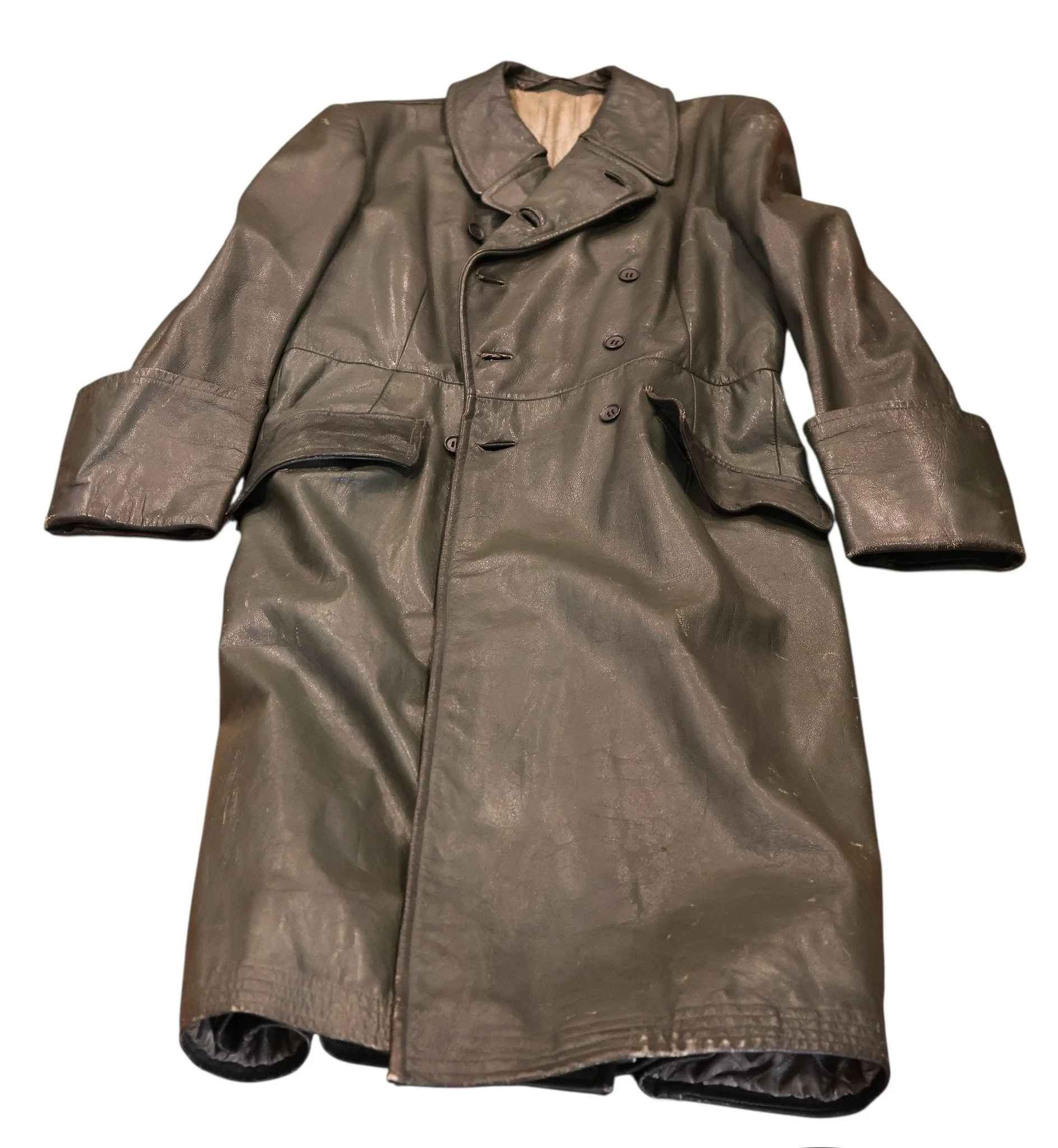
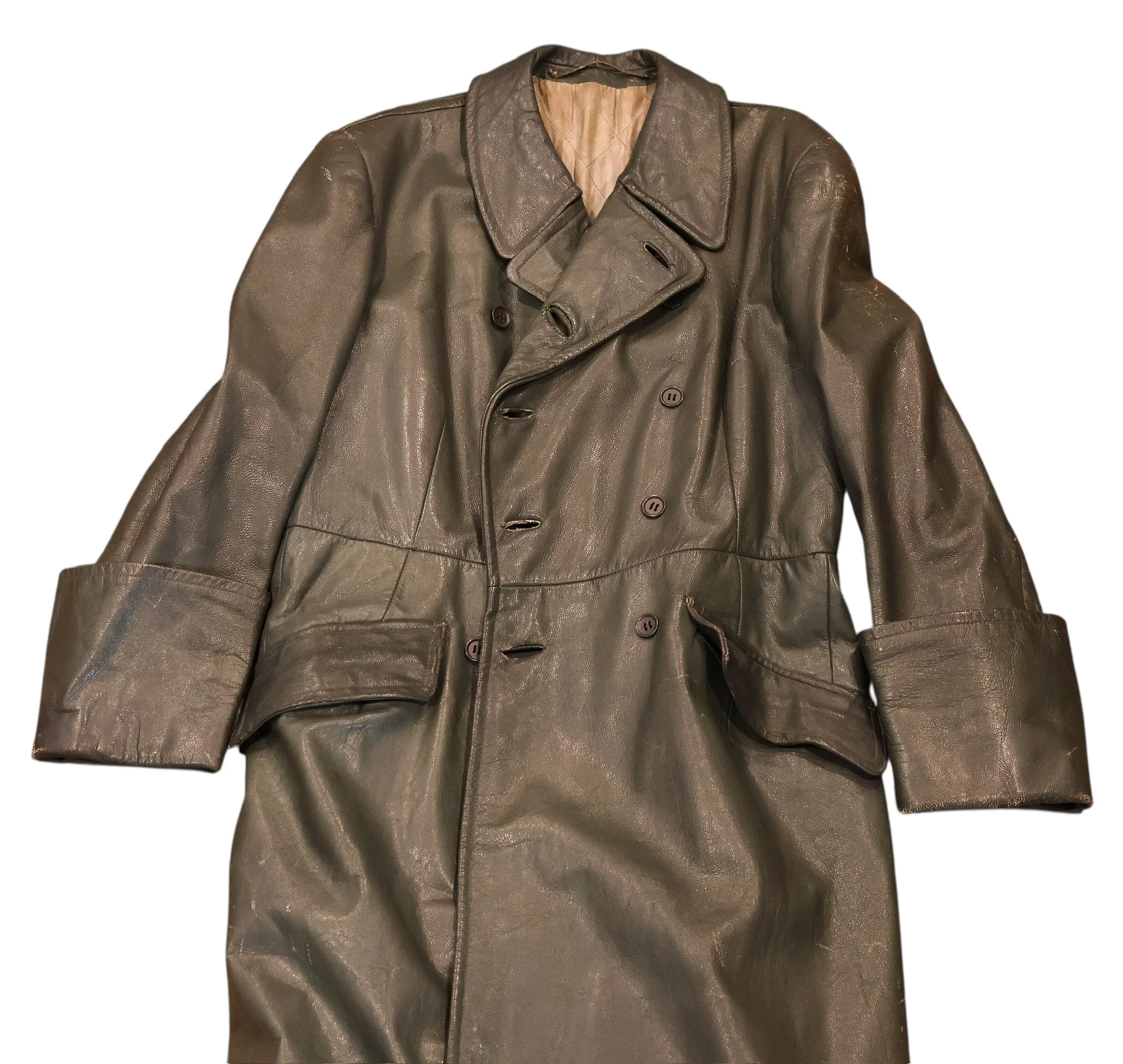
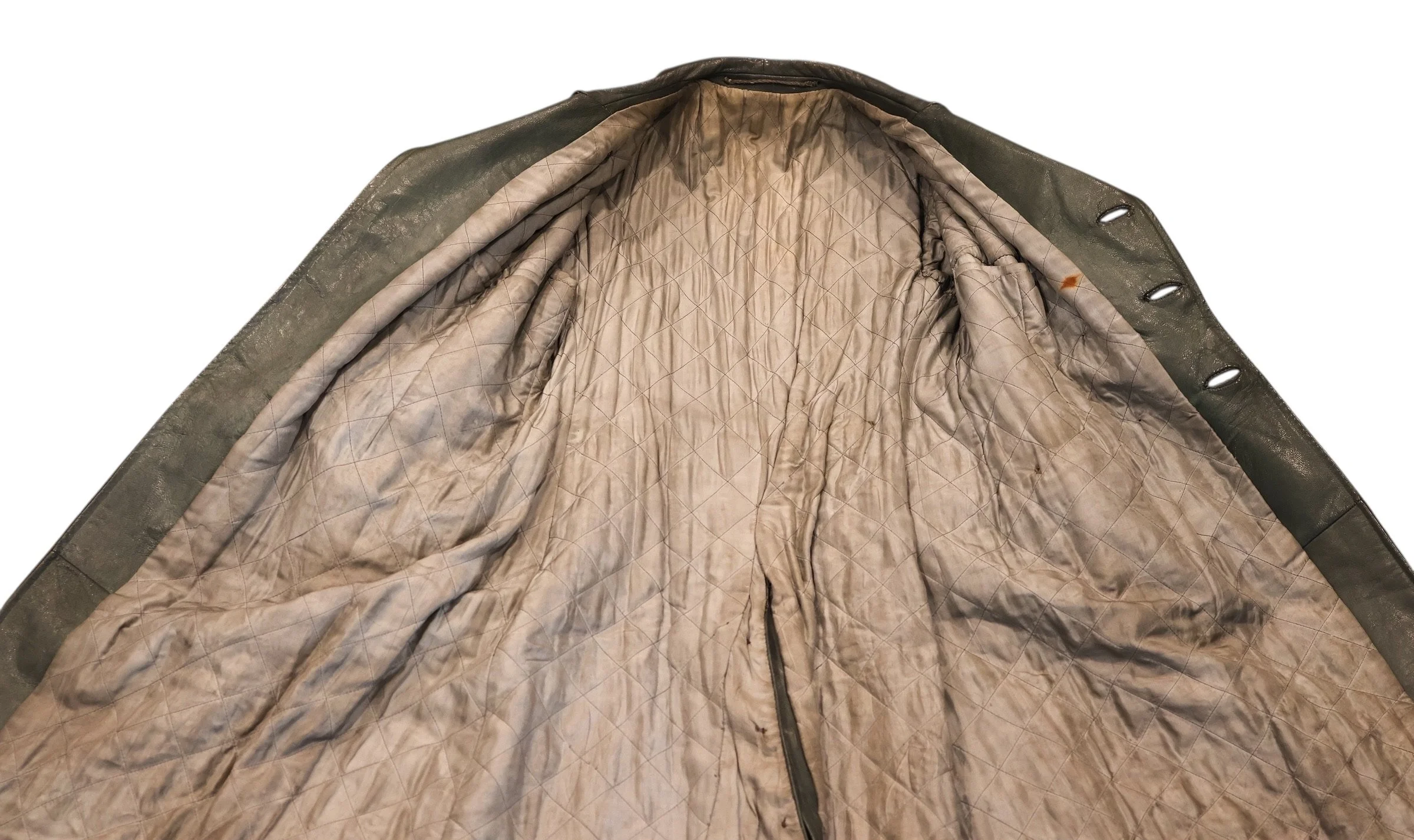
Wehrmacht Officer’s Greatcoat Worn by Captain Ernst Stenzel, Quartermaster Corps
This German Wehrmacht officer’s greatcoat was worn during World War II by Captain Ernst Stenzel. Born in 1898, Stenzel was a veteran of World War I and was inducted into the Wehrmacht shortly after the invasion of Poland in 1939. Based on family understanding, he is believed to have served in a Quartermaster role and was likely responsible for food logistics, though few details of his wartime service were shared within the family.
As the war drew closer to his home, Stenzel deserted his post, disguised himself as a civilian refugee near the Swiss border, and avoided capture. After the war, the original silver buttons were removed and replaced. The greatcoat was preserved by his son, Karl Stenzel, who gifted it to the Artifacts of Valor collection in 2023.
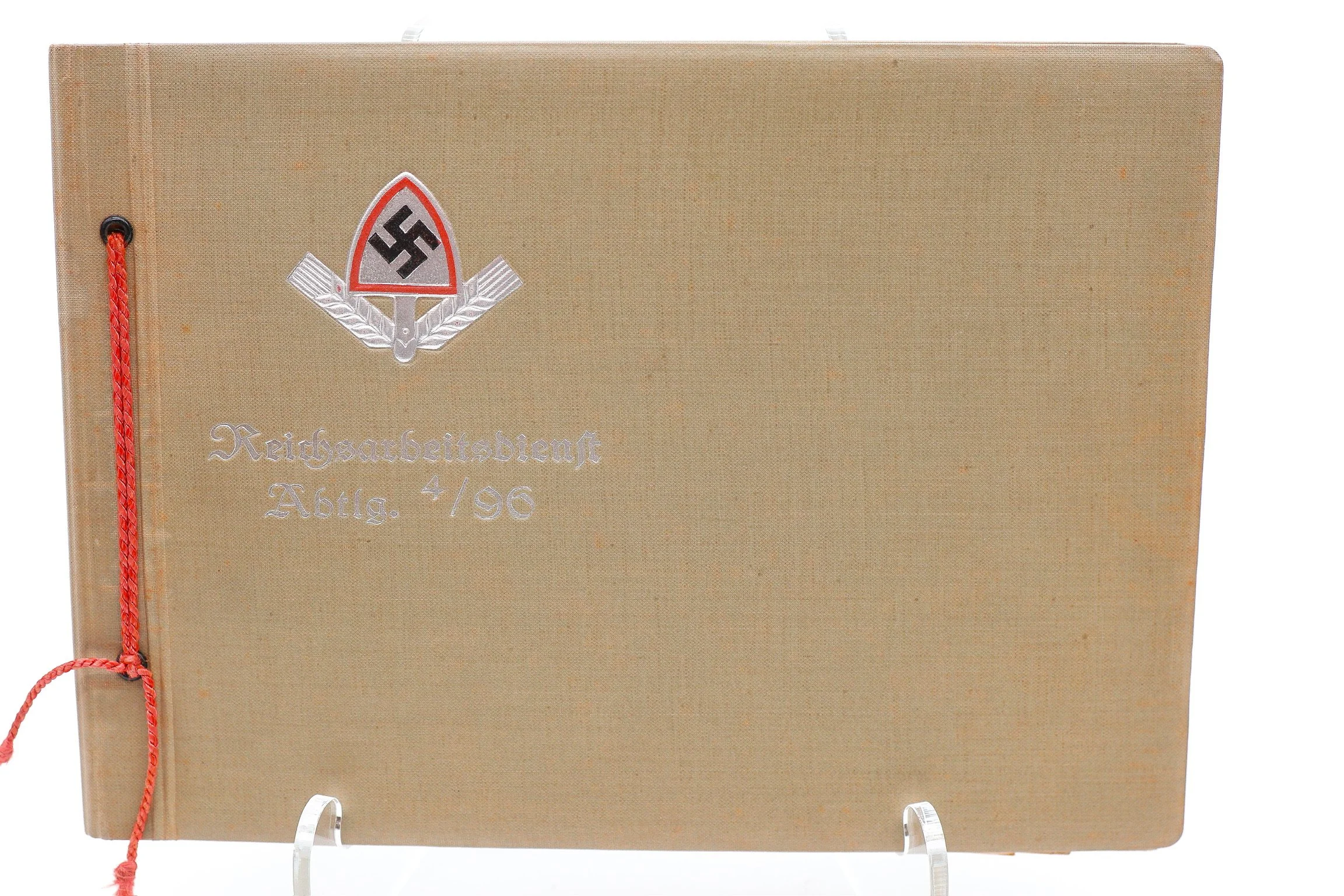
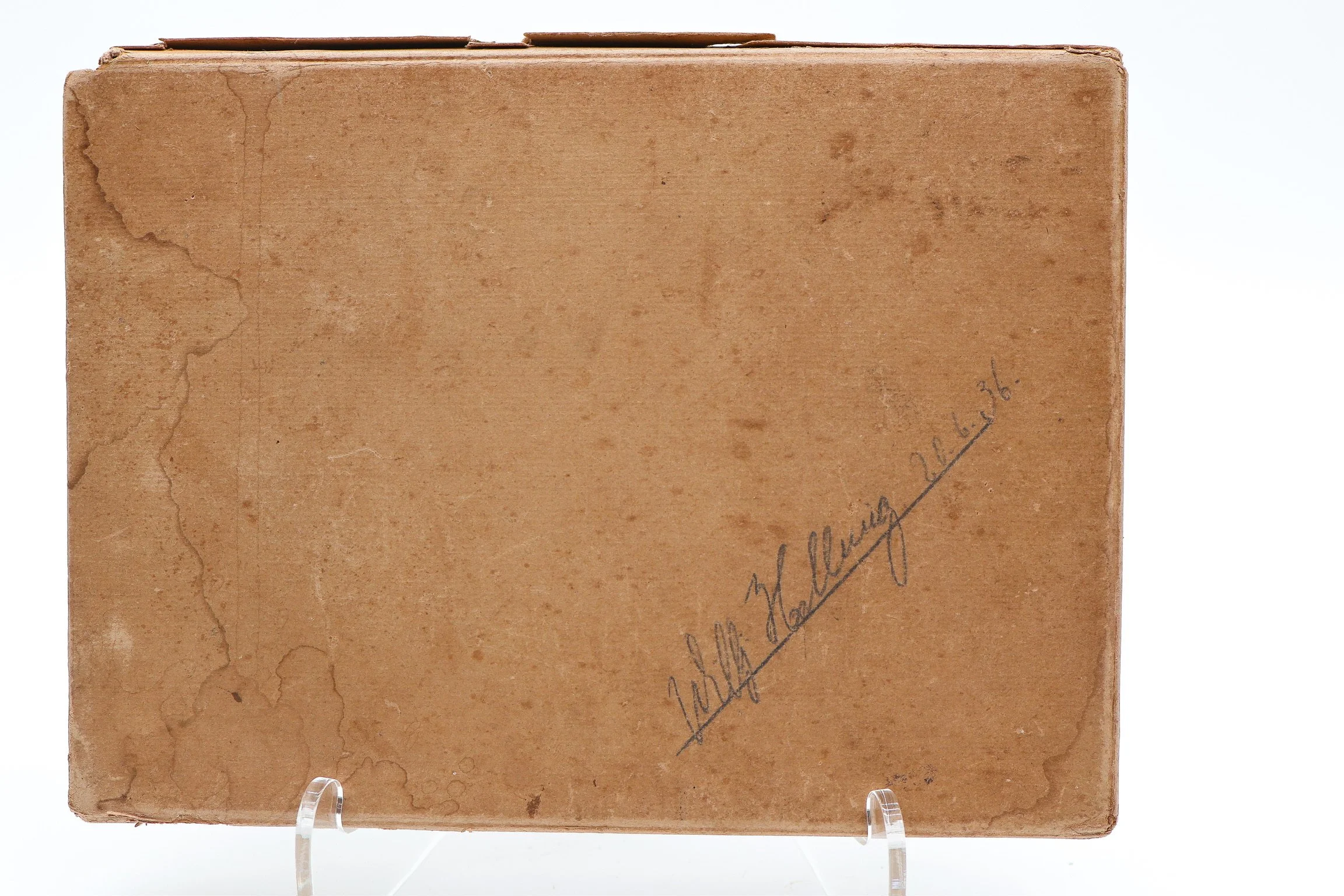
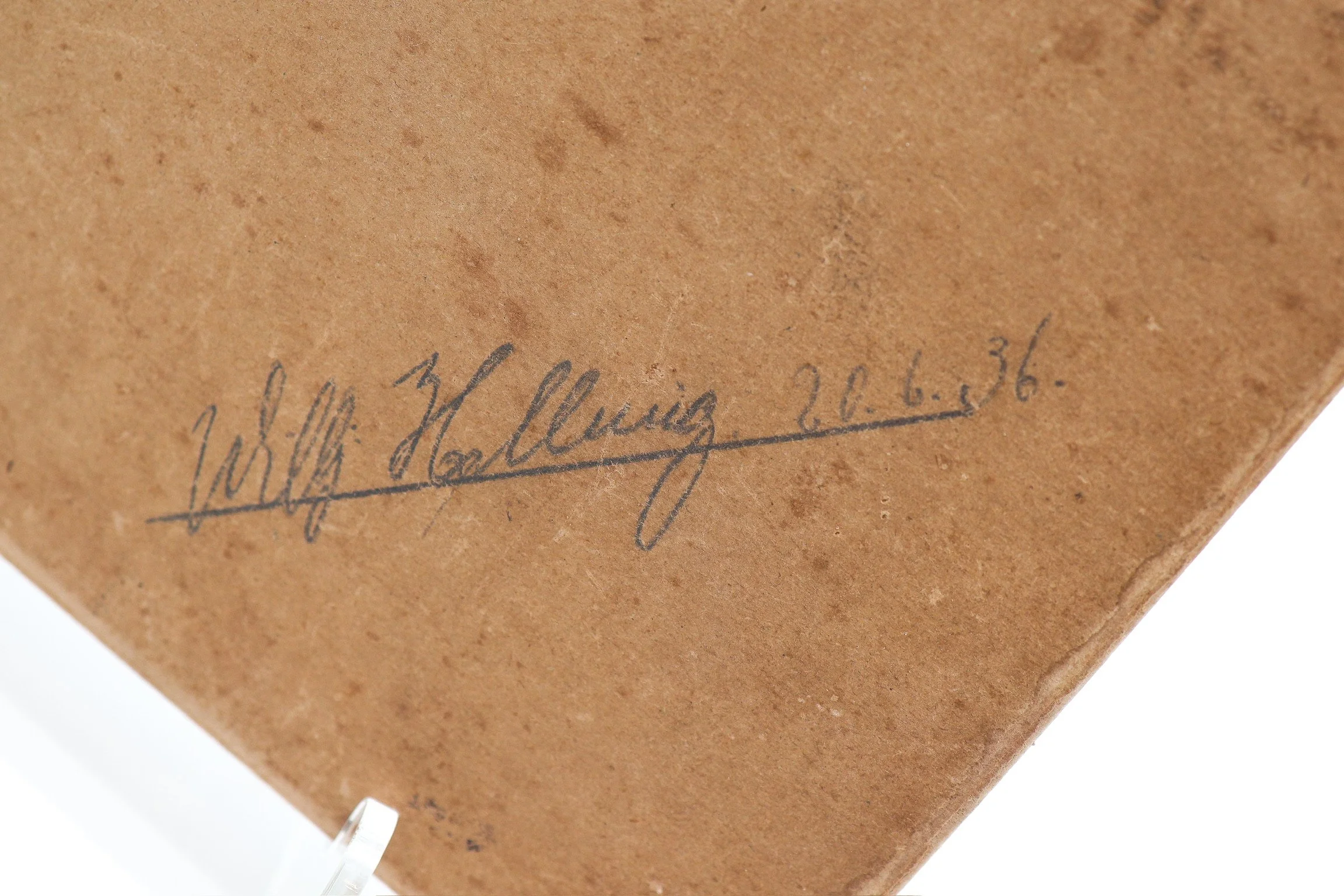
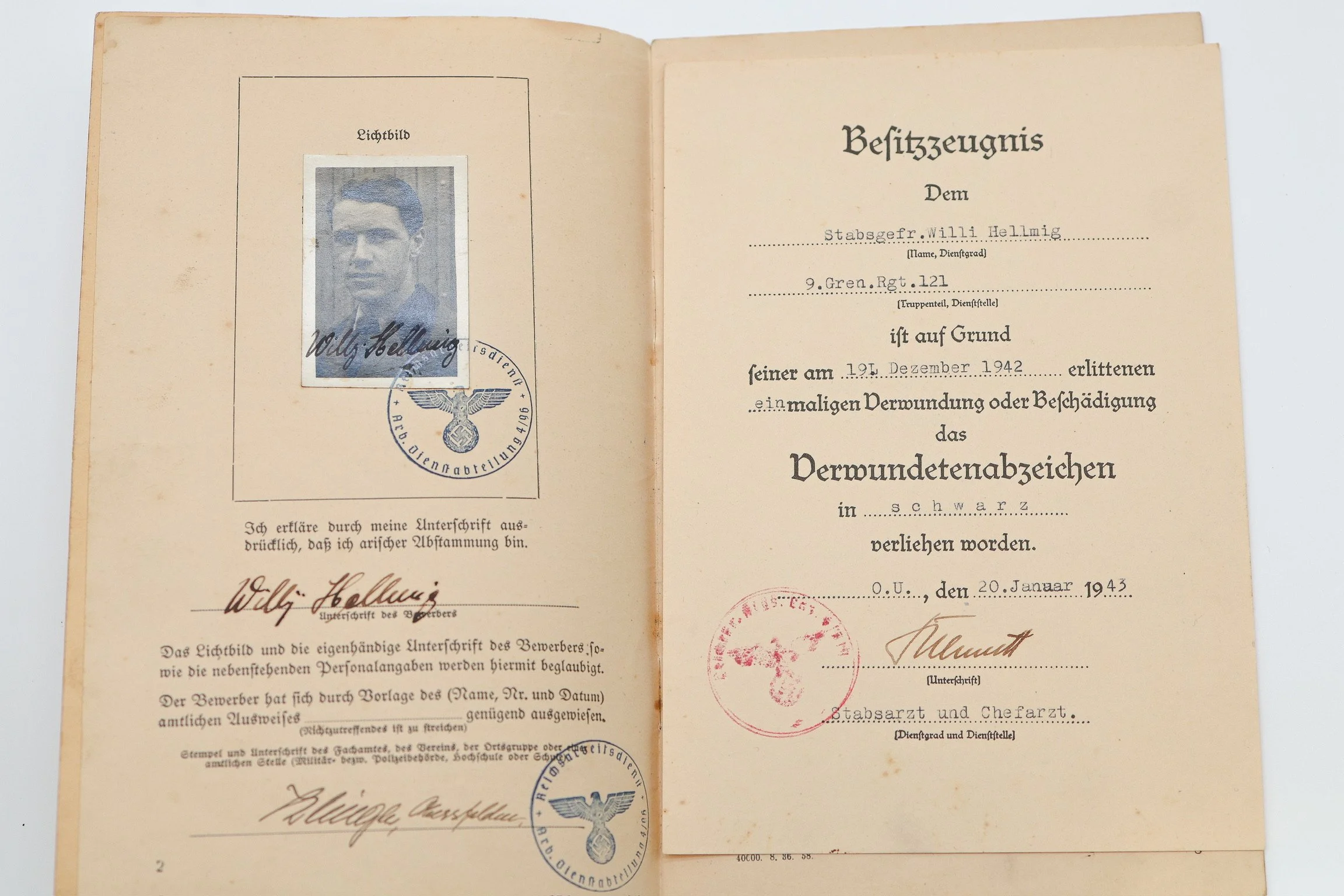
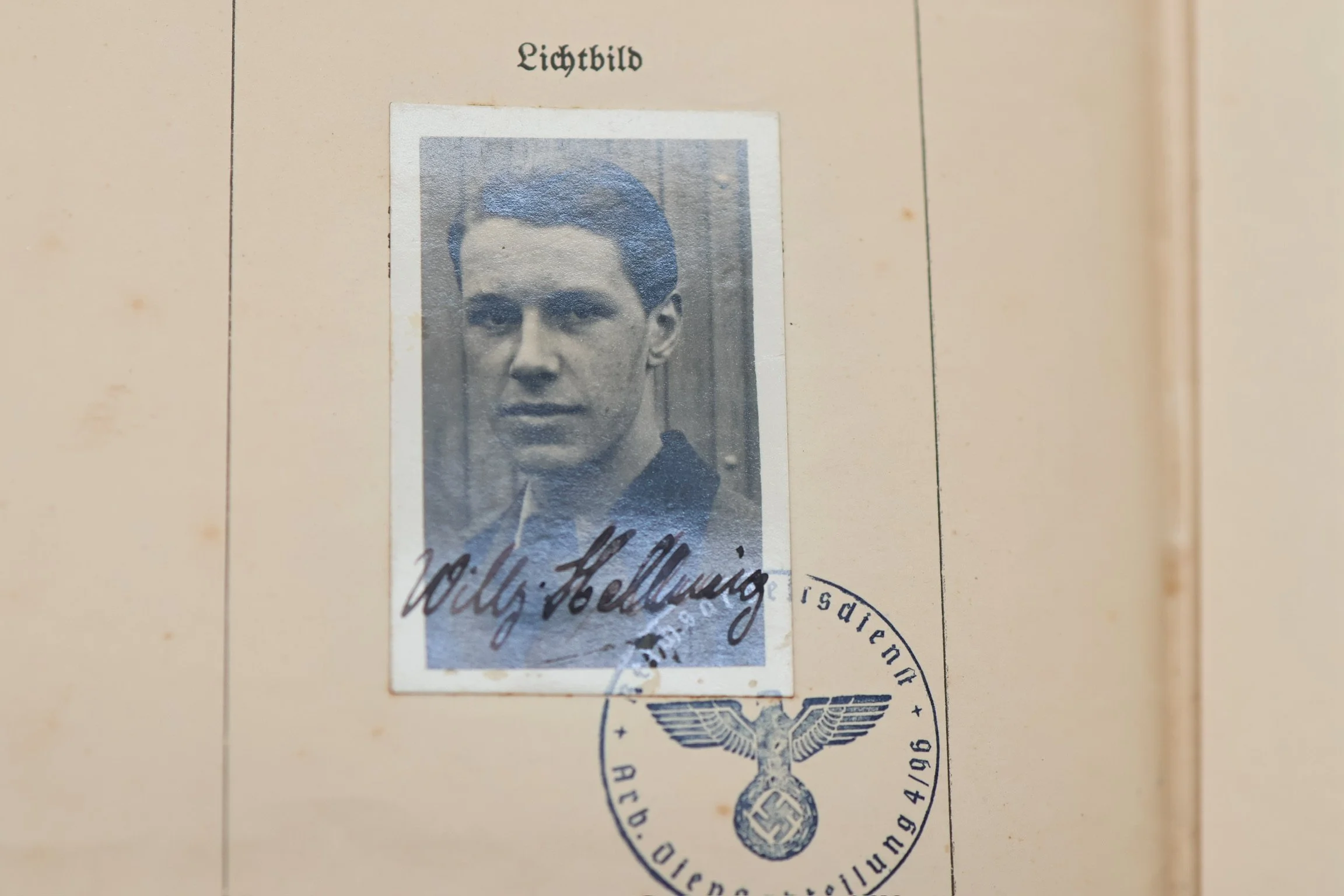
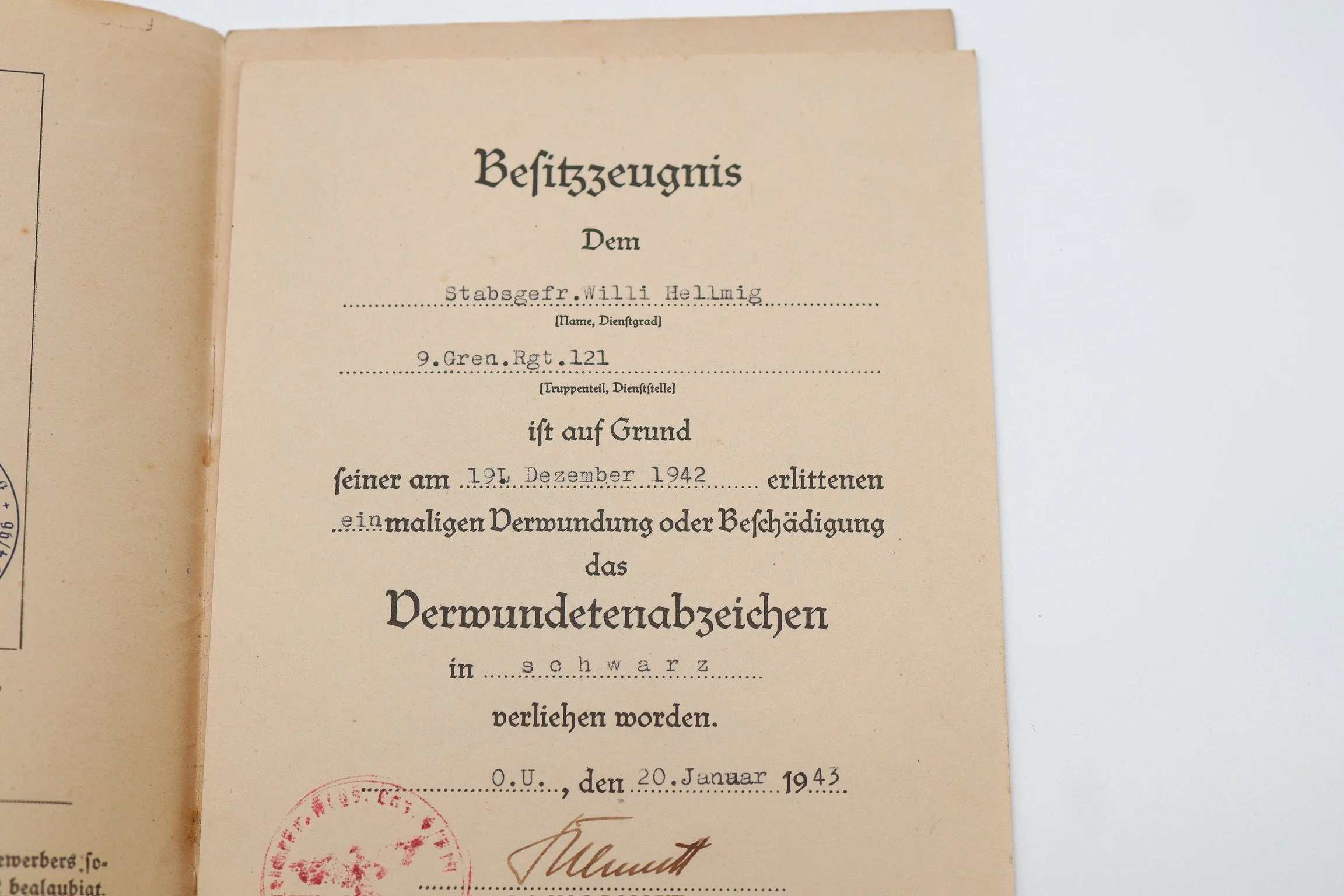
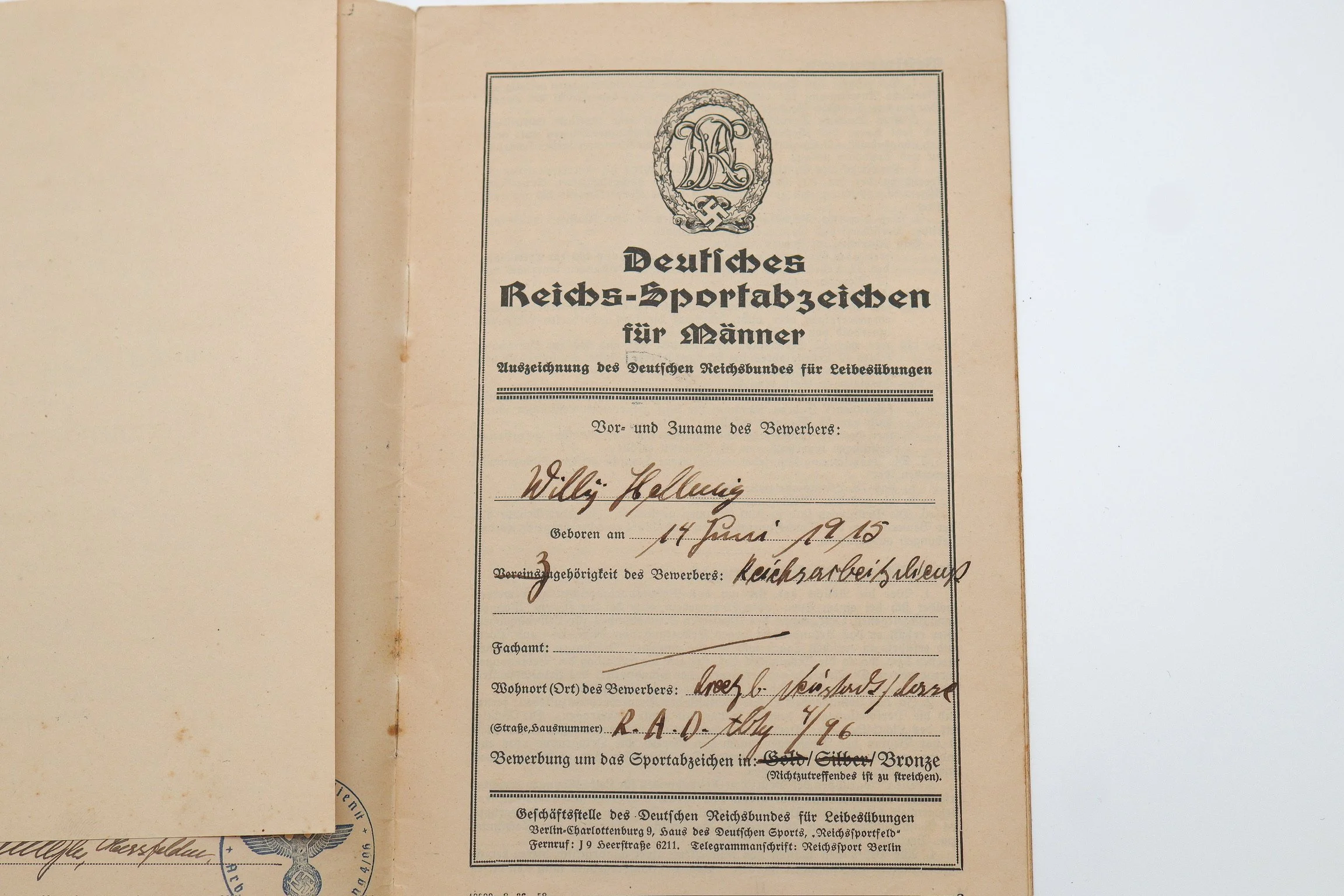
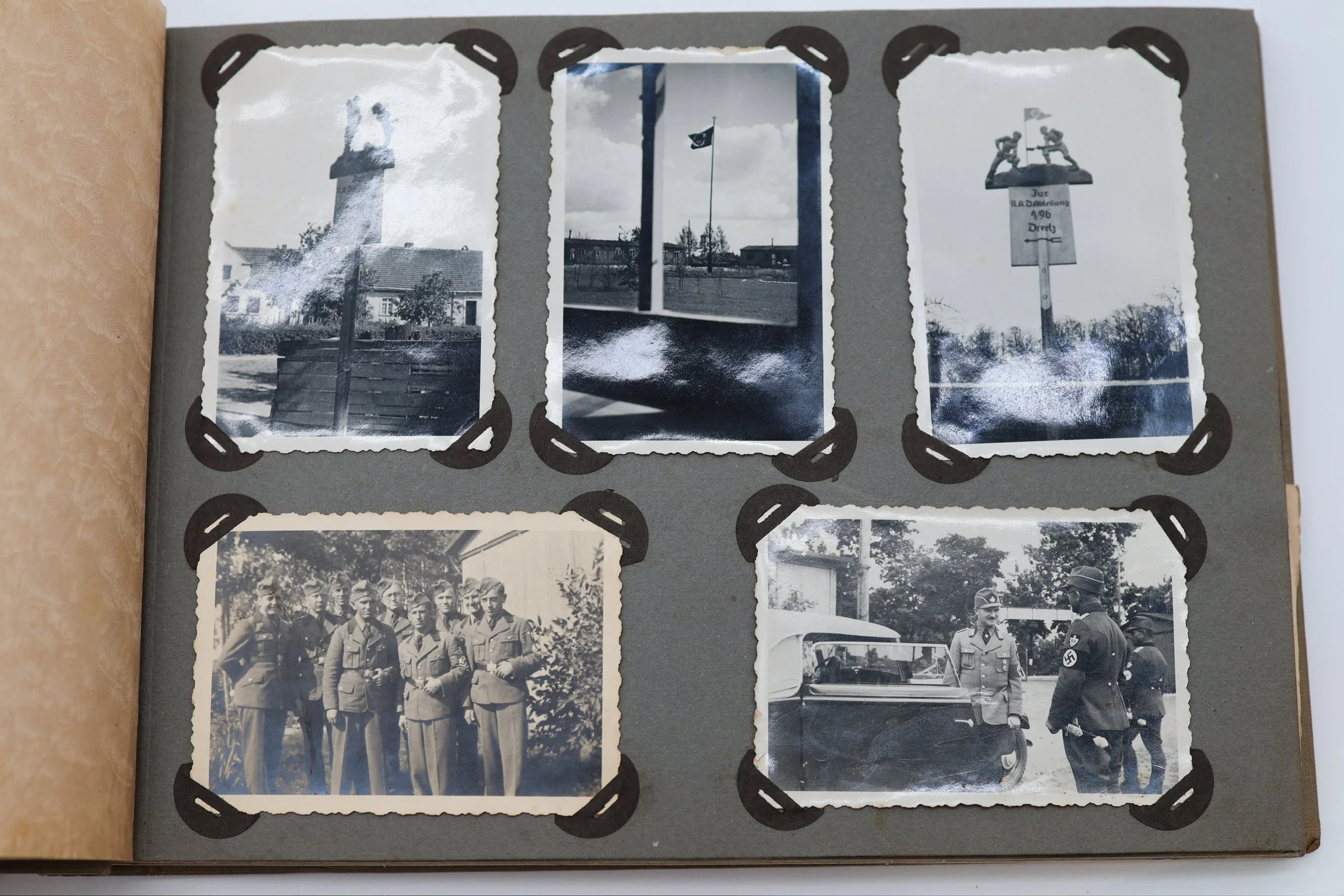
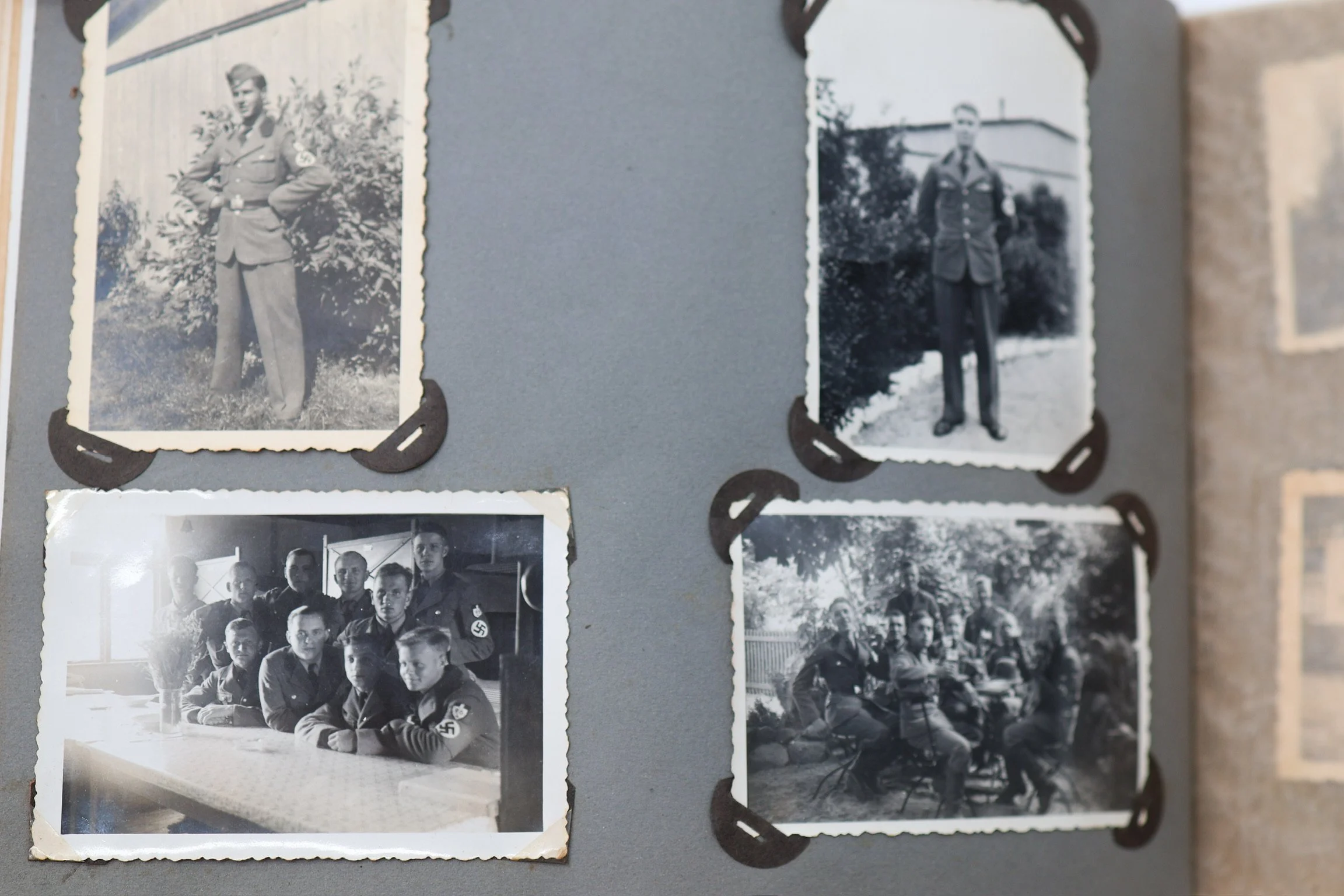
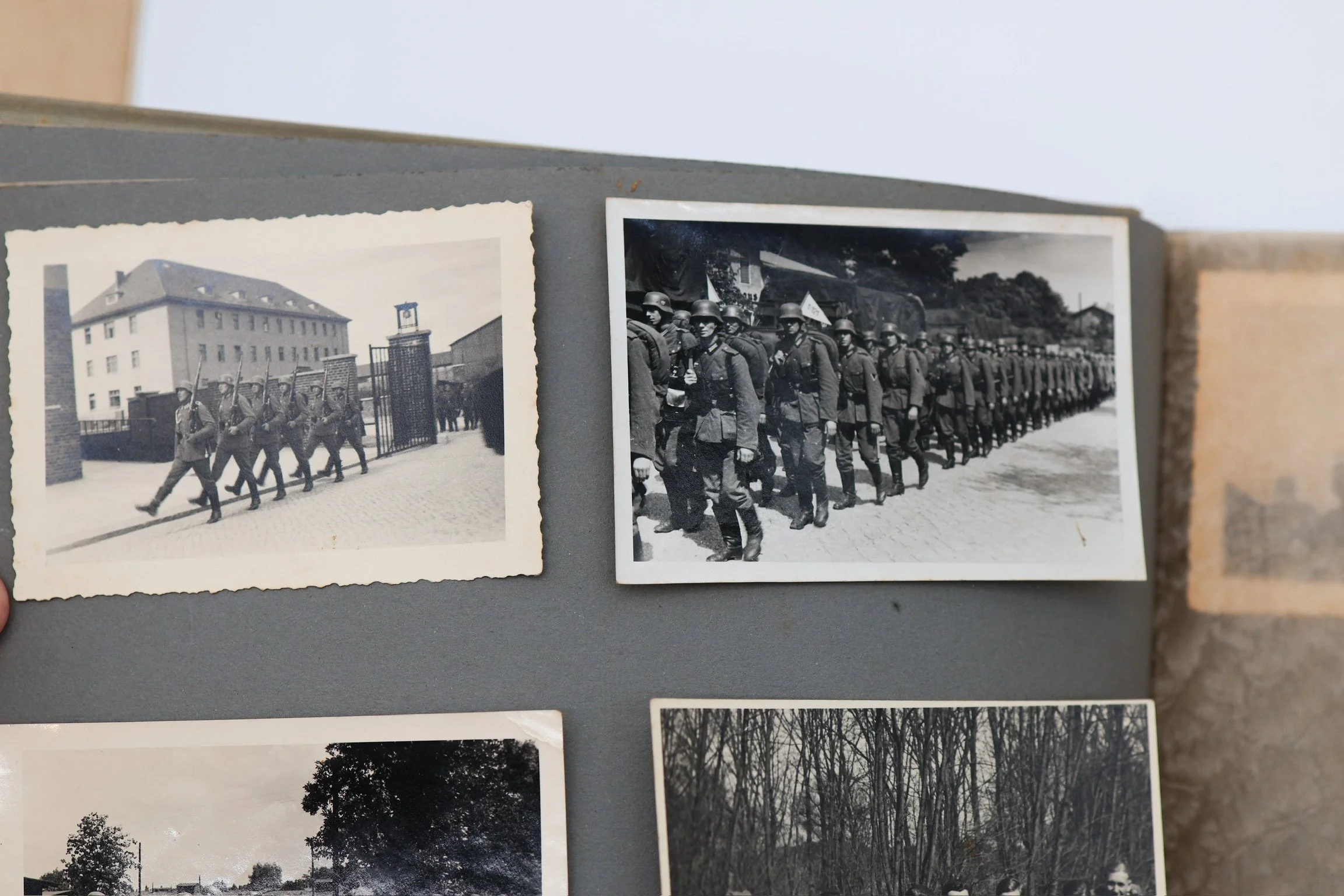
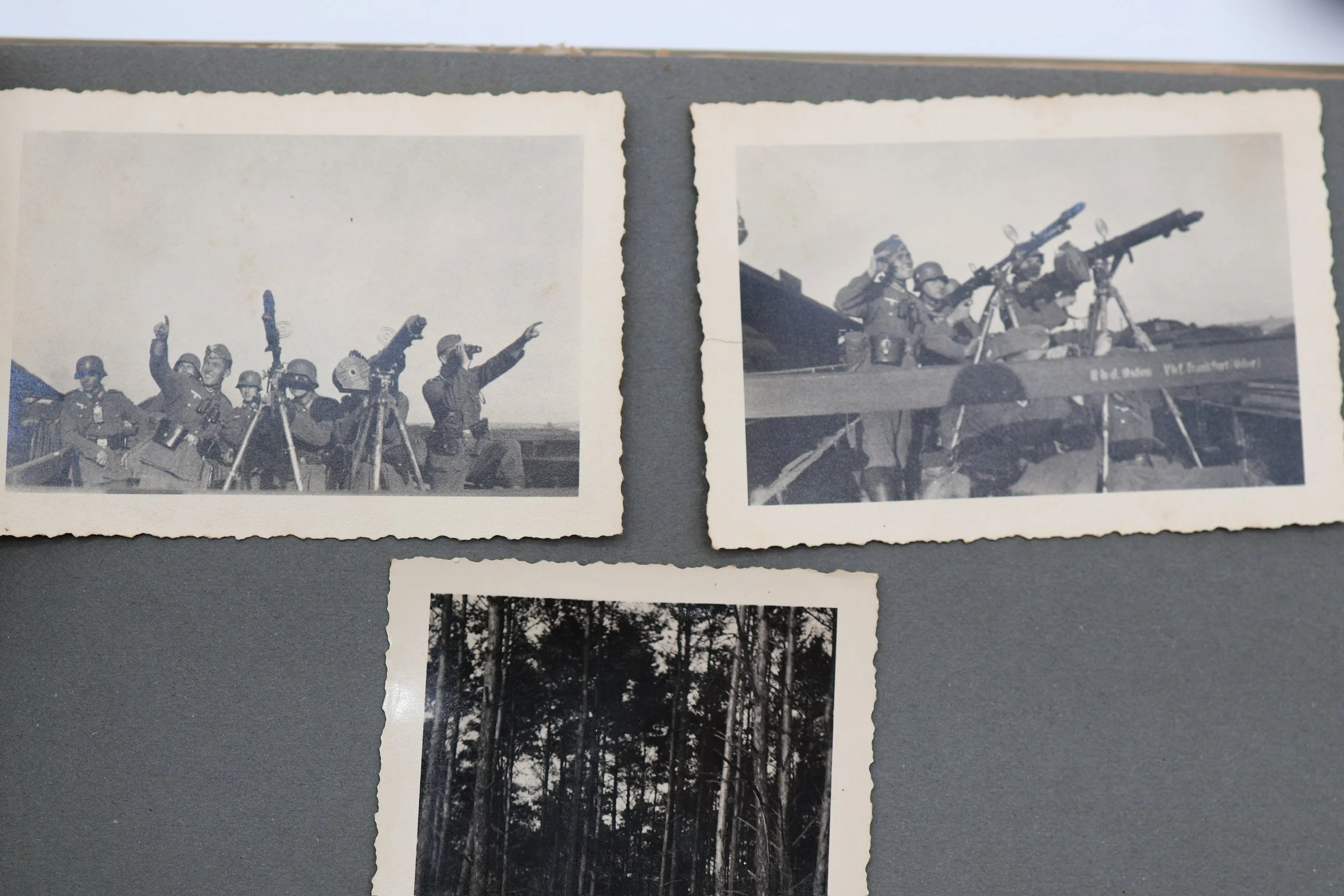
German Photo Album of Stabsgefreiter Willi Hellmig, 9th Grenadiers, 121st Regiment
This German wartime photo album belonged to Stabsgefreiter Willi Hellmig of the 9th Grenadiers, 121st Regiment. Born on 14 June 1915 in Marienburg, Hellmig served during World War II and was wounded in December 1943. He was reported missing in action on 29 February 1944 near Tiraspol, north of Odessa, during fighting on the Eastern Front.
The album contains period photographs and handwritten inscriptions documenting Hellmig’s service, including time in the Reichsarbeitsdienst, military training, and active-duty service. The album was discovered in the estate of an elderly German woman in South Carolina, and remained undisturbed for decades before being preserved.