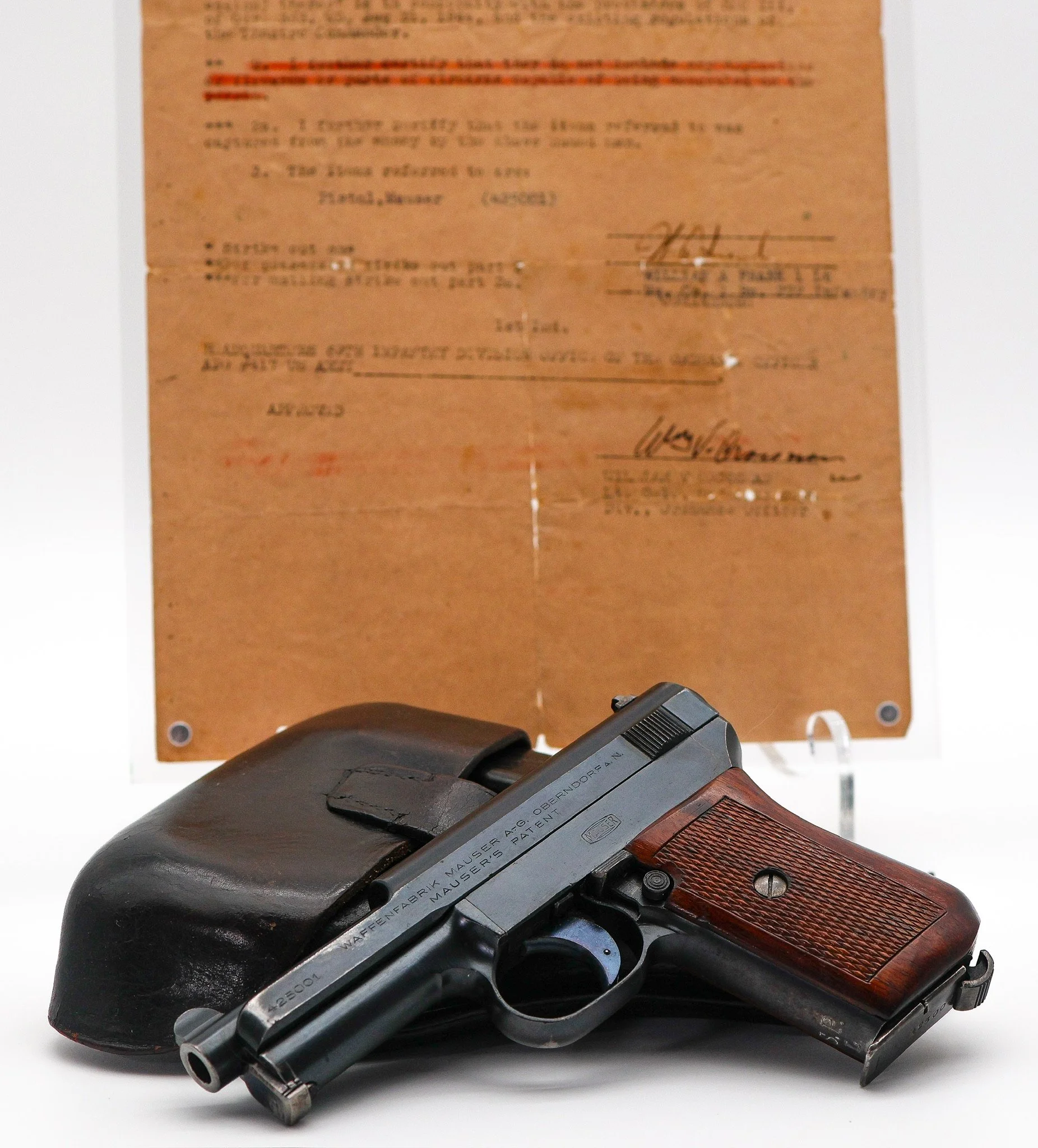
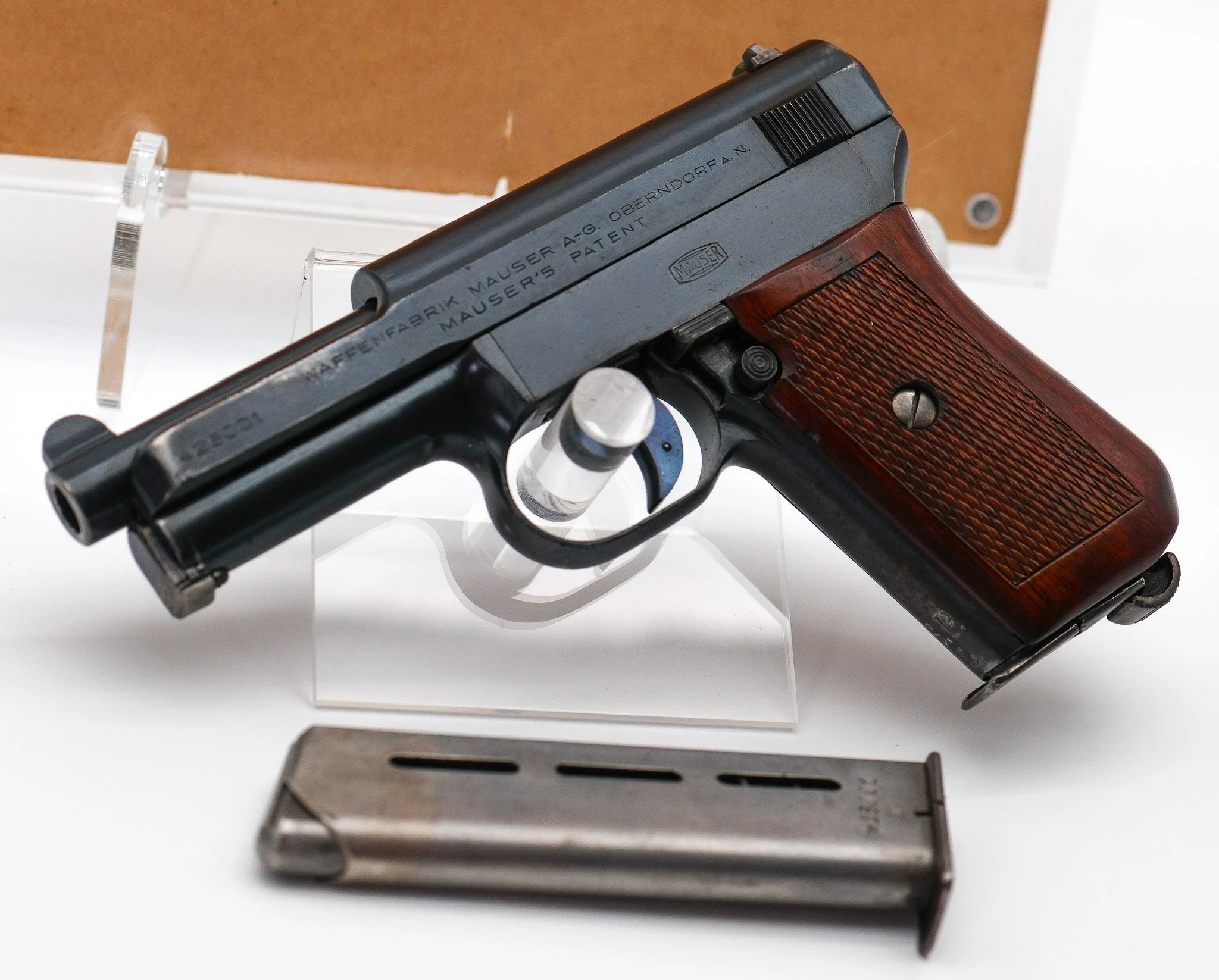
German Mauser Model 1914 Pistol with Capture Papers, Leipzig 1945
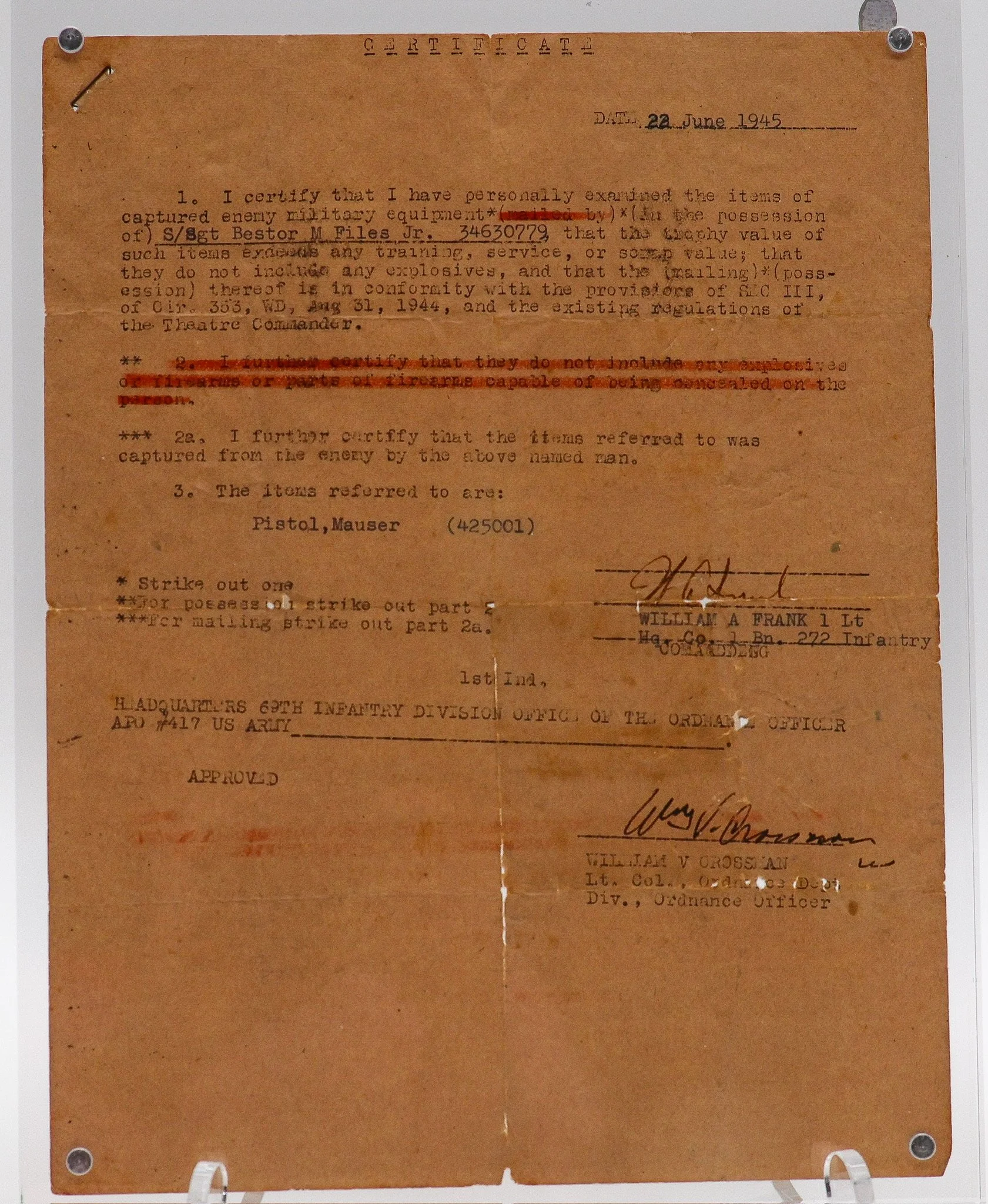
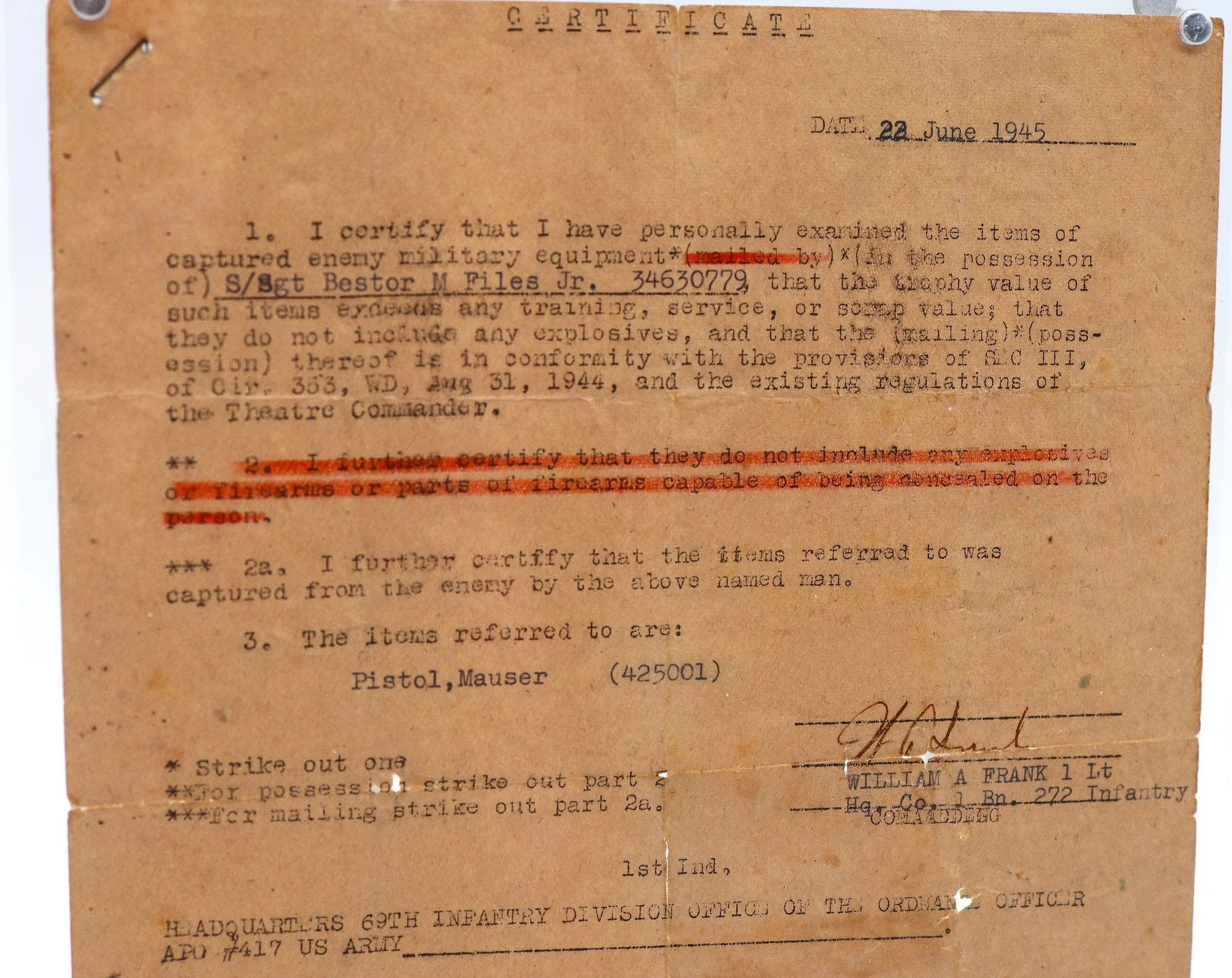
This German Mauser Model 1914 pistol was captured in Leipzig, Germany, in April 1945 by a soldier of the U.S. 69th Infantry Division. Official U.S. capture papers dated 22 June 1945 accompany the pistol and document its removal during the final weeks of World War II. The 69th Infantry Division entered Leipzig in mid-April 1945 following heavy urban fighting and formally secured the city on 20 April 1945.
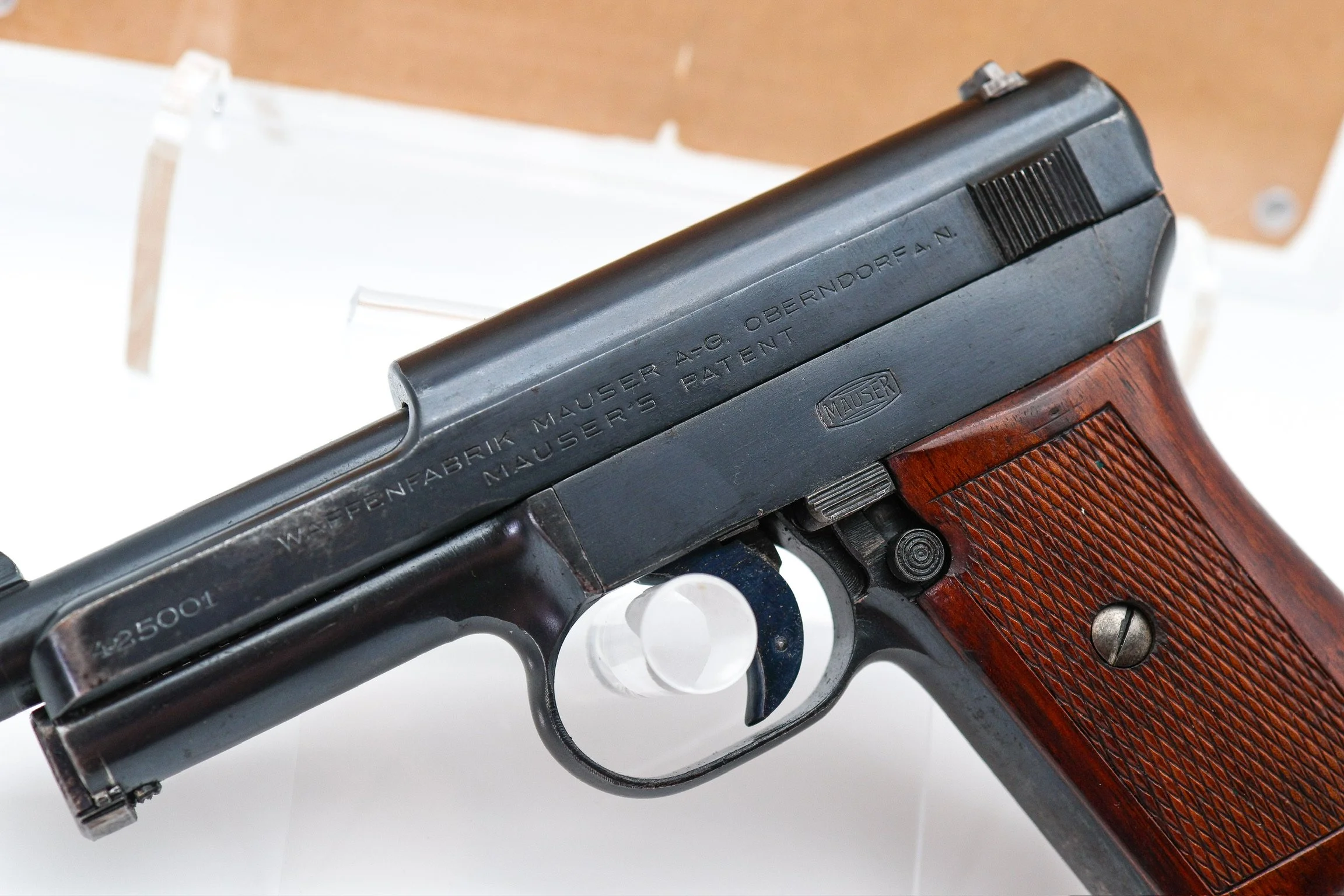
The pistol, serial number 425001, was manufactured in 1928 and is documented on page 224 of Writ in Steel by Don Maus. It falls within a limited post–World War I production range and is noted as the earliest recorded example bearing the “late war” two-line address marking. The pistol is additionally marked for use by the Leipzig police, reflecting its pre-capture service history.
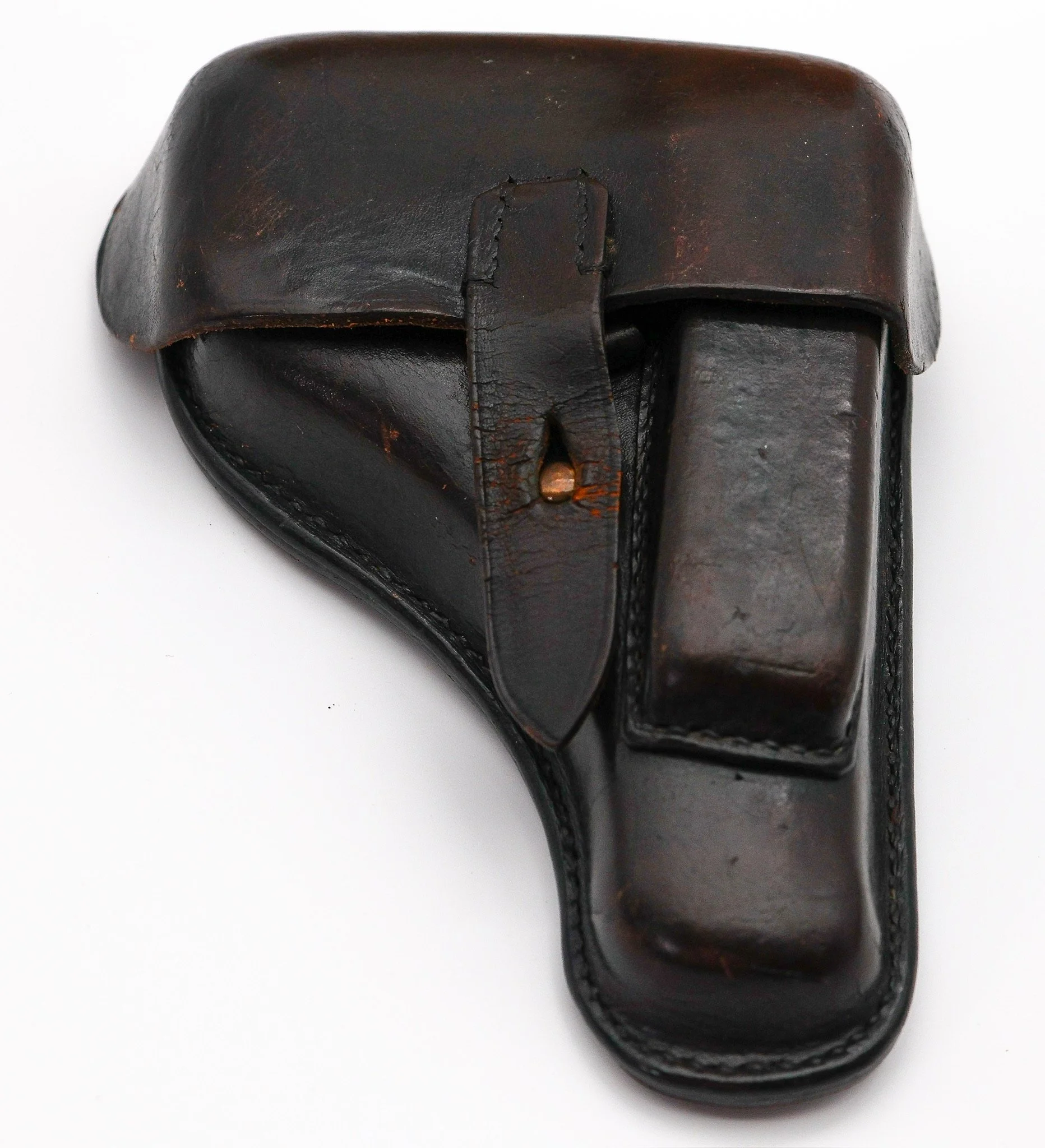
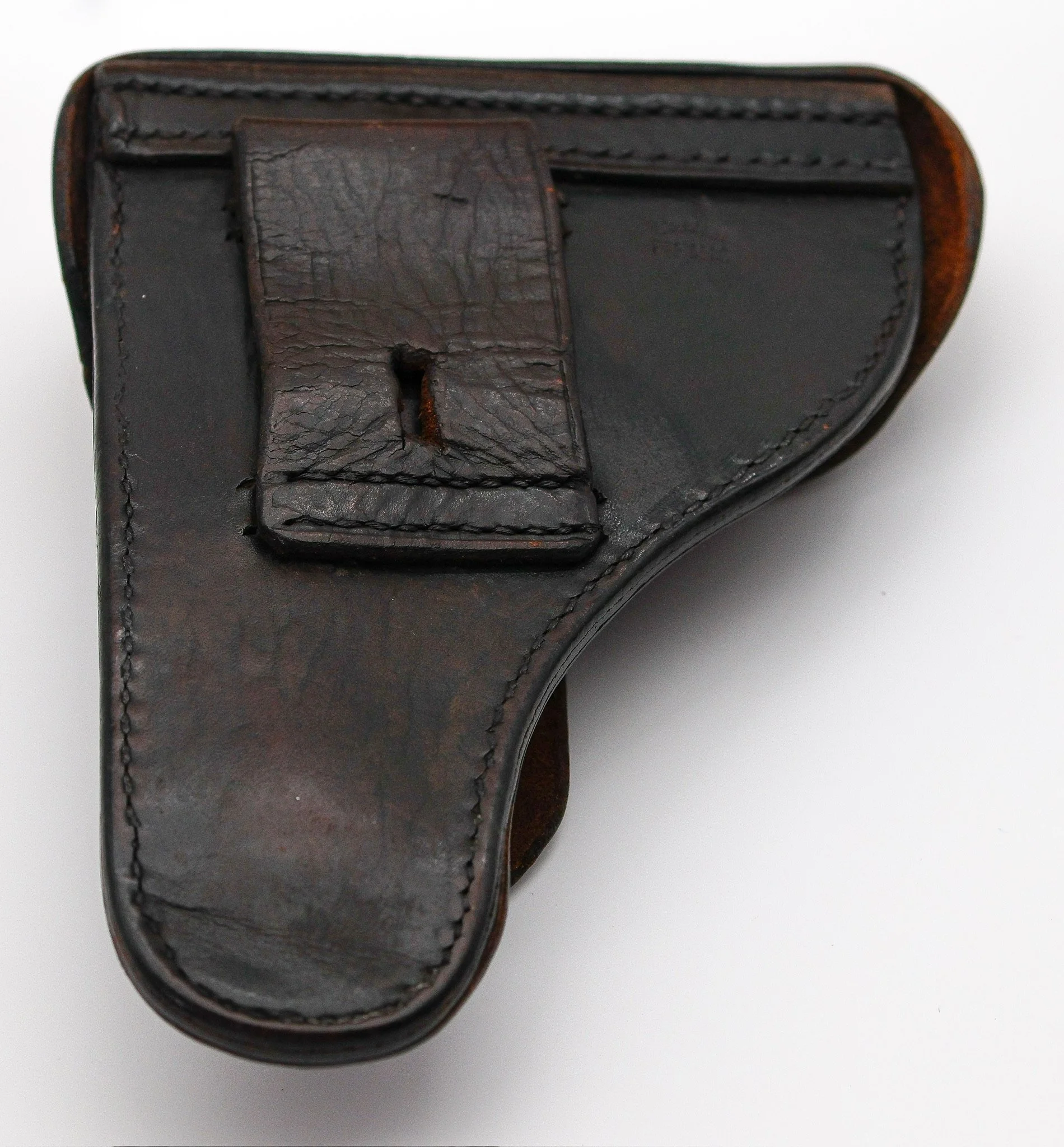
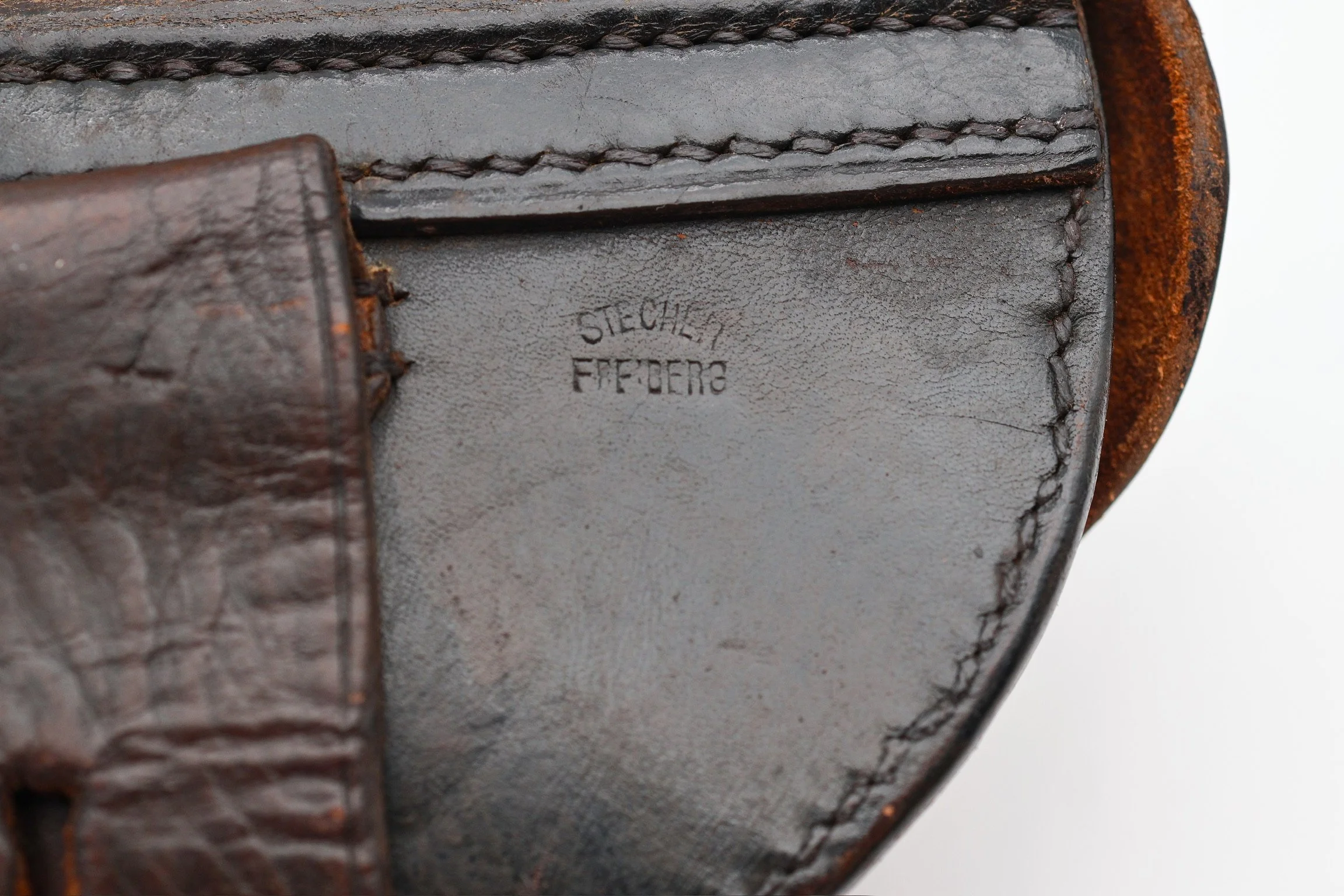
The pistol remains in exceptional condition with all serialized parts matching. It is accompanied by two original matching magazines marked “I” and “II,” as well as its original early hard-shell holster produced by Moritz Stecher Lederwerk of Freiberg. The survival of the pistol, accessories, and capture documentation together provides a complete and well-documented example from the closing days of the European war.
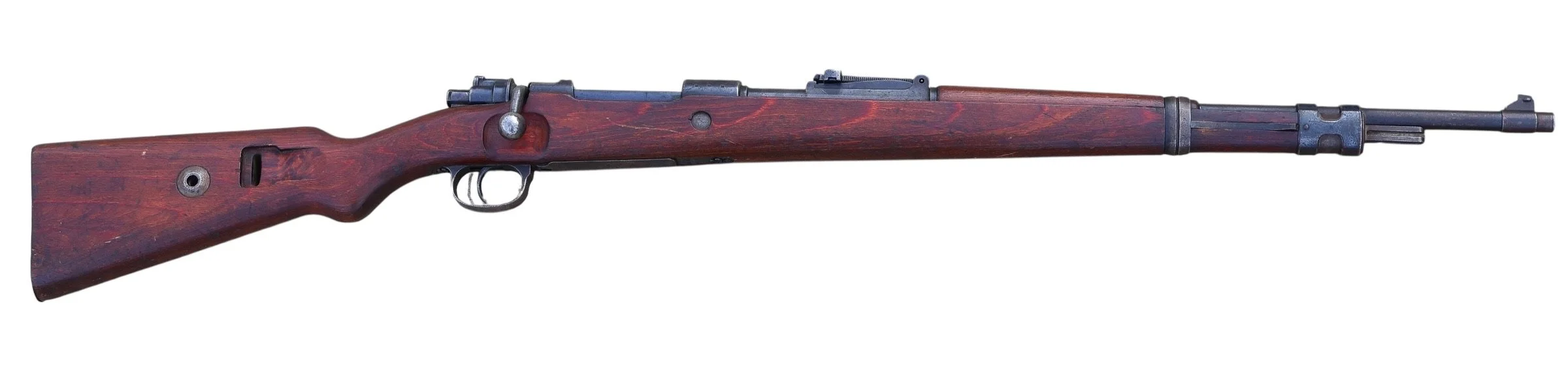
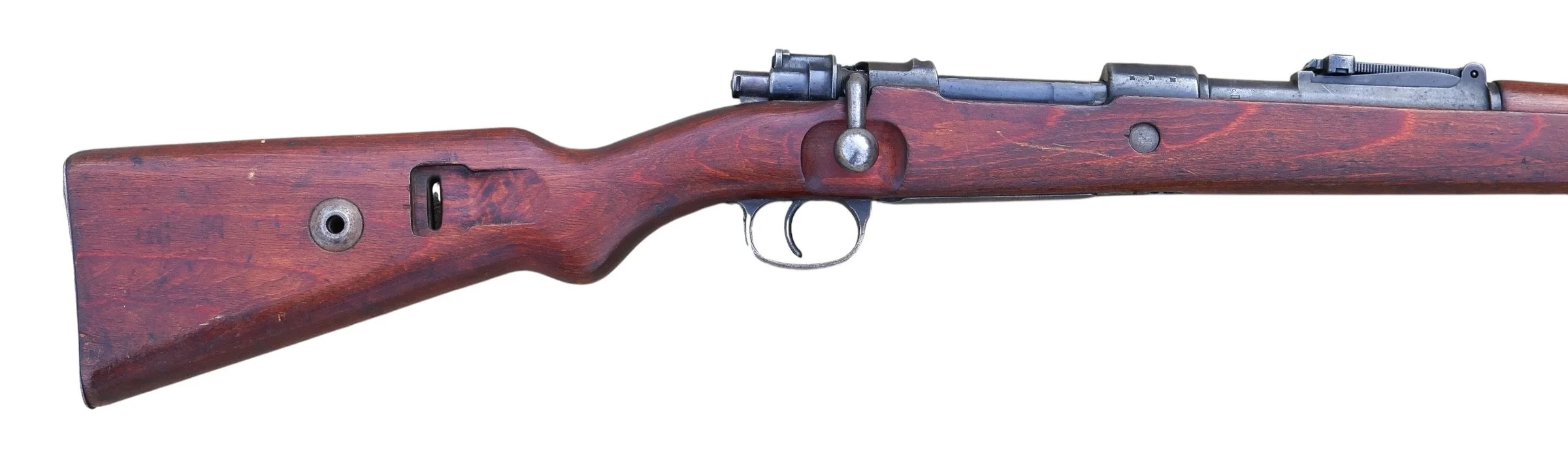
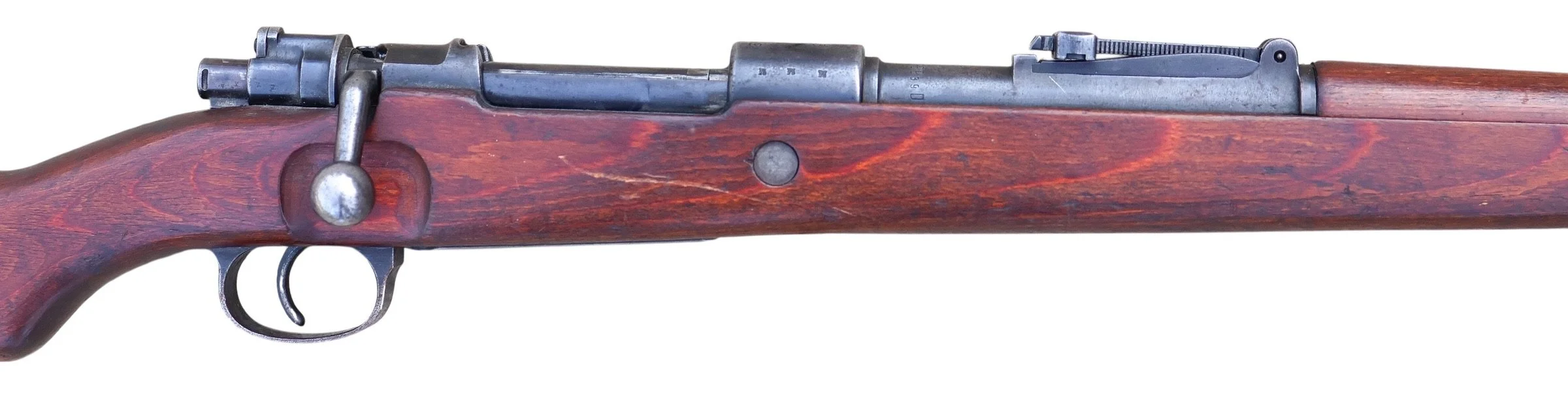
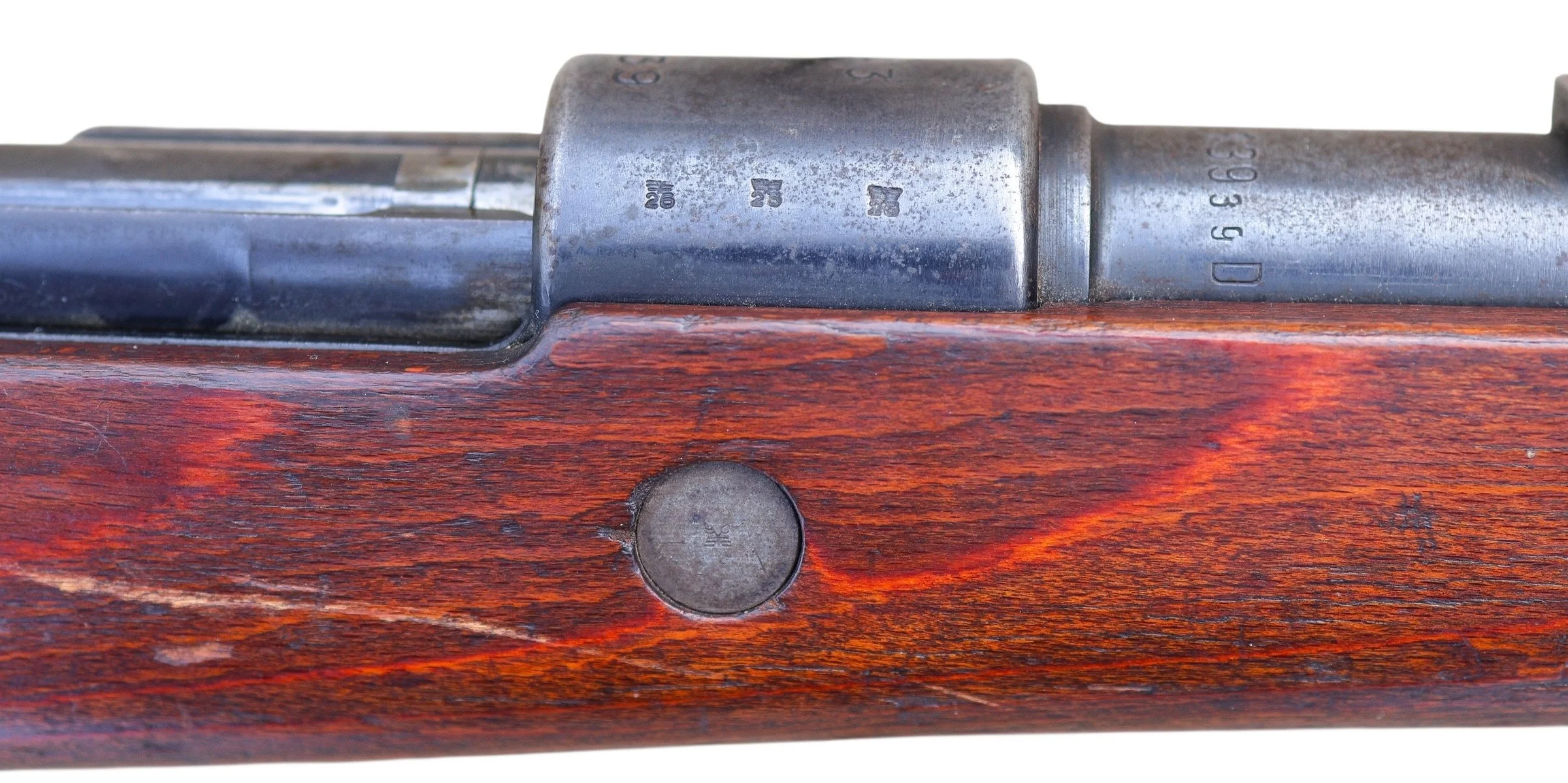
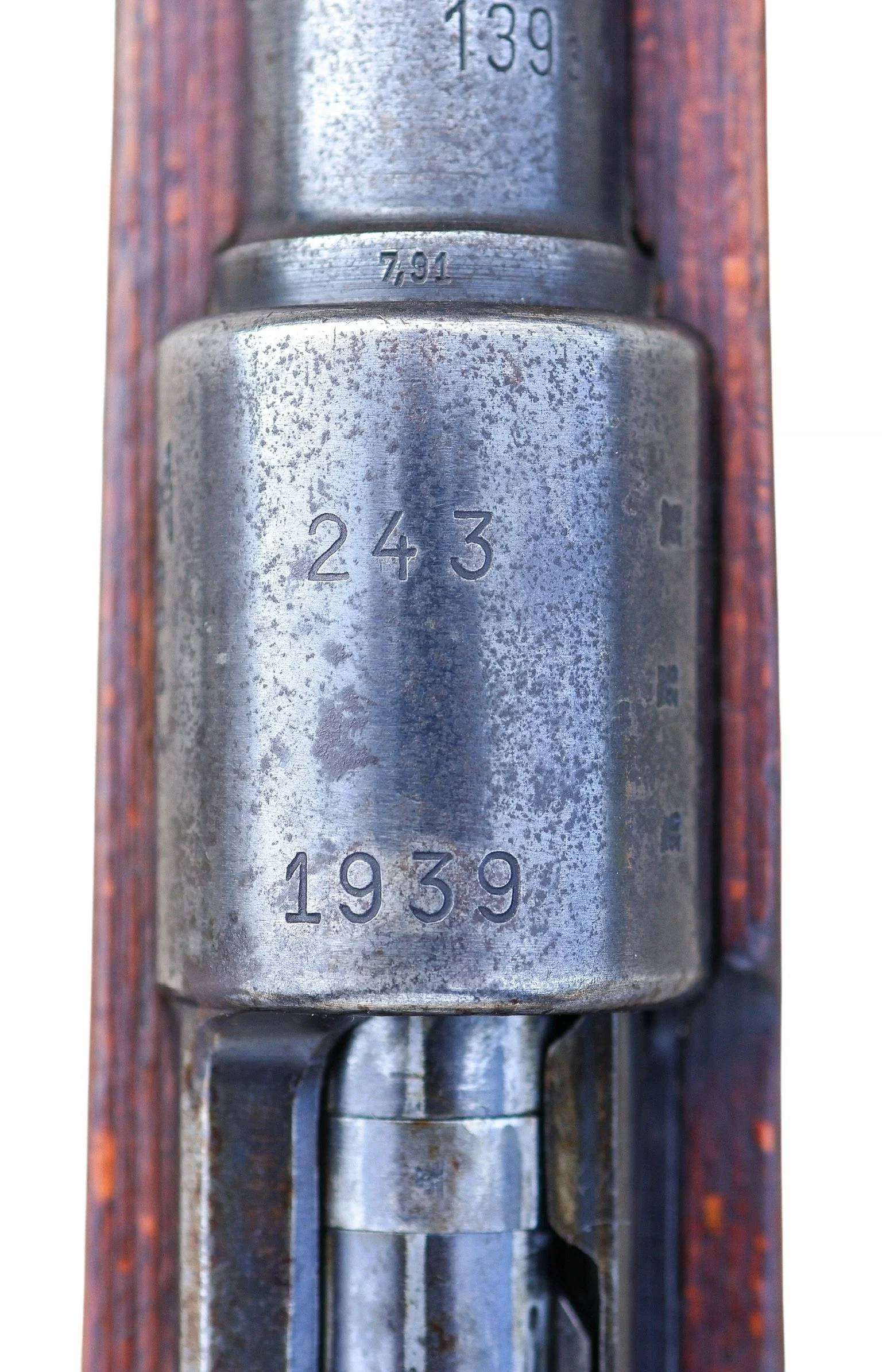
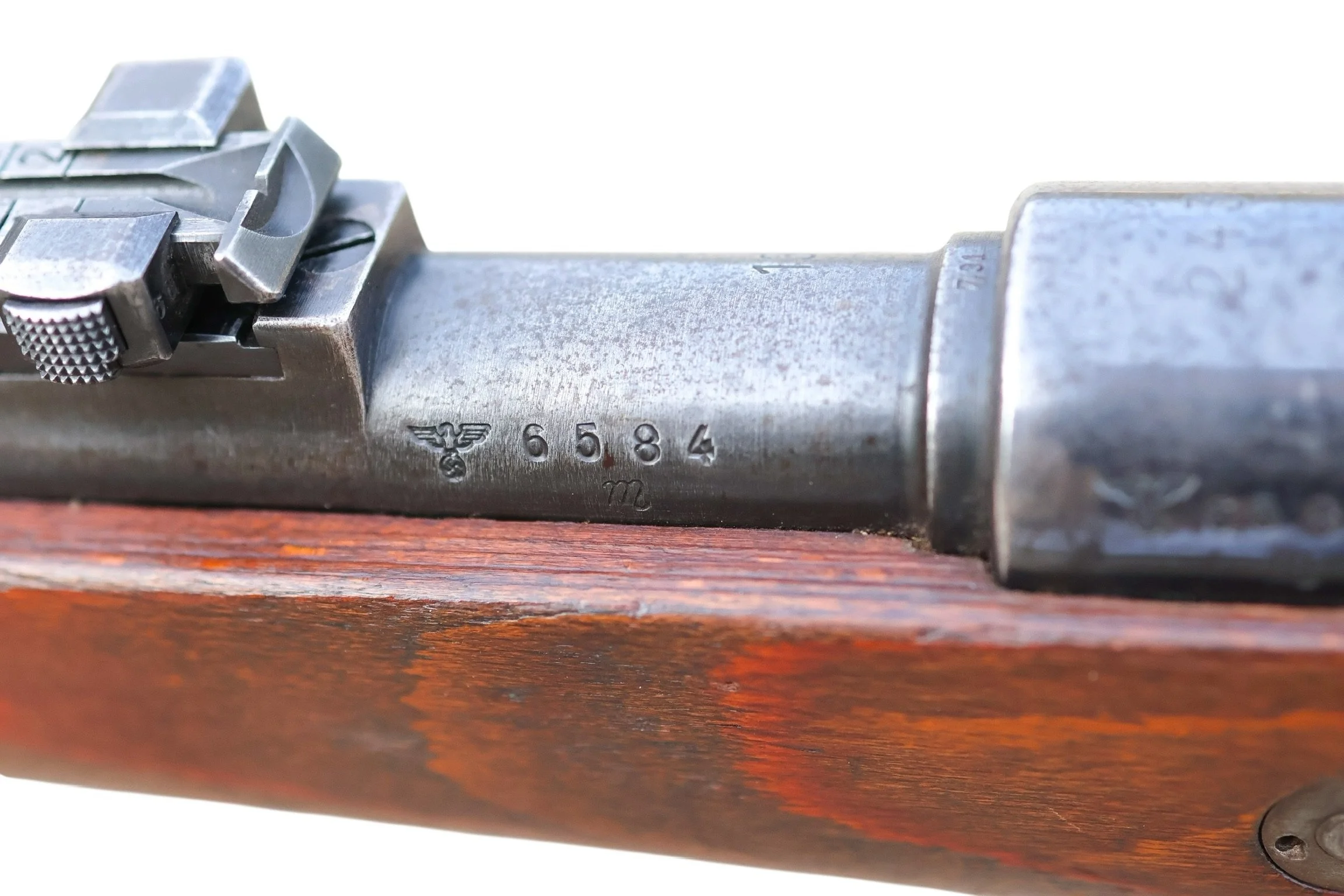
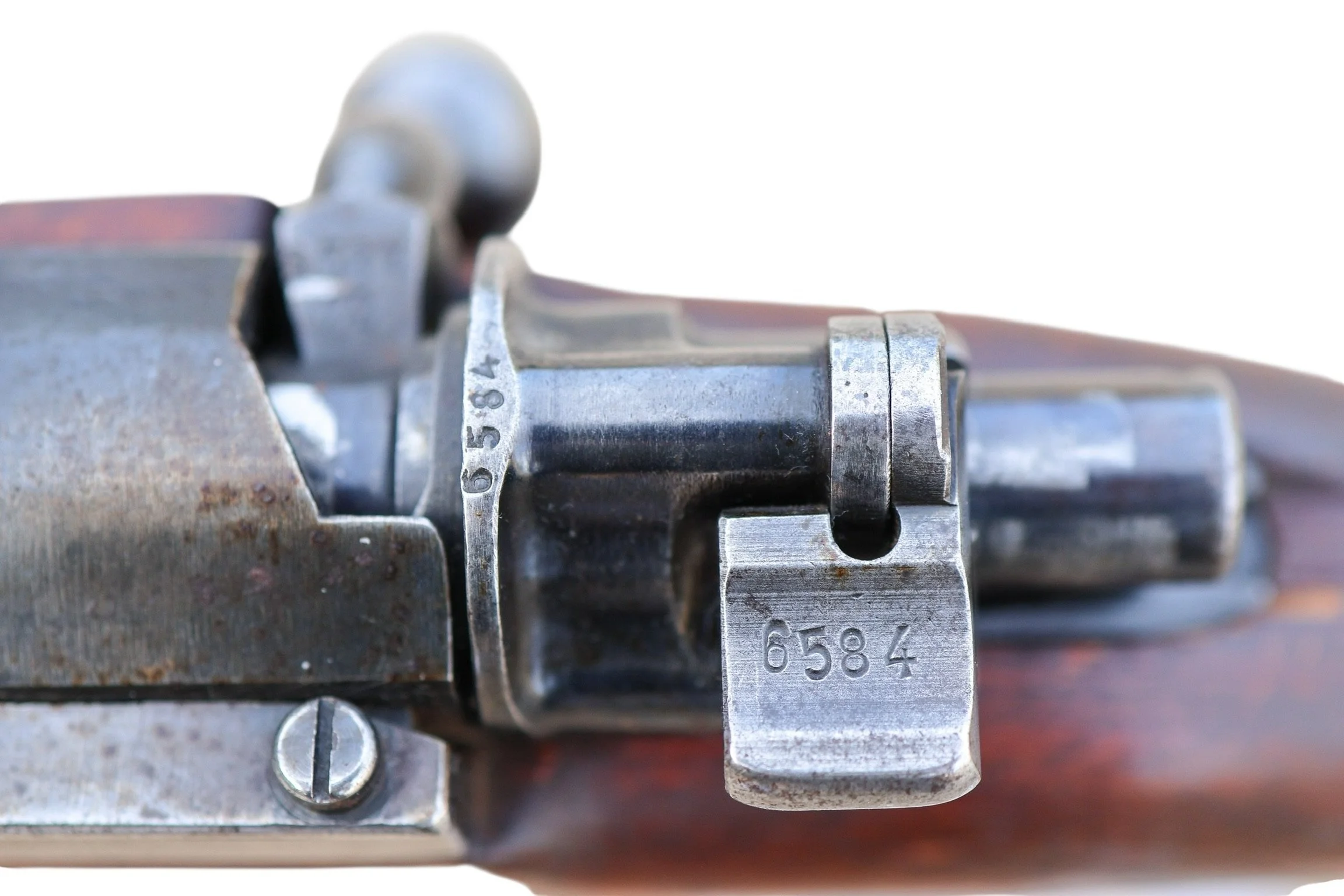
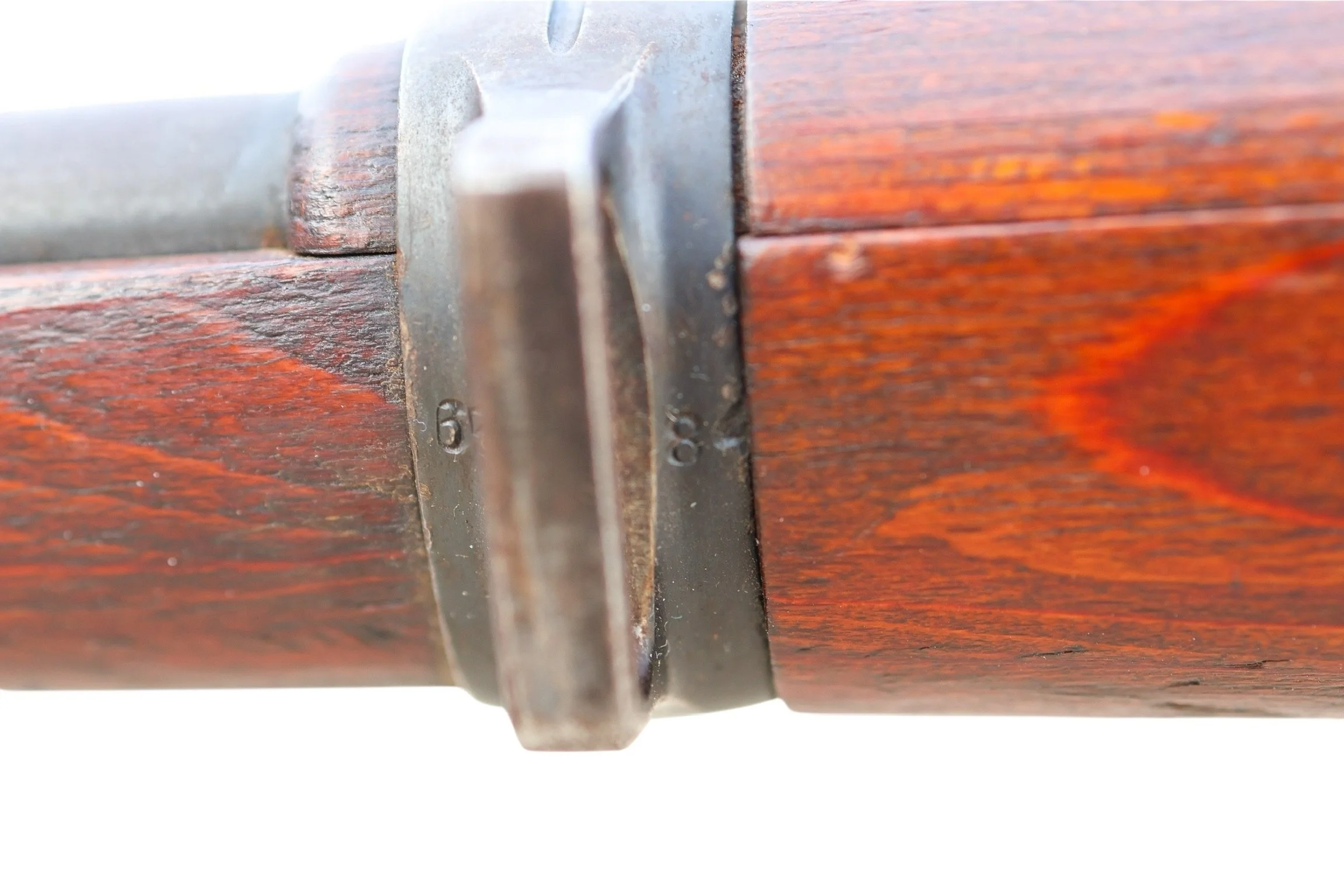
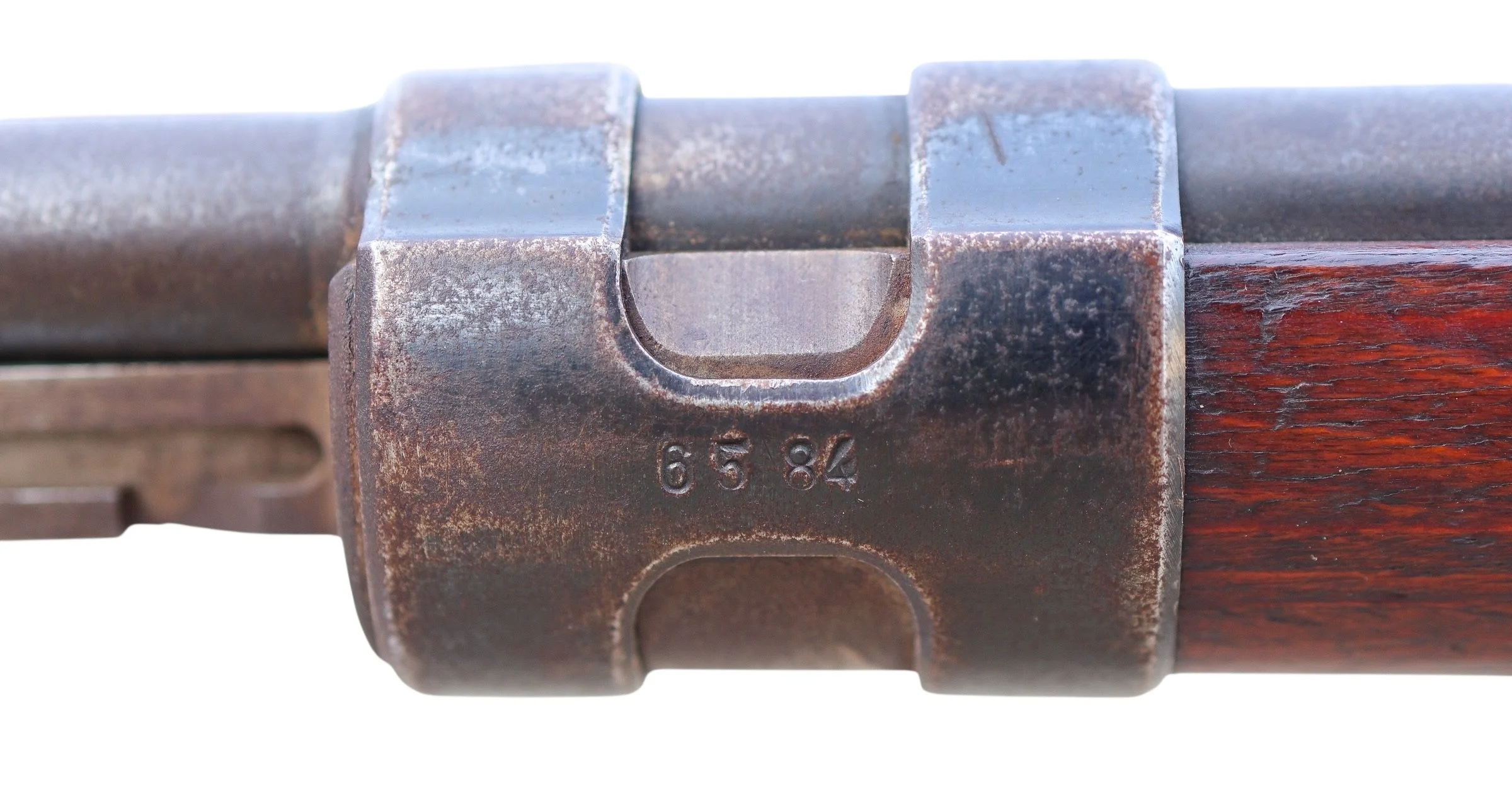
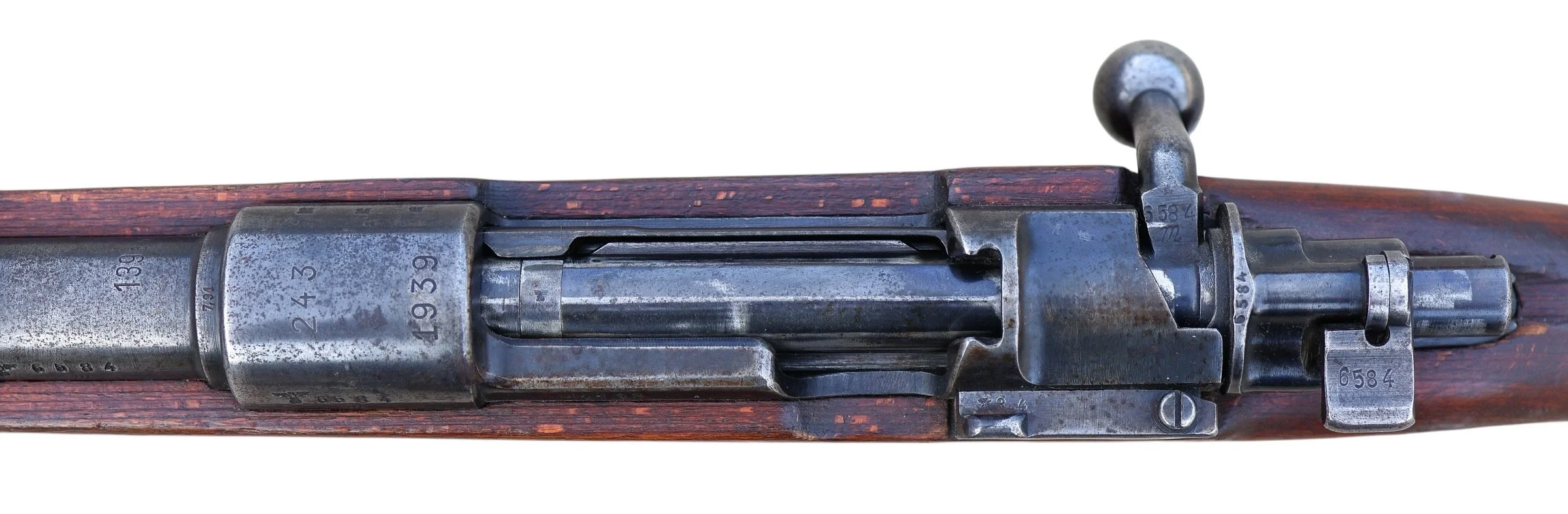
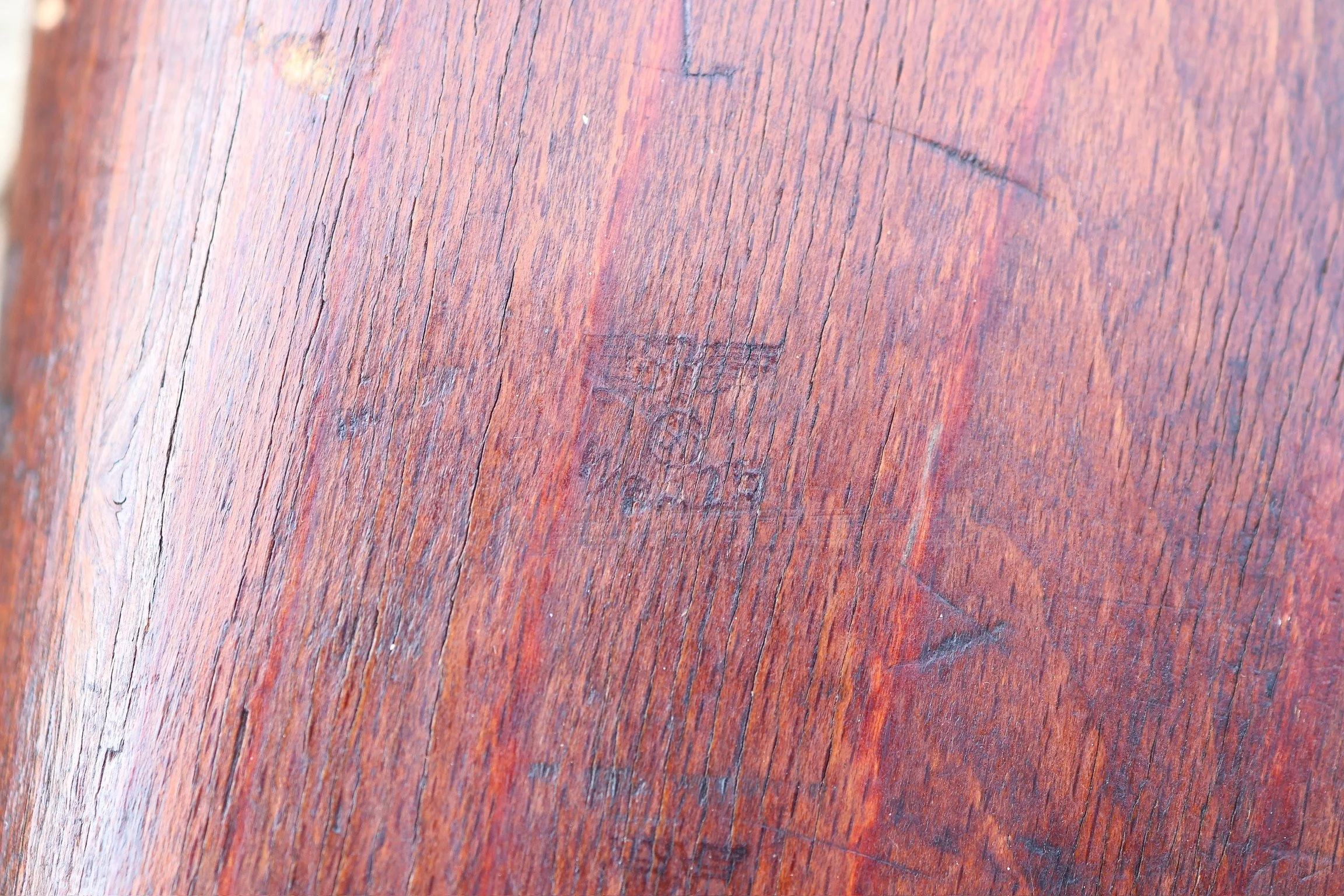
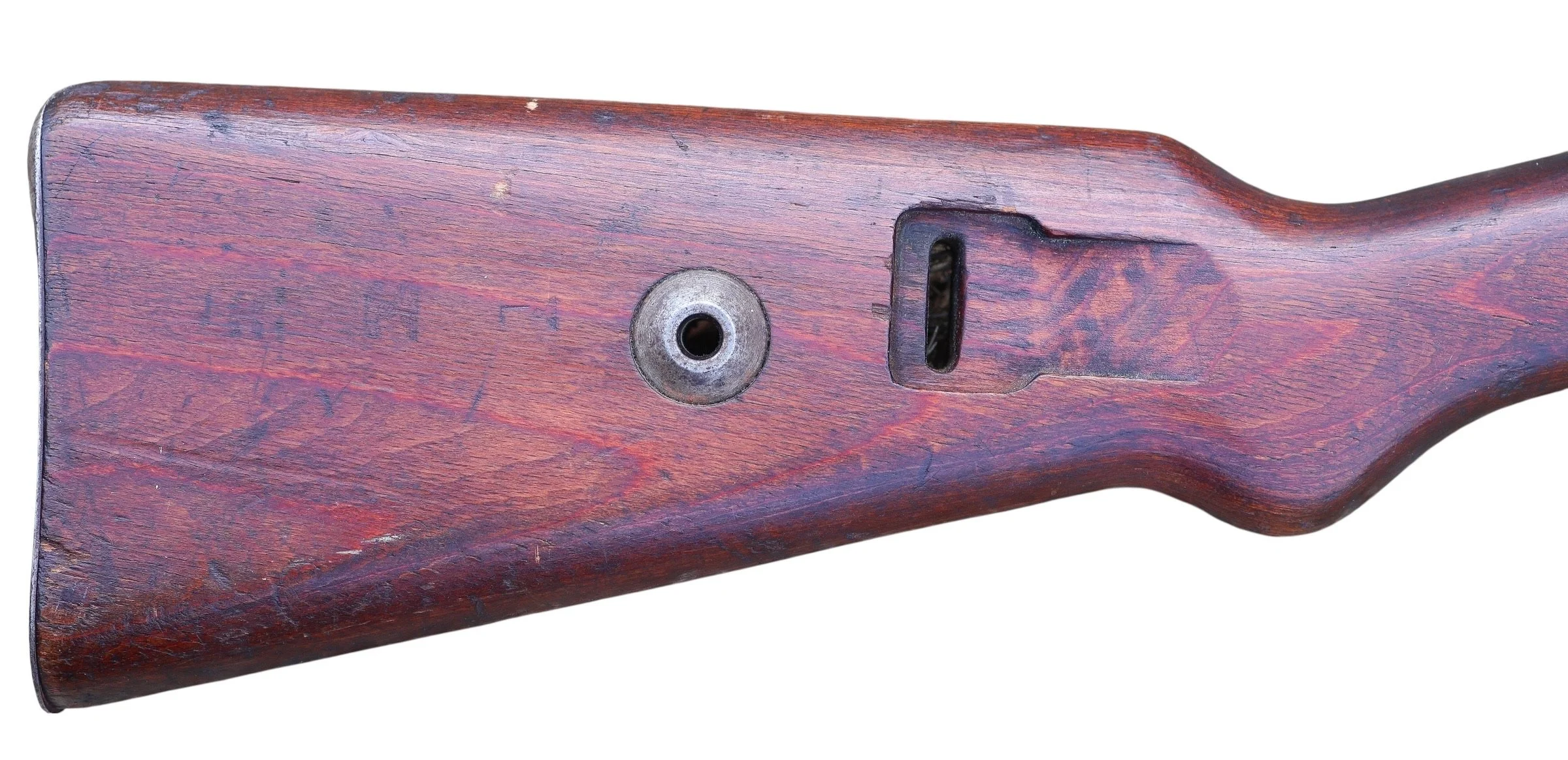
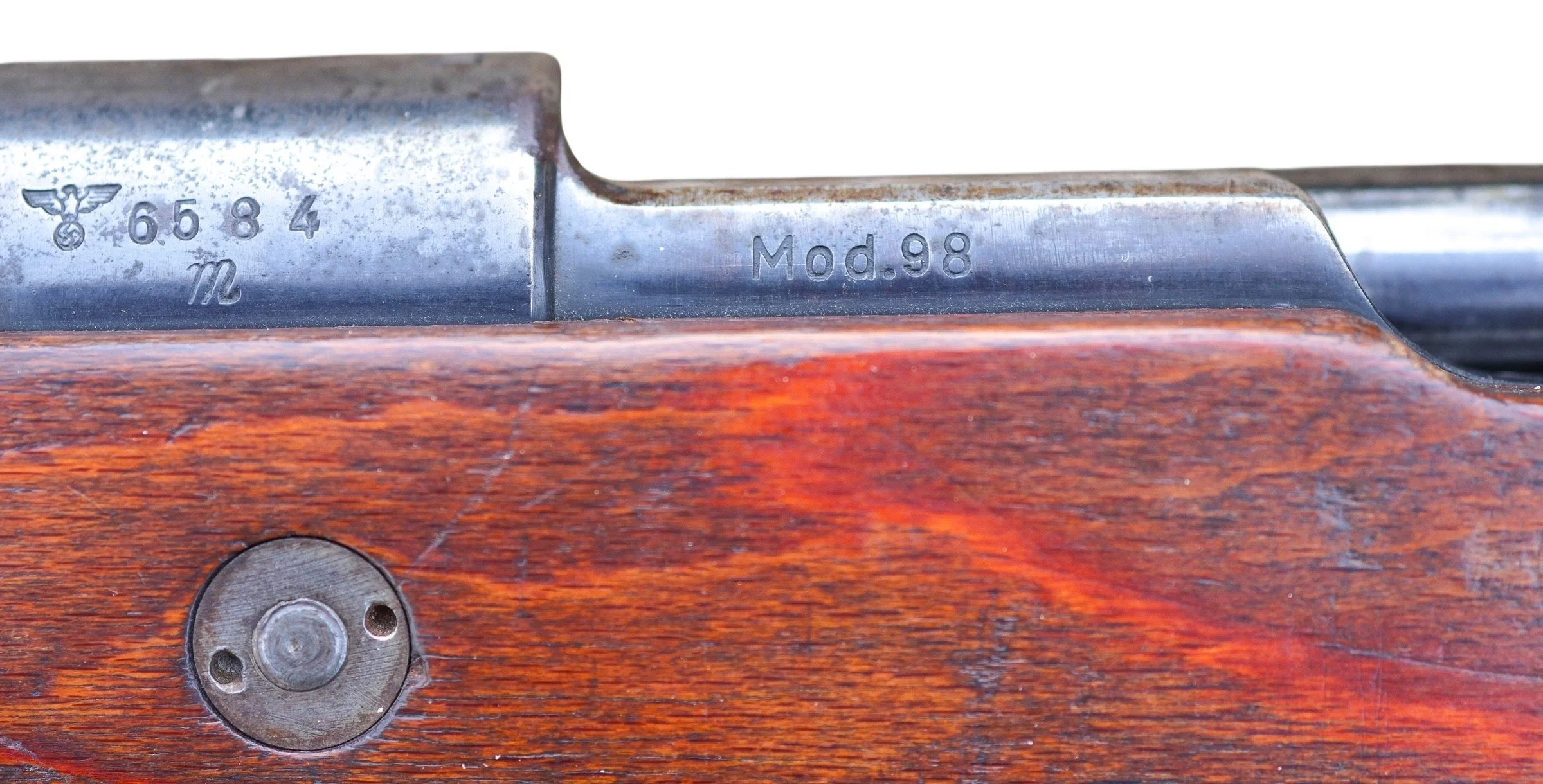
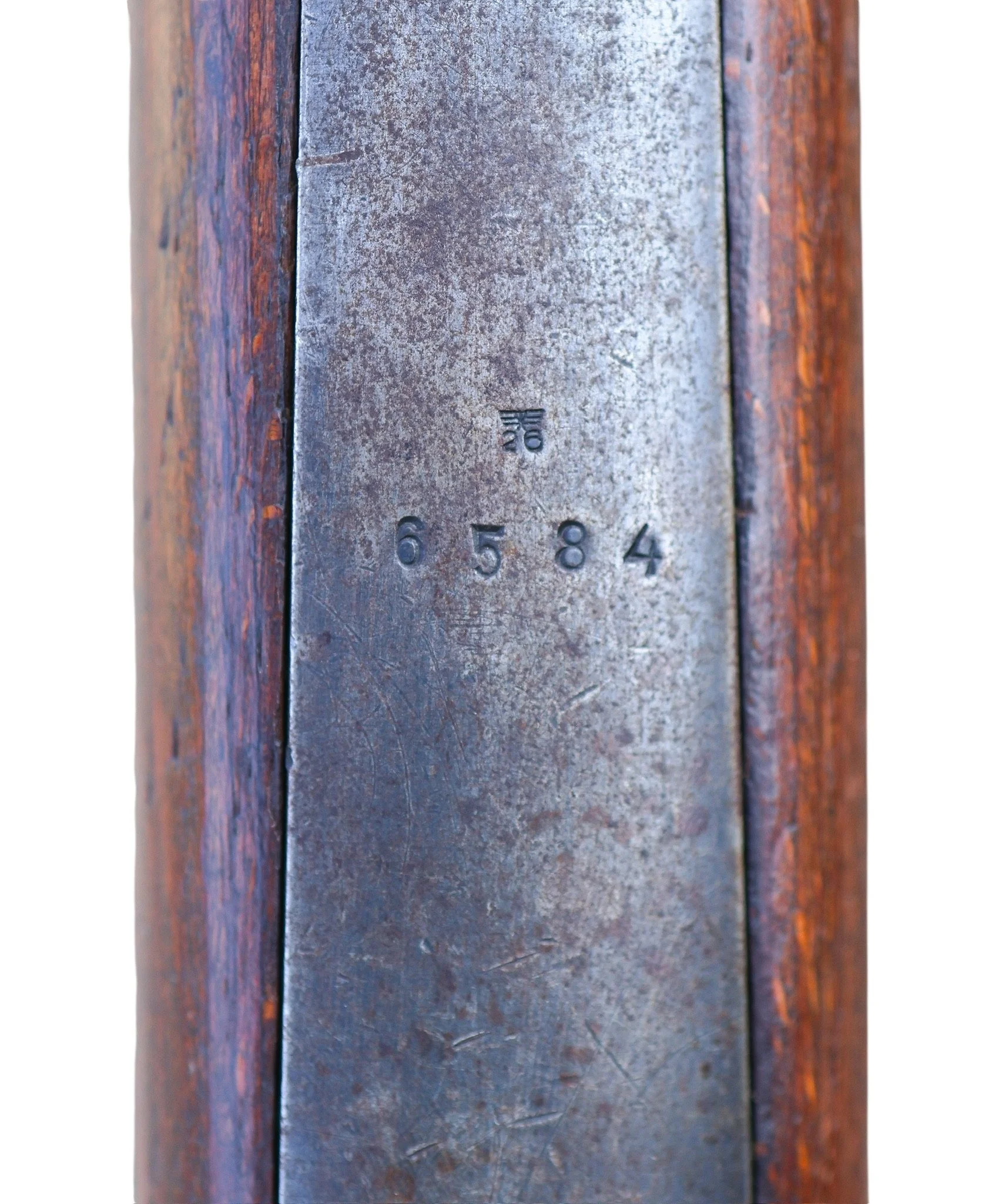
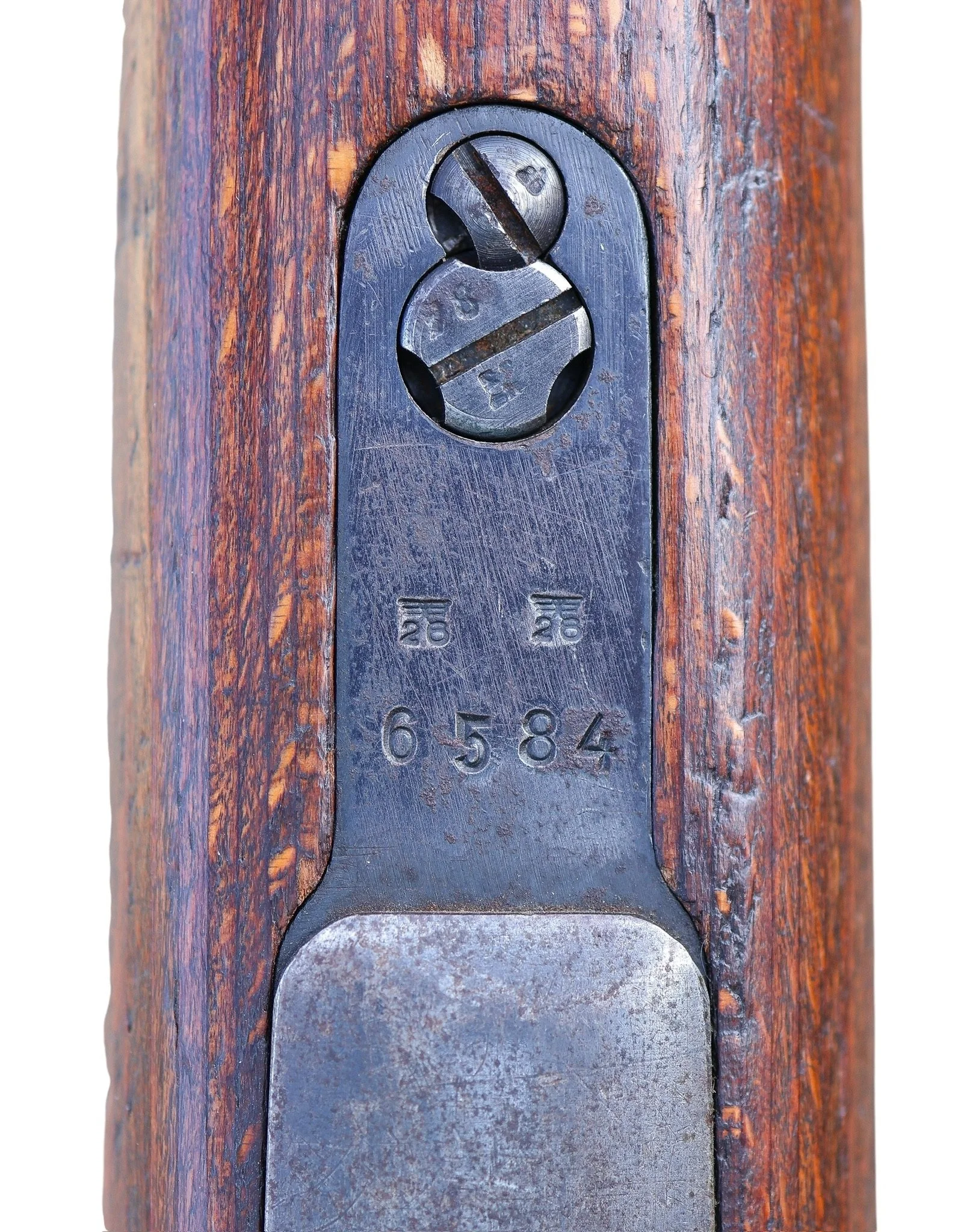
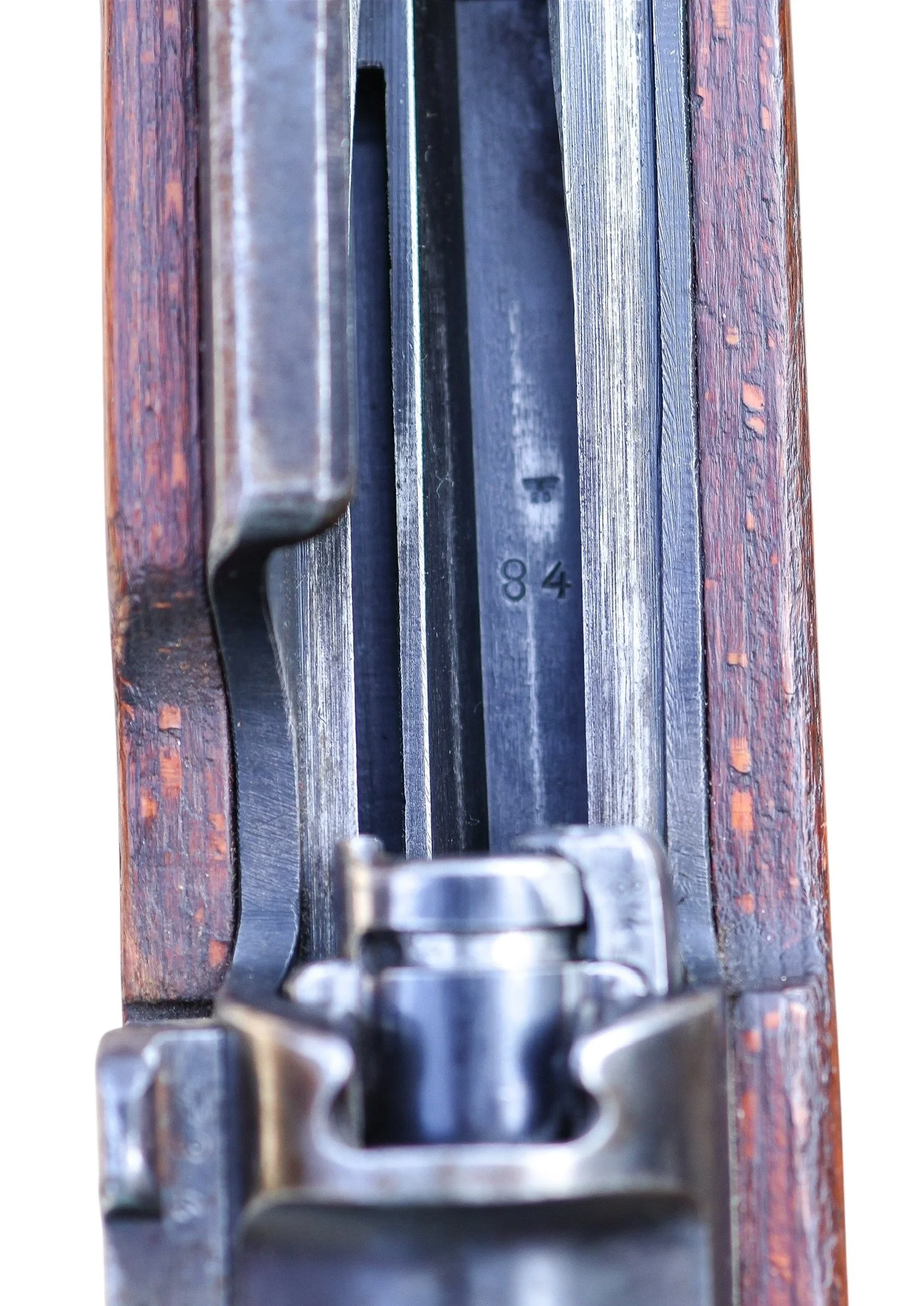
1939 German K98 Mauser – Luftwaffe Marked with Capture Papers
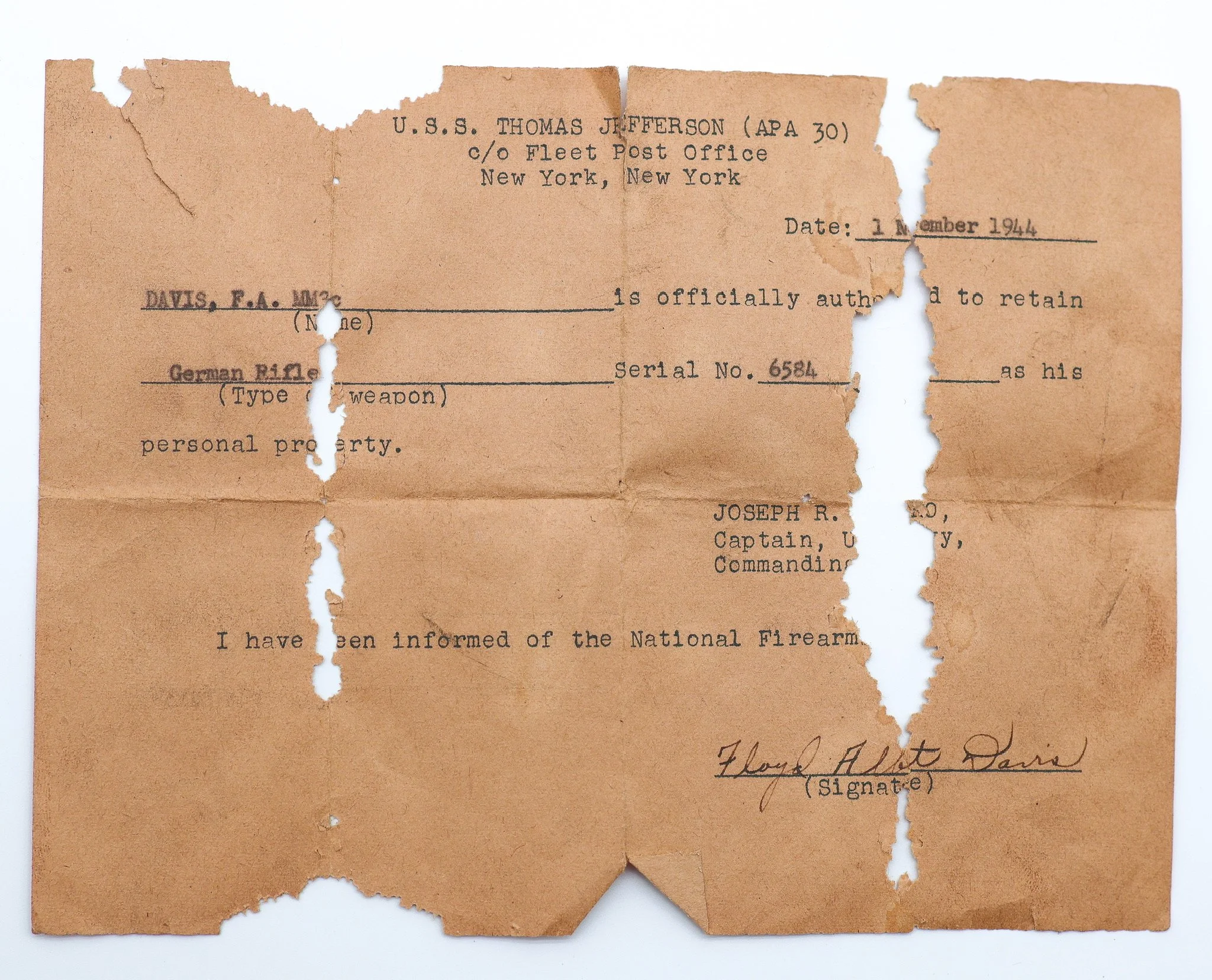
This original 1939-manufactured German K98 Mauser remains in excellent, well-preserved condition with fully matching serial numbers throughout. The rifle bears Luftwaffe acceptance markings on the stock, indicating issue to the German Air Force, likely for use by flak or other Luftwaffe ground personnel.
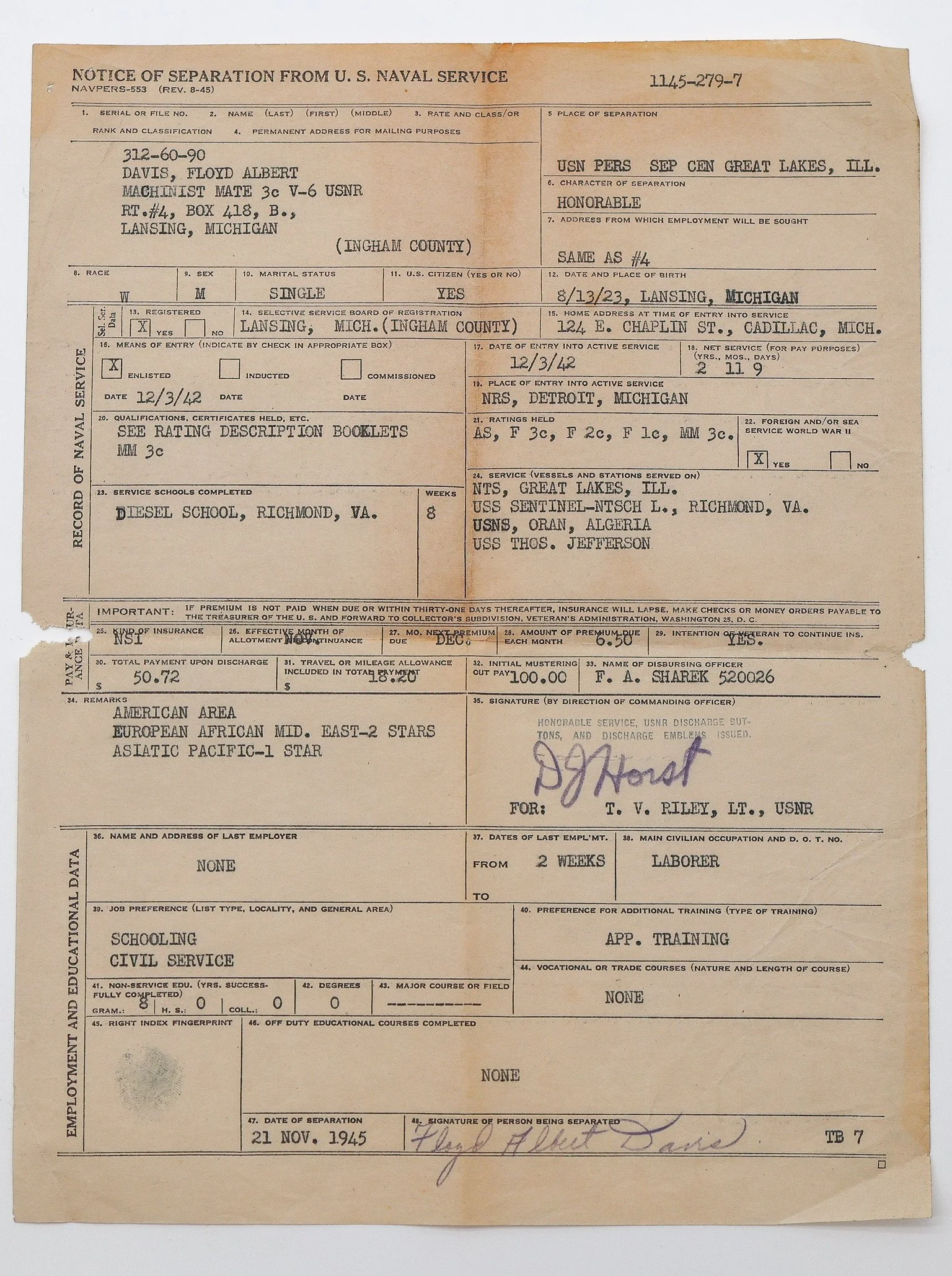
The rifle is accompanied by original U.S. Navy bring-back papers dated November 1, 1944, issued aboard the USS Thomas Jefferson (APA-30). The authorization documents its retention by Floyd Albert Davis, Machinist’s Mate 3rd Class (MM3c), U.S. Navy Reserve.
Floyd Albert Davis was born on August 13, 1923, in Lansing, Michigan, and enlisted in the U.S. Navy Reserve on December 3, 1942, in Detroit. He served nearly three years on active duty and was honorably discharged on November 21, 1945. During the war, he served aboard the USS Thomas Jefferson, an attack transport involved in major amphibious operations in the European Theater. In 1944, the ship participated in Allied landings connected to both the Normandy campaign and the invasion of Southern France (Operation Dragoon). With bring-back papers dated November 1944, the rifle was almost certainly obtained in connection with Allied operations in France and transported back aboard the Thomas Jefferson.
This documented bring-back rifle was acquired from the son of Floyd Albert Davis and is now preserved within the Artifacts of Valor collection.
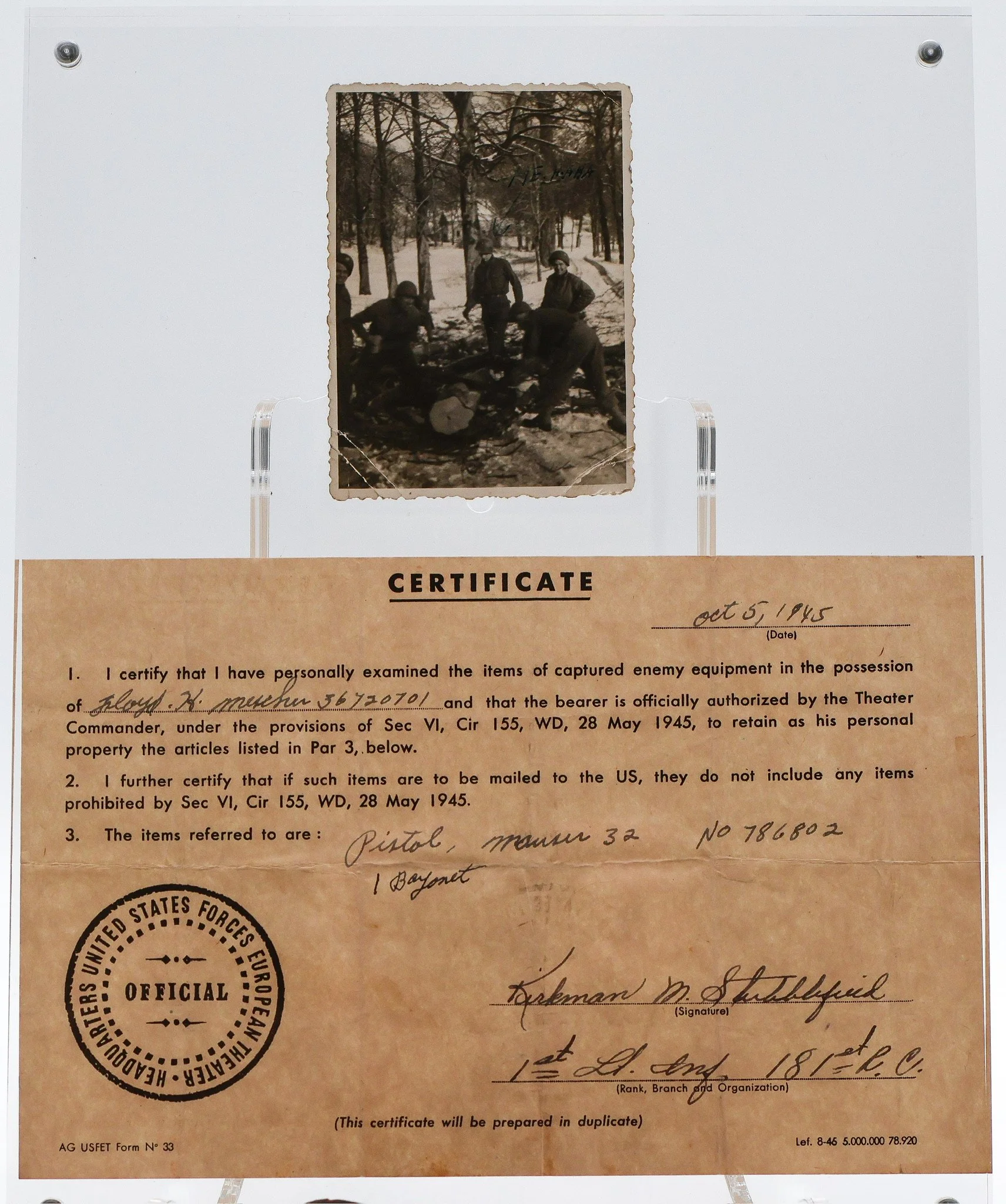
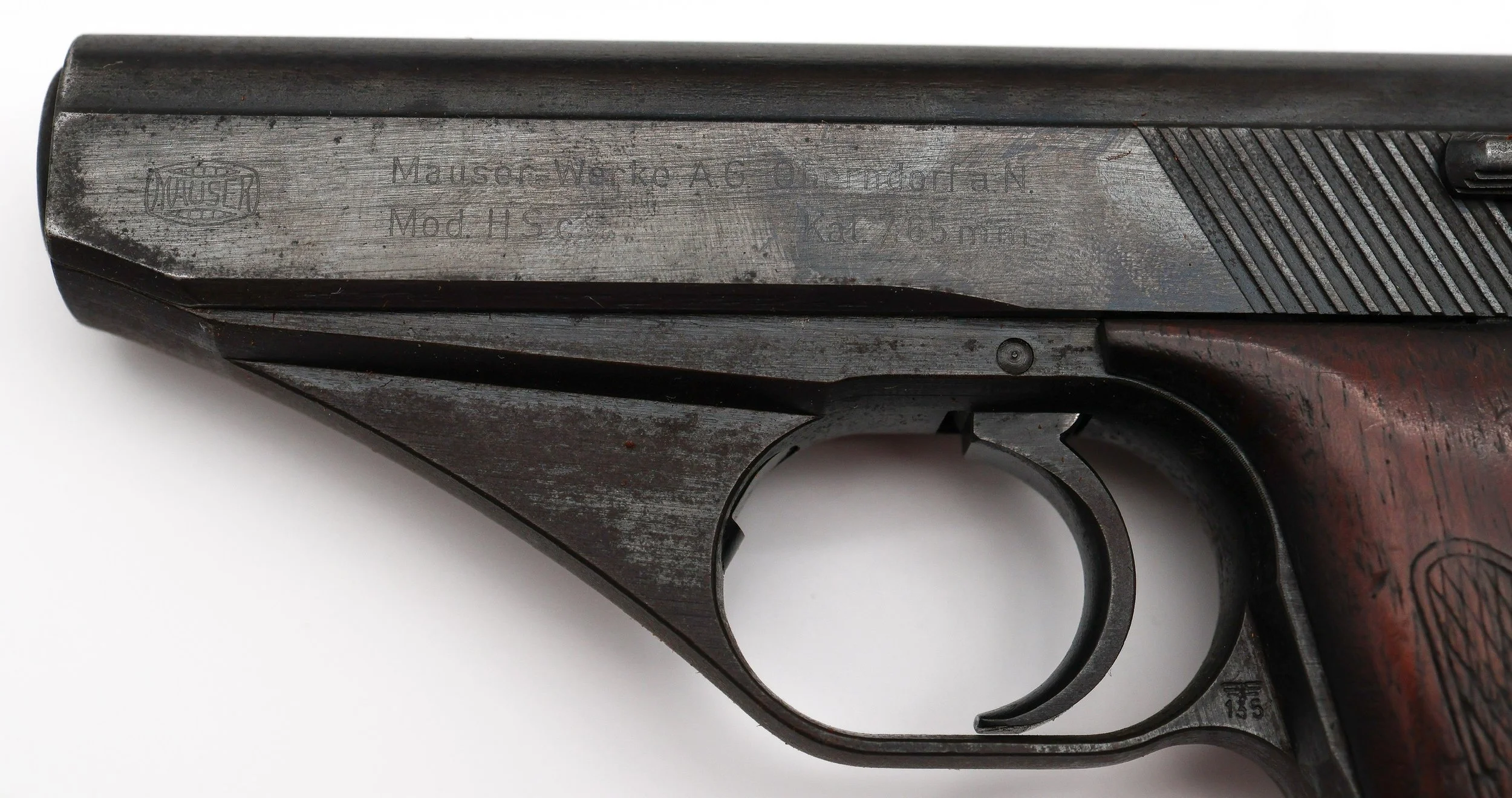
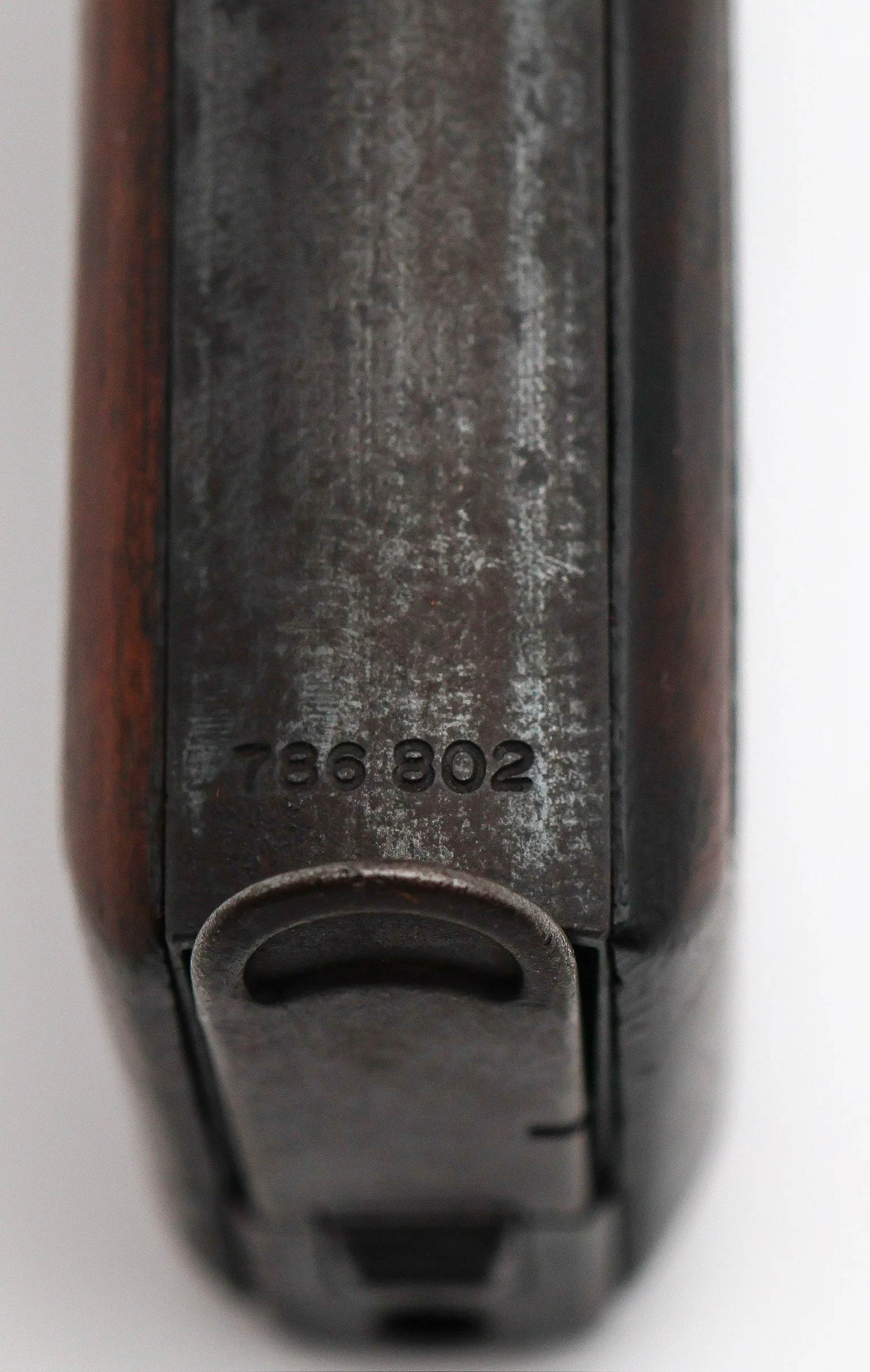
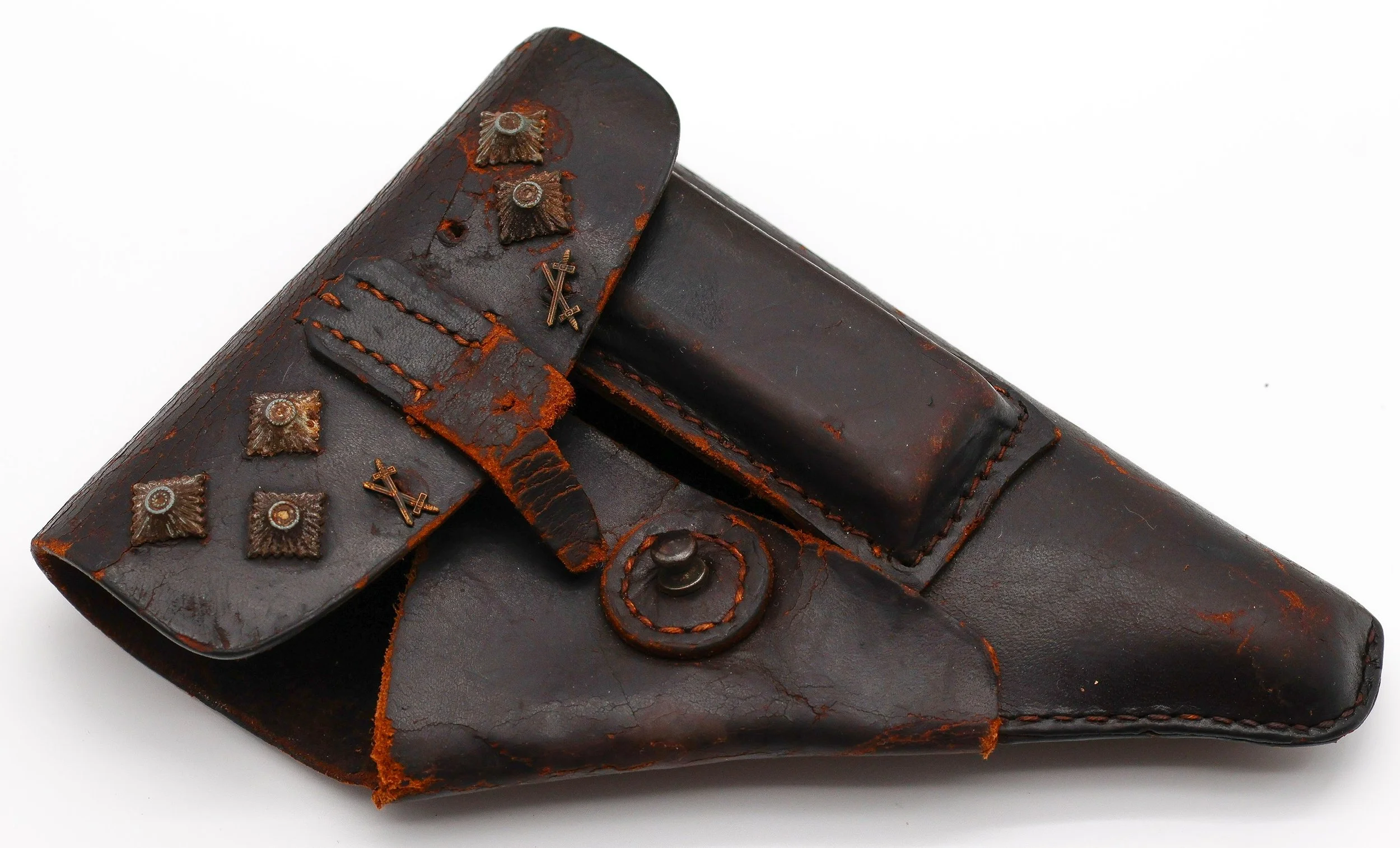
Mauser HSc Pistol with Capture Papers, Holster, and Photograph
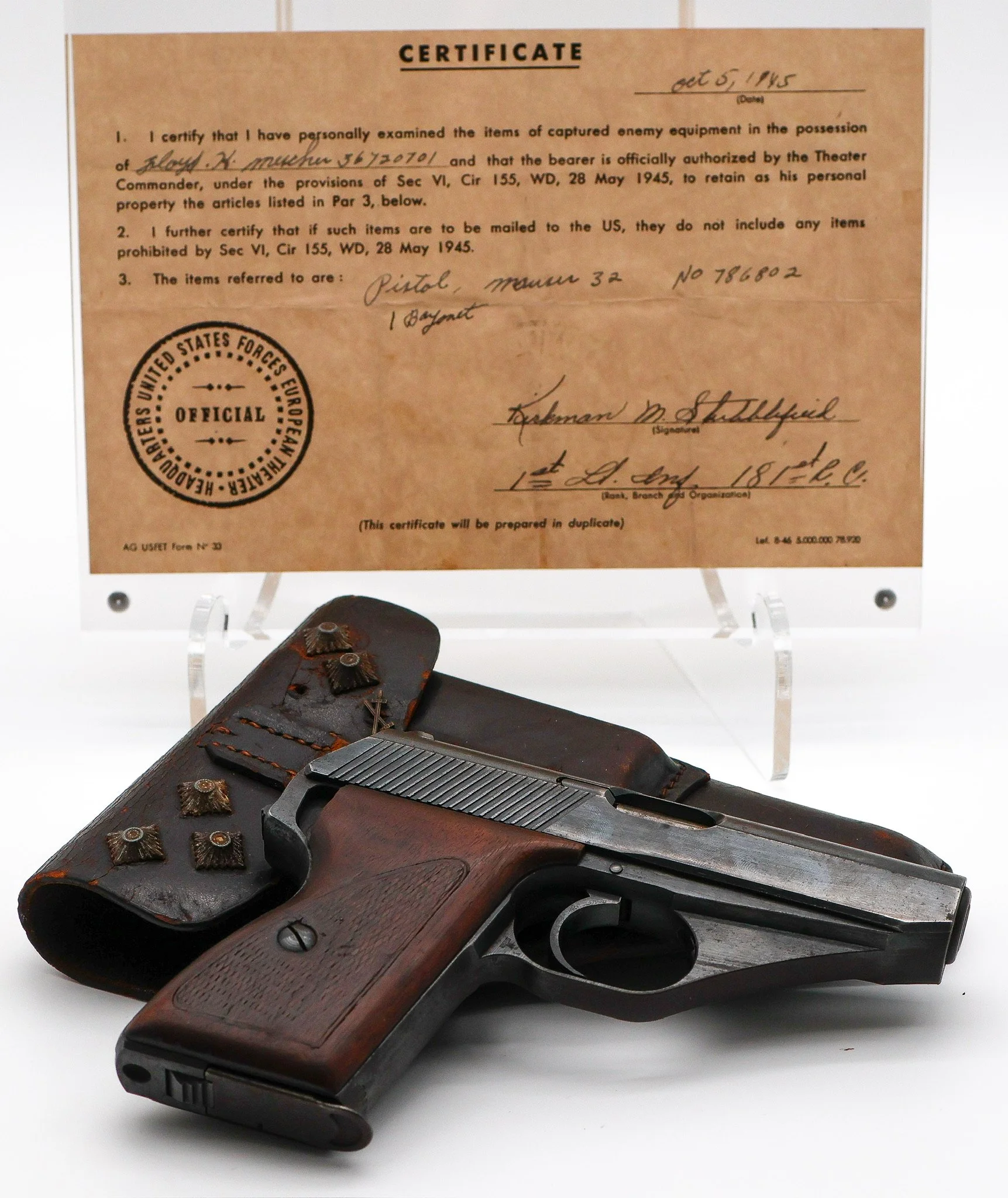
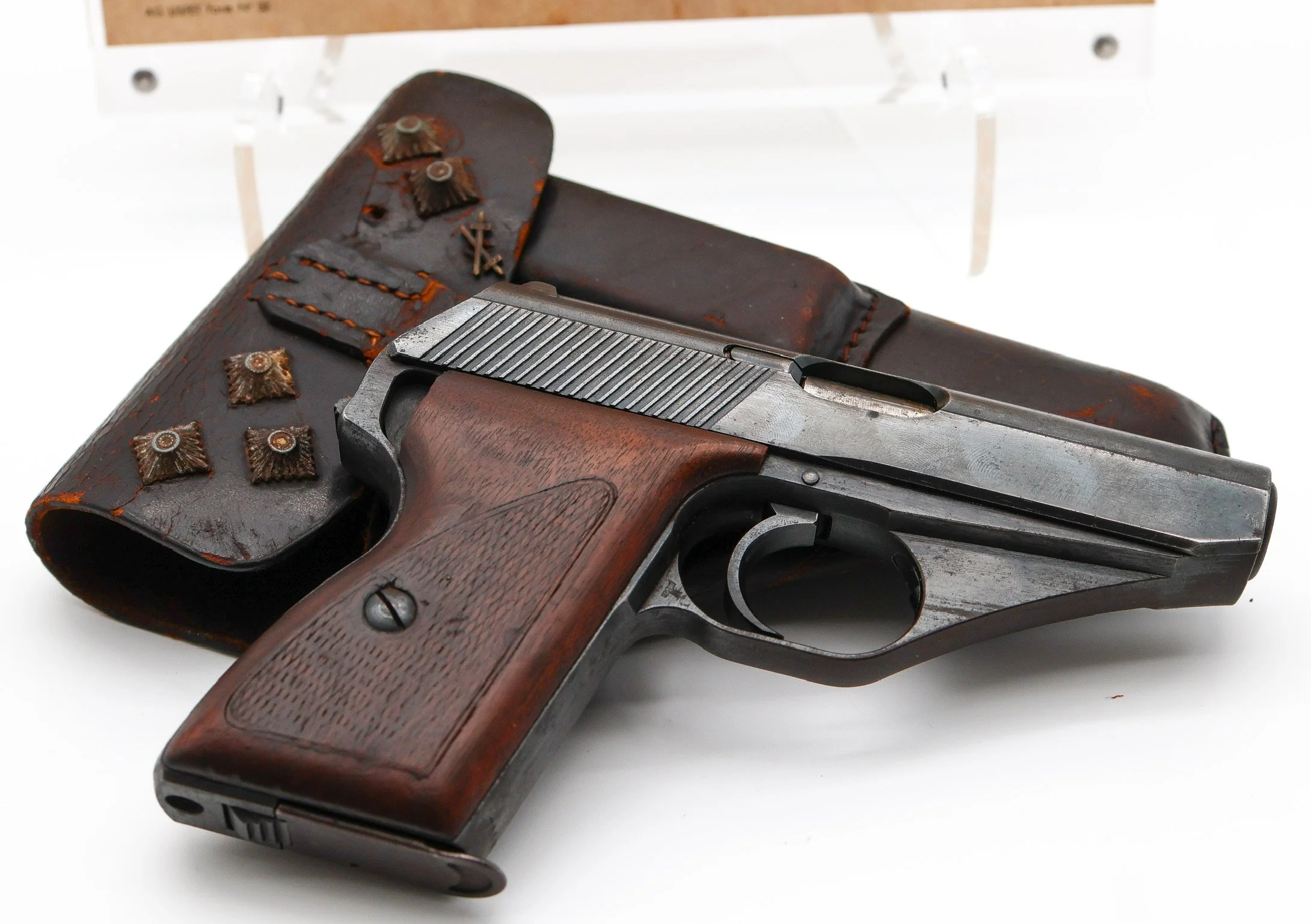
This Mauser HSc pistol, serial number 786802, is chambered in .32 ACP and was brought back from World War II by an American serviceman. The pistol is accompanied by official capture papers dated 4 December 1945, along with a certificate and a photograph of the GI who captured it.
The grouping includes two original magazines and a decorated leather holster. The pistol shows age-appropriate wear from service and handling, and the left grip panel has a small section of wood missing at the top.
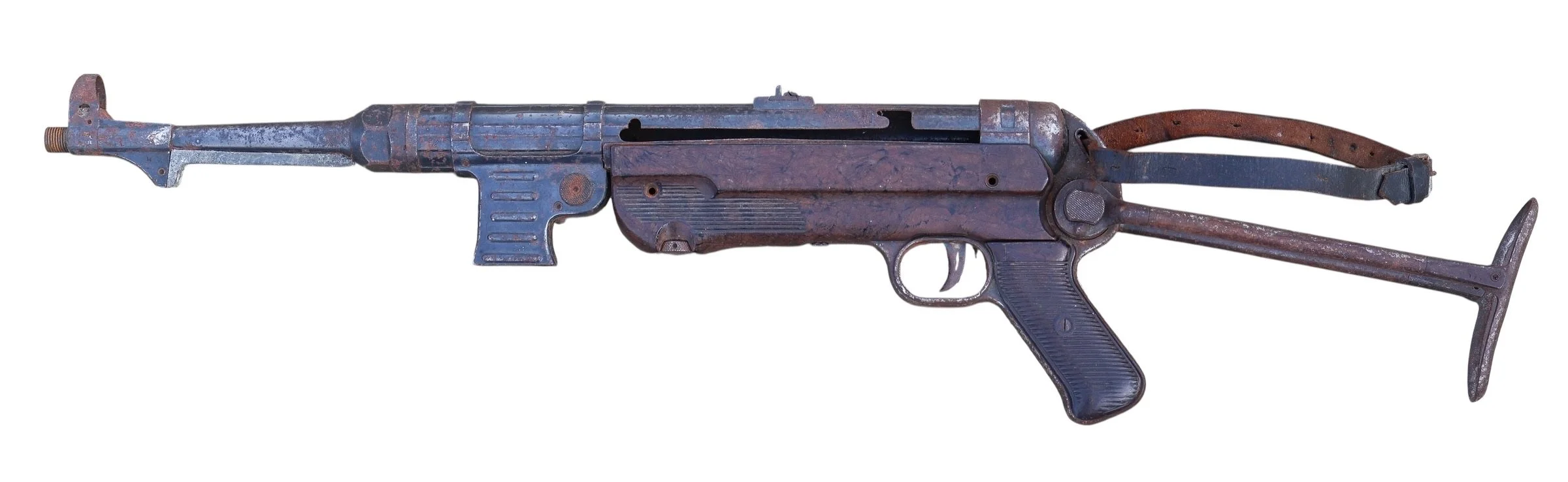
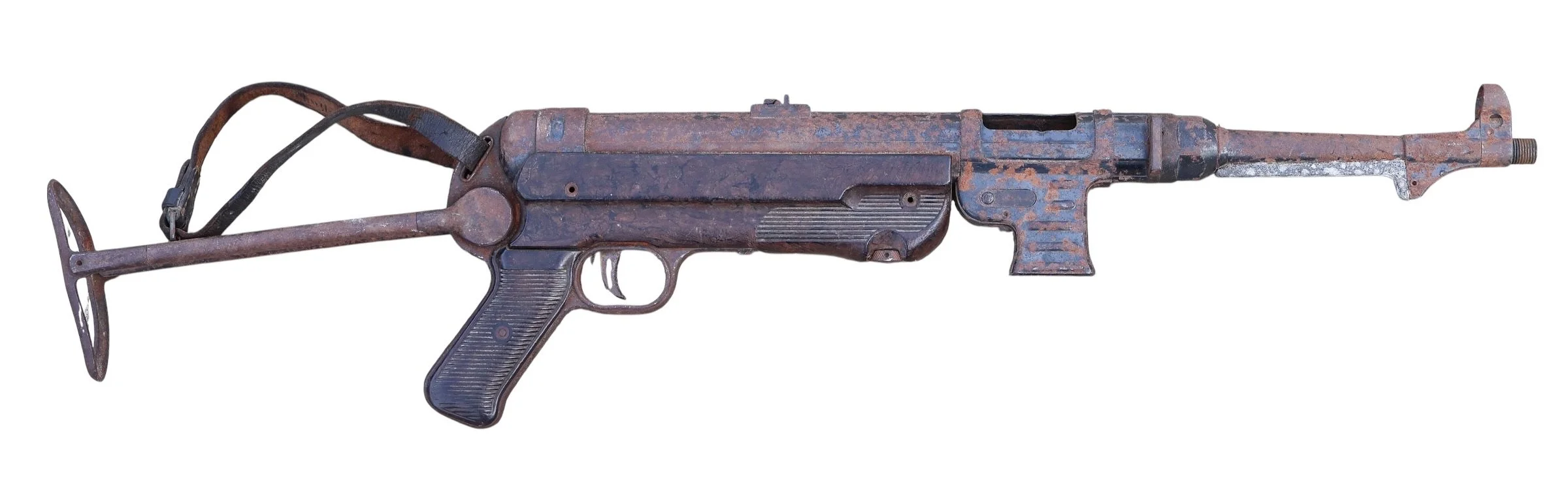
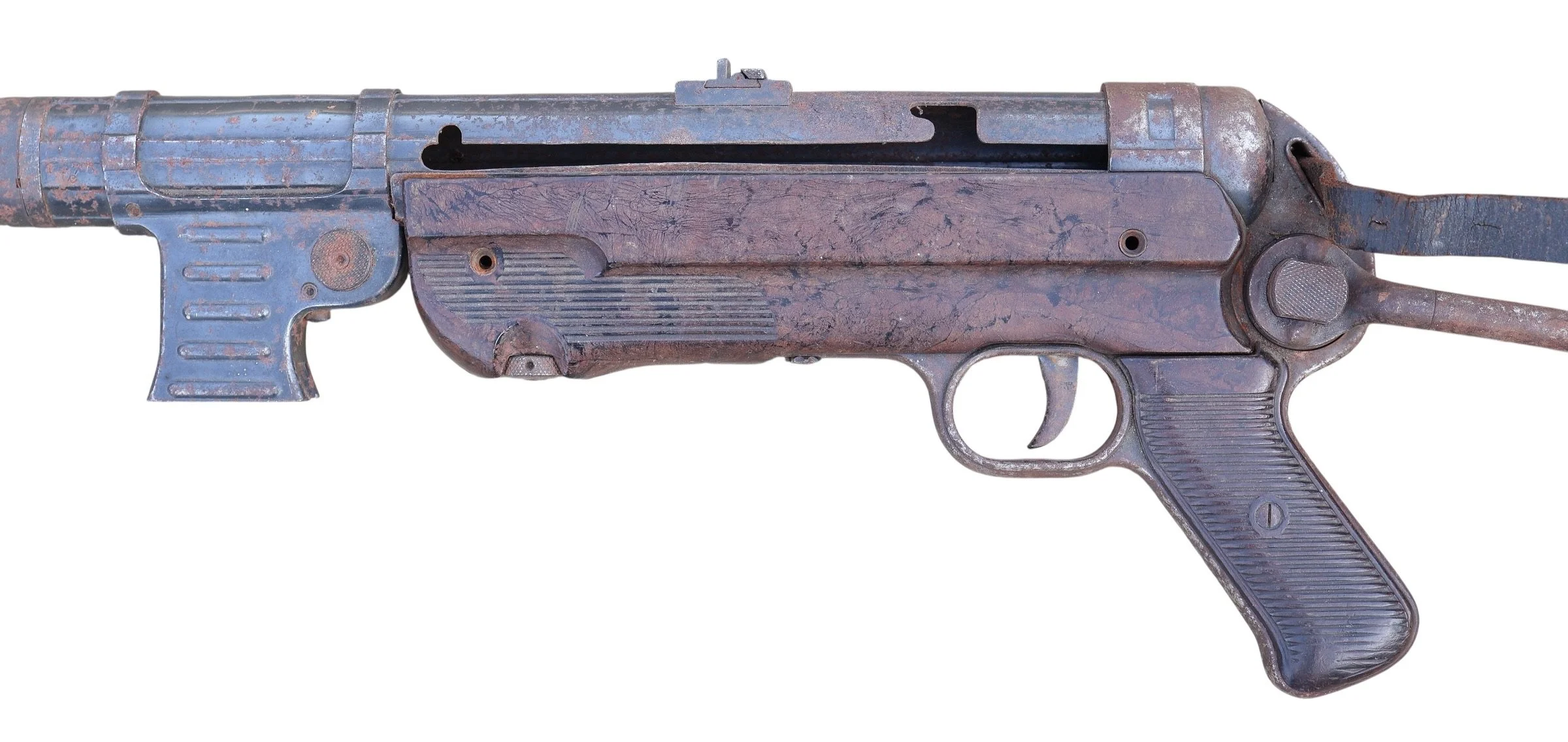
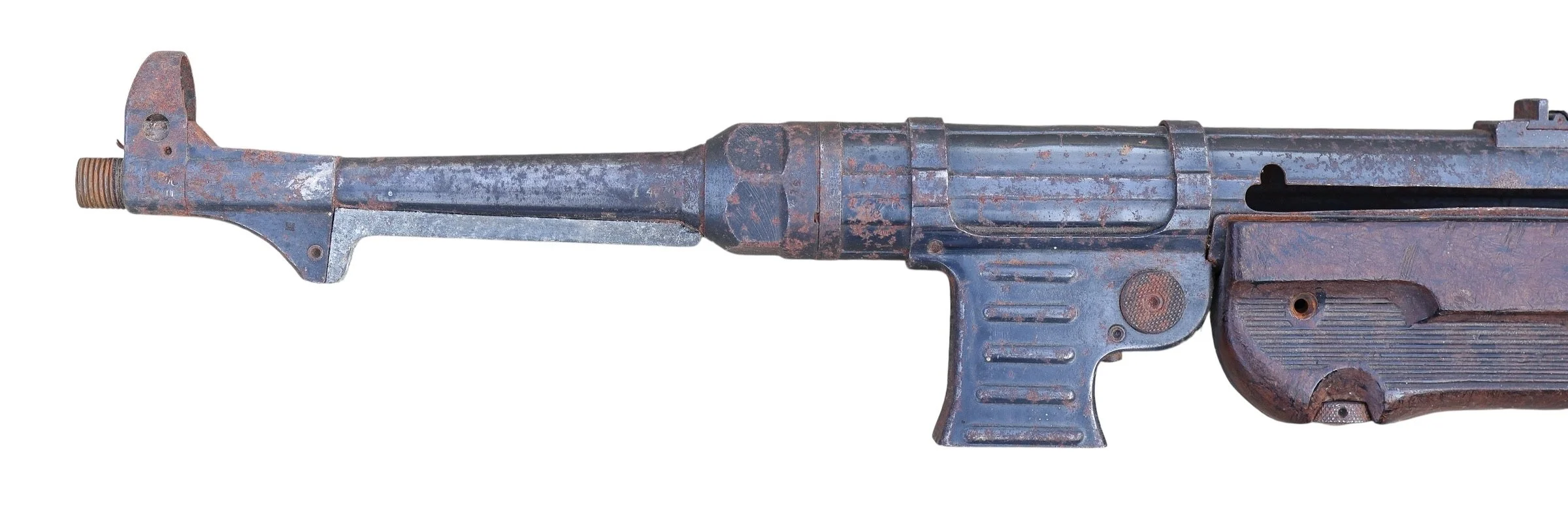
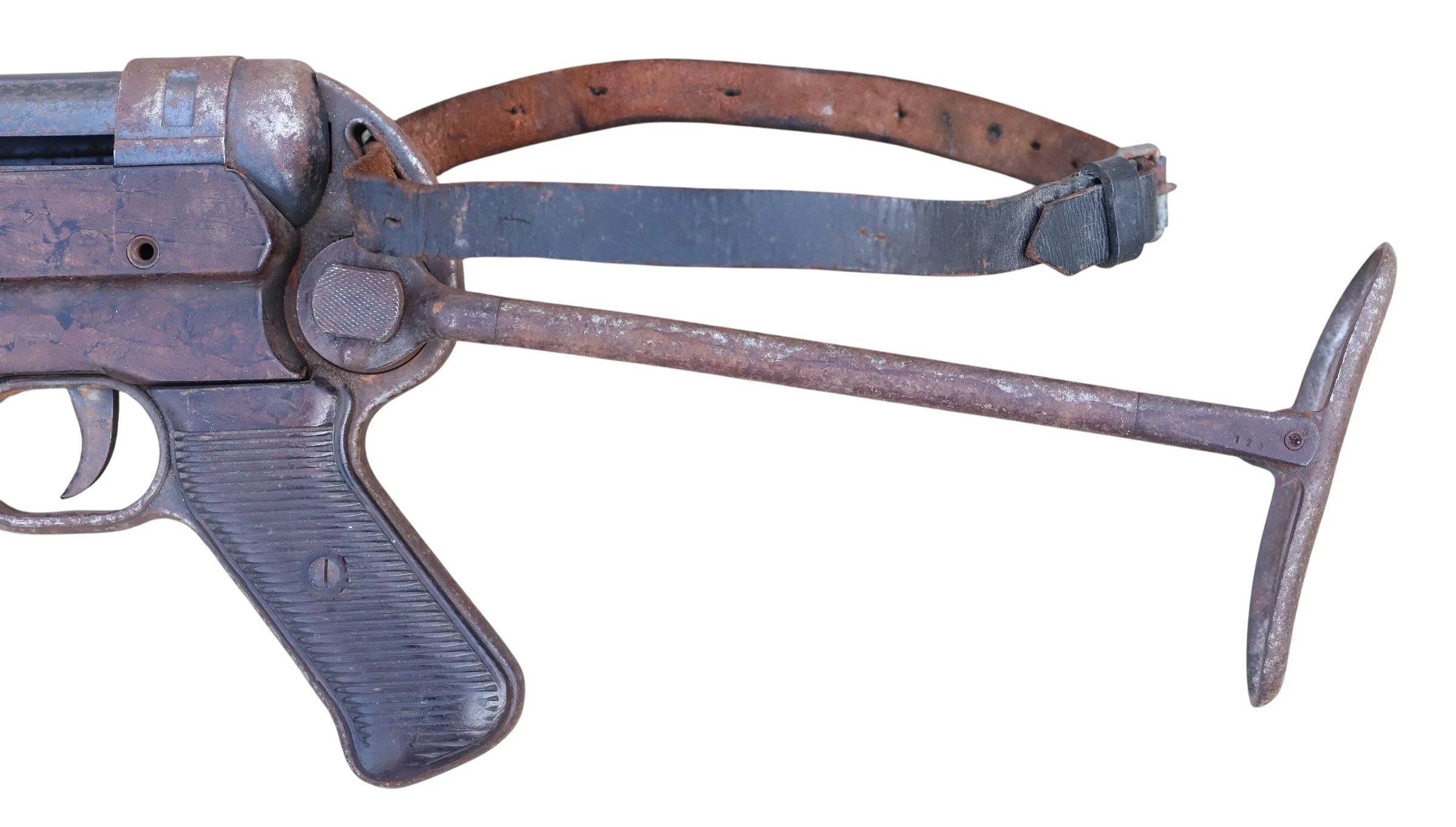
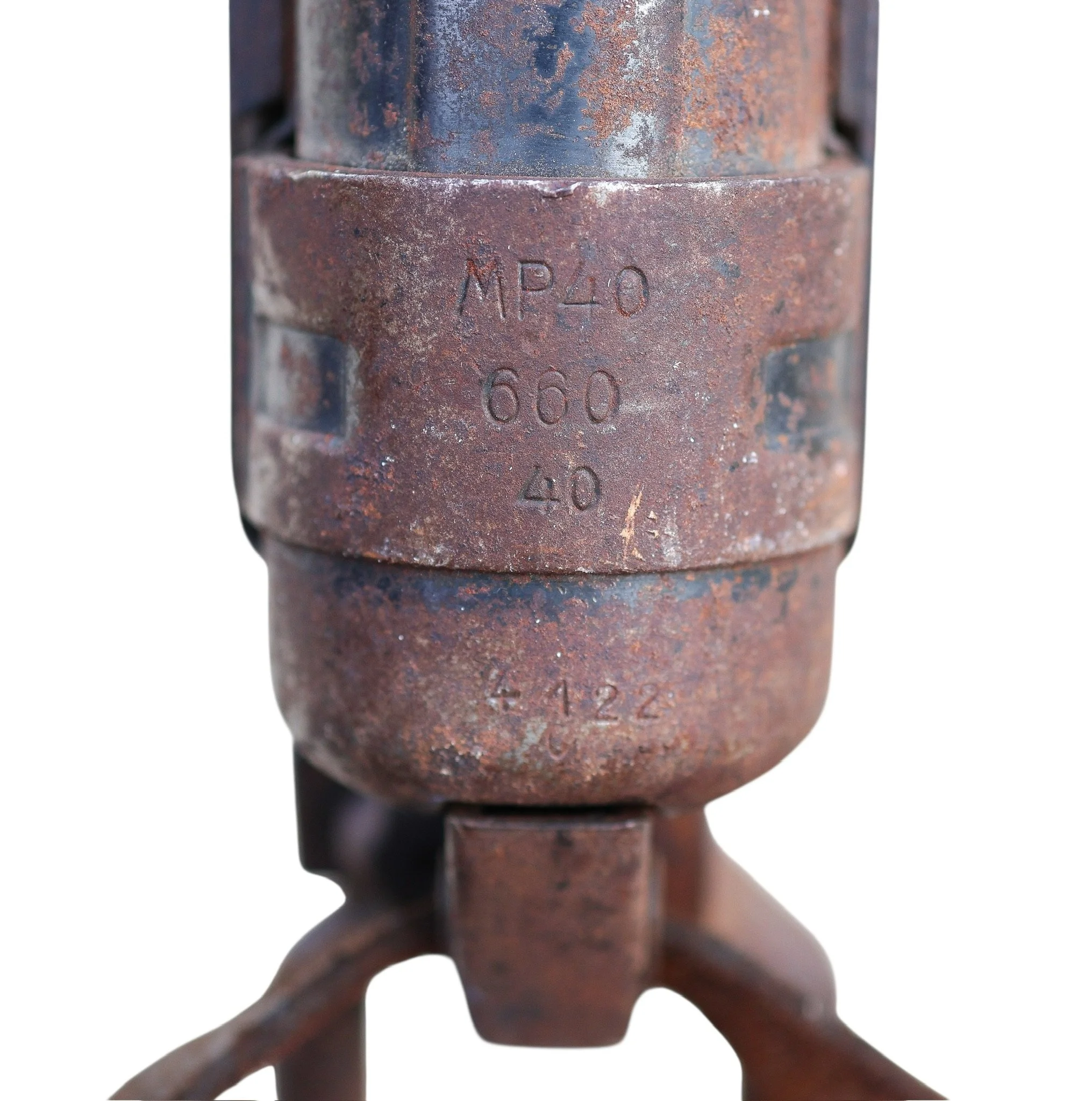
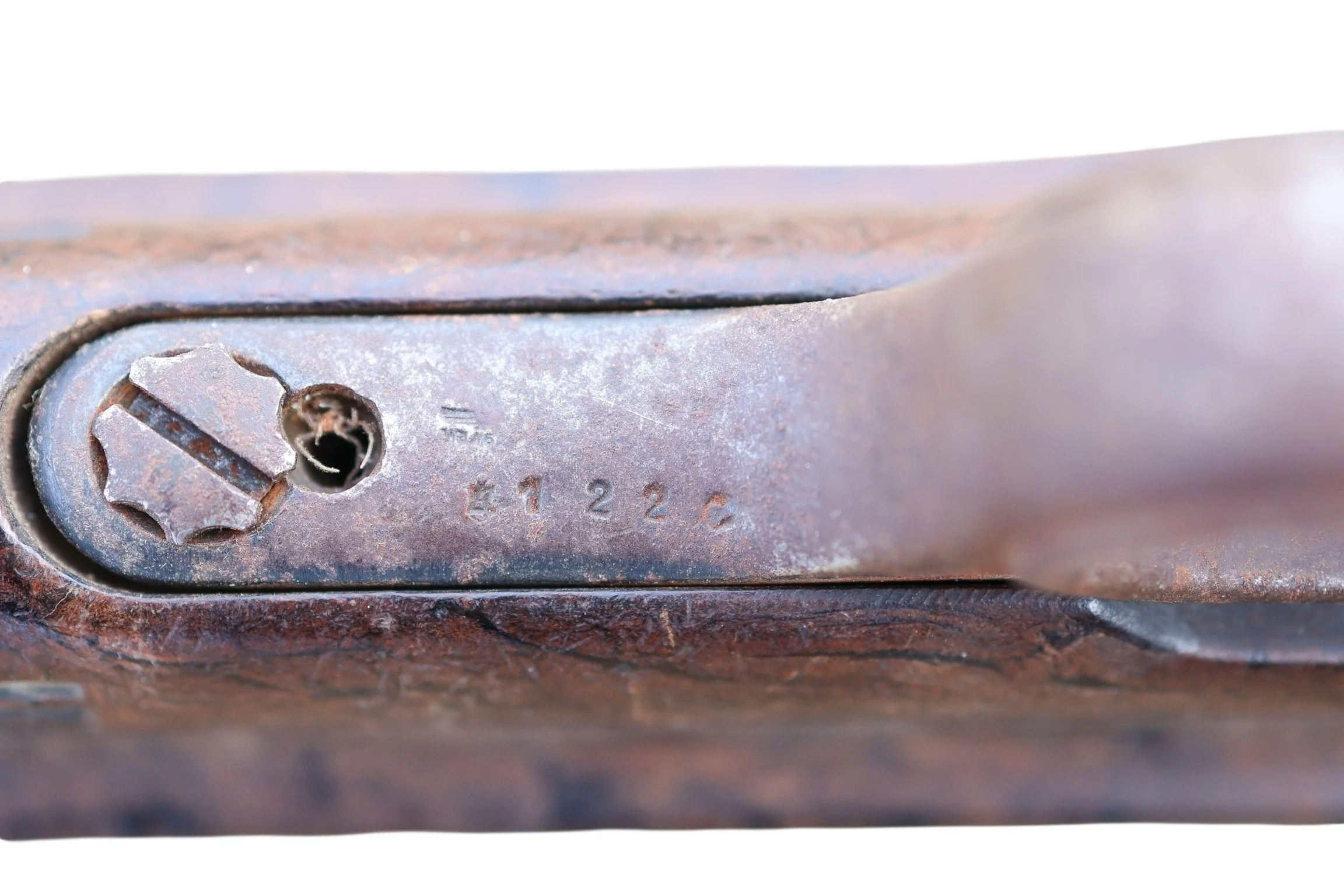
MP-40 Submachine Gun — Captured by 82nd Airborne Veteran
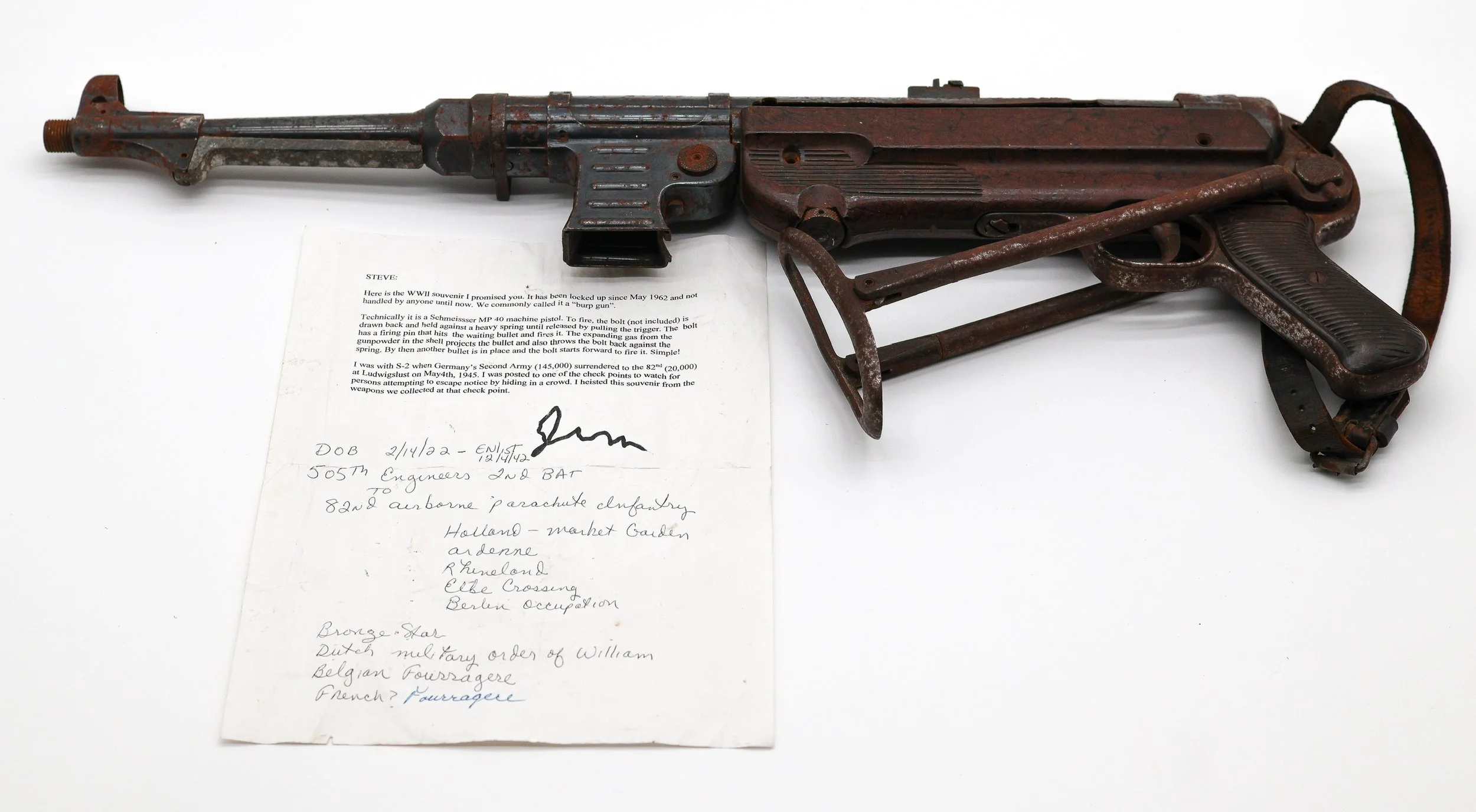
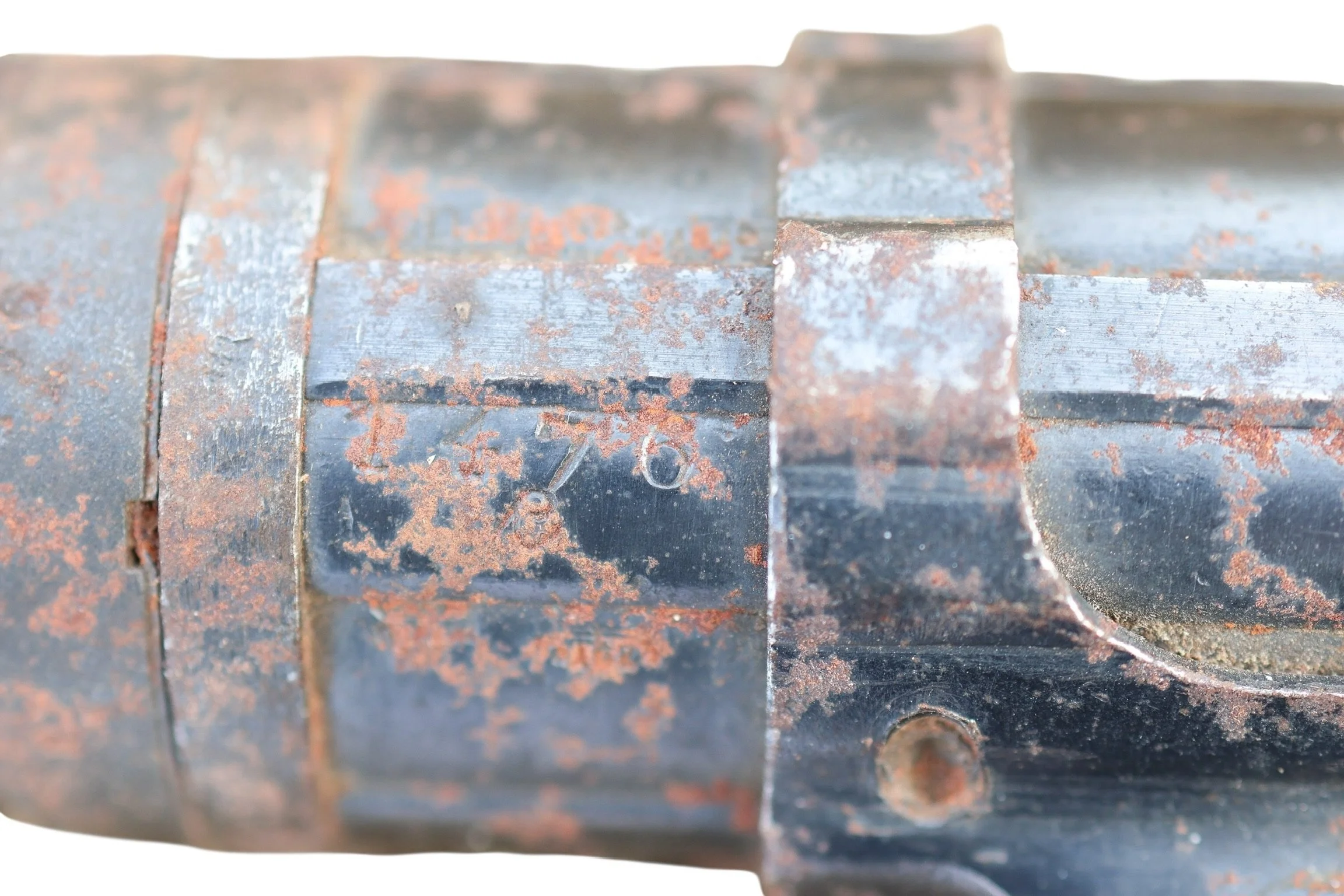
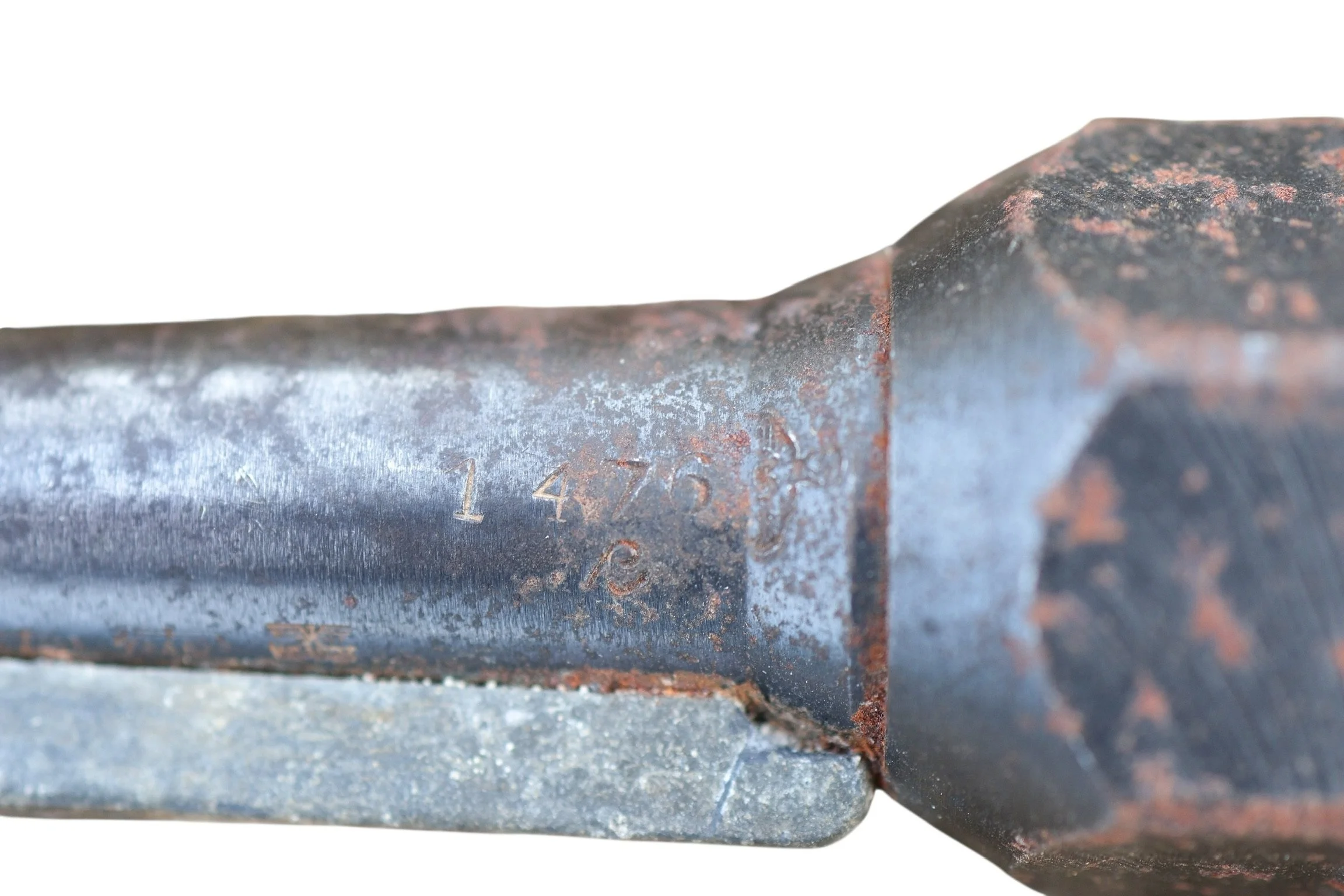
This German MP-40 submachine gun was captured in May 1945 by a member of the 82nd Airborne Division at the time of Germany’s surrender. The weapon is largely matching with a few mismatched components and is currently missing its bolt. It shows significant surface rust from decades of poor storage.
The accompanying signed letter from the veteran, addressed as “Jim,” documents the capture. In the letter he explains that the weapon had been locked away since May 1962 and was commonly referred to as a “burp gun.” He identifies it correctly as a Schmeisser MP-40 and briefly describes its operation. He states that he was serving with S-2 when Germany’s Second Army surrendered to the 82nd Airborne at Ludwigslust on May 4, 1945. Posted at one of the checkpoints to monitor prisoners attempting to escape notice, he took the MP-40 from the collected weapons at that checkpoint.
-
Handwritten notes on the same document provide additional service details. The veteran was born February 14, 1922, enlisted December 4, 1942, and served with the 505th Engineers, 2nd Battalion, before assignment within the 82nd Airborne Parachute Infantry. Listed campaigns include Holland (Operation Market Garden), the Ardennes (Battle of the Bulge), Rhineland, the Elbe Crossing, and the Berlin occupation. Decorations noted include the Bronze Star, the Dutch Military Order of William, the Belgian Fourragère, and a French Fourragère.
This MP-40 remains as it was retained by the veteran for decades following the war.
German MP44 with Shrapnel Damage & Matching Numbers
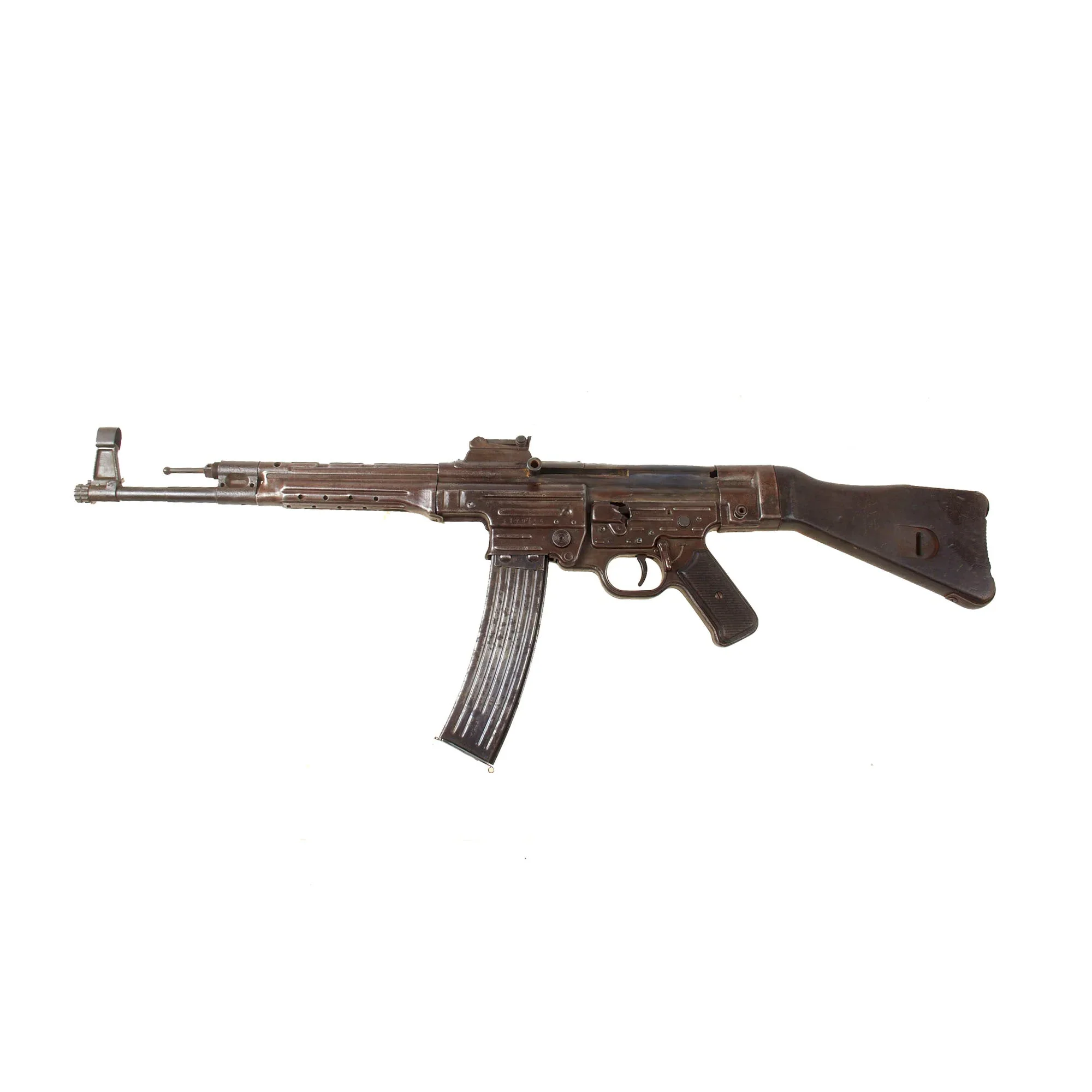
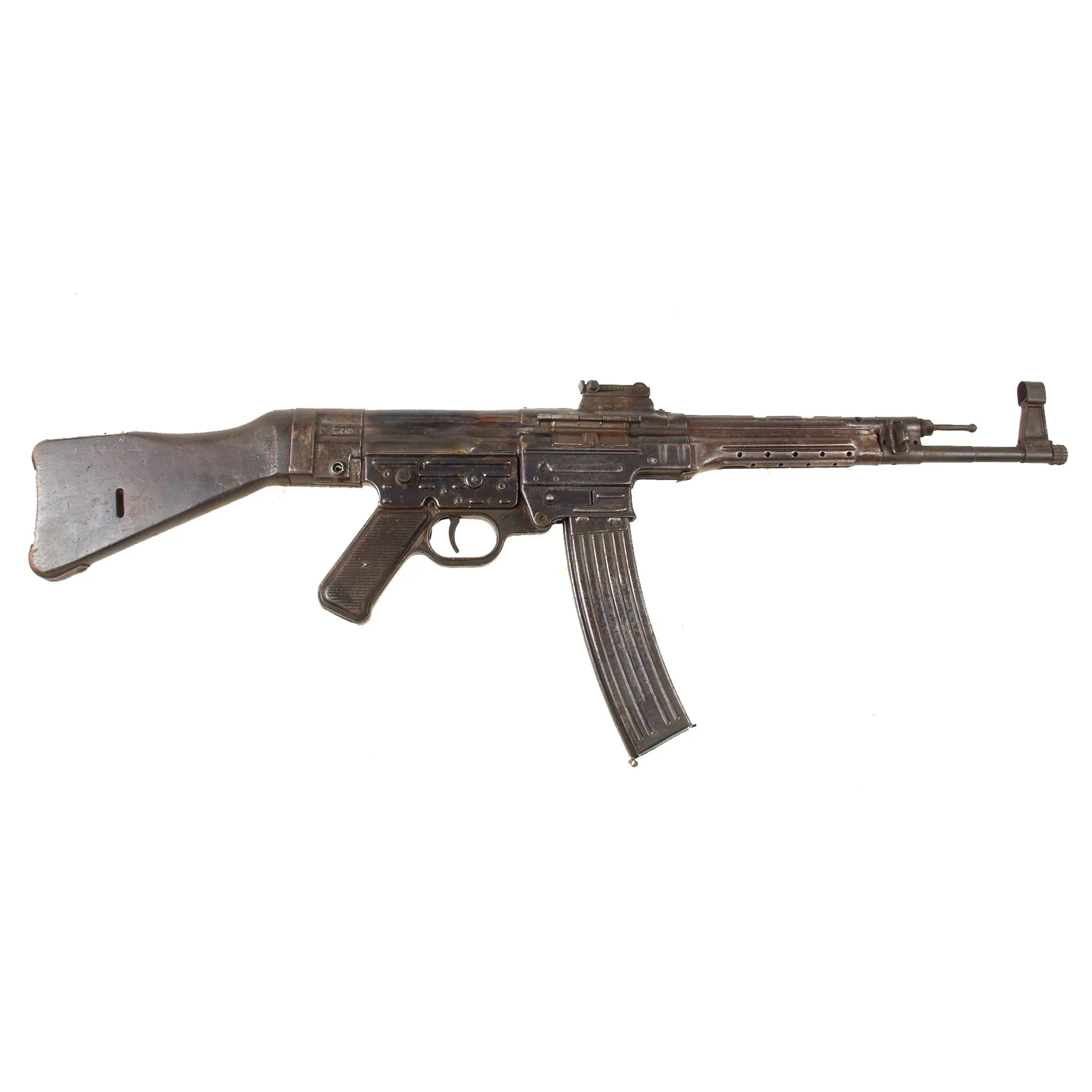
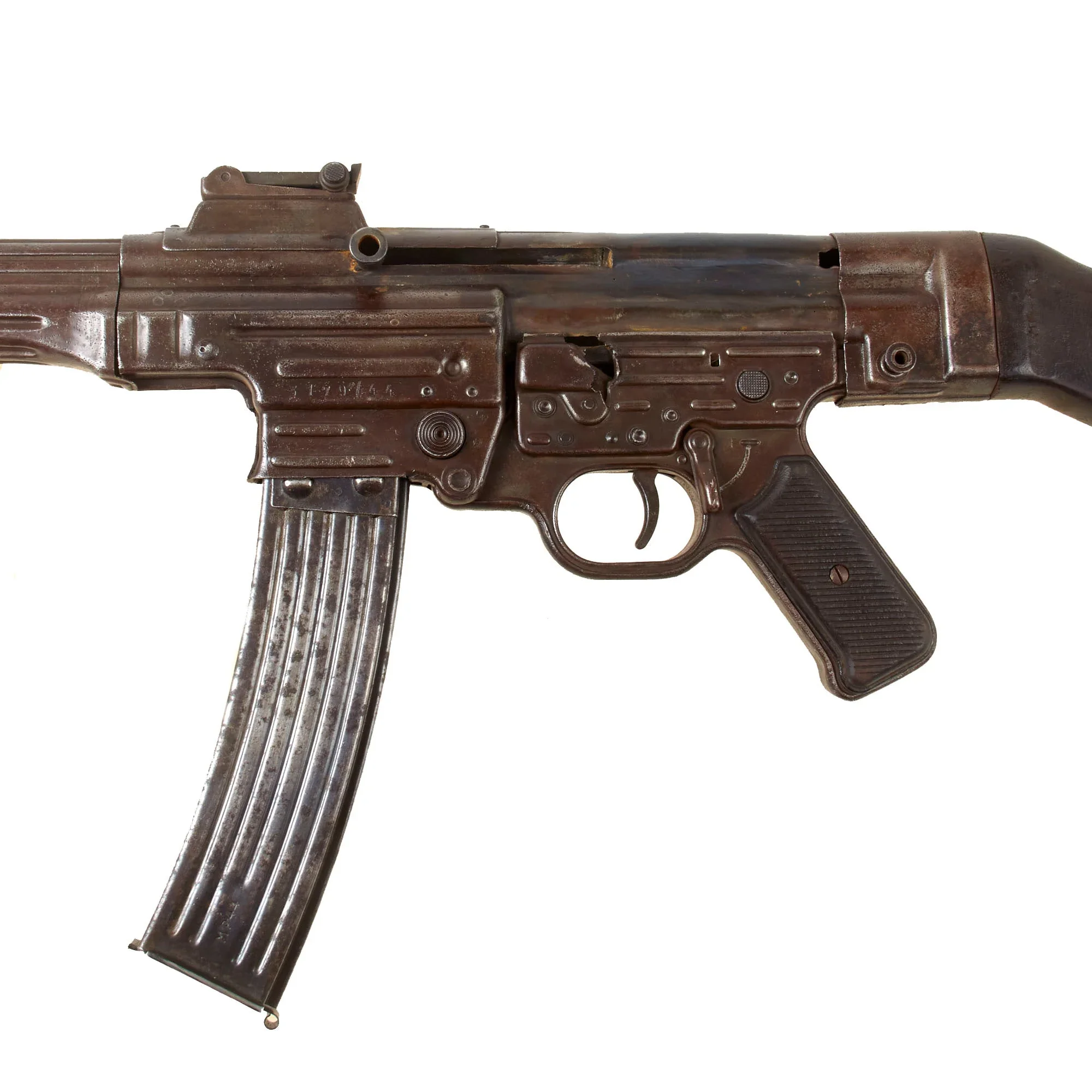
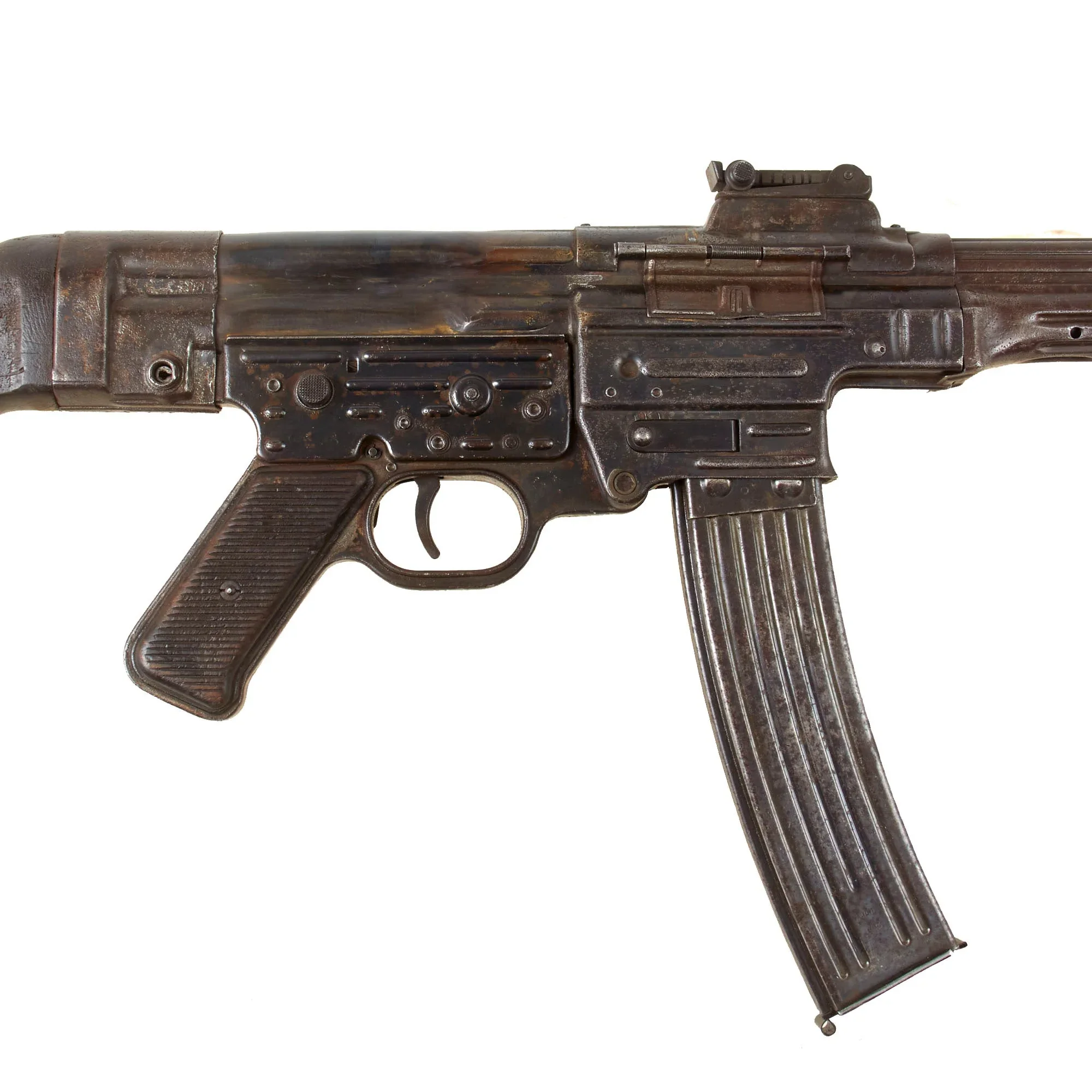
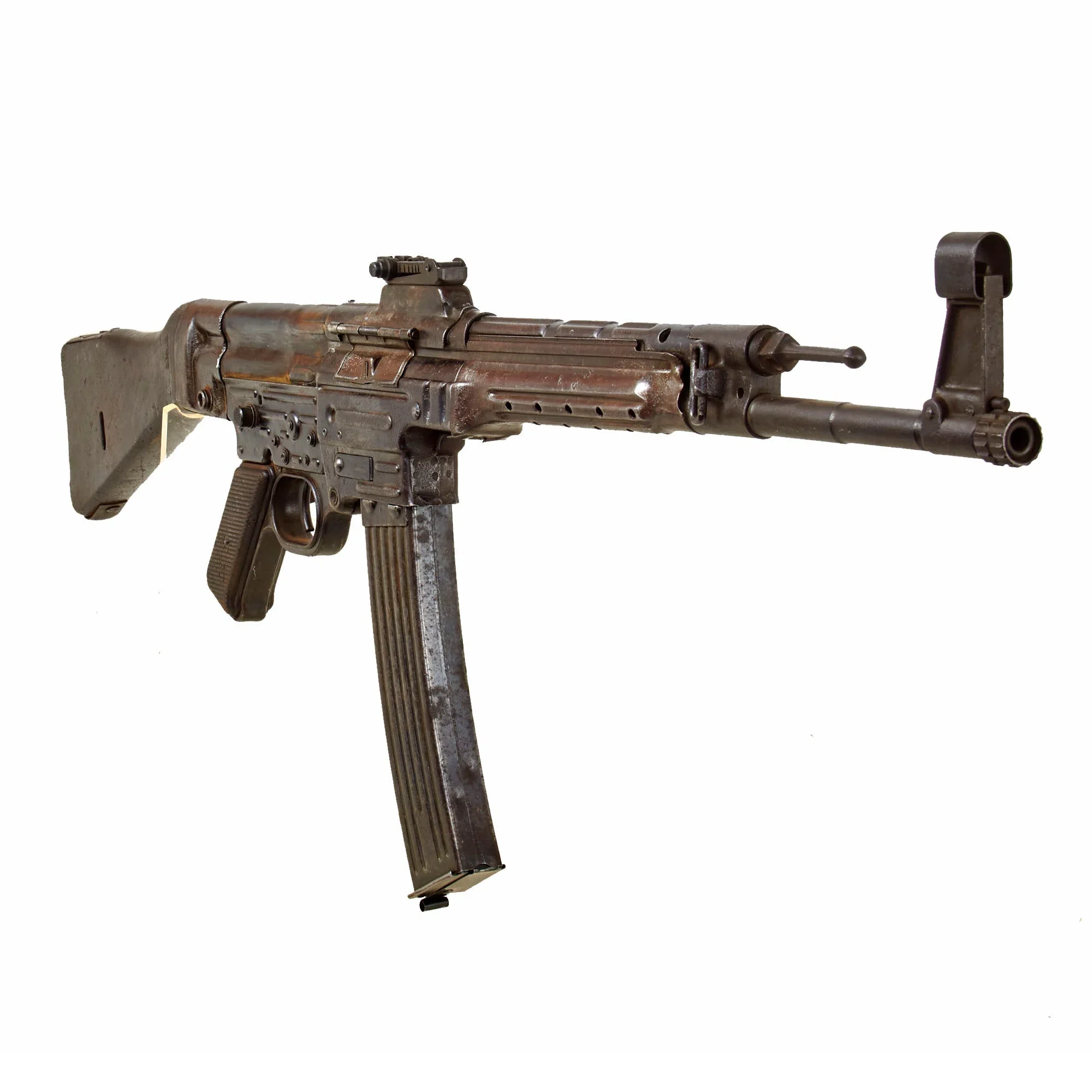
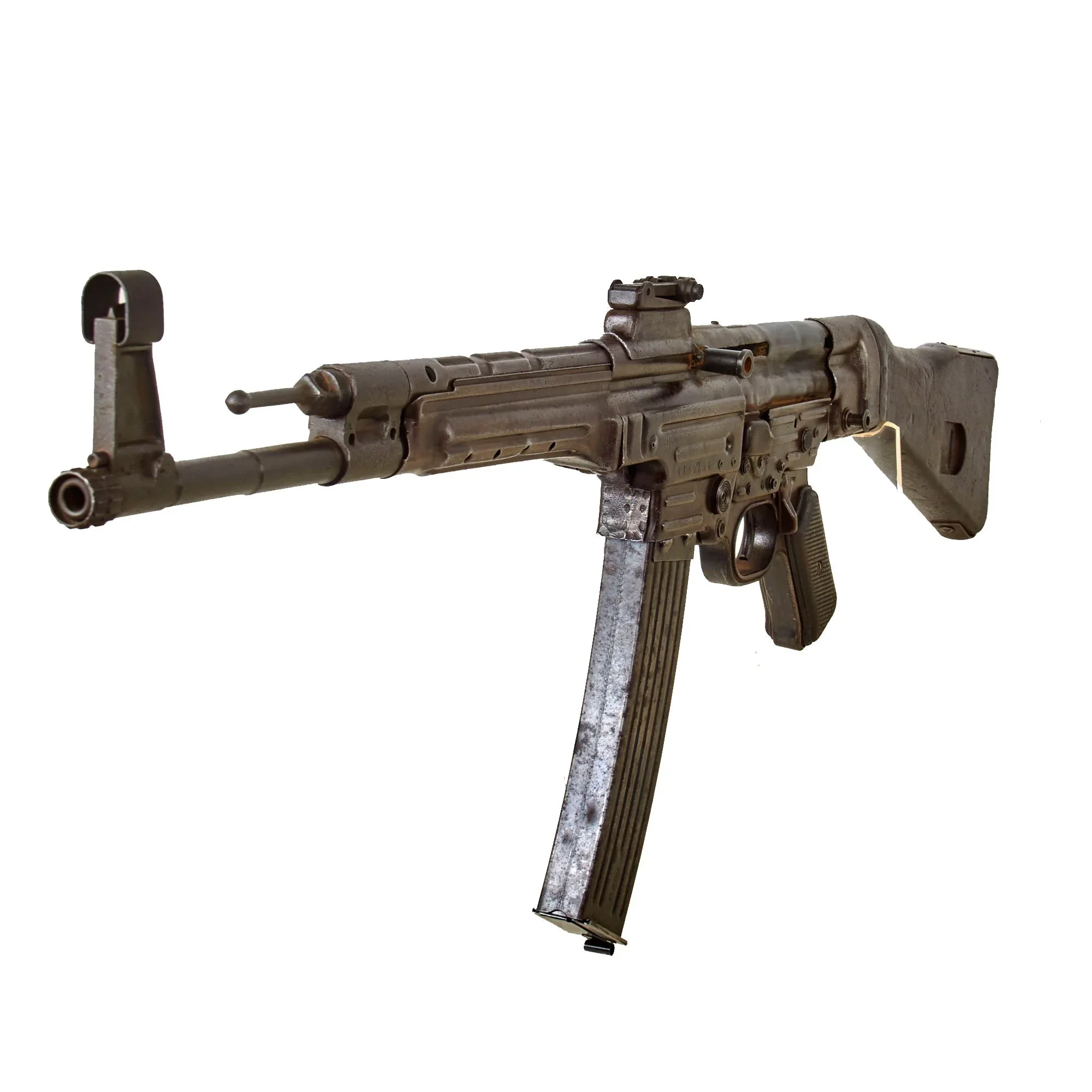
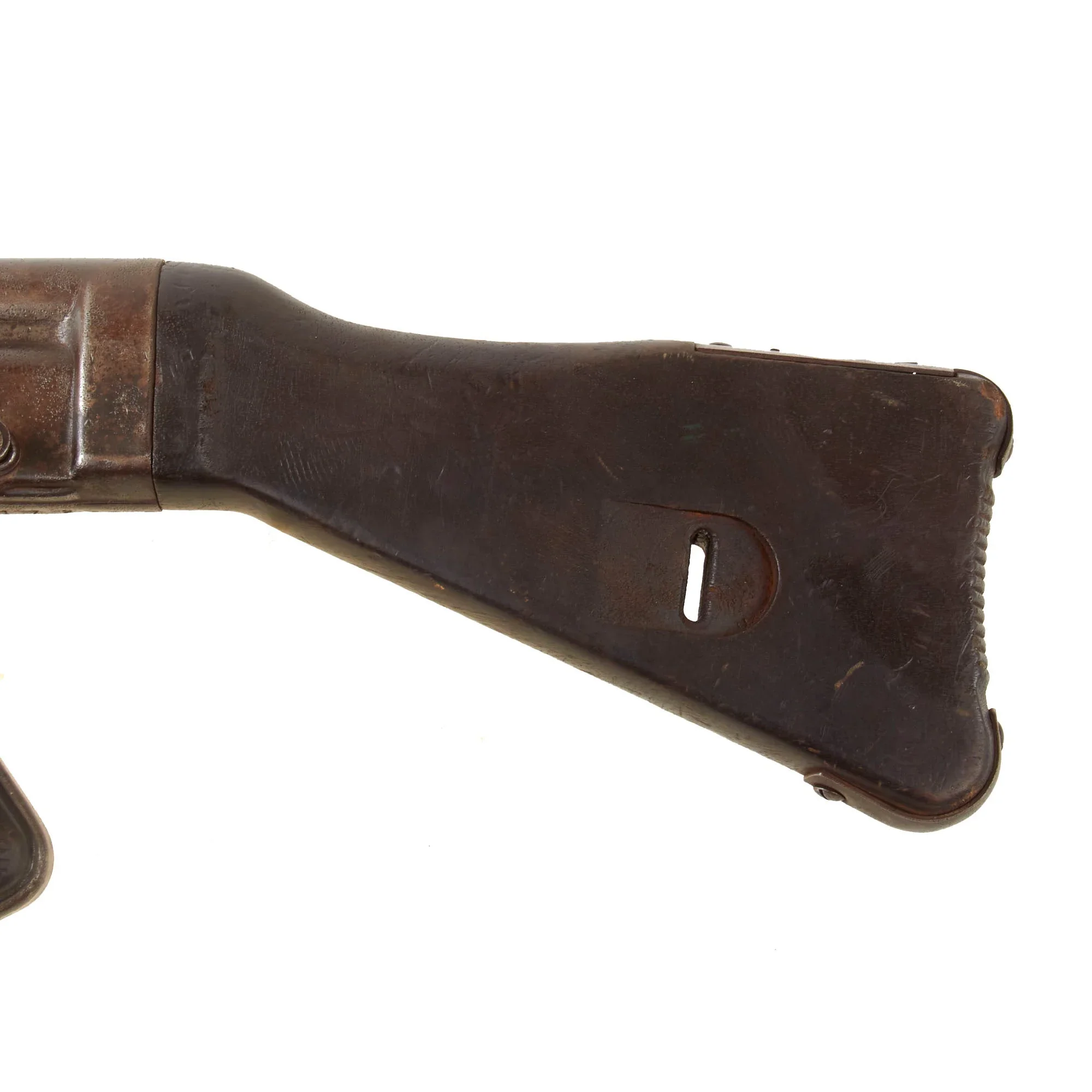
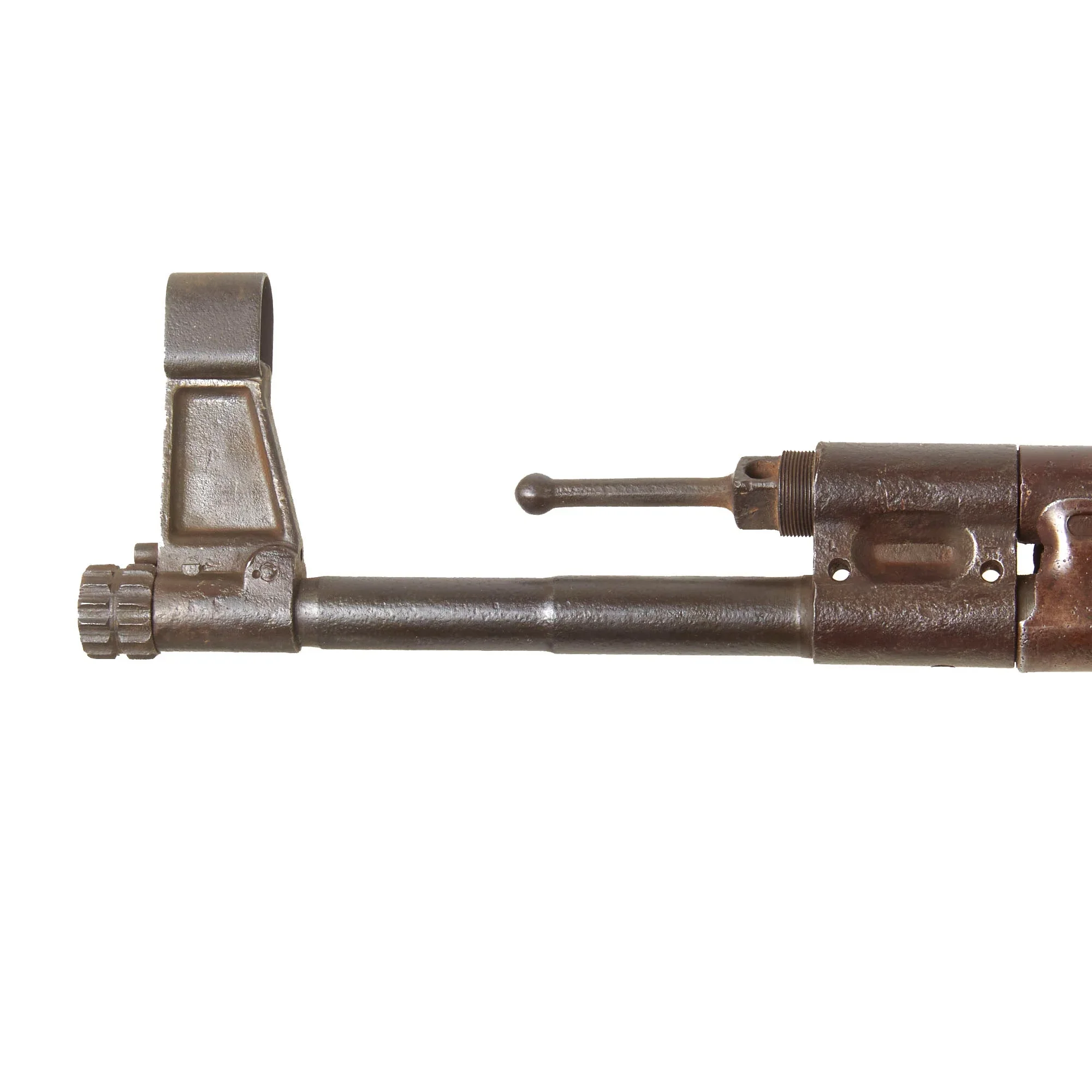
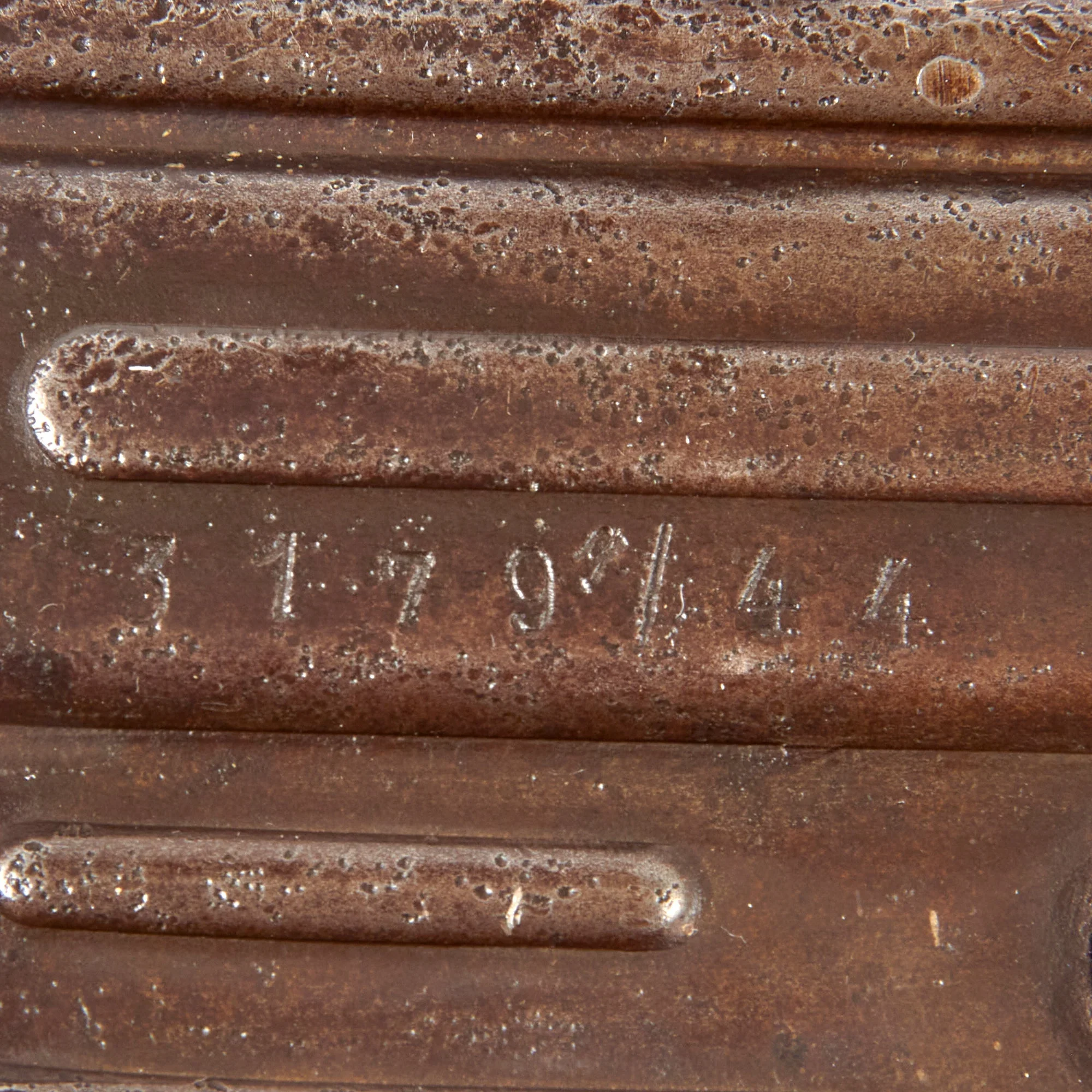
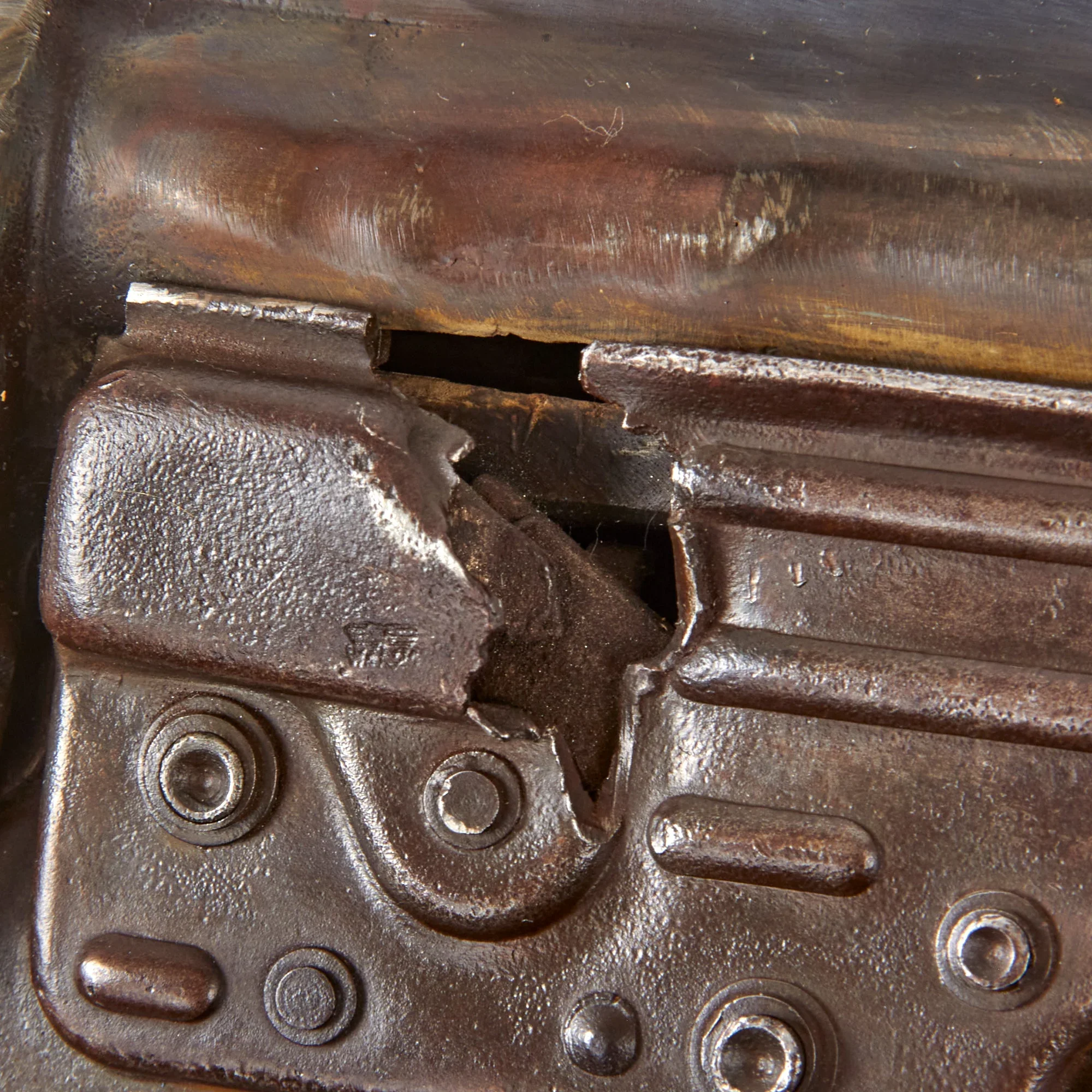
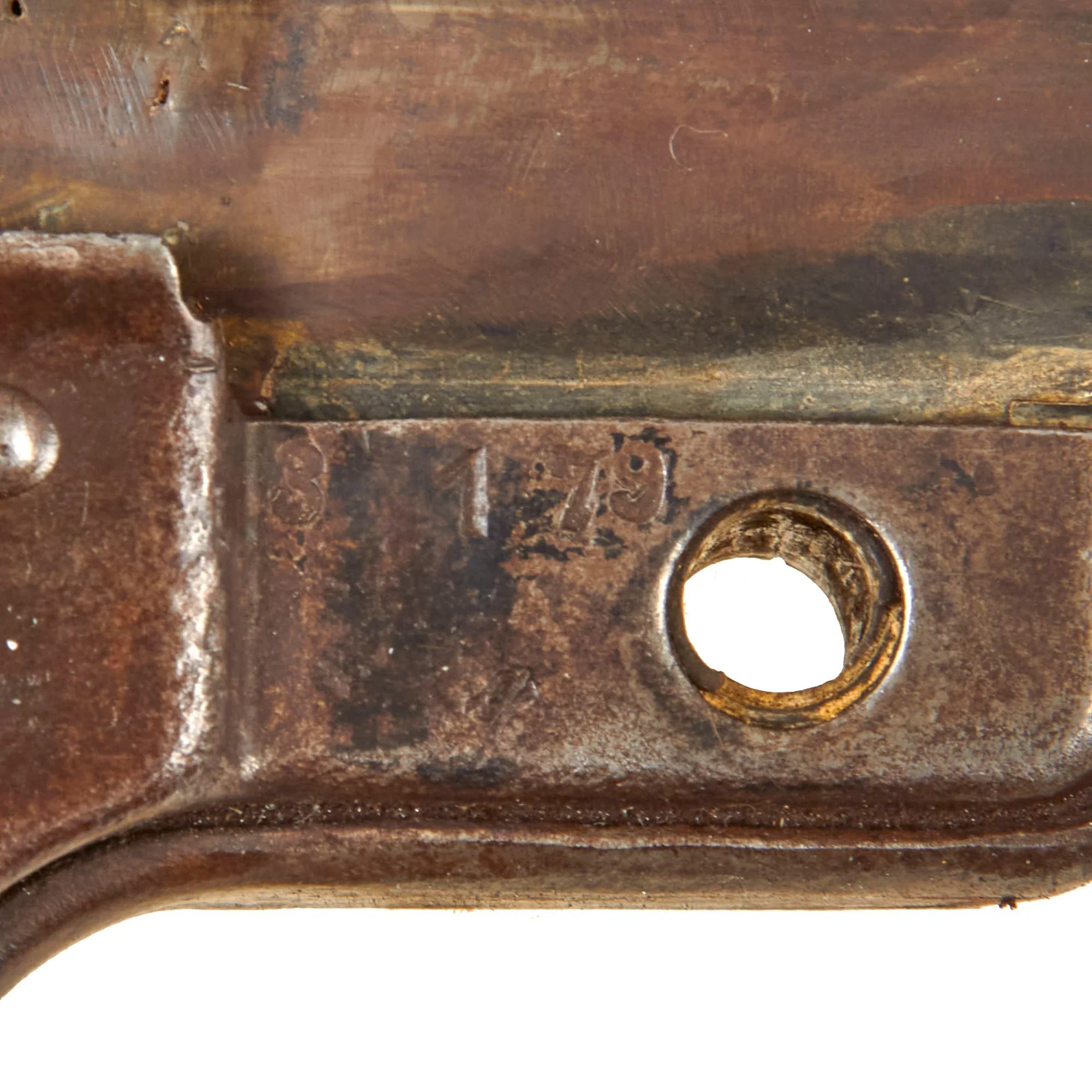
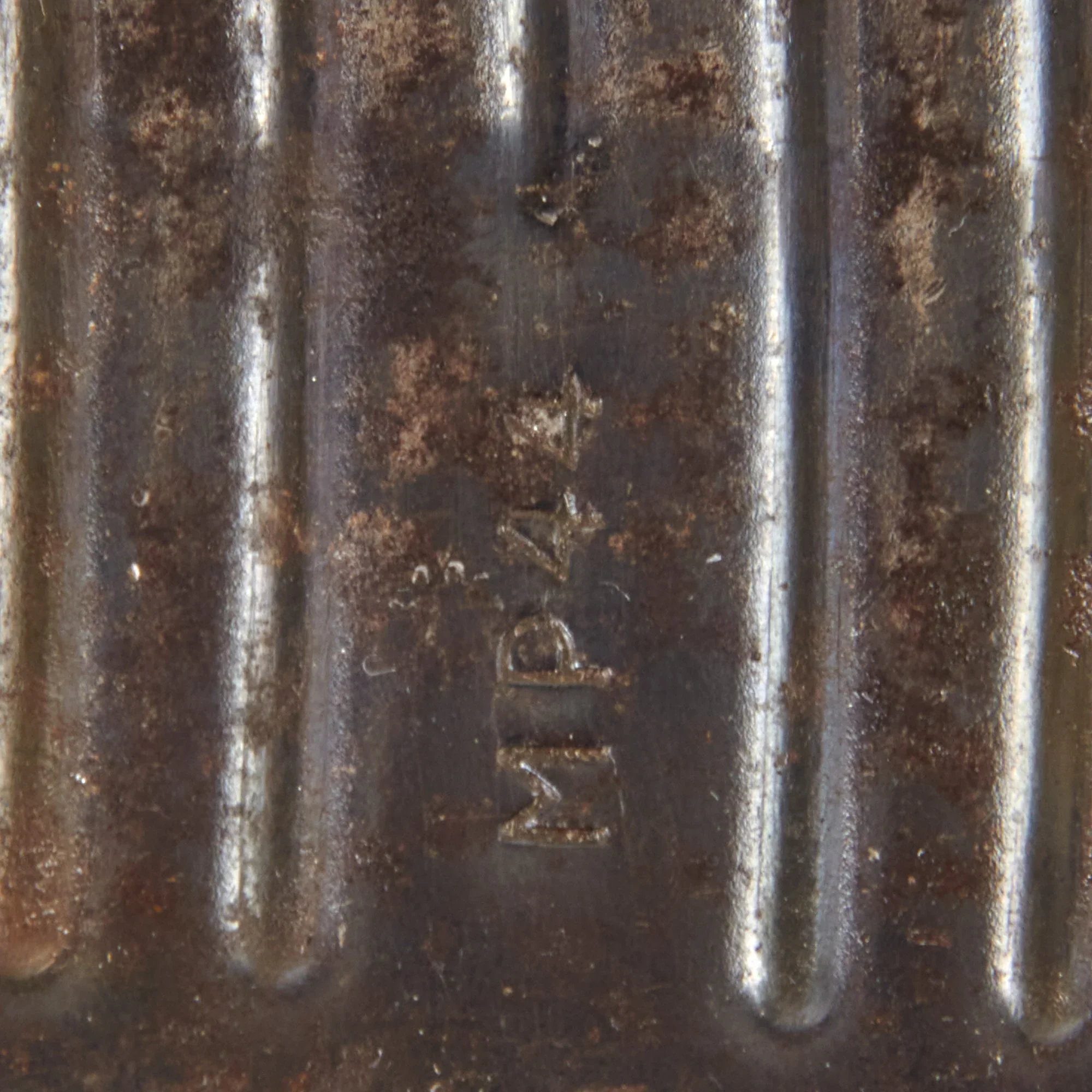
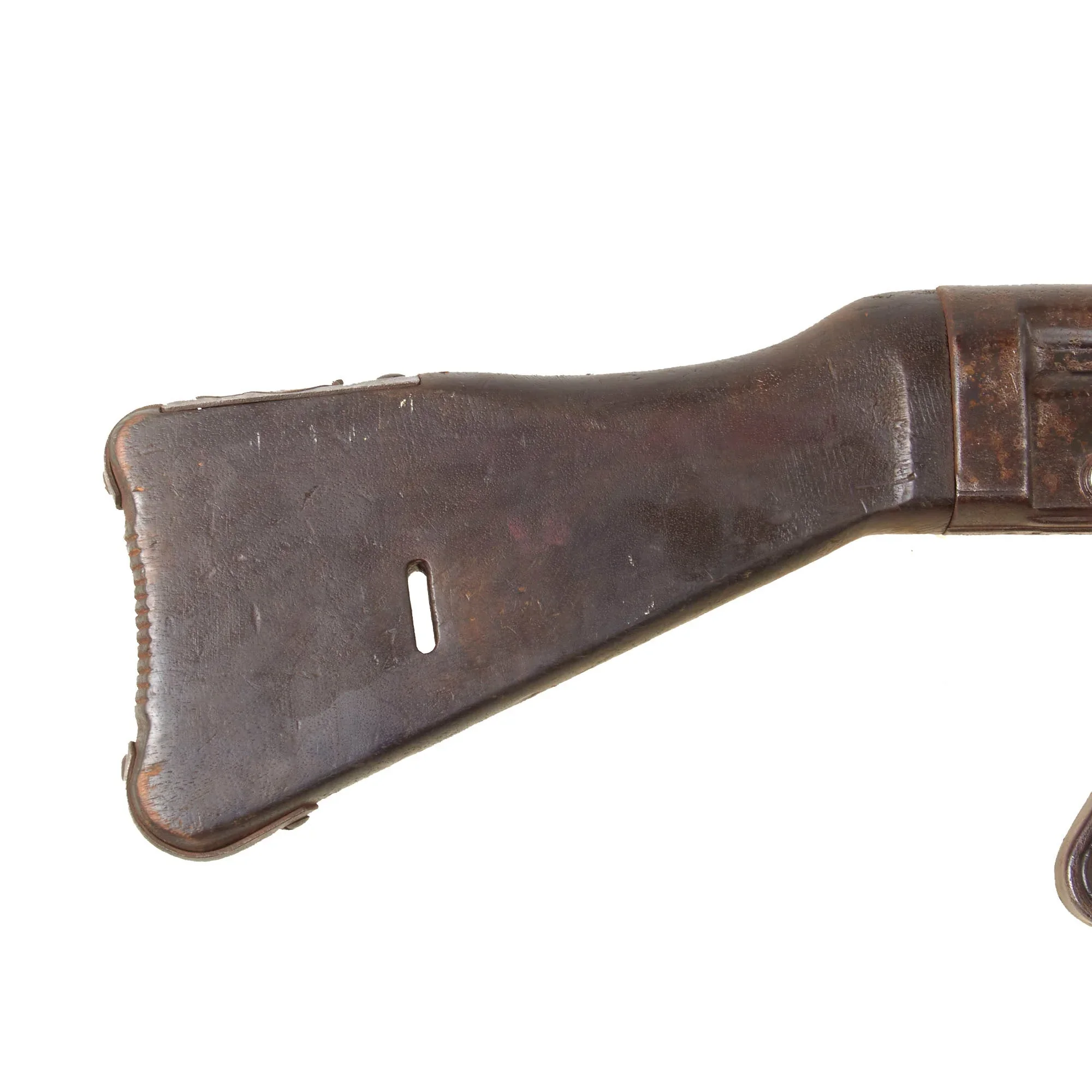
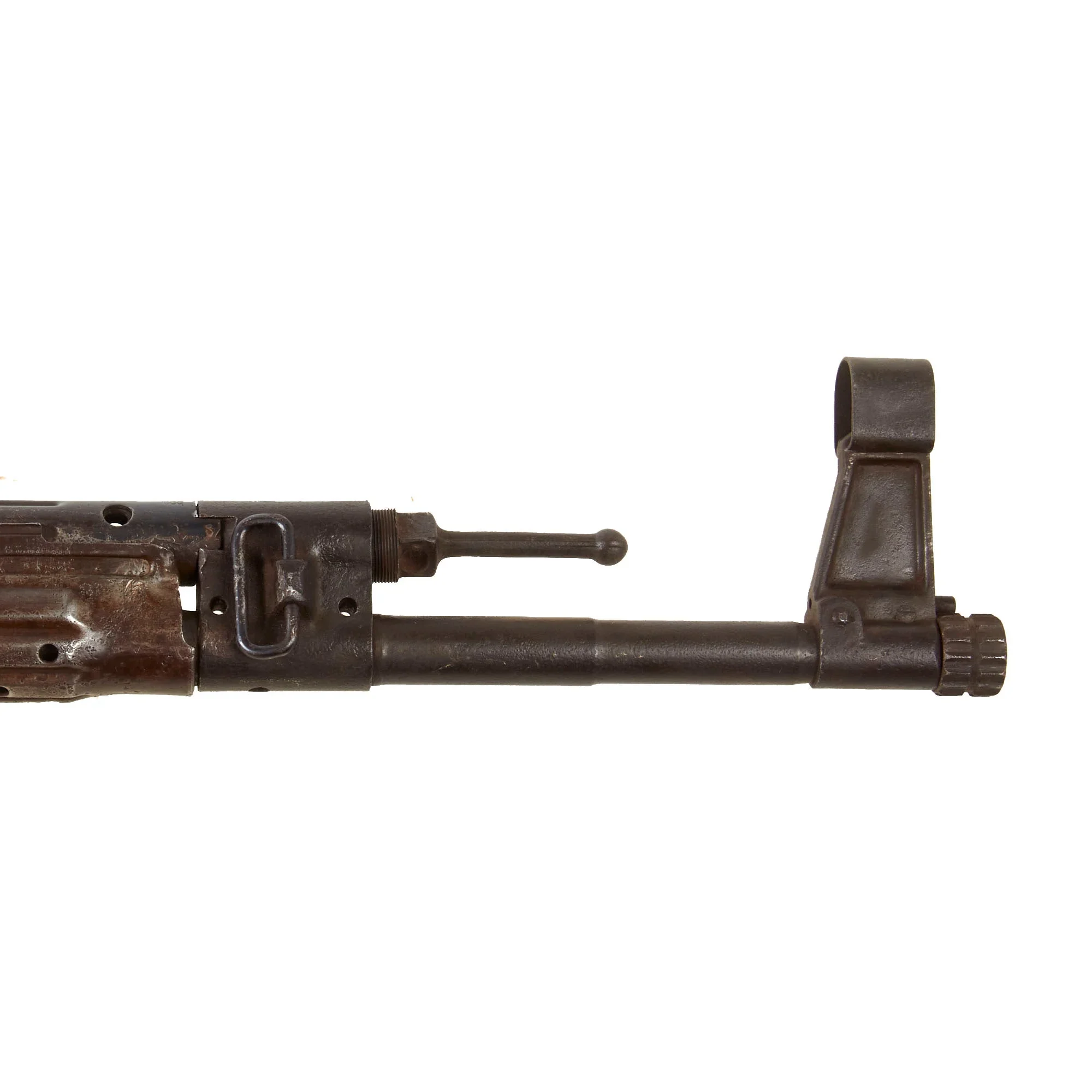
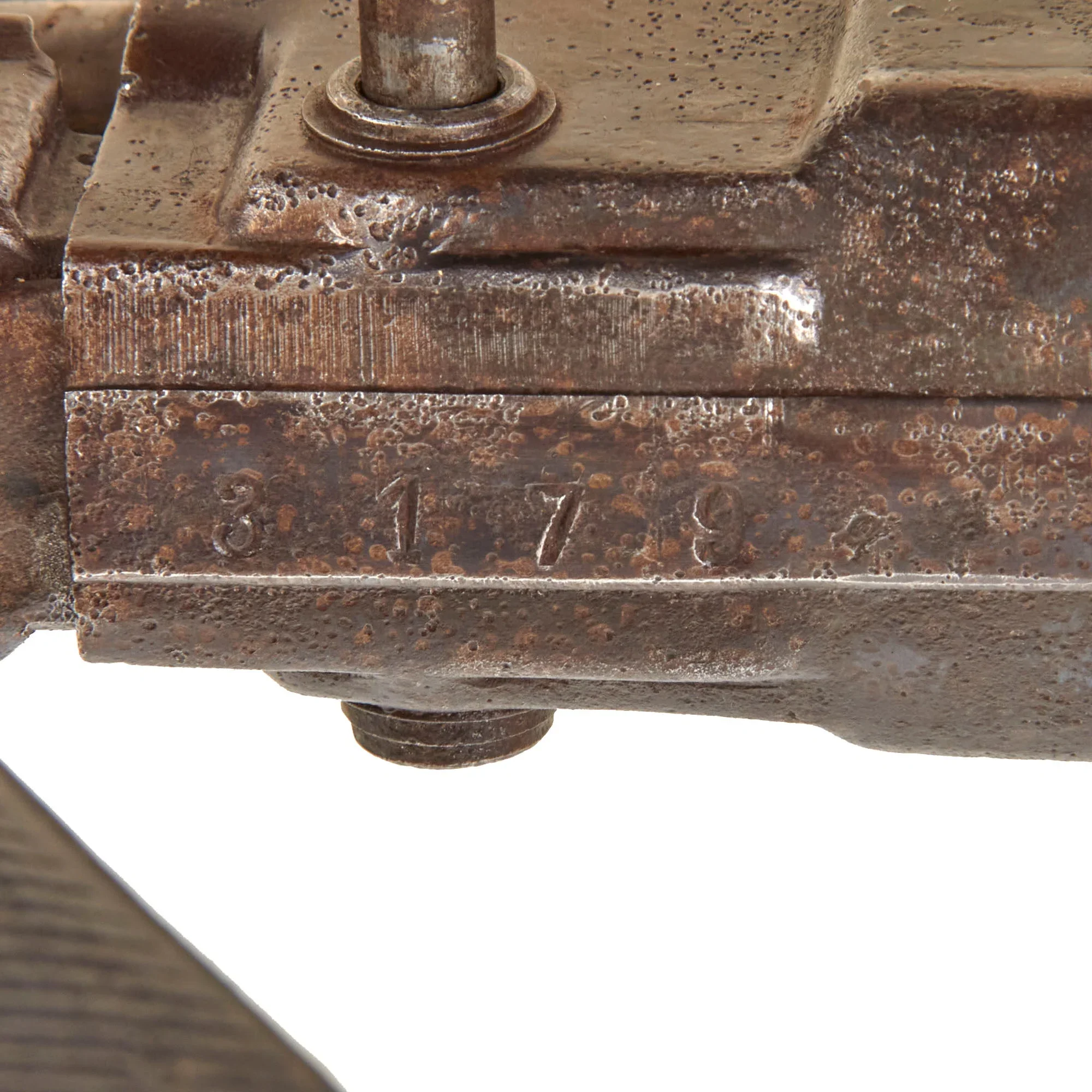
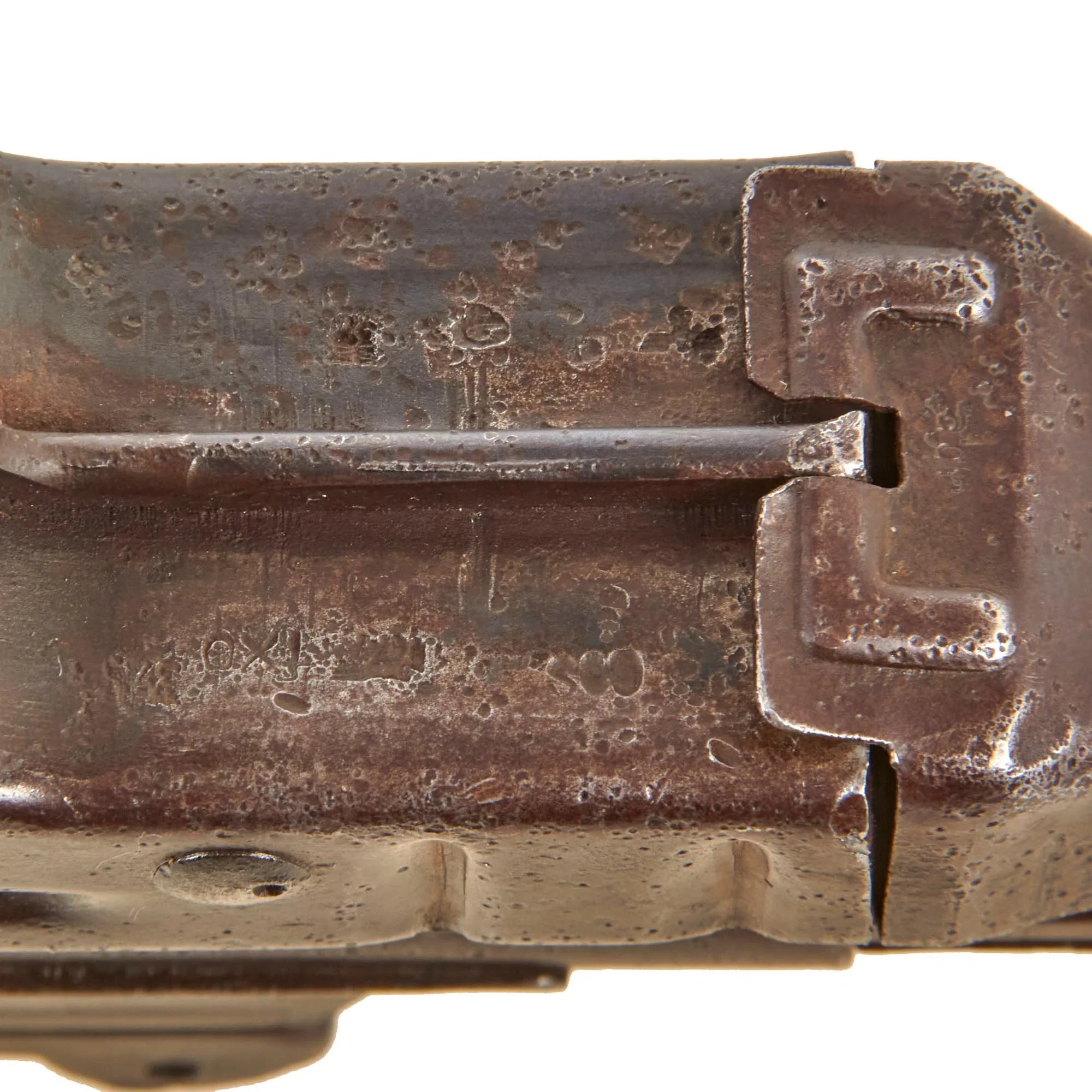
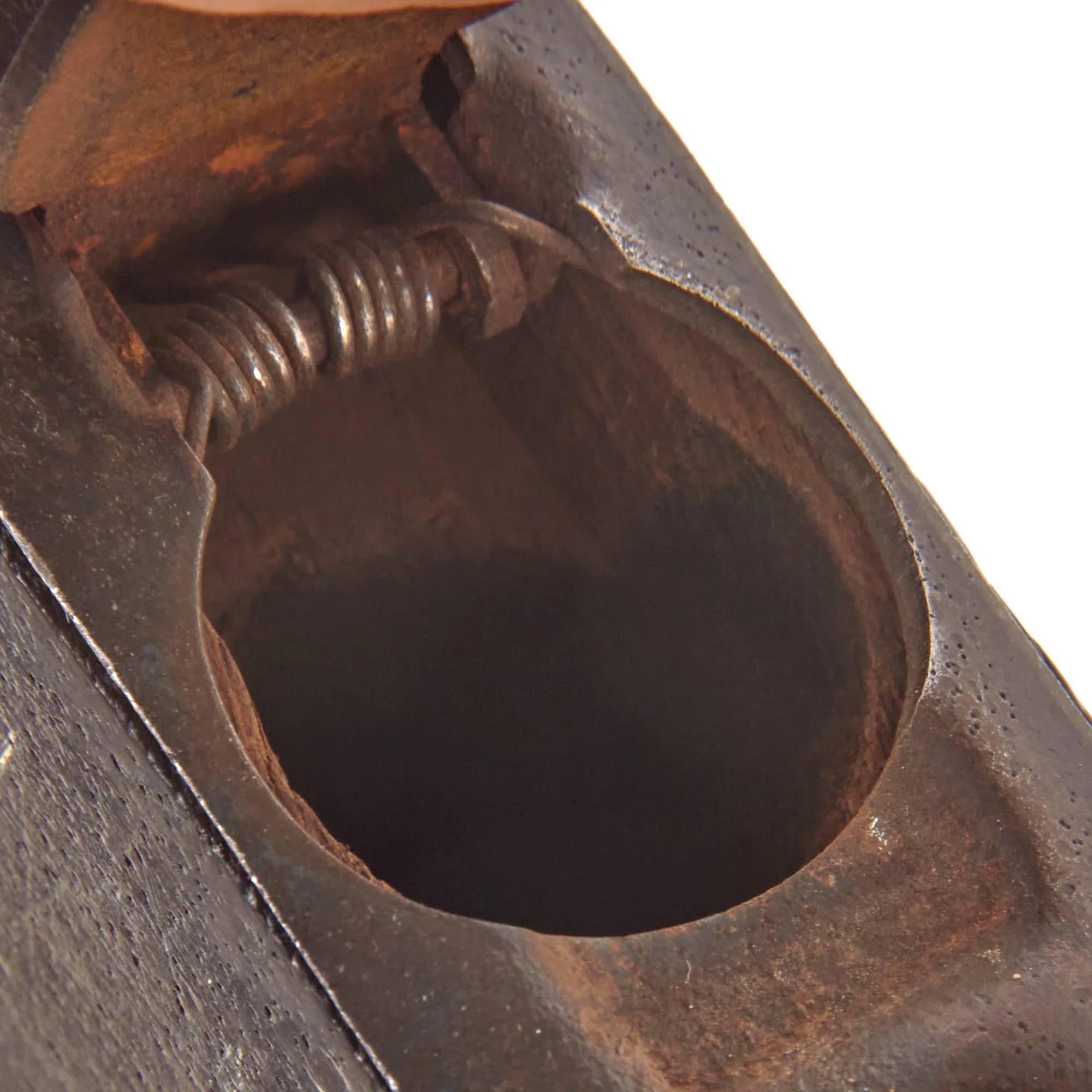
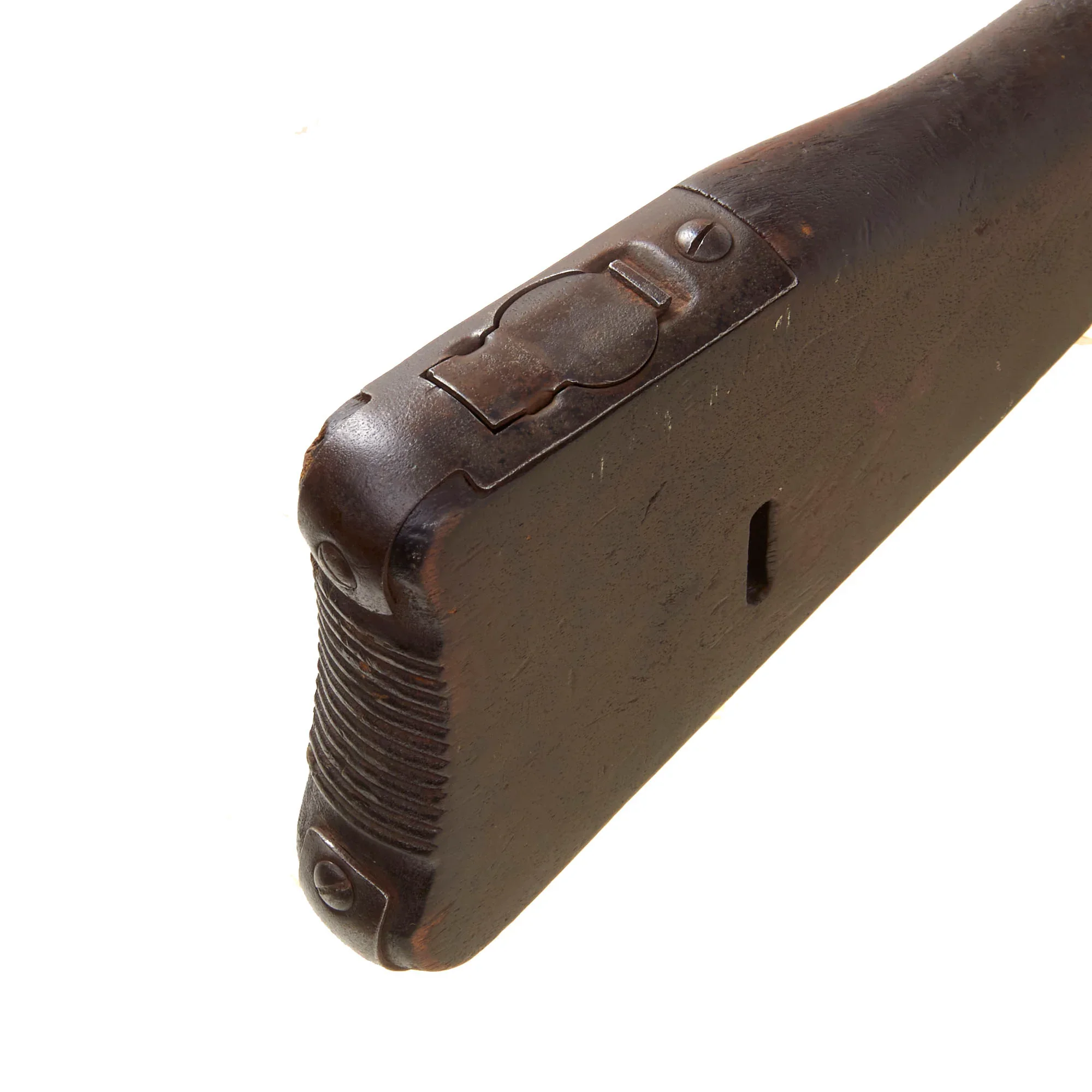
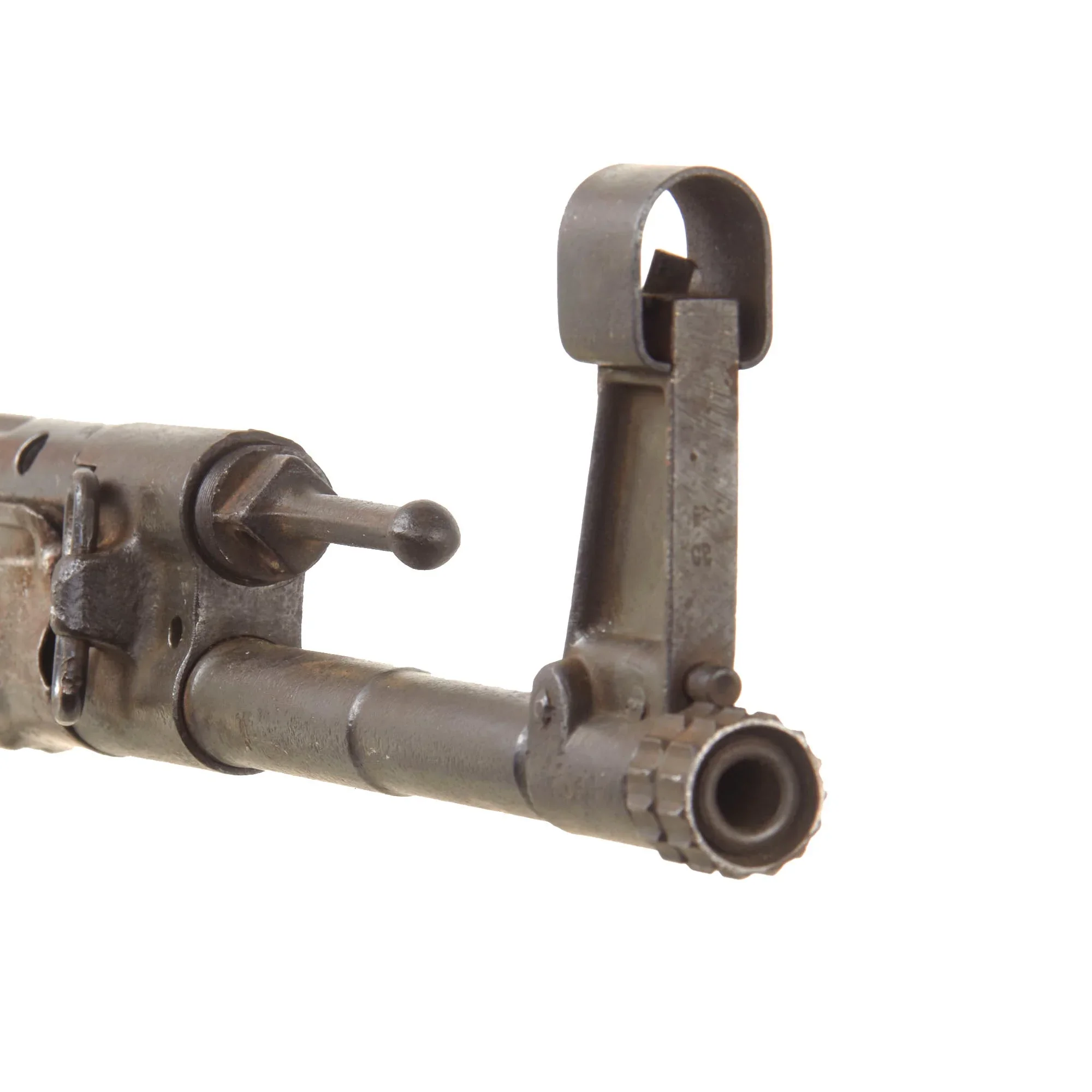
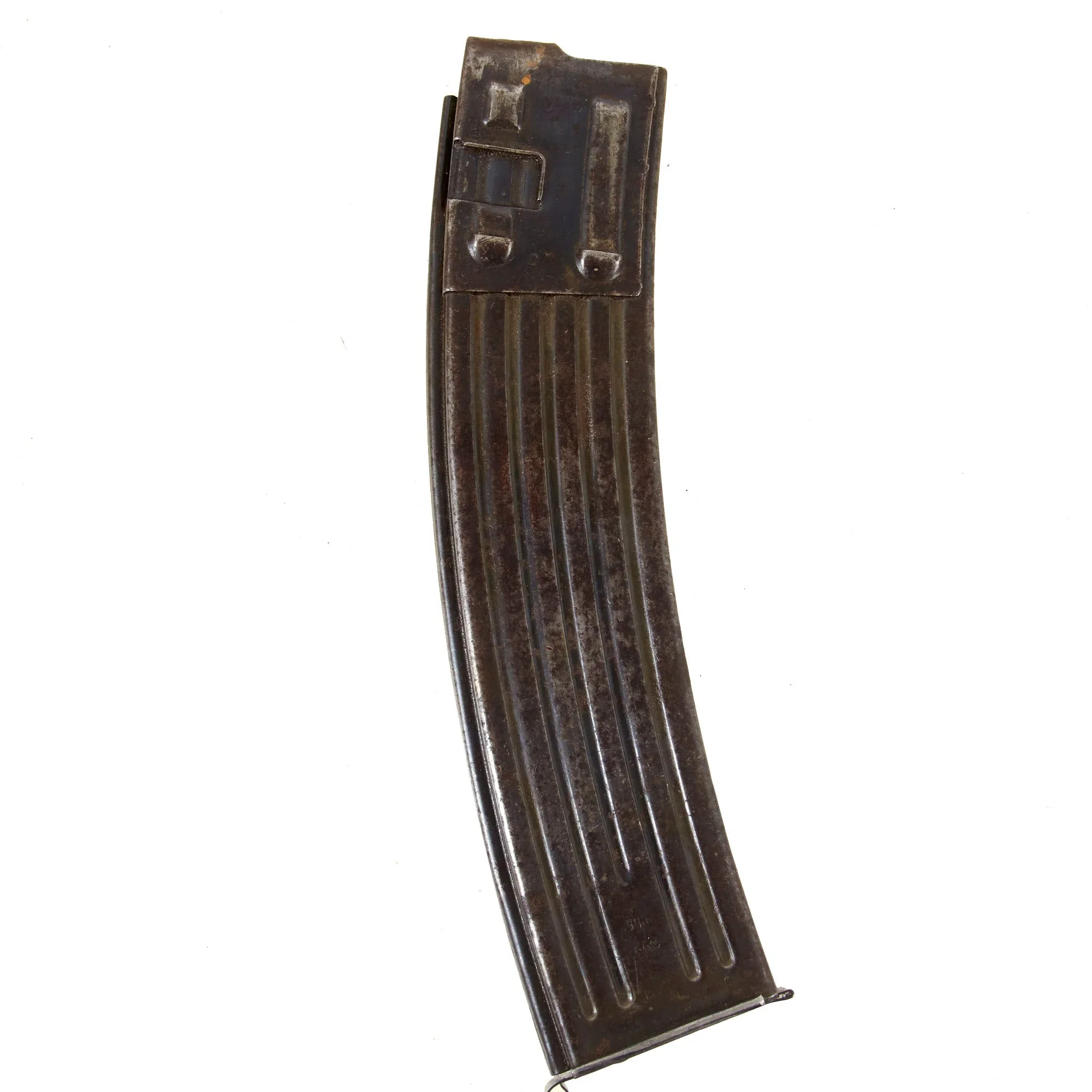
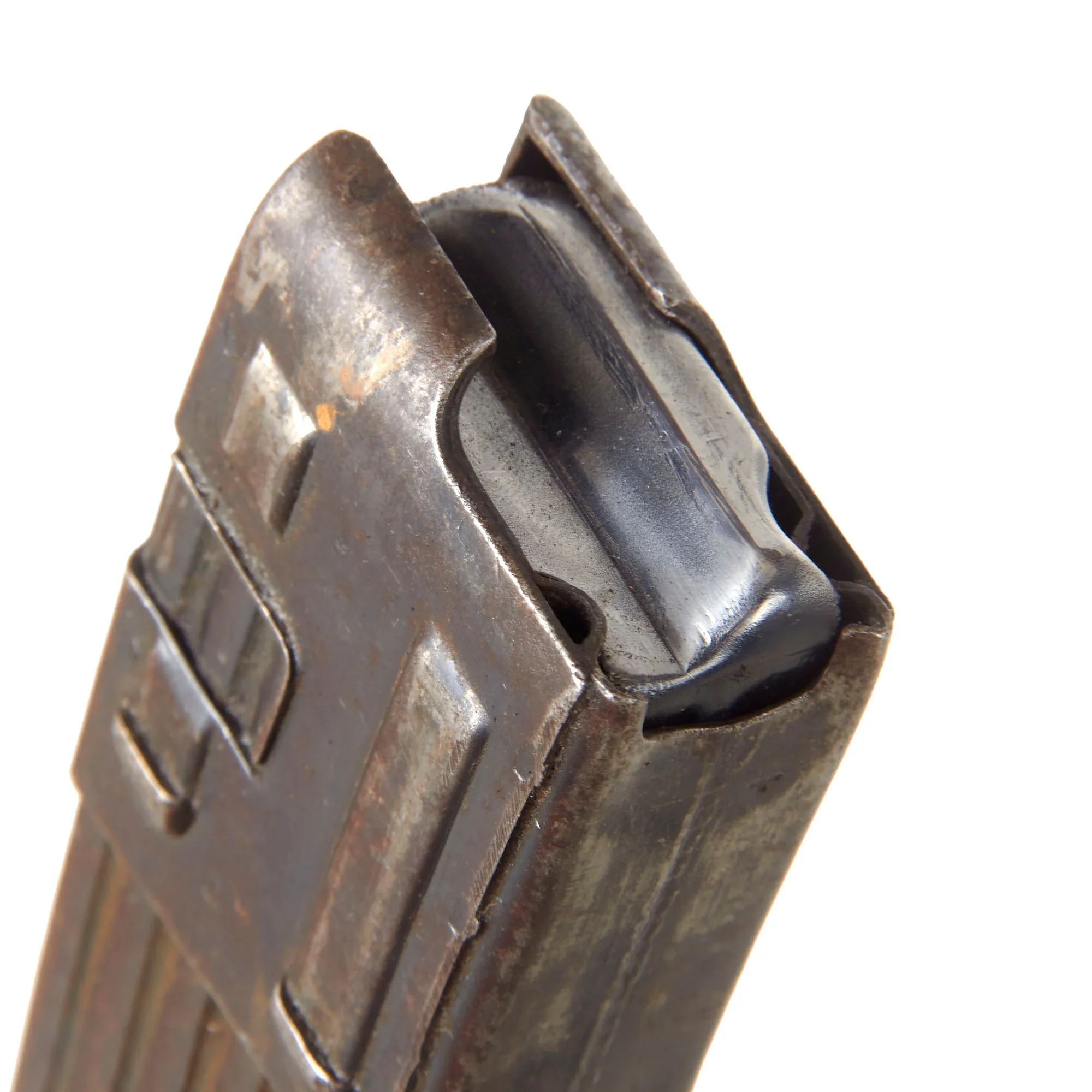
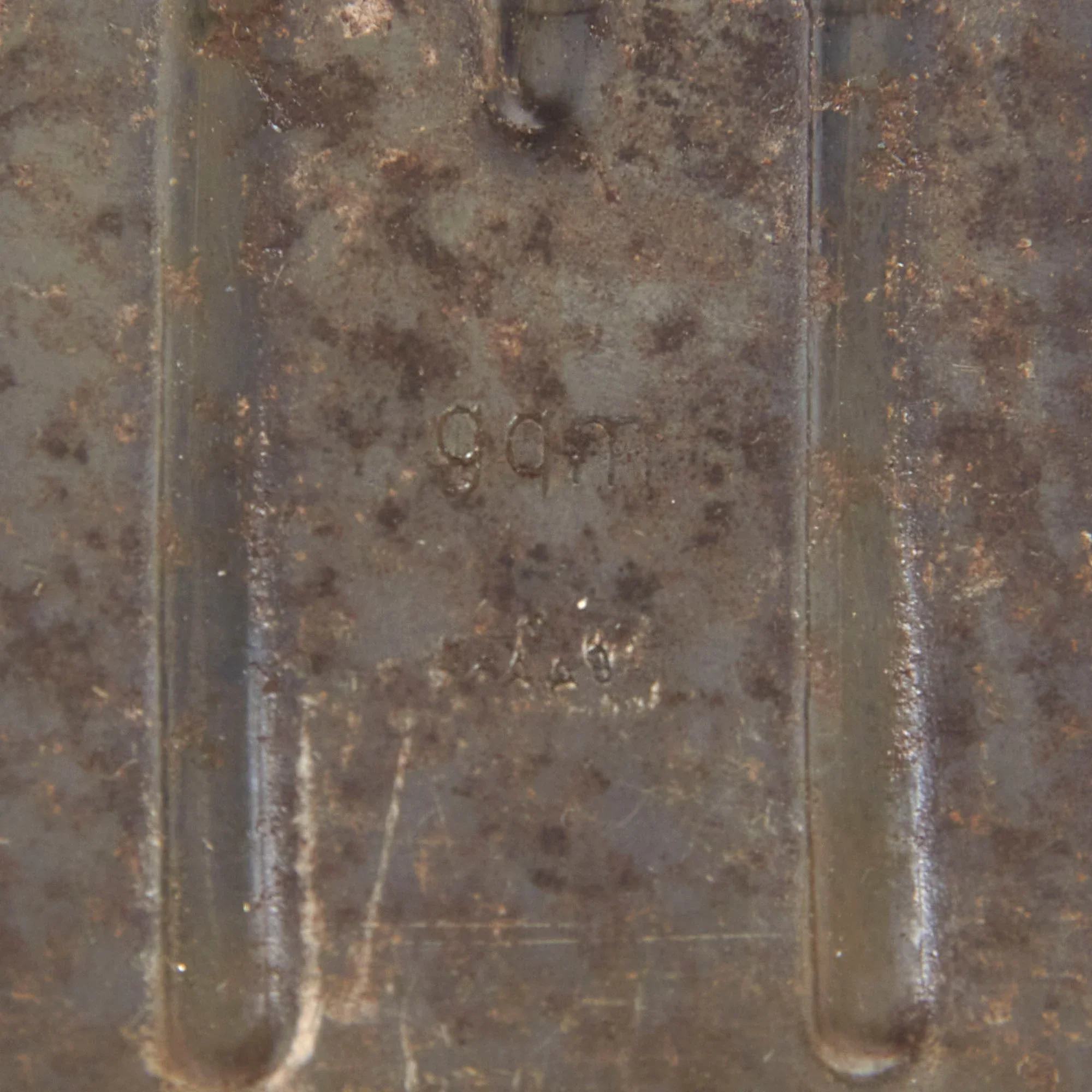
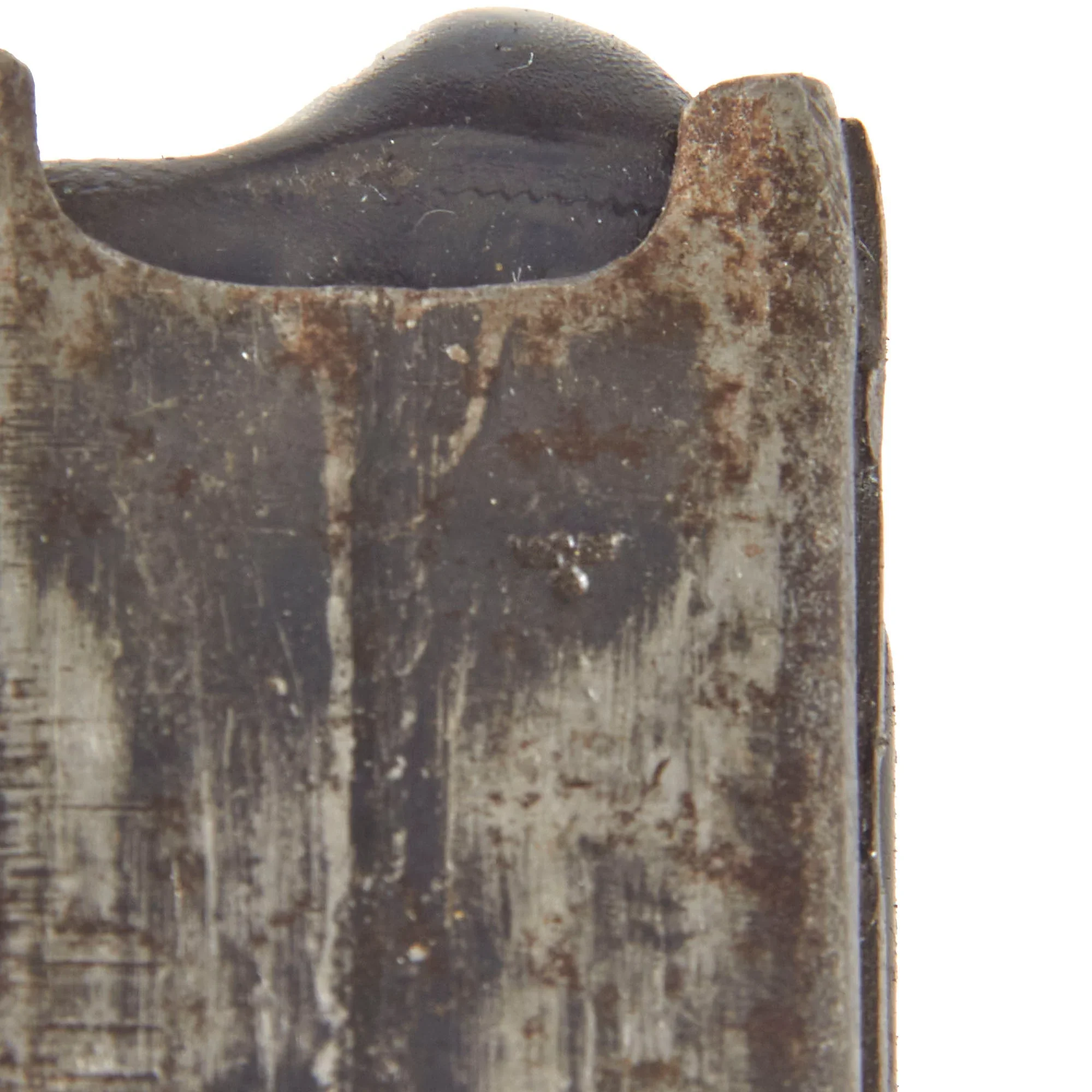
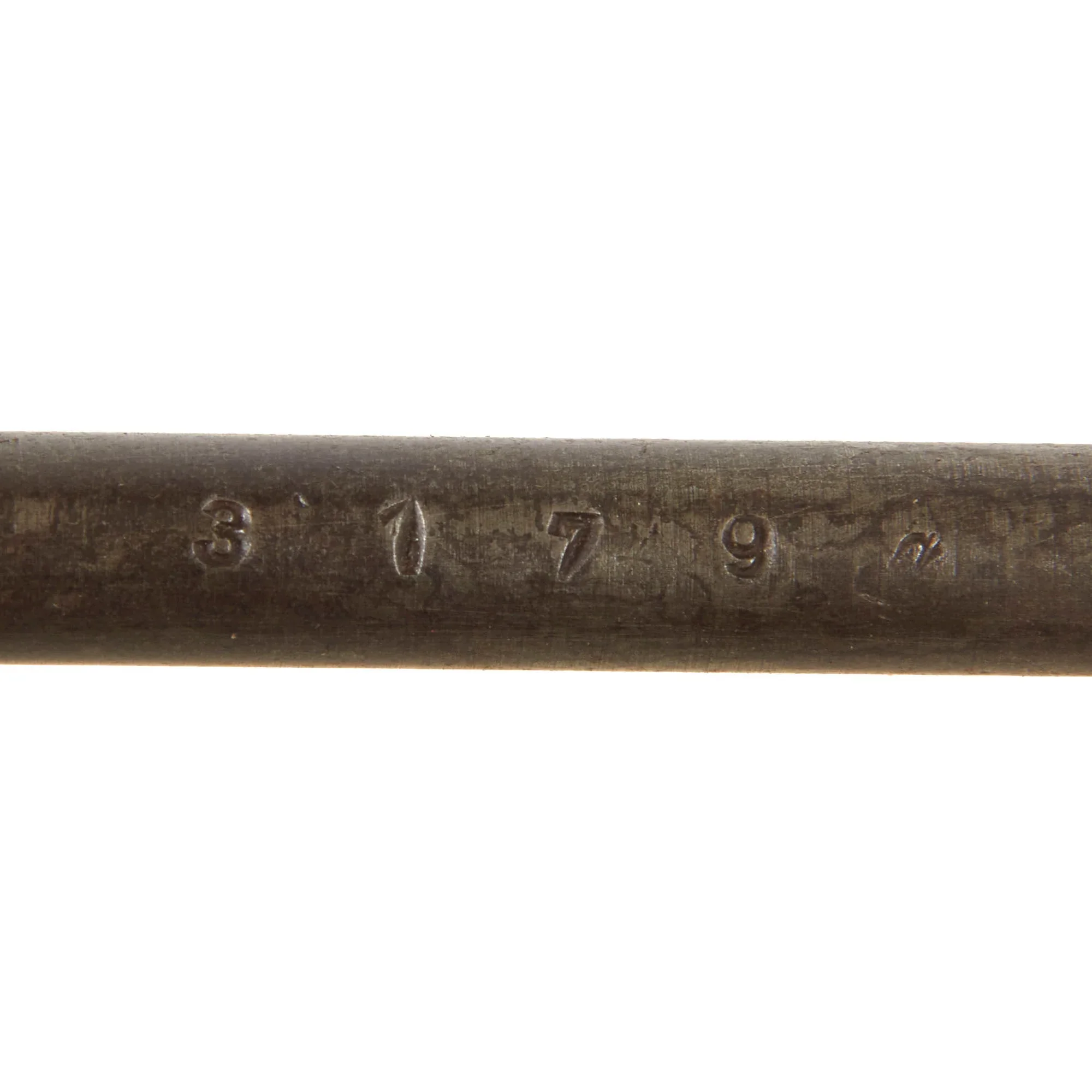
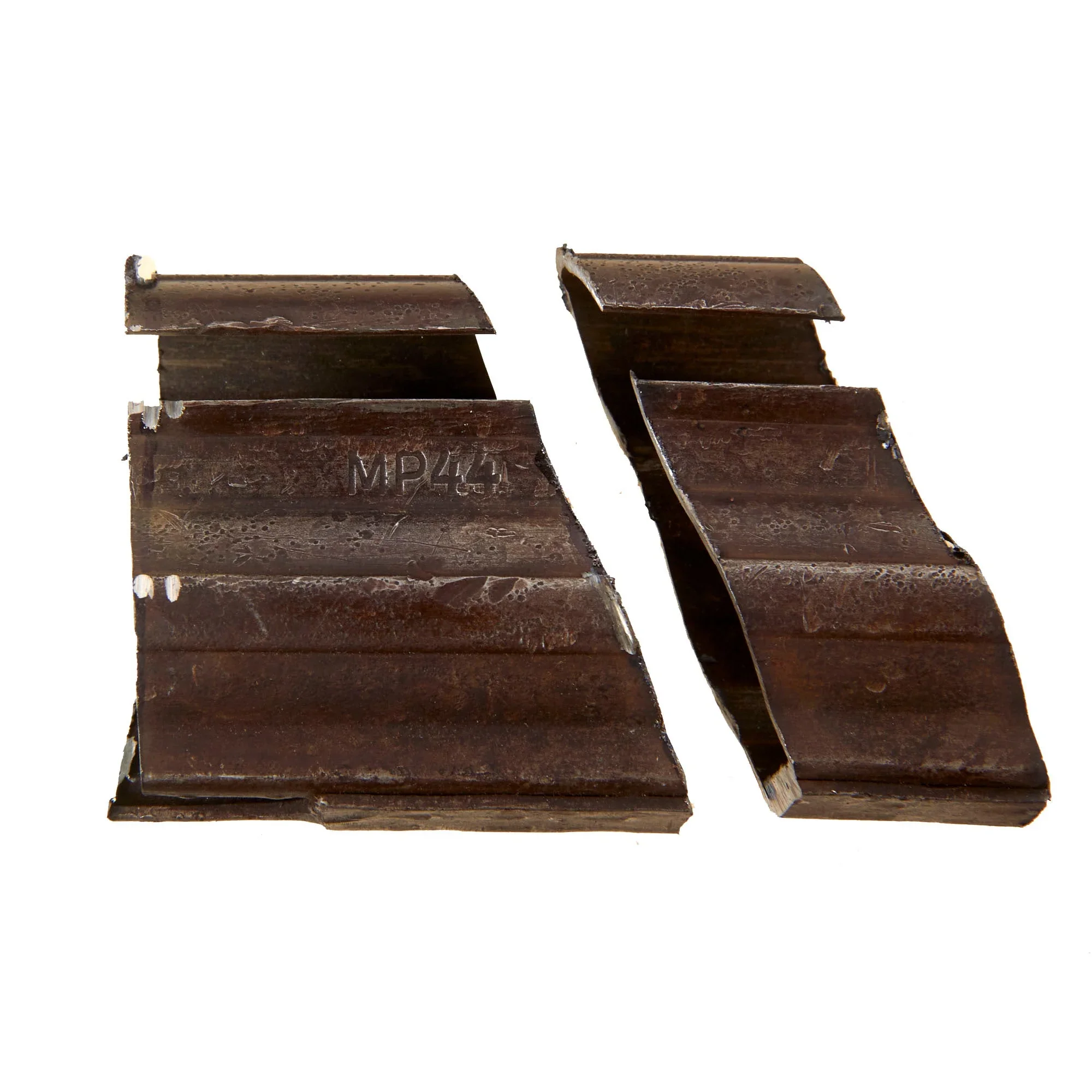
This artifact is a German World War II MP44 that has been deactivated for display. The rifle bears serial number 3179 q / 44 above the magazine well, indicating production in 1944, and several components retain matching or shortened versions of the same number, including the trigger group, buttstock cup, and gas piston. The rifle also retains an early solid wood buttstock rather than the later laminated type. Visible tearing and deformation on the left side of the stamped receiver appears consistent with shrapnel damage sustained during combat.
Verbal provenance accompanied the rifle stating that it was recovered by an American soldier during the Battle of the Bulge (Ardennes Offensive) between December 1944 and January 1945 and later brought home to the United States as a war trophy. Unfortunately, no documentation identifying the veteran survived with the rifle, and the details of its capture have been lost over time. The MP44, later renamed Sturmgewehr 44, is widely regarded as the first successful assault rifle to see large-scale military use and represents an important milestone in the development of modern infantry weapons.
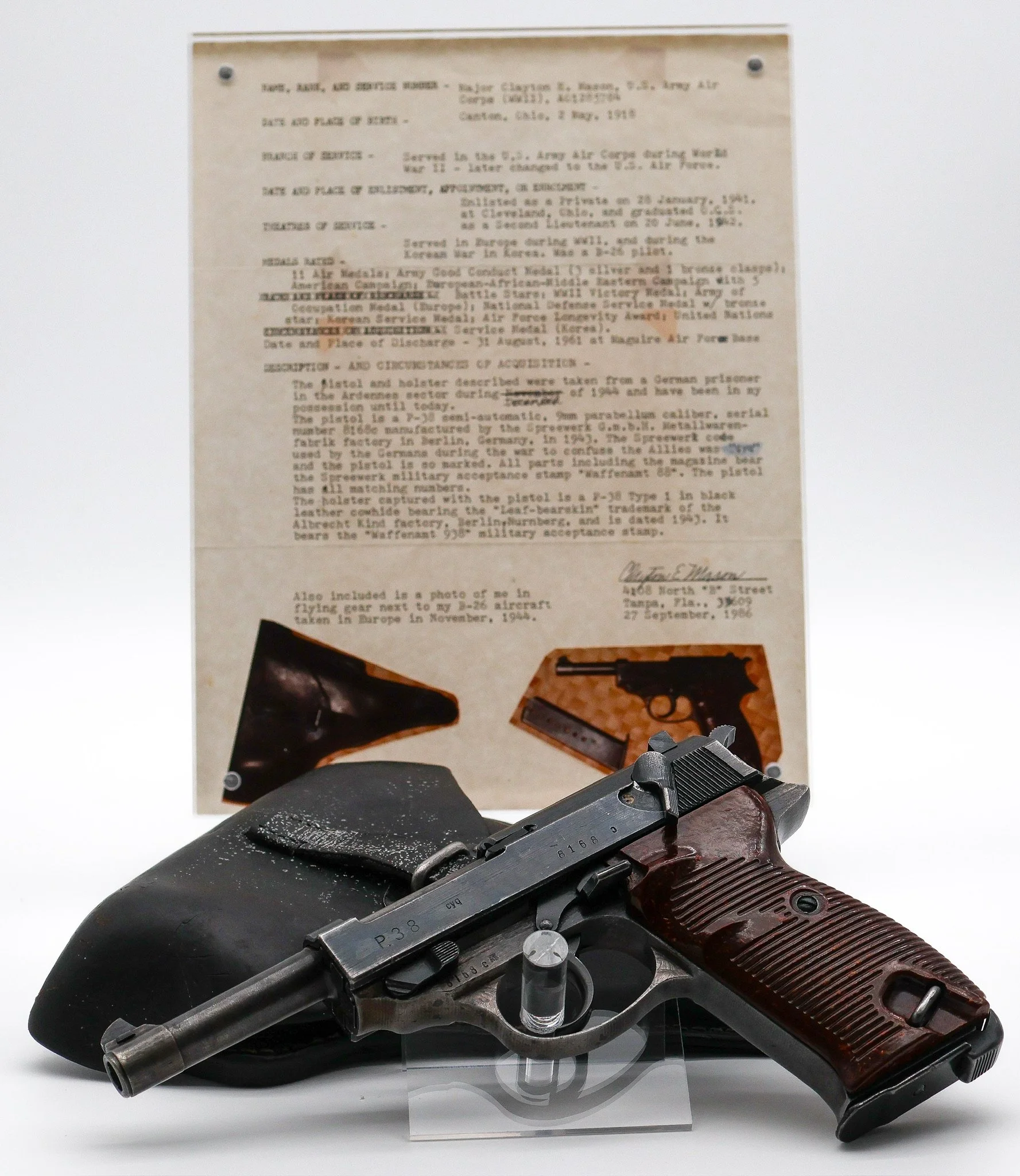
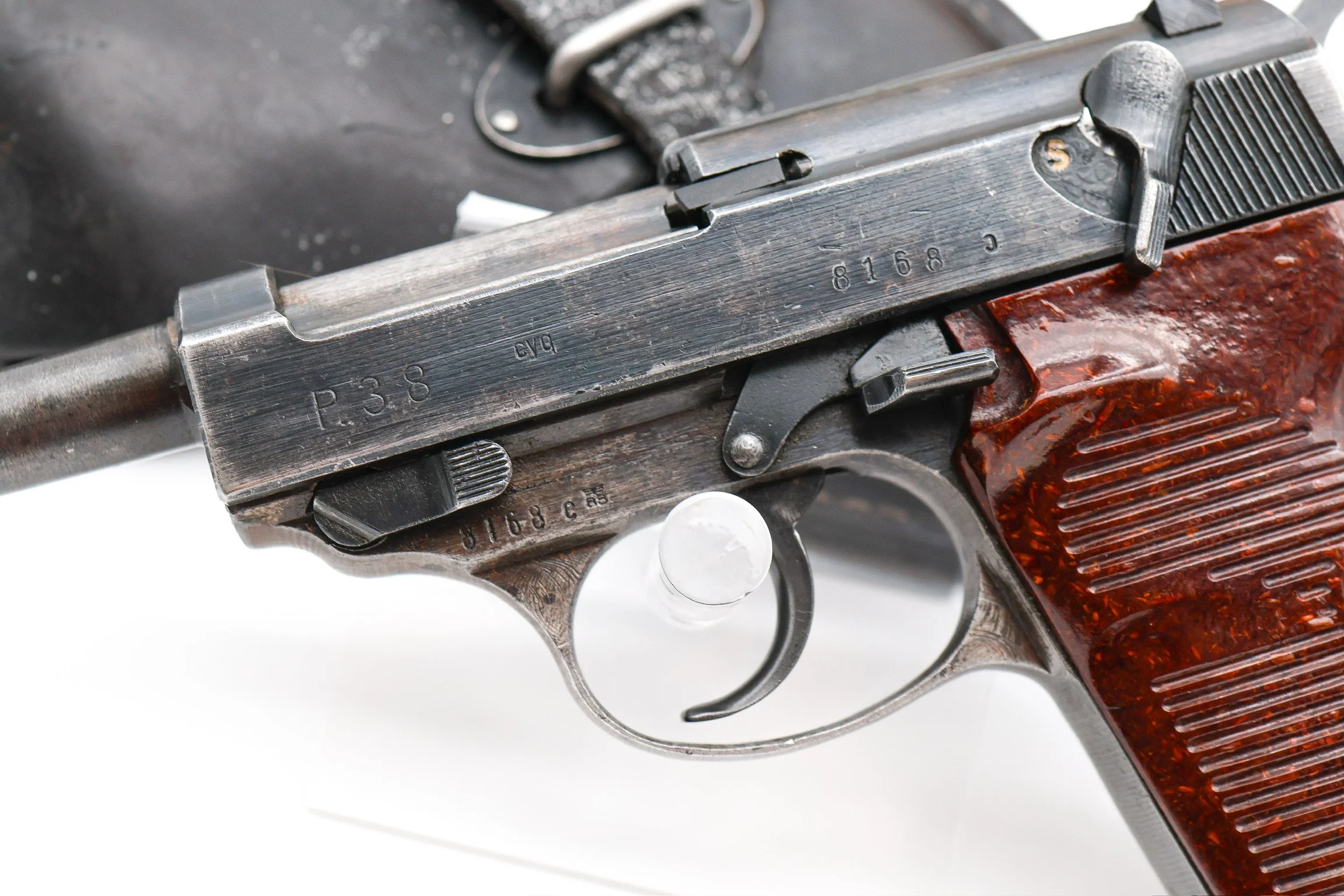
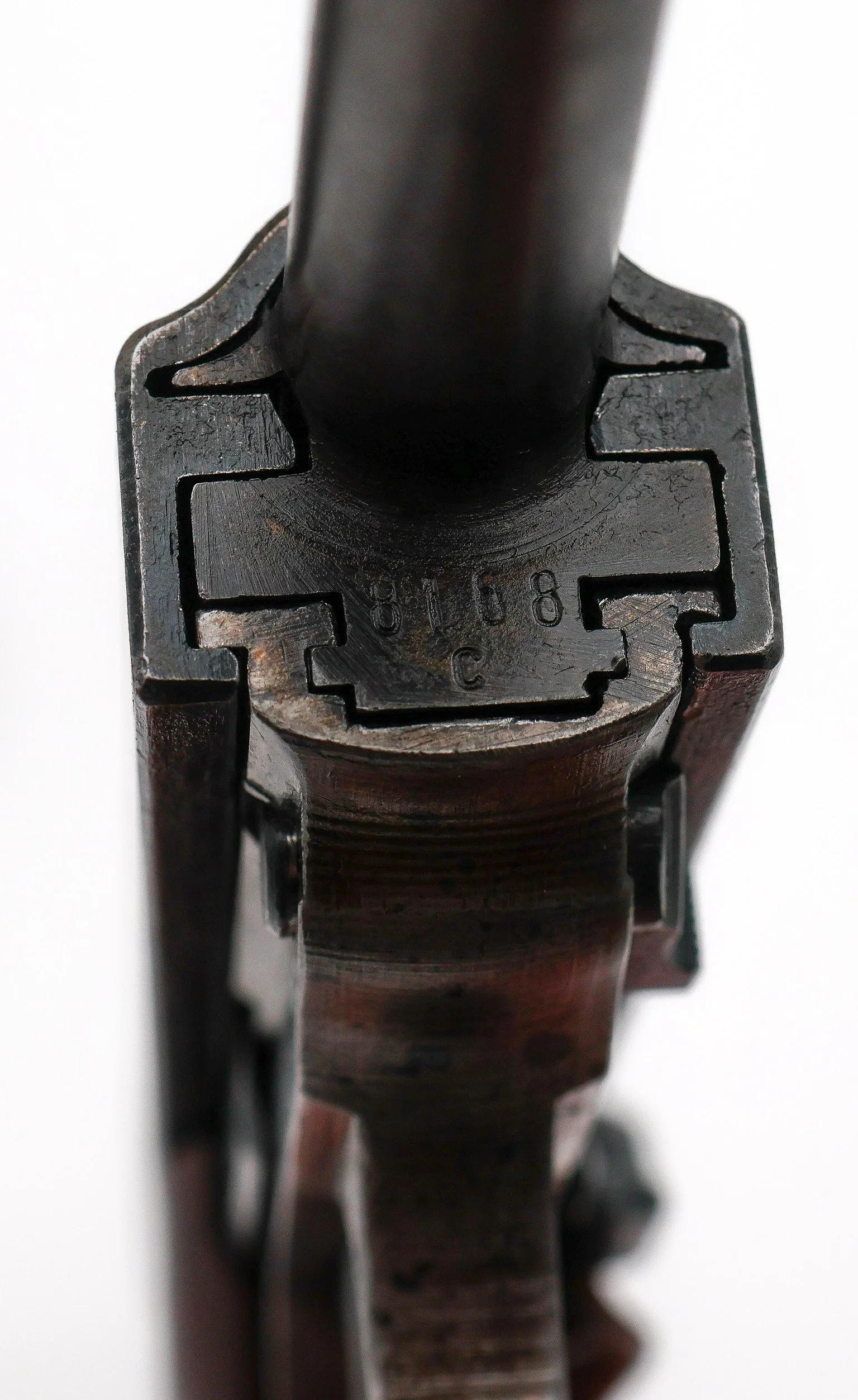
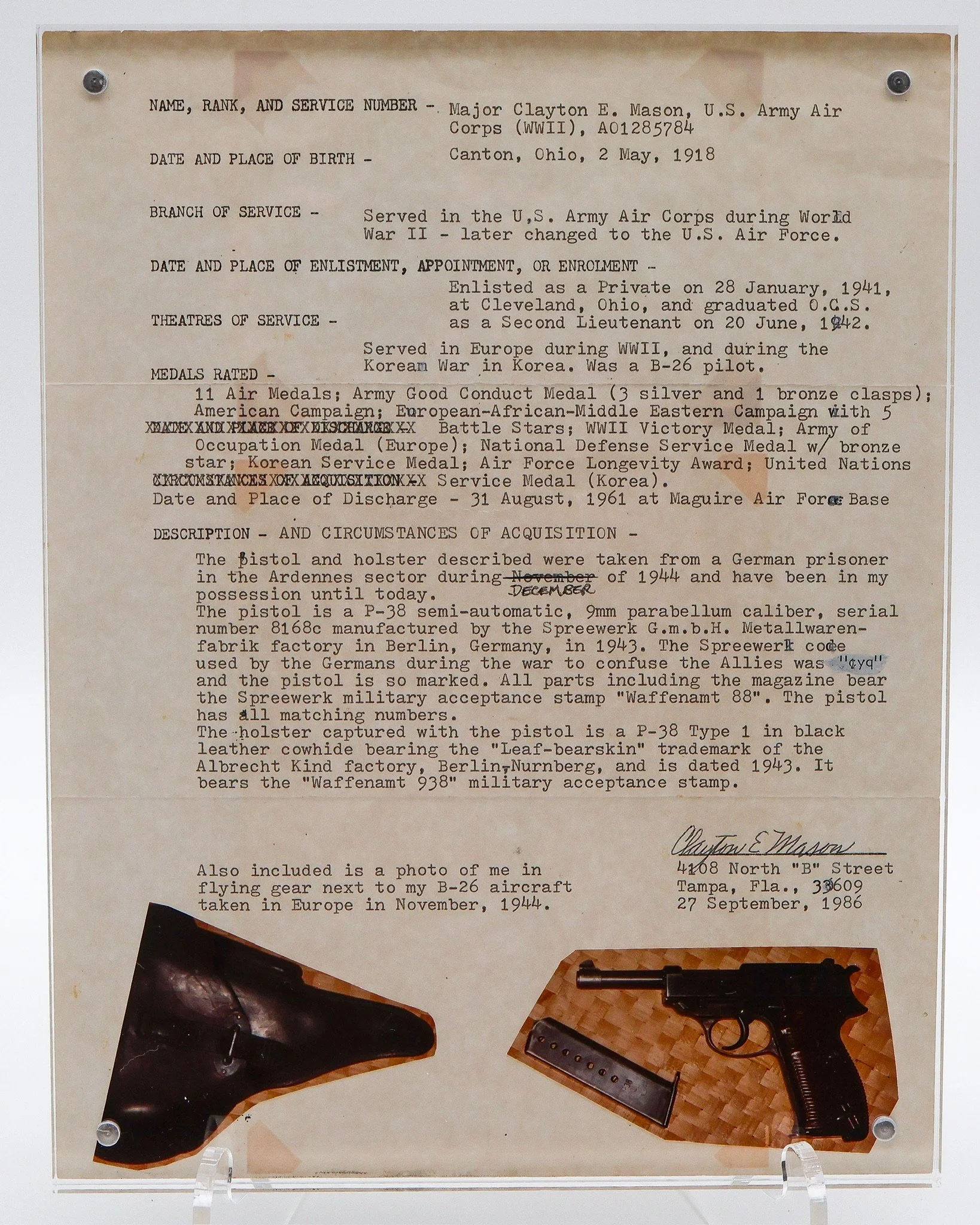
This German Walther P38 pistol was captured during the Battle of the Bulge in December 1944 by Major Clayton E. Mason of the U.S. Army Air Corps. The pistol was manufactured in 1943 at the Spreewerk factory in Berlin and bears the “cyq” manufacturer code, along with Waffenamt 88 acceptance markings. It retains matching serial numbers, 6186g.
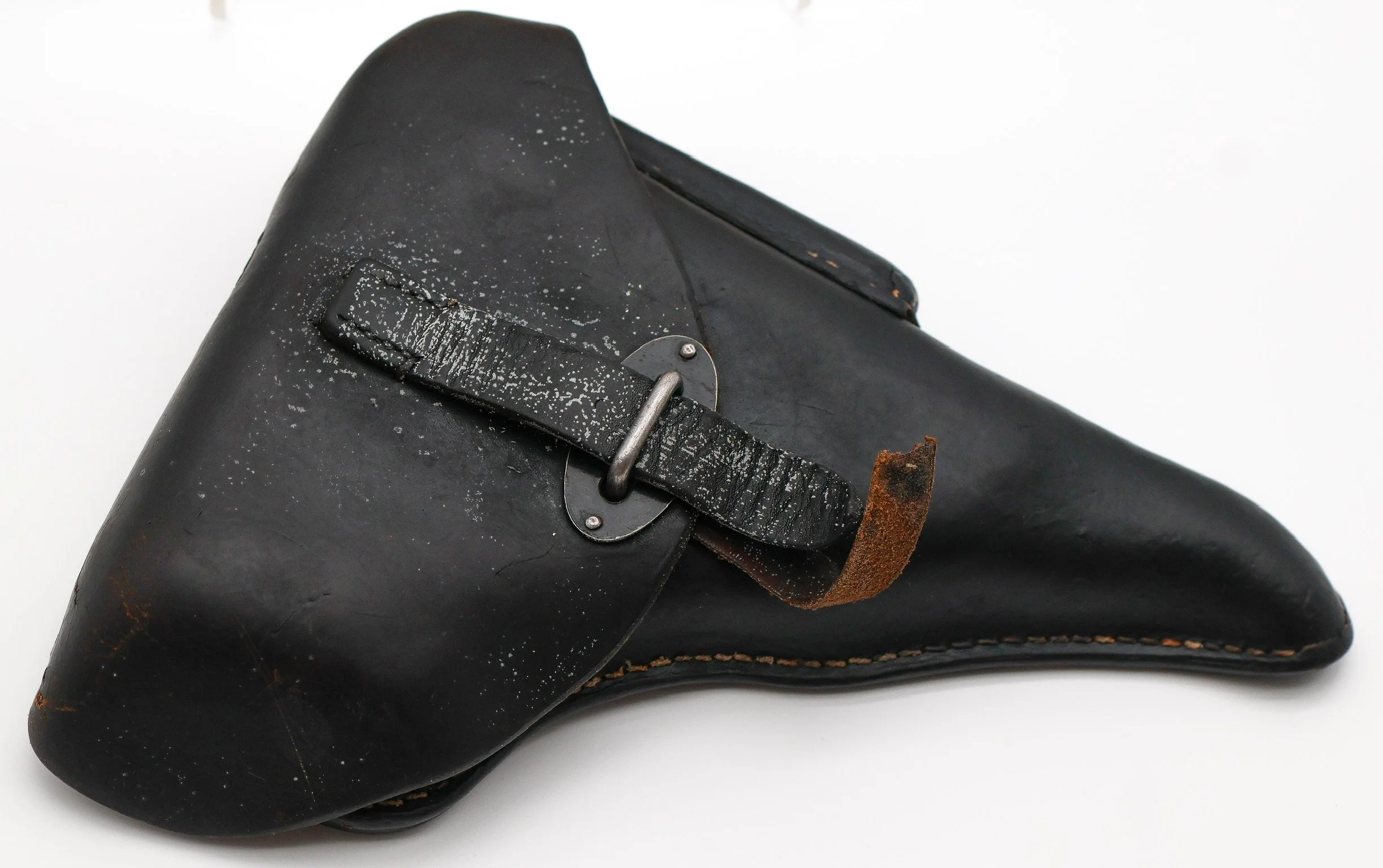
The pistol is accompanied by its original black leather P38 Type 1 holster, produced by the Albrecht Kind factory of Berlin–Nürnberg and marked with Waffenamt 938.
Major Mason acquired the pistol in the Ardennes while flying food and ammunition resupply missions to American forces surrounded at Bastogne. On one occasion, he drove up toward the front lines to observe conditions on the ground and encountered German prisoners being escorted to the rear by U.S. troops. He selected this pistol from one of the captured soldiers and retained it for the remainder of his life.
Walther P38 Pistol Captured from a German POW during the Battle of the Bulge
-
On June 11, 1944, Pfc. Shadle landed in Normandy with the 47th Infantry Regiment (9th Infantry Division) at Sainte-Marie-du-Mont. Within one month—on July 11, 1944—he was killed in action by artillery shrapnel near the village area of Mesnil-Véneron during a violent German counterattack associated with the Panzer Lehr Division. He was only 20 years old at the time of his death.
Official records list Shadle as killed in action on July 11, 1944, and he was awarded the Purple Heart. He is buried in France at the Normandy American Cemetery at Colleville-sur-Mer (Plot H, Row 20, Grave 37).
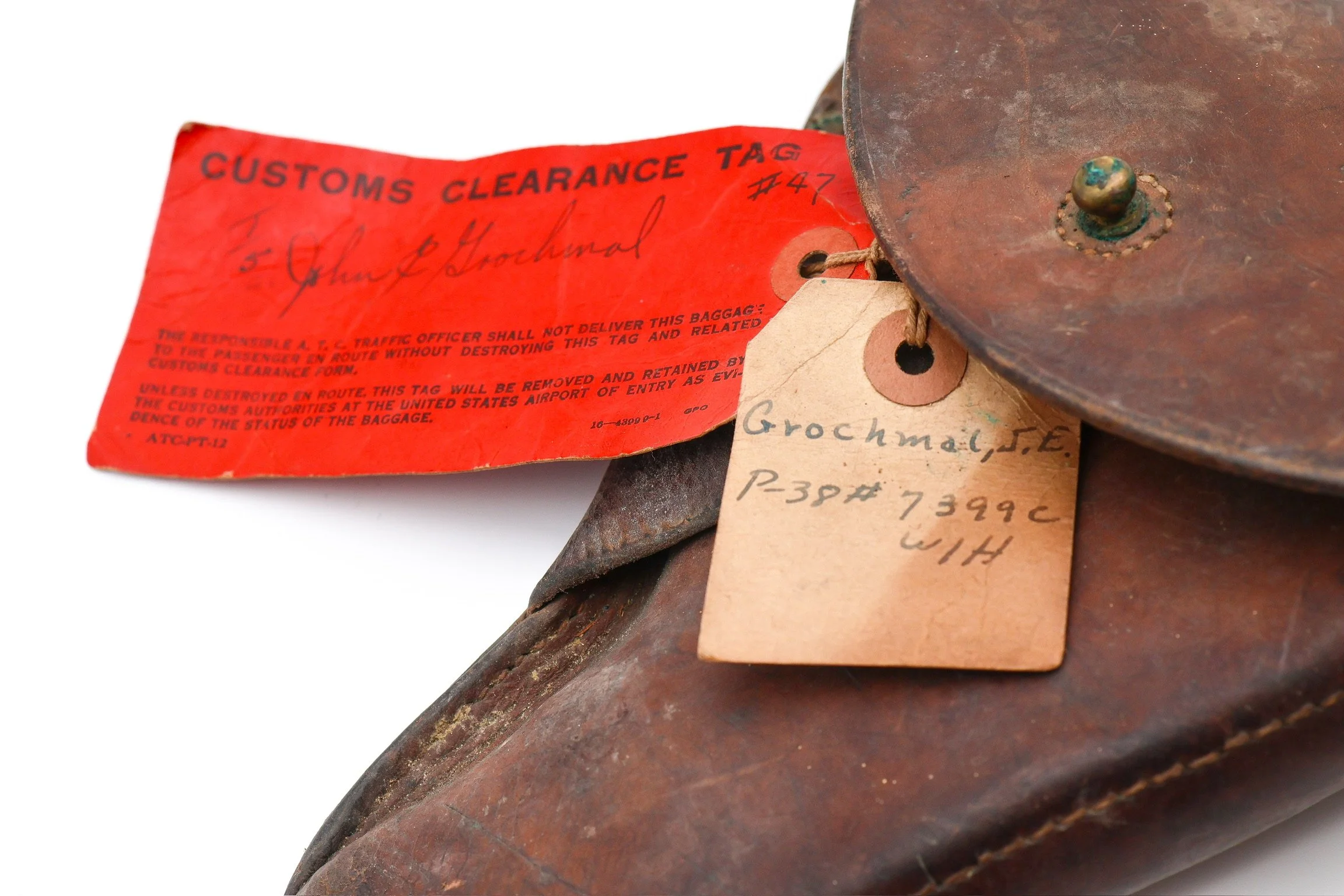
Walther P38 Pistol with Capture Papers and Import Tags
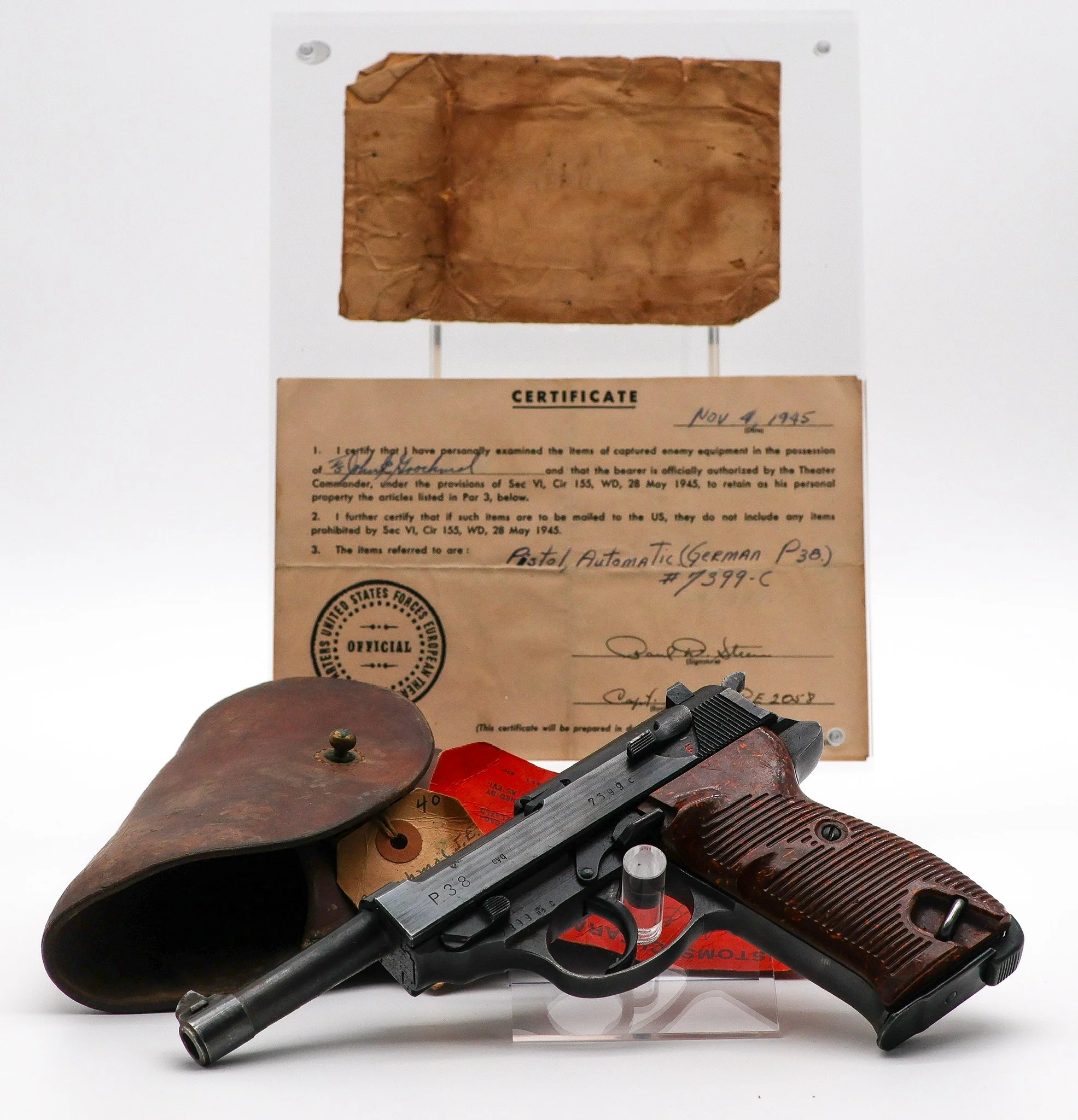
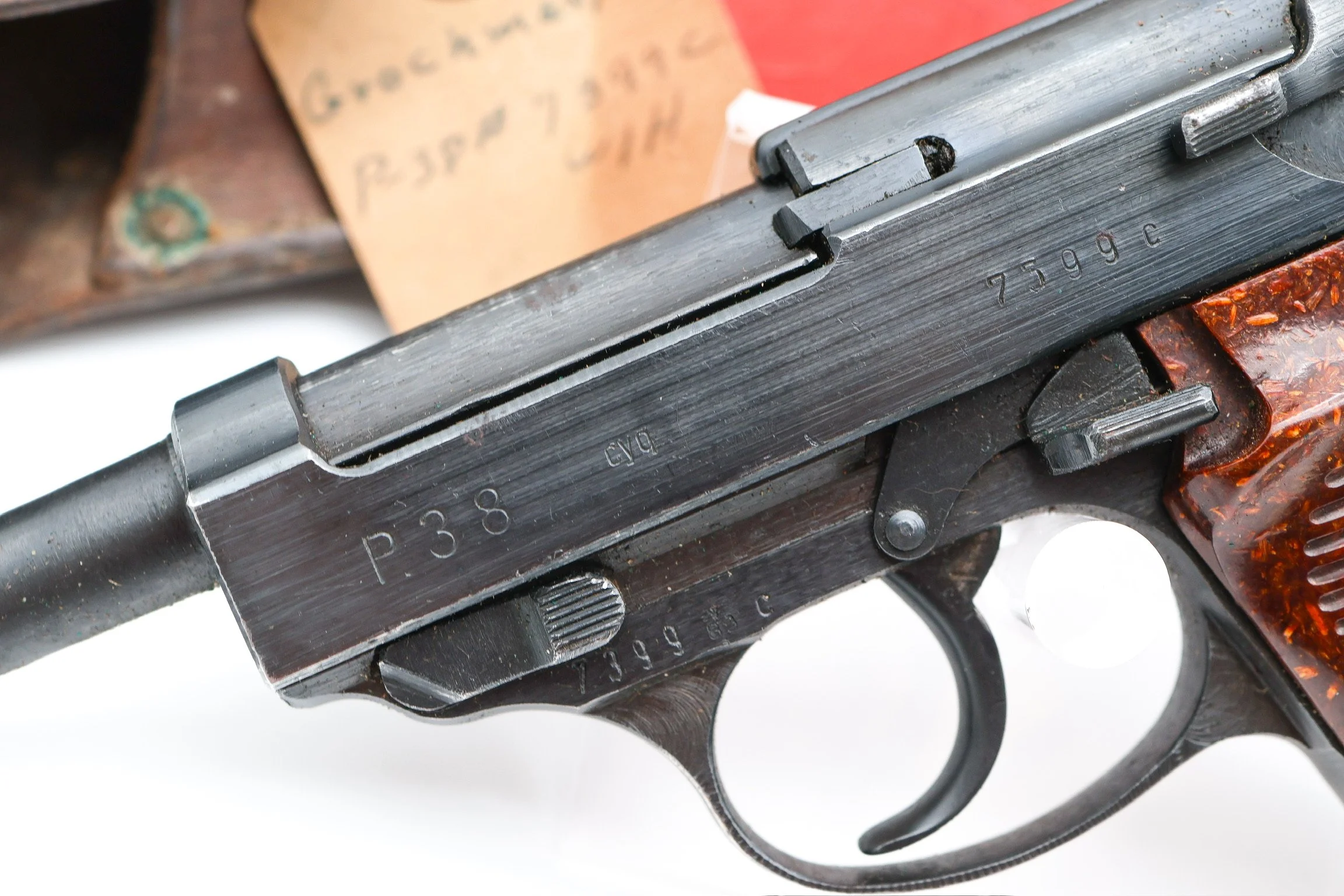
This German Walther P38 pistol was manufactured during World War II by Spreewerke and is marked with the “cyq” manufacturer code. Chambered in 9mm, it bears serial number 7399c and retains correct wartime markings, including eagle-over-88 acceptance stamps and eagle-over-swastika proofs on the slide and frame. The pistol features blued steel barrel, slide, and frame, with mottled brown grips.
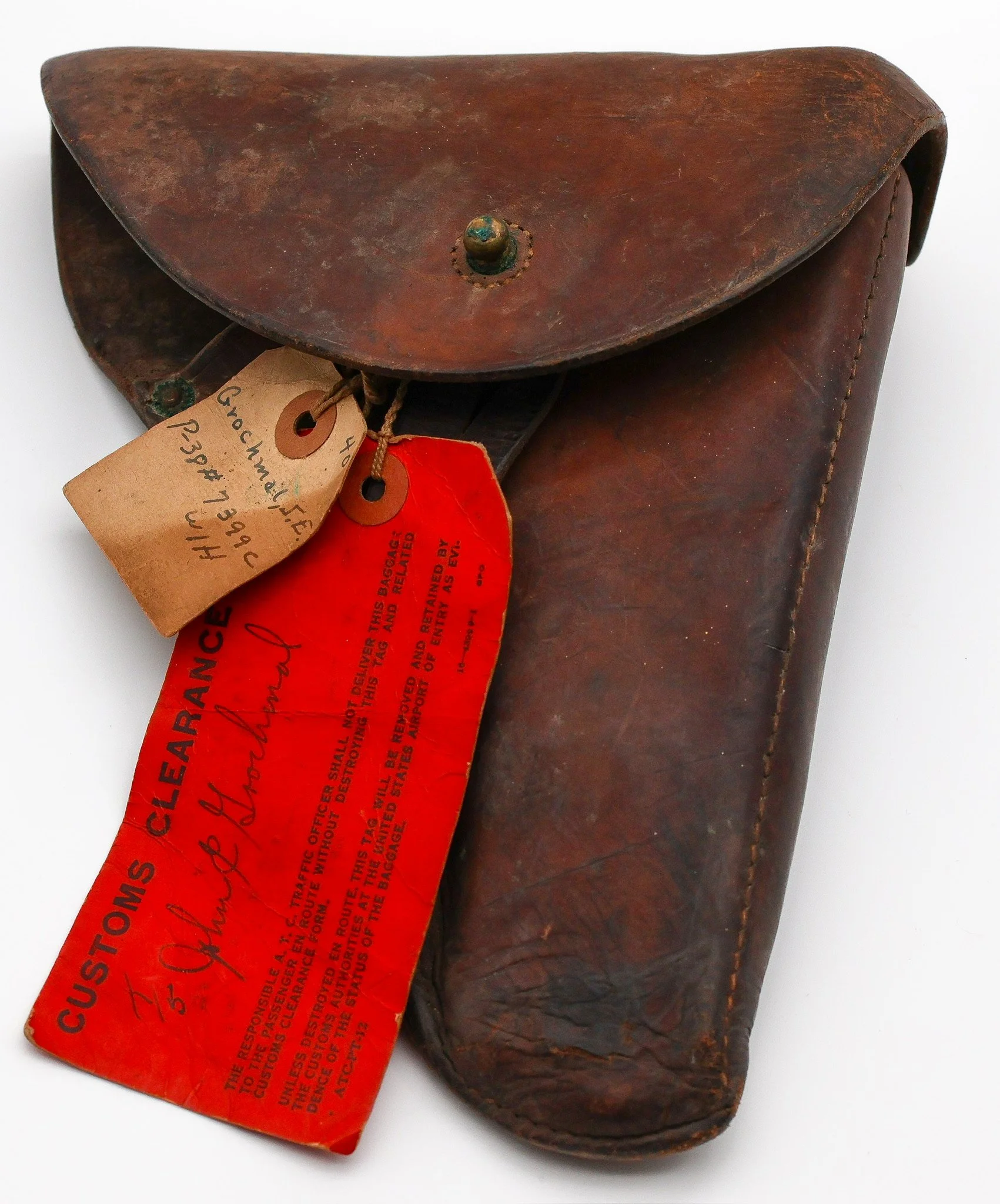
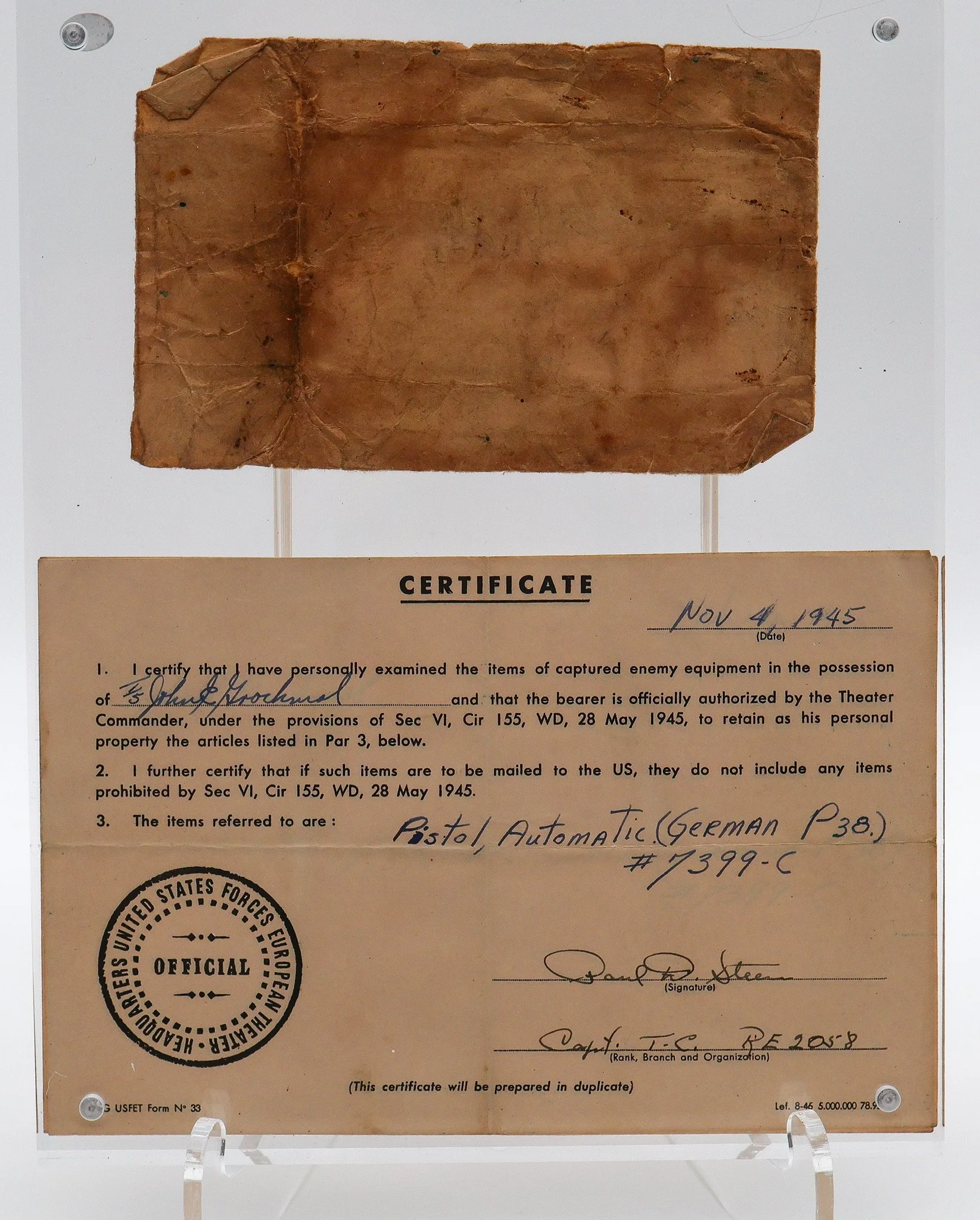
The pistol is accompanied by original U.S. capture papers dated 4 November 1945, identifying John C. Grochmal as the owner who brought it home at the end of the war. Import tags are also present, documenting its later entry into the United States. The pistol remains in good overall condition, showing minor bluing wear at the muzzle, sharp edges, and a bright bore with strong rifling. It is accompanied by one original magazine and a period Luger holster.
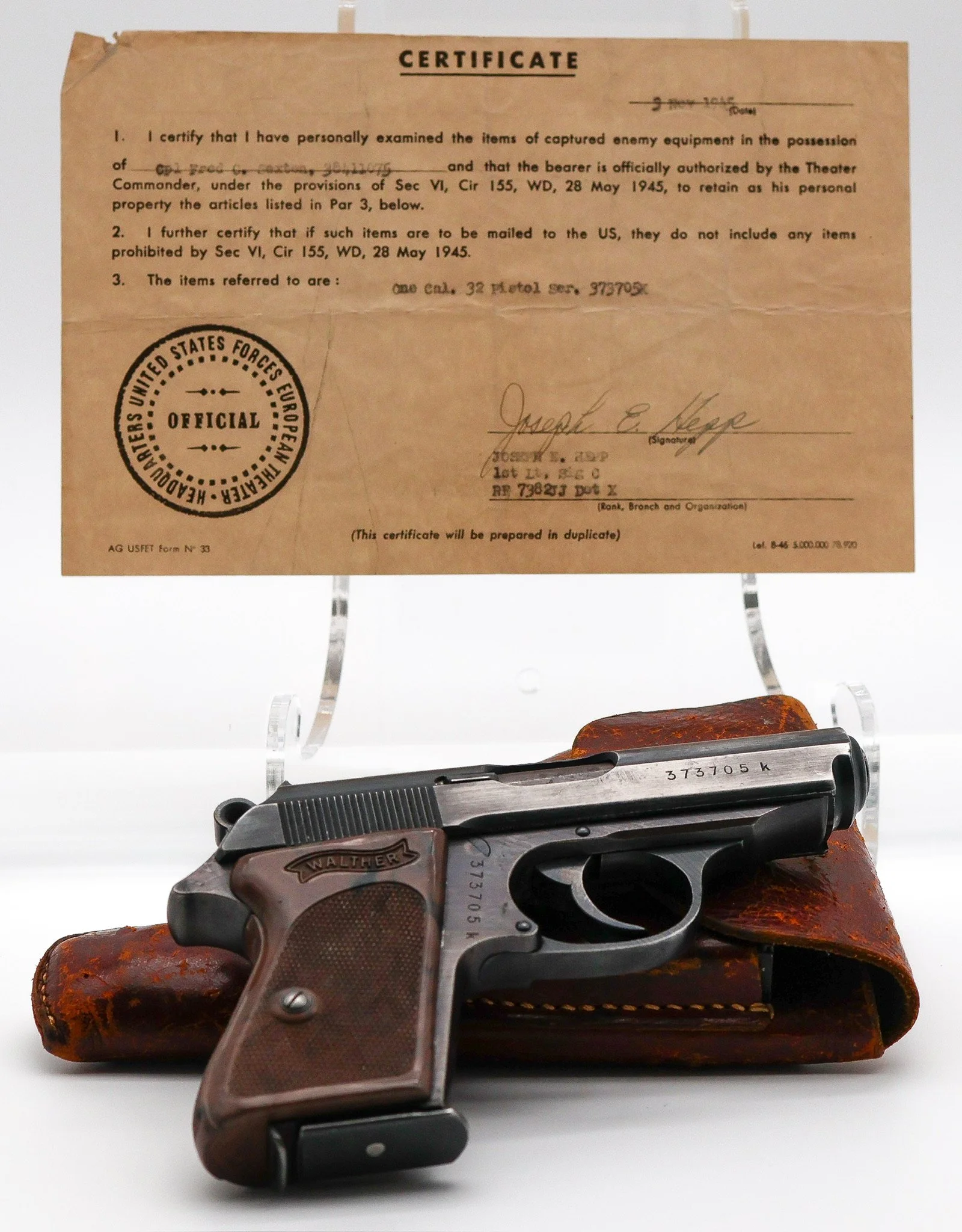
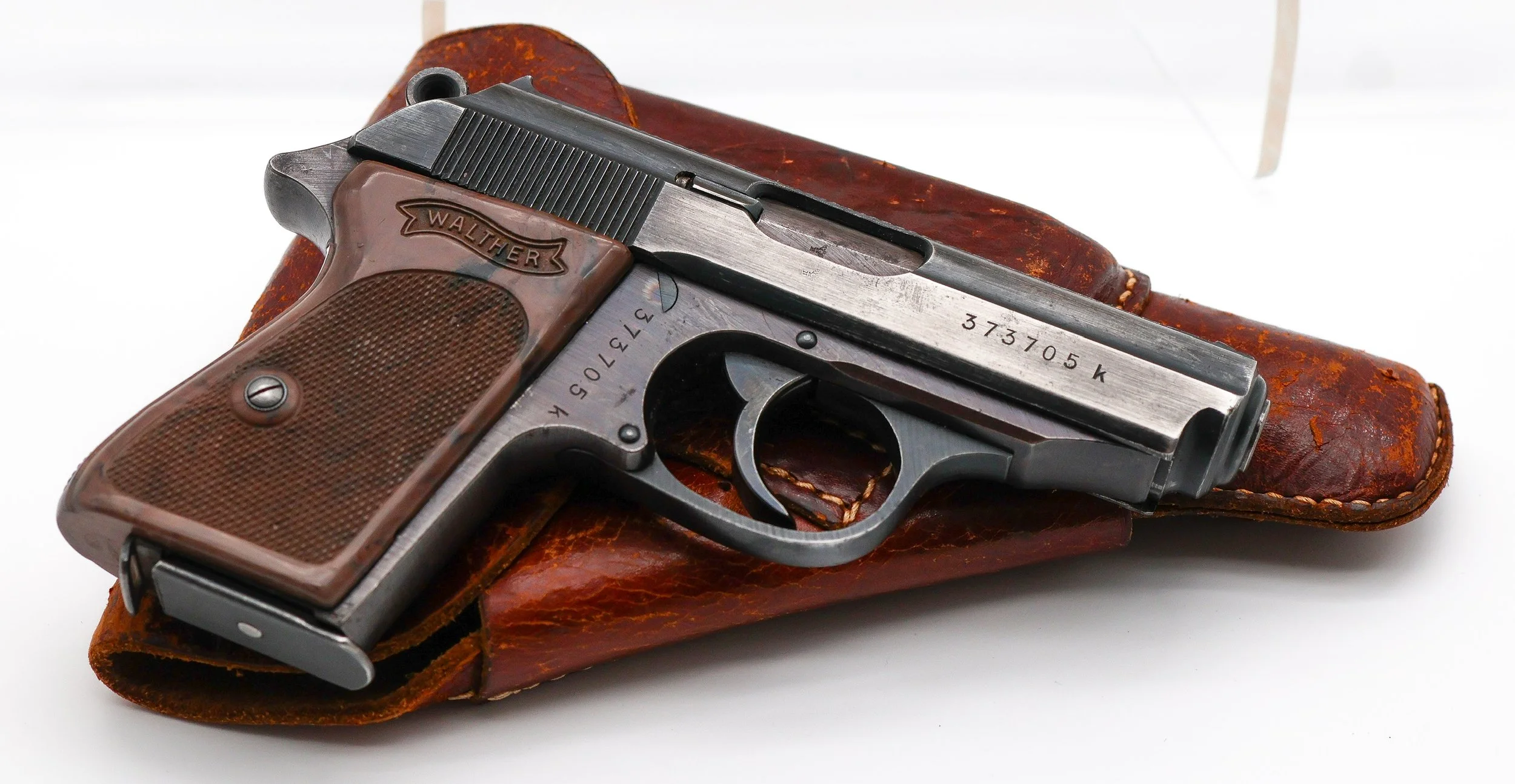
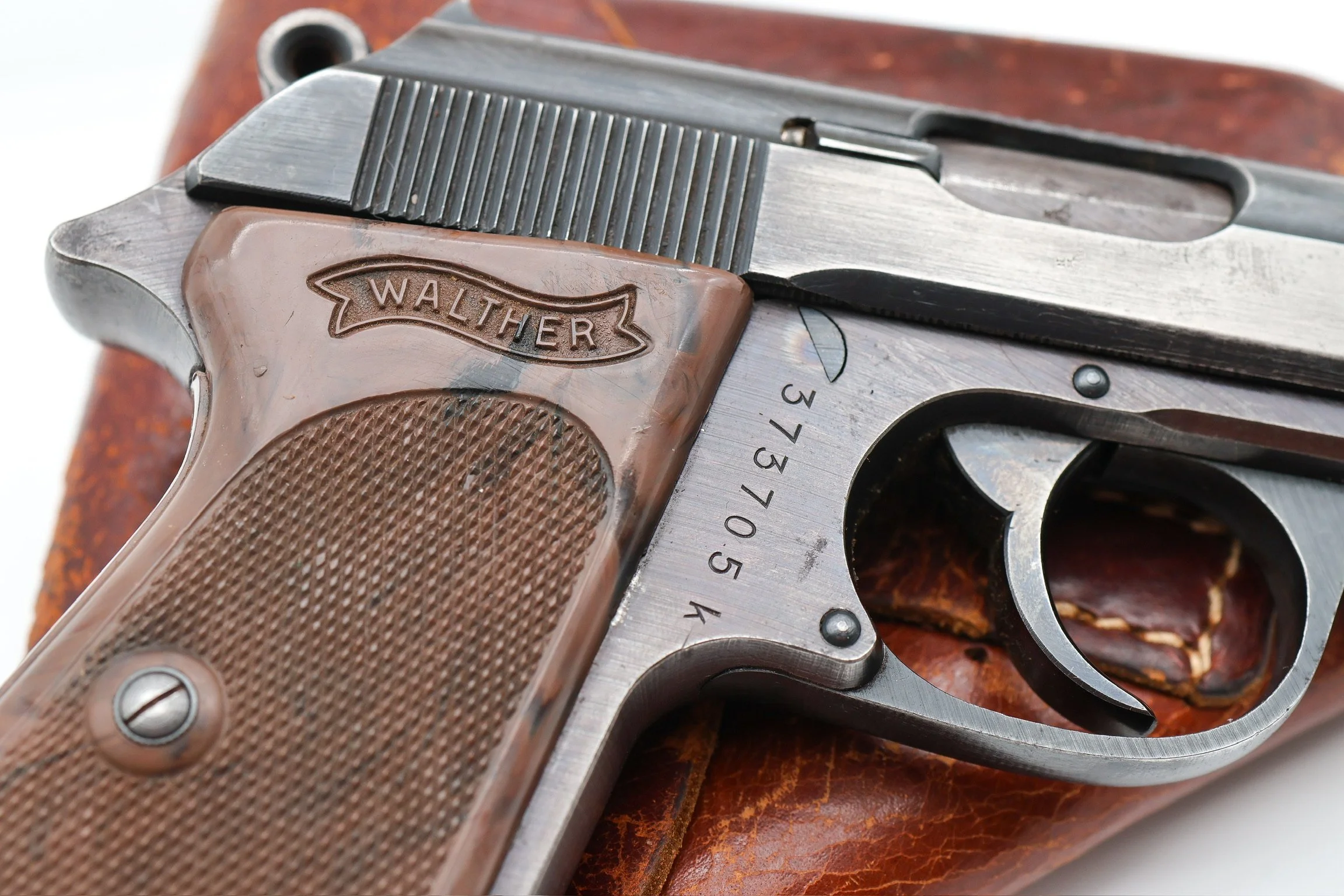
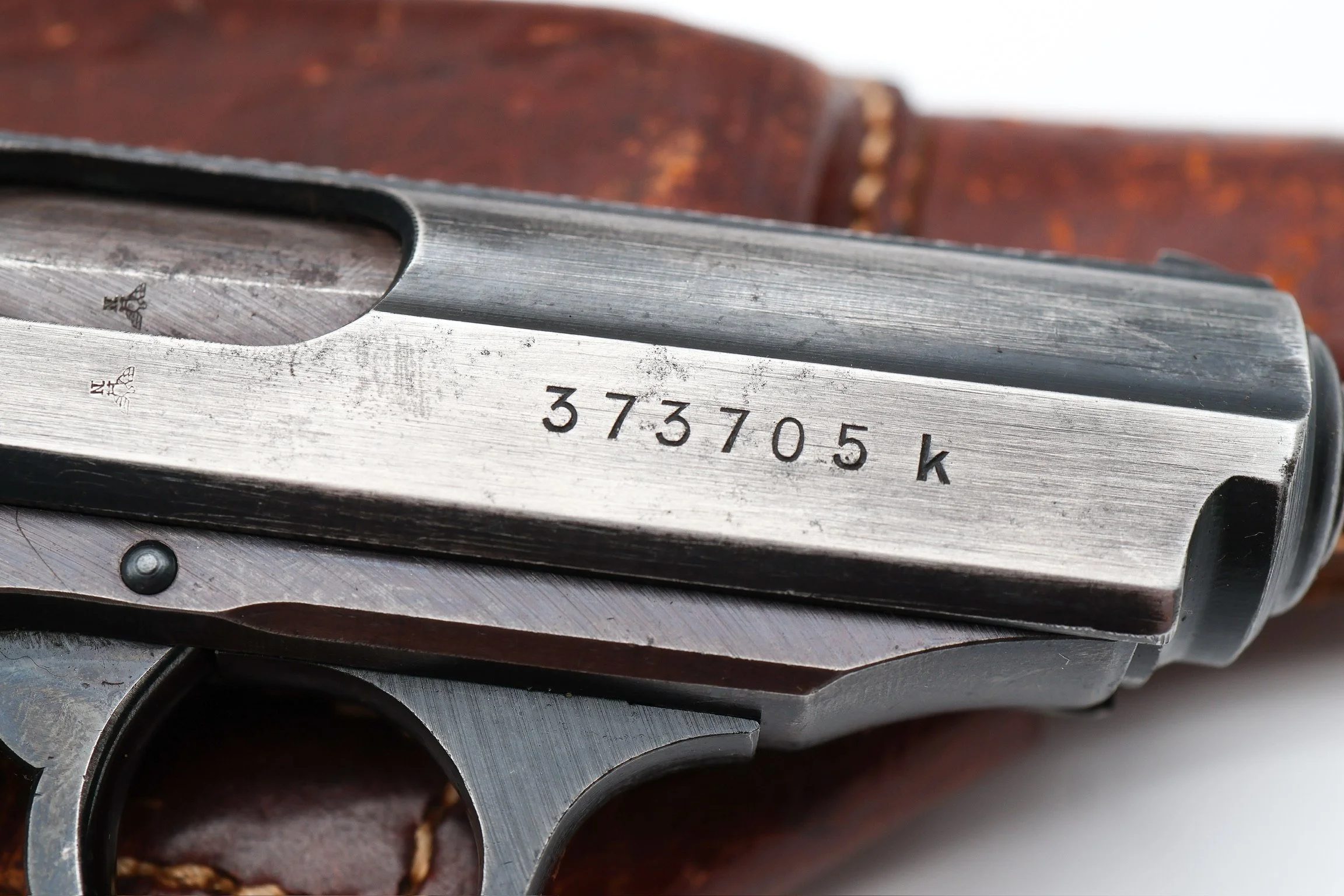
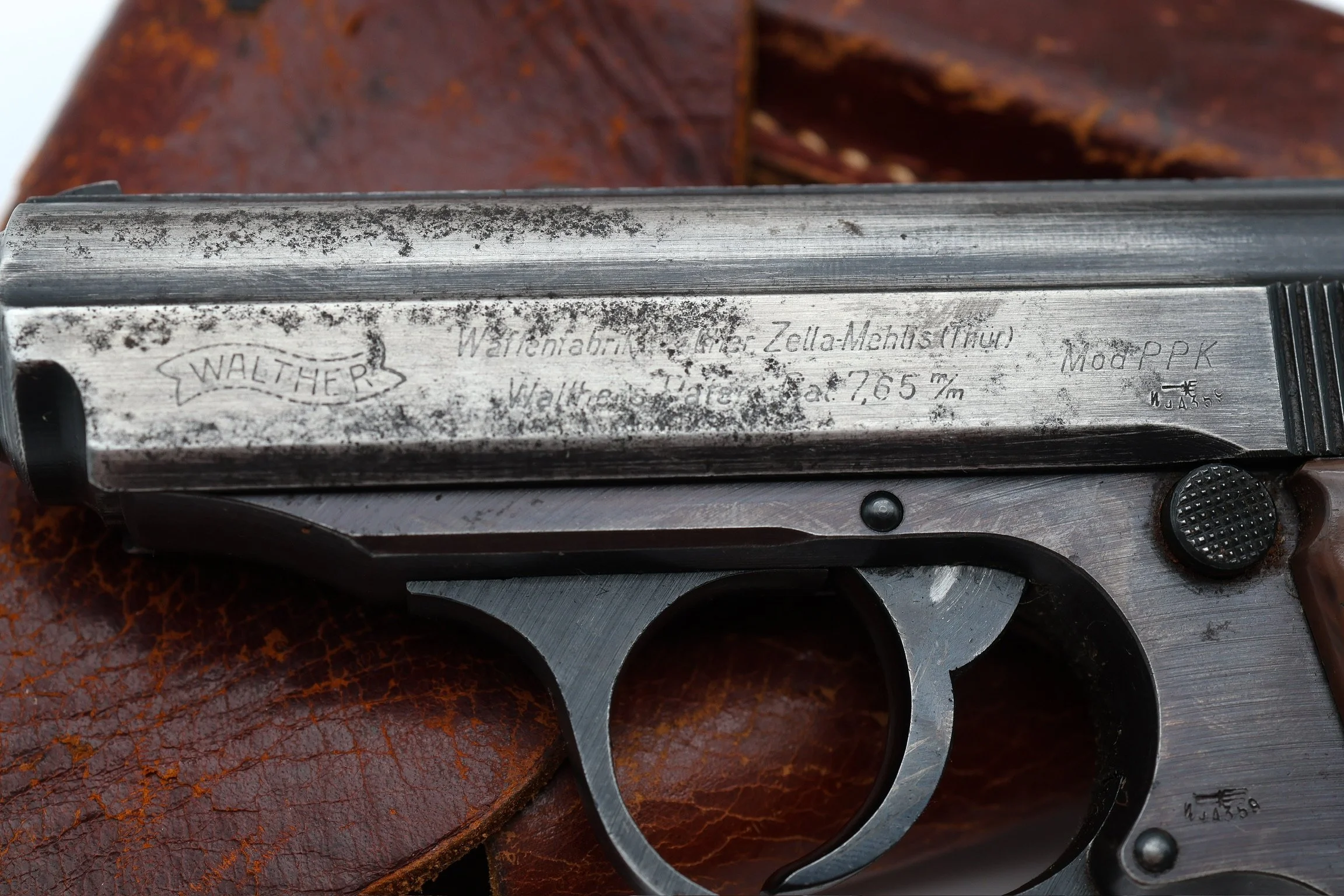
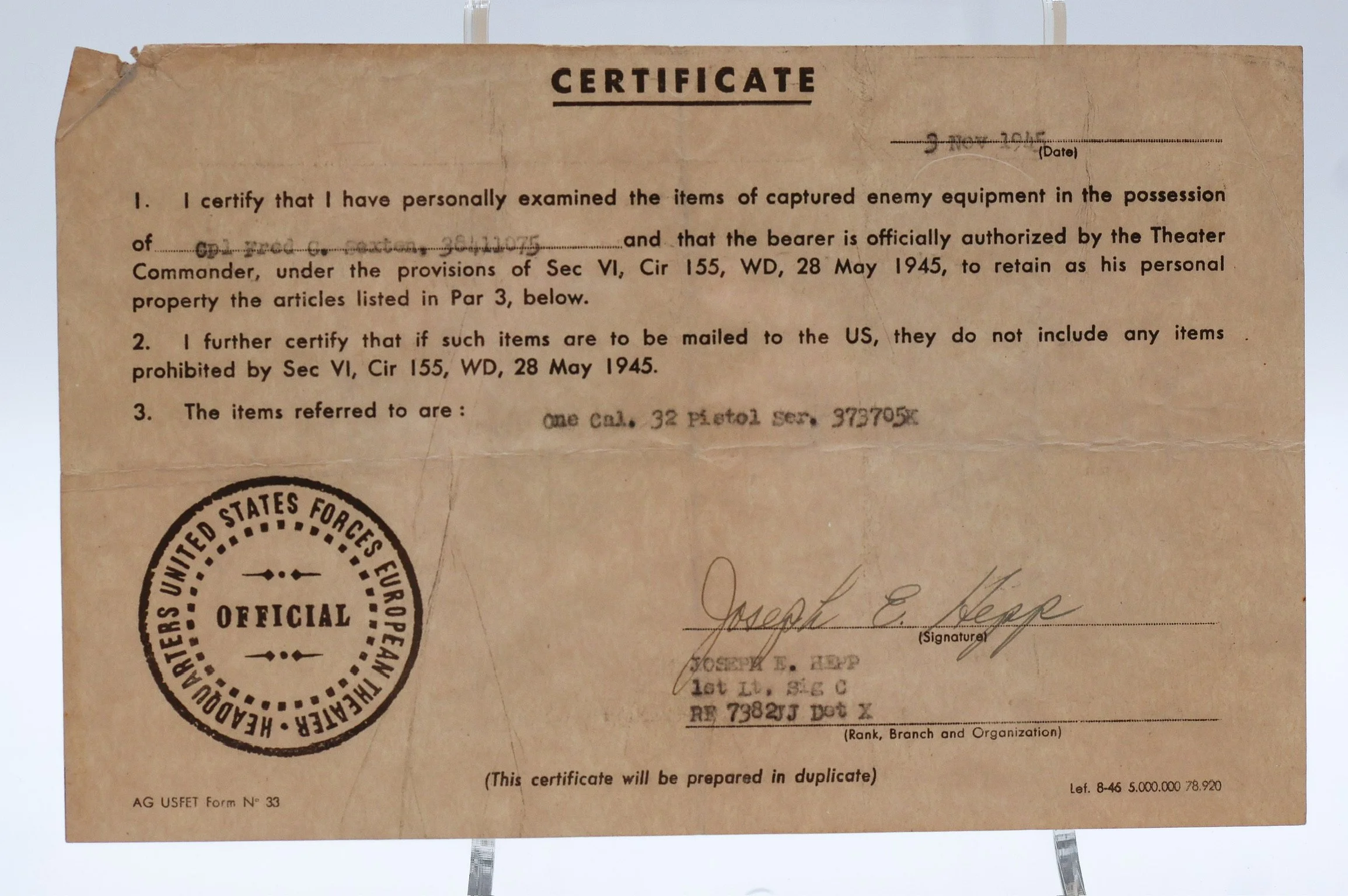
This Walther PPK pistol was issued to German military forces during World War II and dates to approximately 1943. It is all matching and bears correct Waffenamt 359 military acceptance proofs on the slide and frame. The pistol was captured by U.S. soldier Fred Sexton and is accompanied by original copies of both the capture document and Certificate of Retention, each naming Sexton as the capturing serviceman.
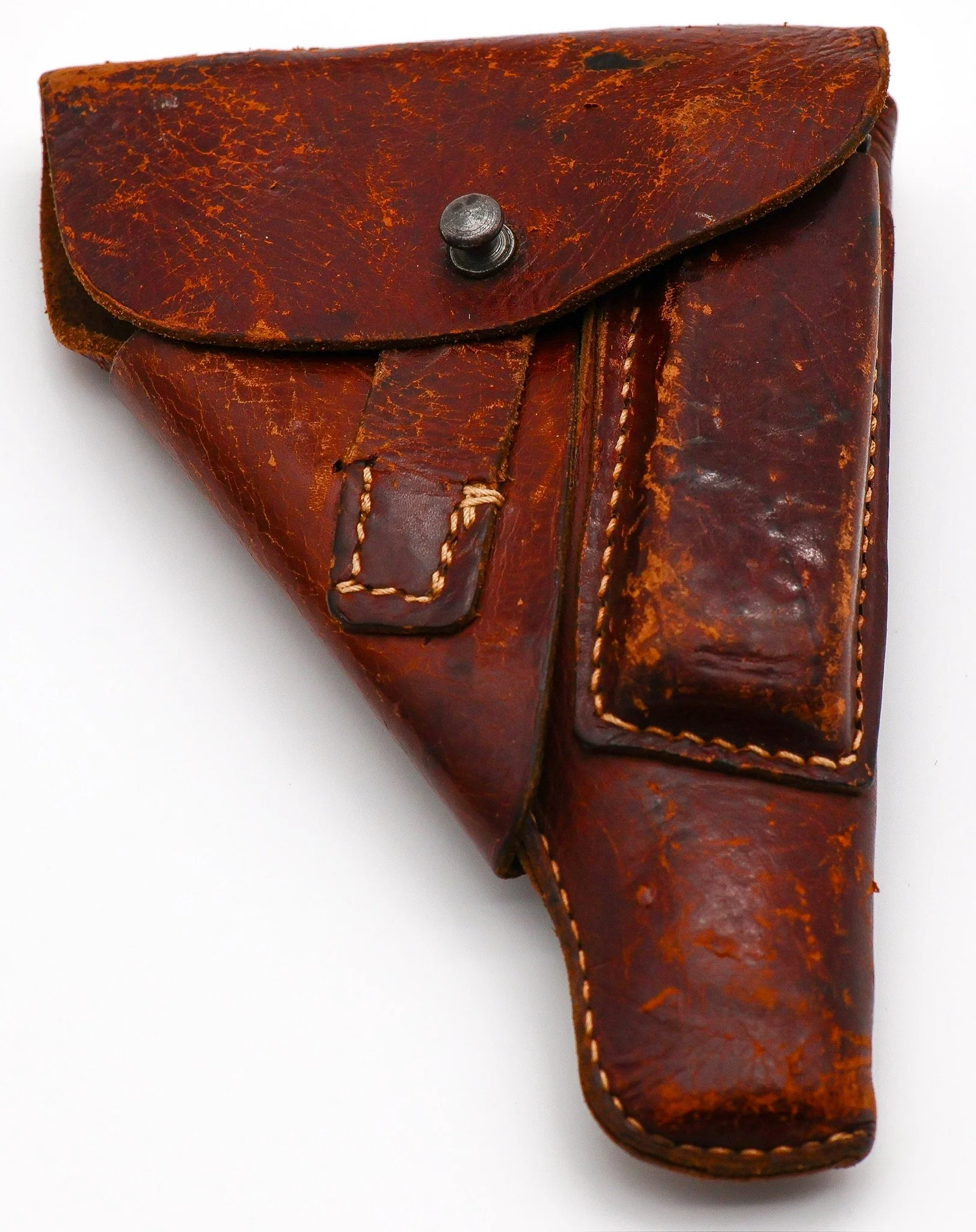
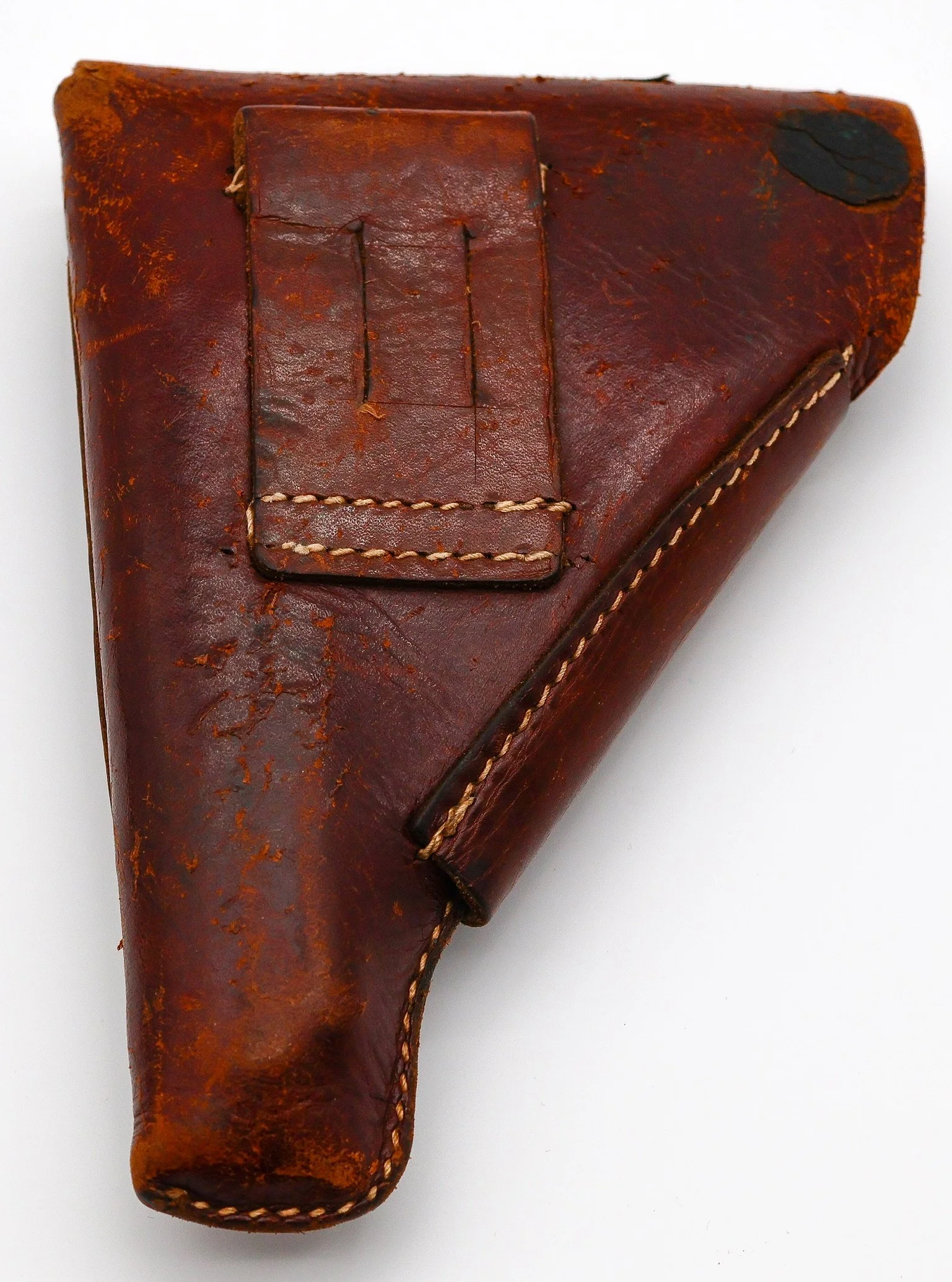
The pistol is accompanied by a period leather holster, with Sexton’s name and the pistol’s serial number handwritten inside, indicating it returned home in this configuration. The finish shows significant wartime wear, with roughly half of the bluing lost, oxidation and pin-pricking visible on the left side of the slide, and a plum-toned hue to the frame. The bore remains in excellent condition.
Walther PPK Pistol with Capture Papers

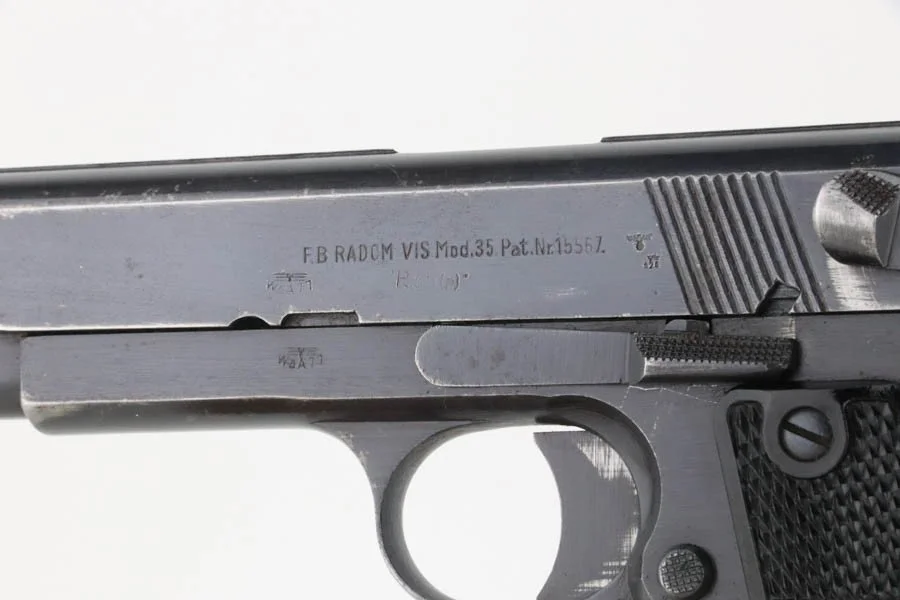
German Radom VIS 35 Pistol Rig with Capture History
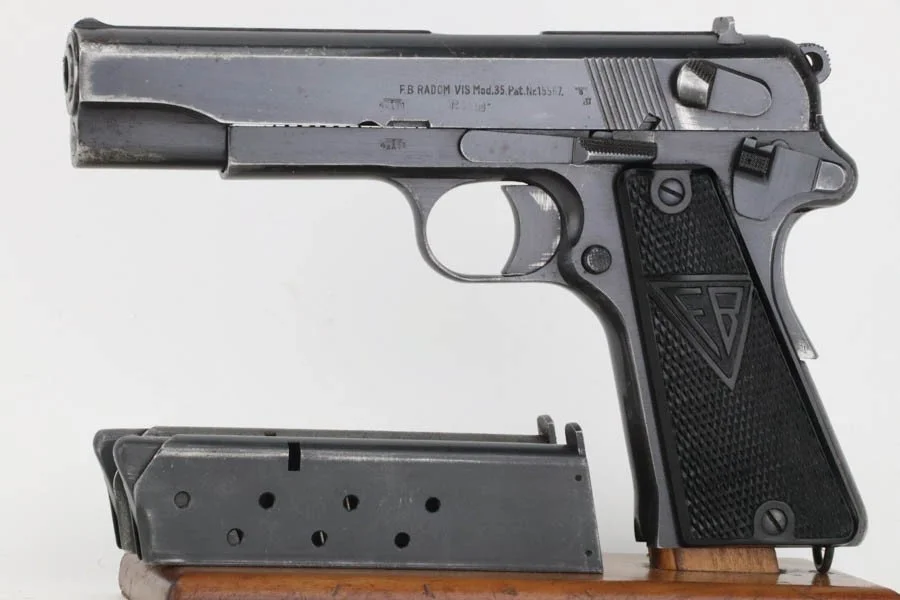
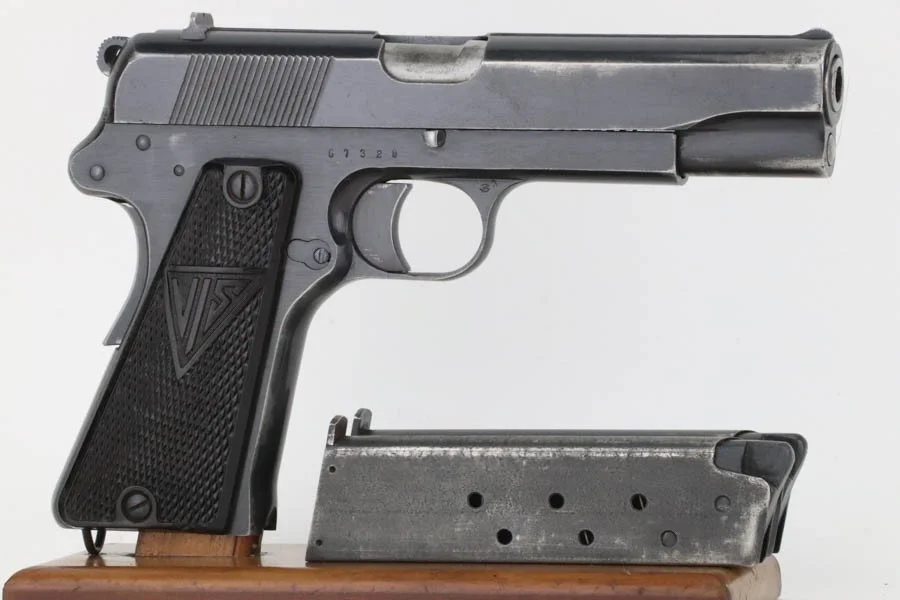
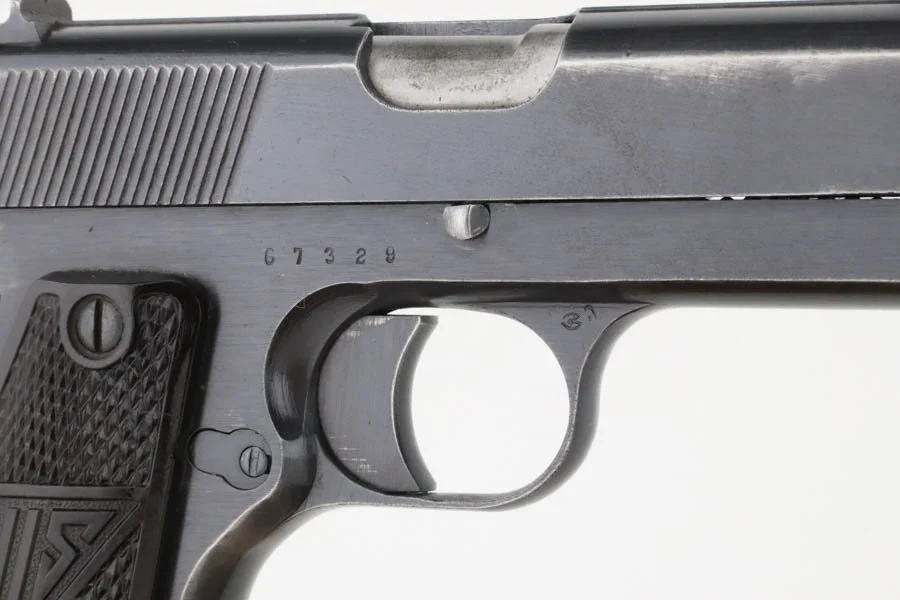
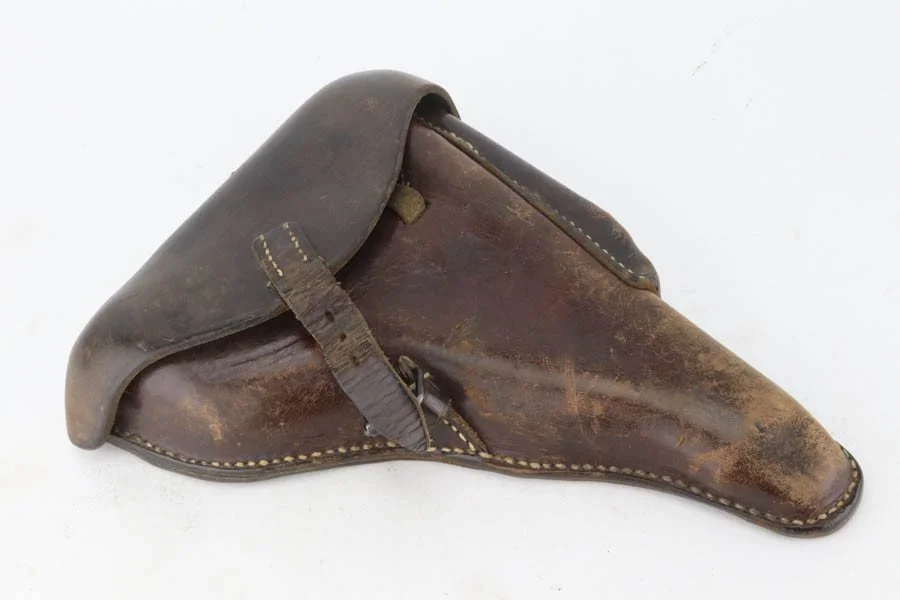
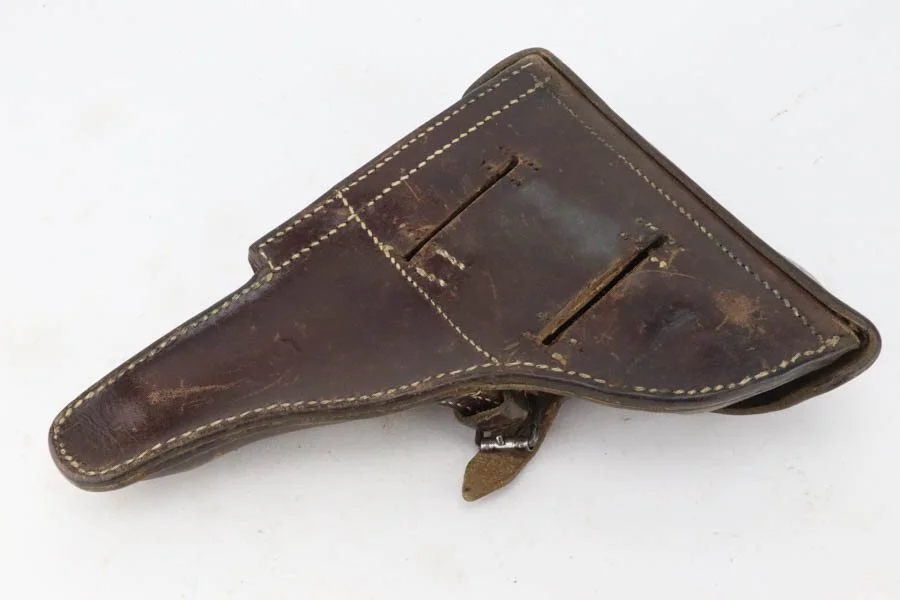
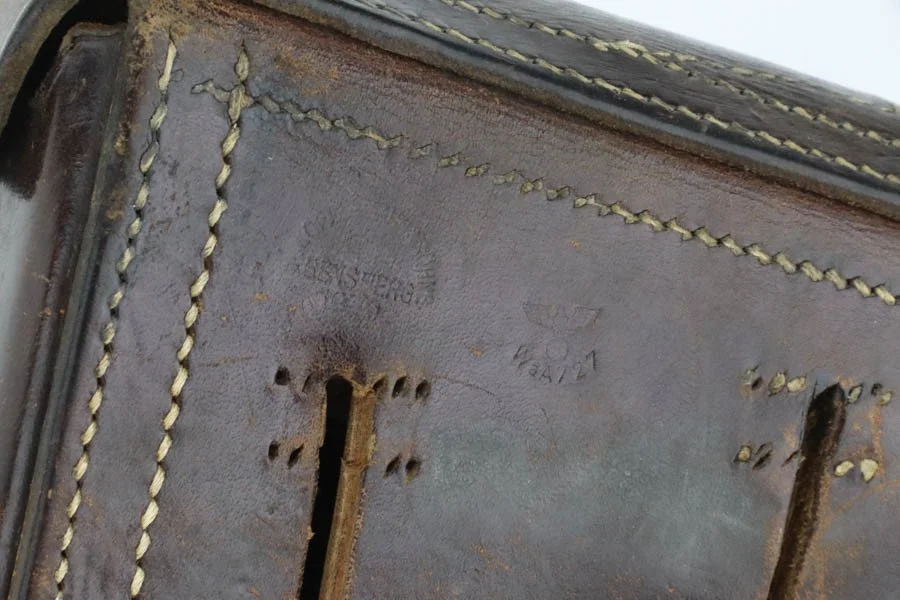
This German-issued Radom VIS 35 pistol is an early three-lever variation with no slotted frame. The pistol is all matching and retains the proper Waffen 77 and Eagle 623 military acceptance proofs, along with period-correct black grips. It came as a complete rig with two Waffen-proofed magazines and a 1939-dated brown Luger holster that fits the pistol well. The holster has modified belt loops on the back.
The grouping includes a signed and notarized handwritten letter from the son of the veteran who brought the pistol home. According to the letter, the Radom was captured during the early stages of the Battle of the Bulge by a patrol from the 26th Infantry Regiment, 1st Infantry Division. The patrol’s mission was to capture German soldiers for interrogation, and the pistol was taken from one of the captured soldiers. The letter states that the captured pistol was then turned over to the supply sergeant for safekeeping.
The inside of the holster is inscribed with the name of 1st Lt. Earle G. Higley of the 26th Infantry Regiment, 1st Infantry Division. Research included with the grouping identifies Higley as a Connecticut officer who was killed in action on November 29, 1944. He was awarded the Silver Star and Purple Heart with Oak Leaf Cluster.
The letter further explains how the veteran ultimately received the pistol. During a later action, the veteran and a small group of men became separated behind enemy lines and were initially listed as missing. When he made it back to American lines, he found that some of his personal gear and captured sidearms had been distributed while he was presumed missing. According to the account, the supply sergeant gave him this Radom rig to calm the situation and replace what had been lost.
An older handwritten note with the grouping identifies the pistol as a “P35 Radom” captured in December 1944 during the Battle of the Bulge, with brown holster and spare magazine. The pistol retains strong original finish, with honest wear concentrated around the high edges, muzzle, and backstrap, and has a mint bore.
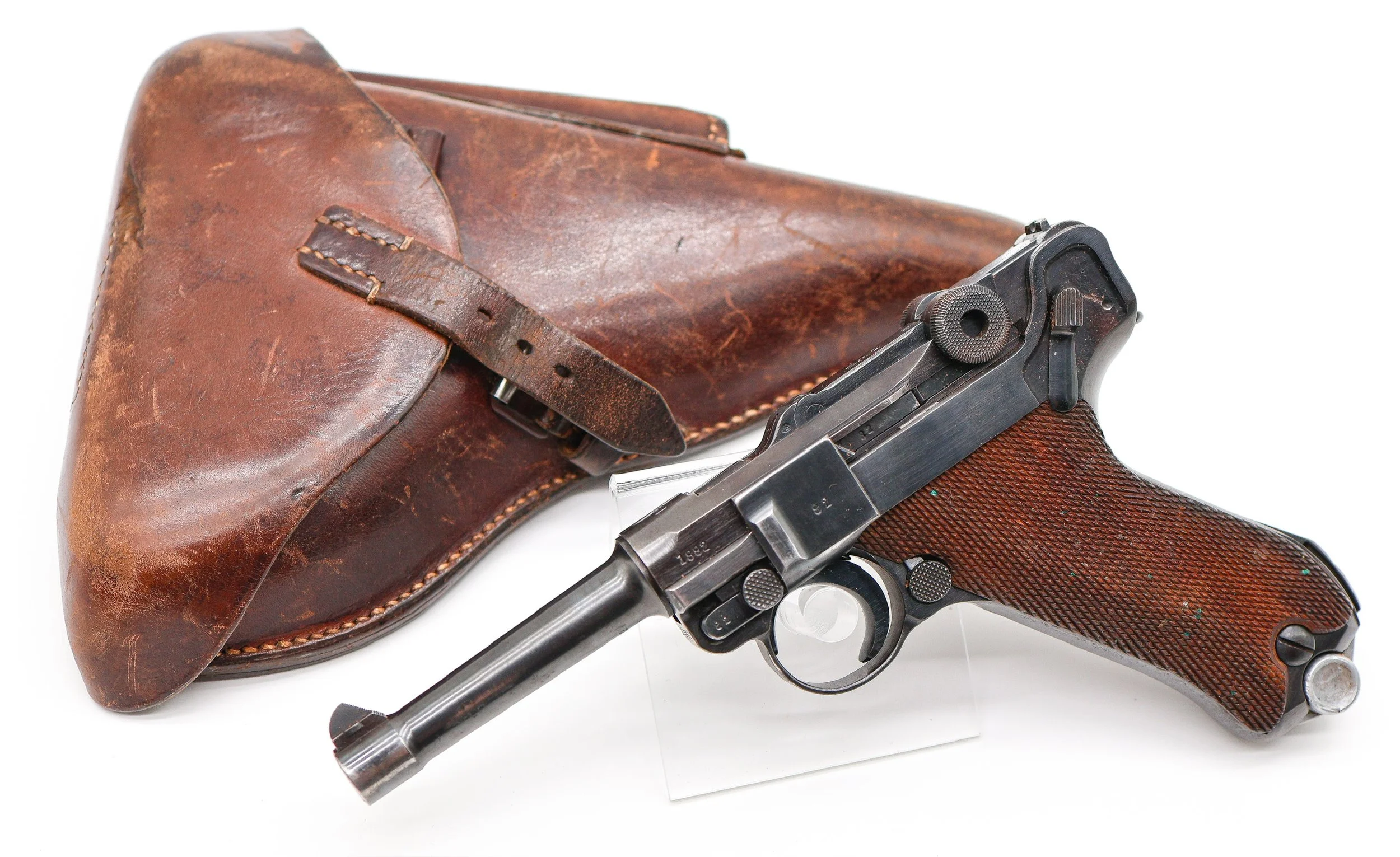
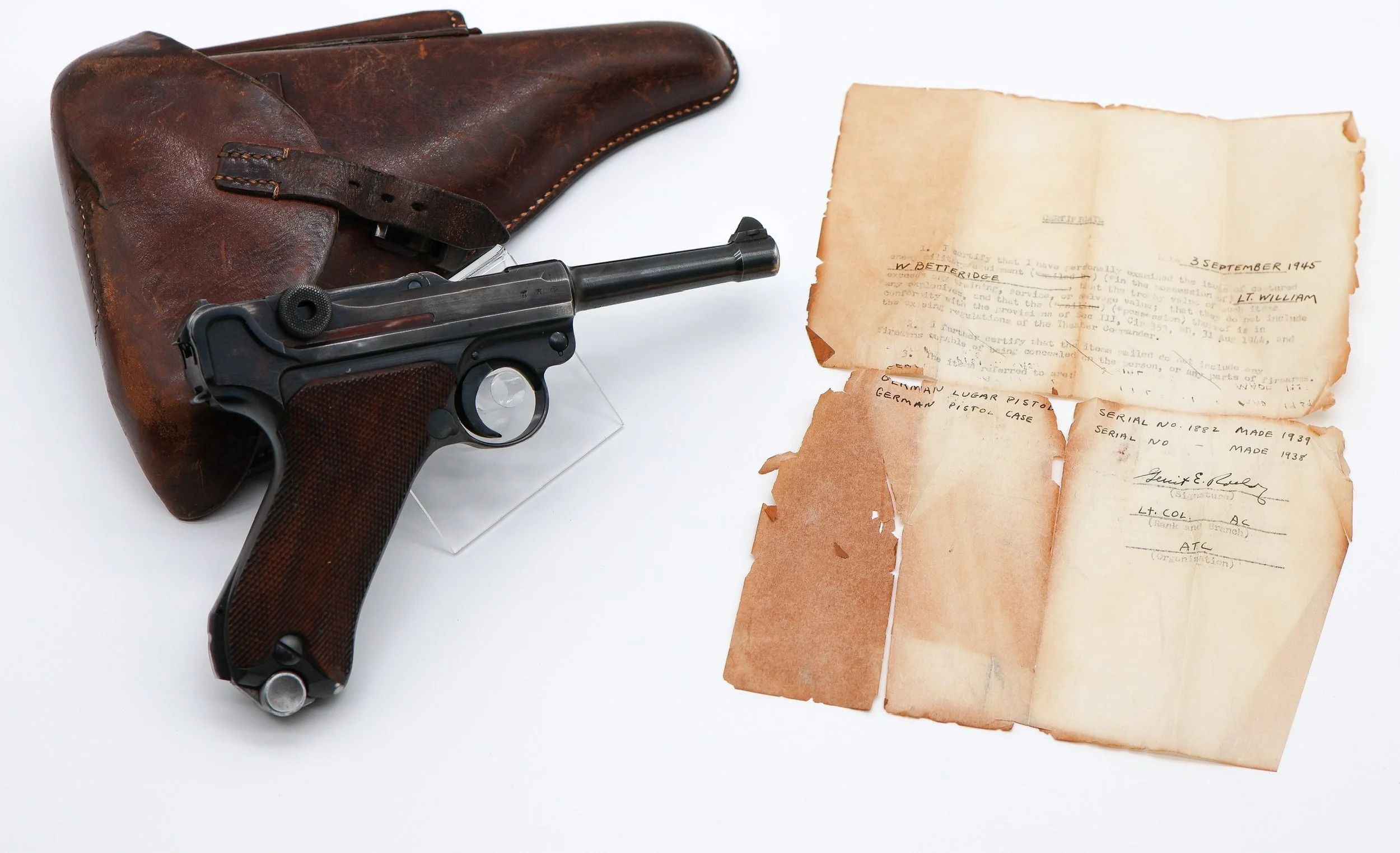
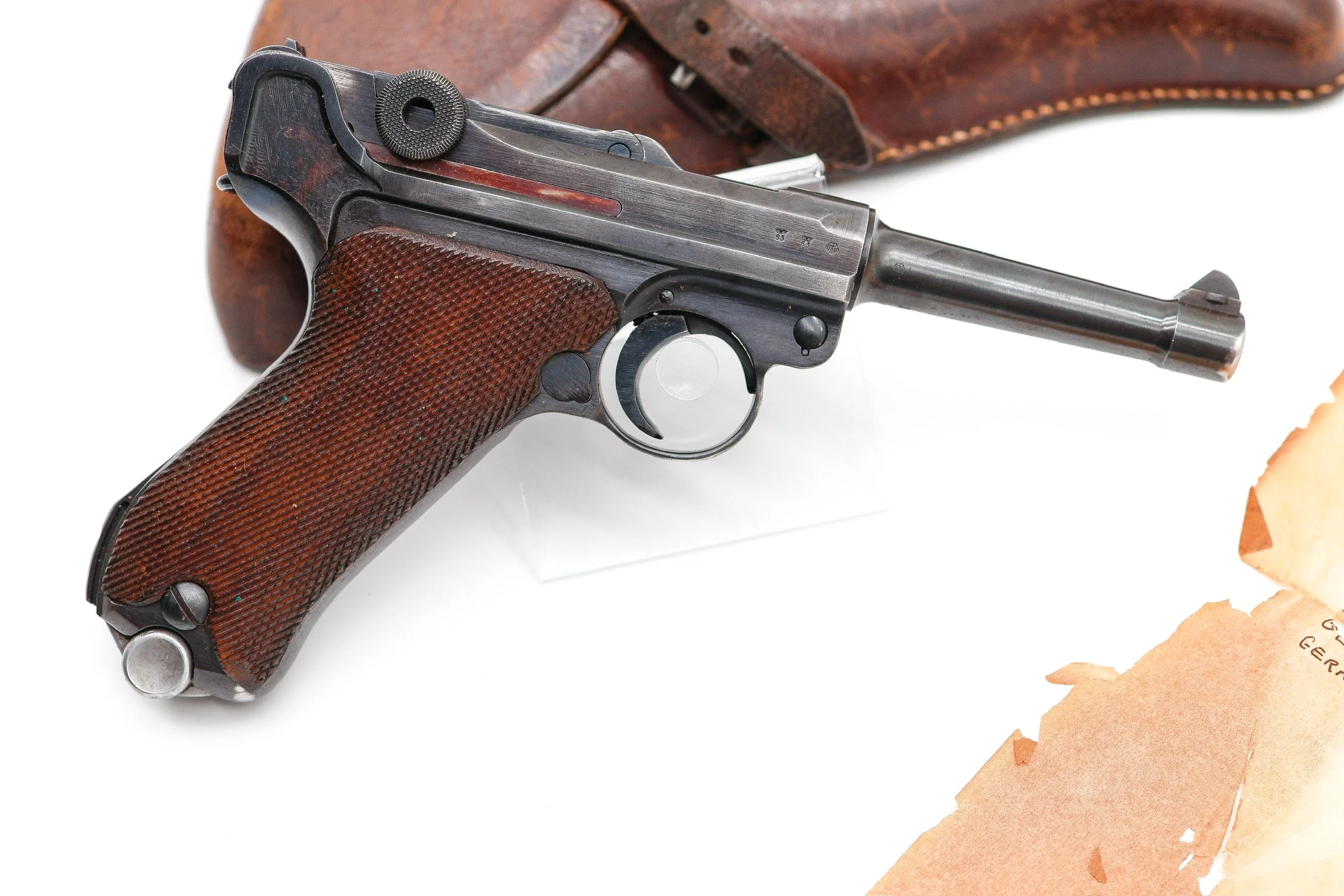
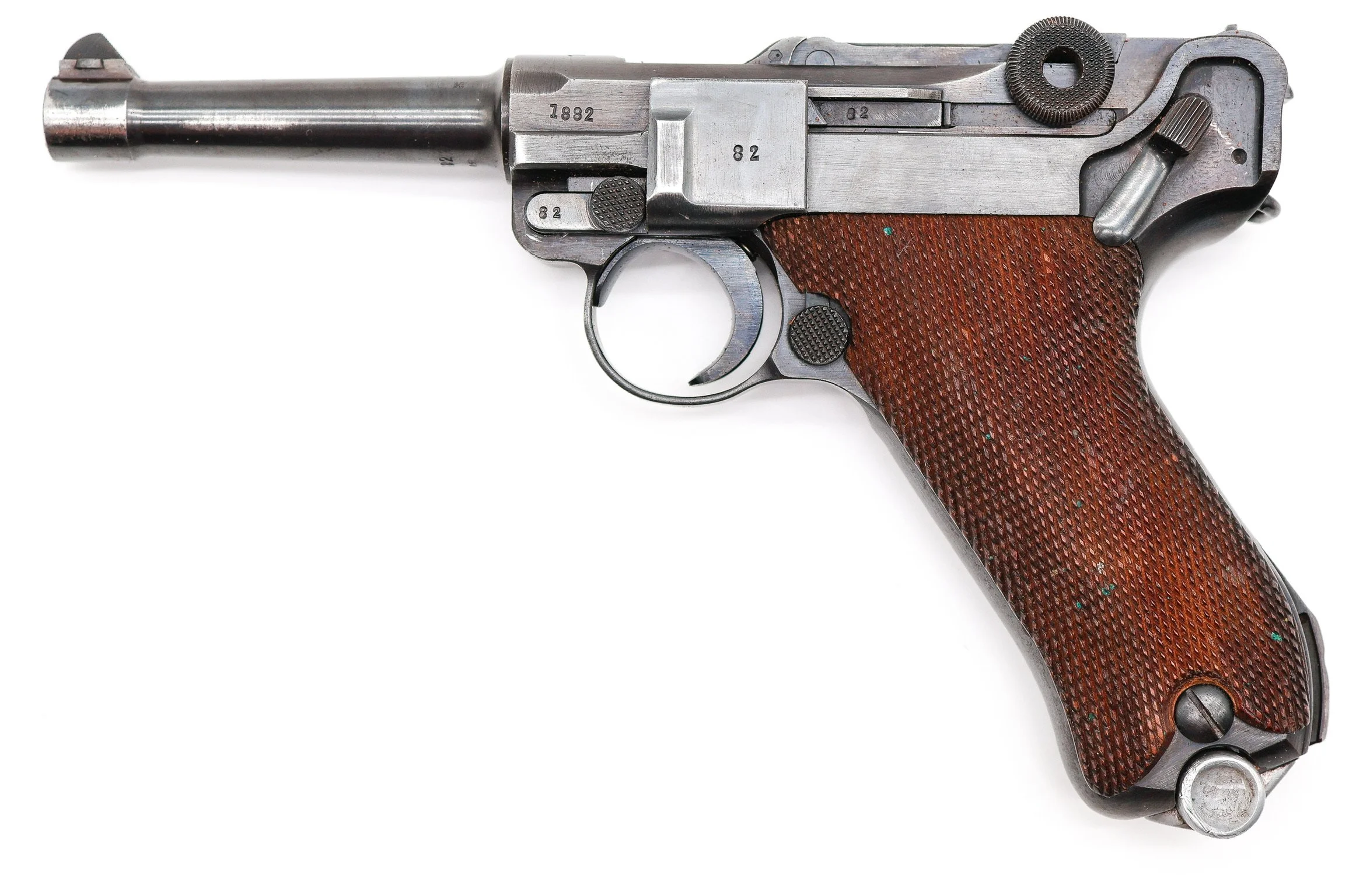
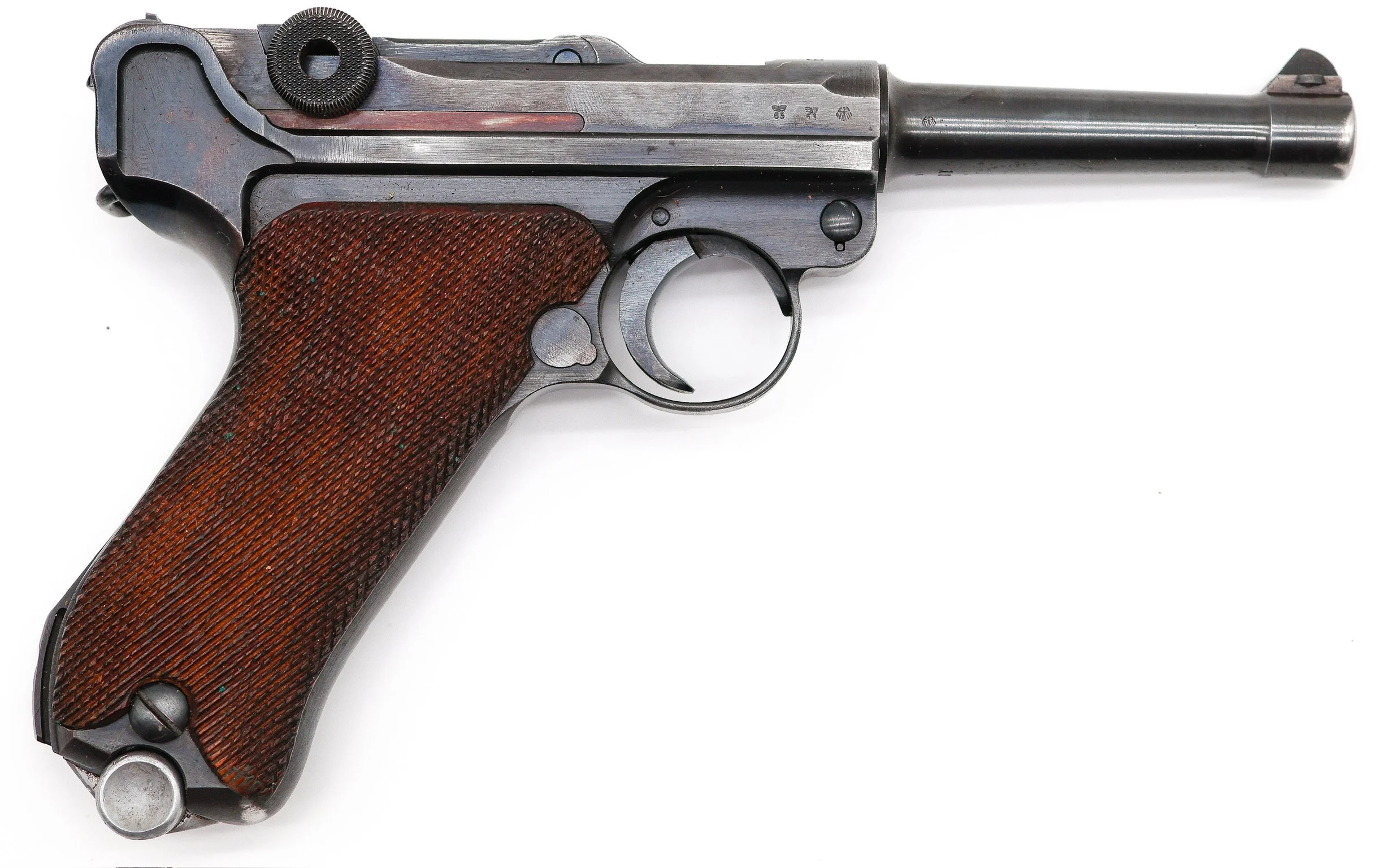
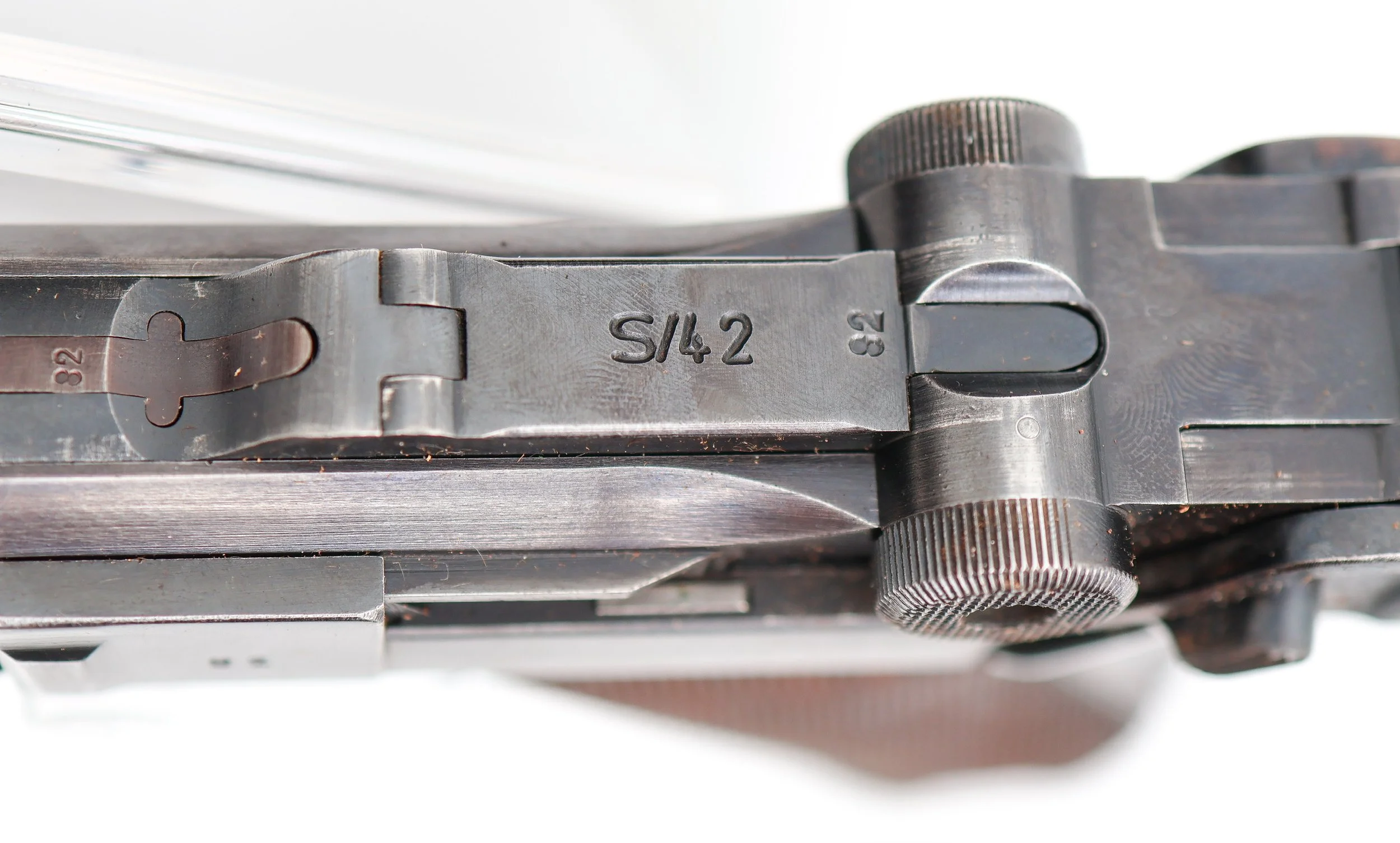
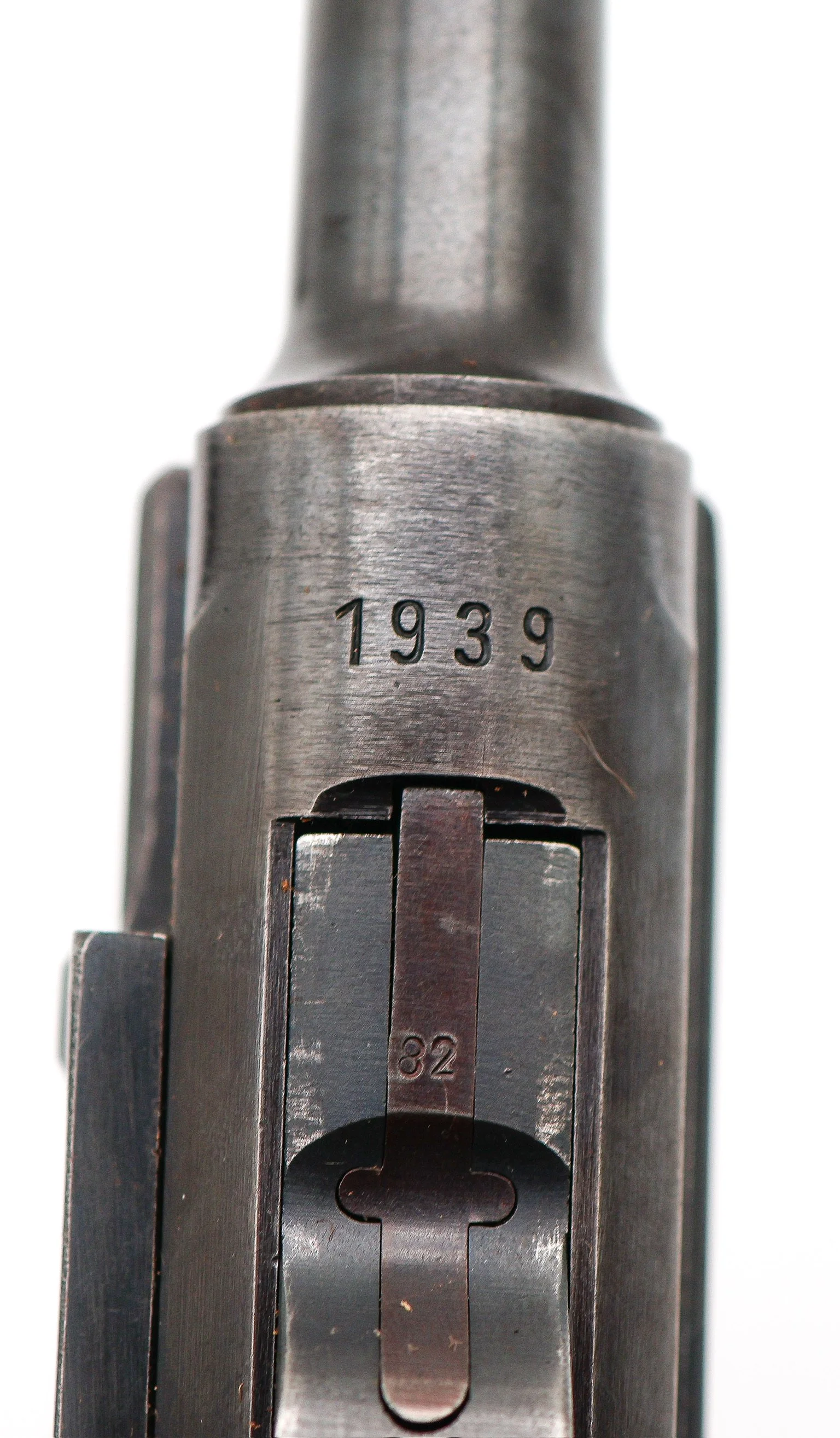
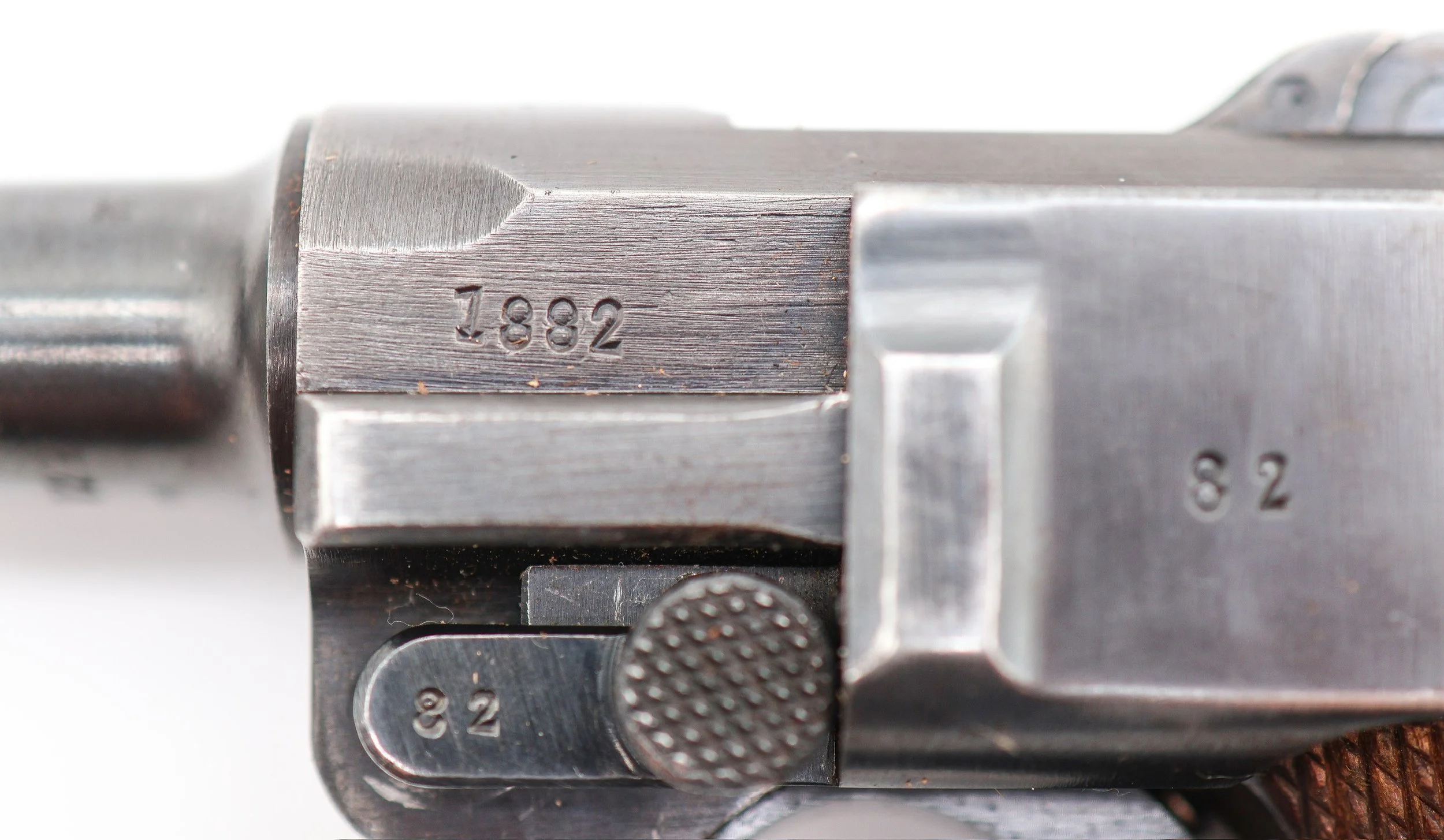
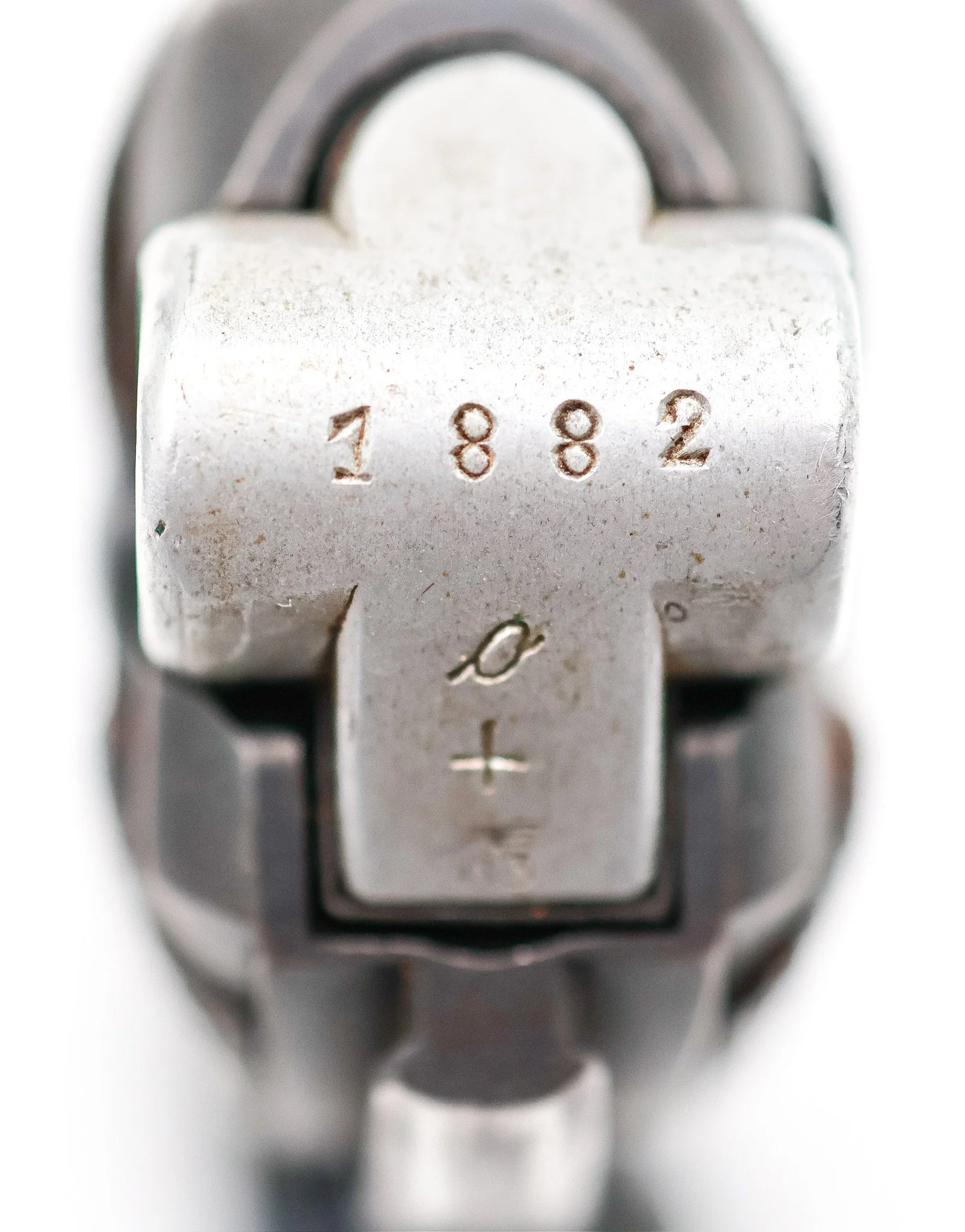
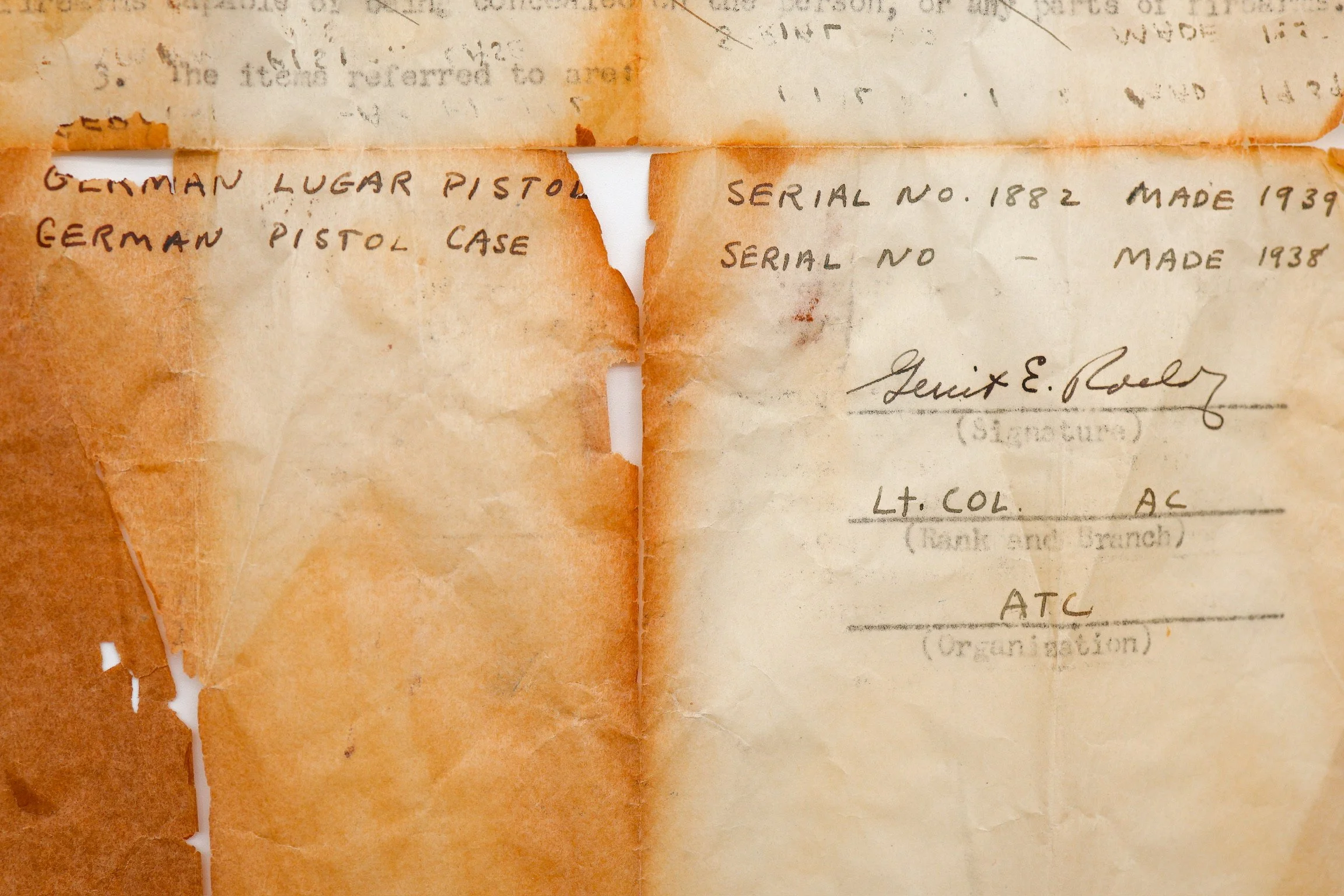
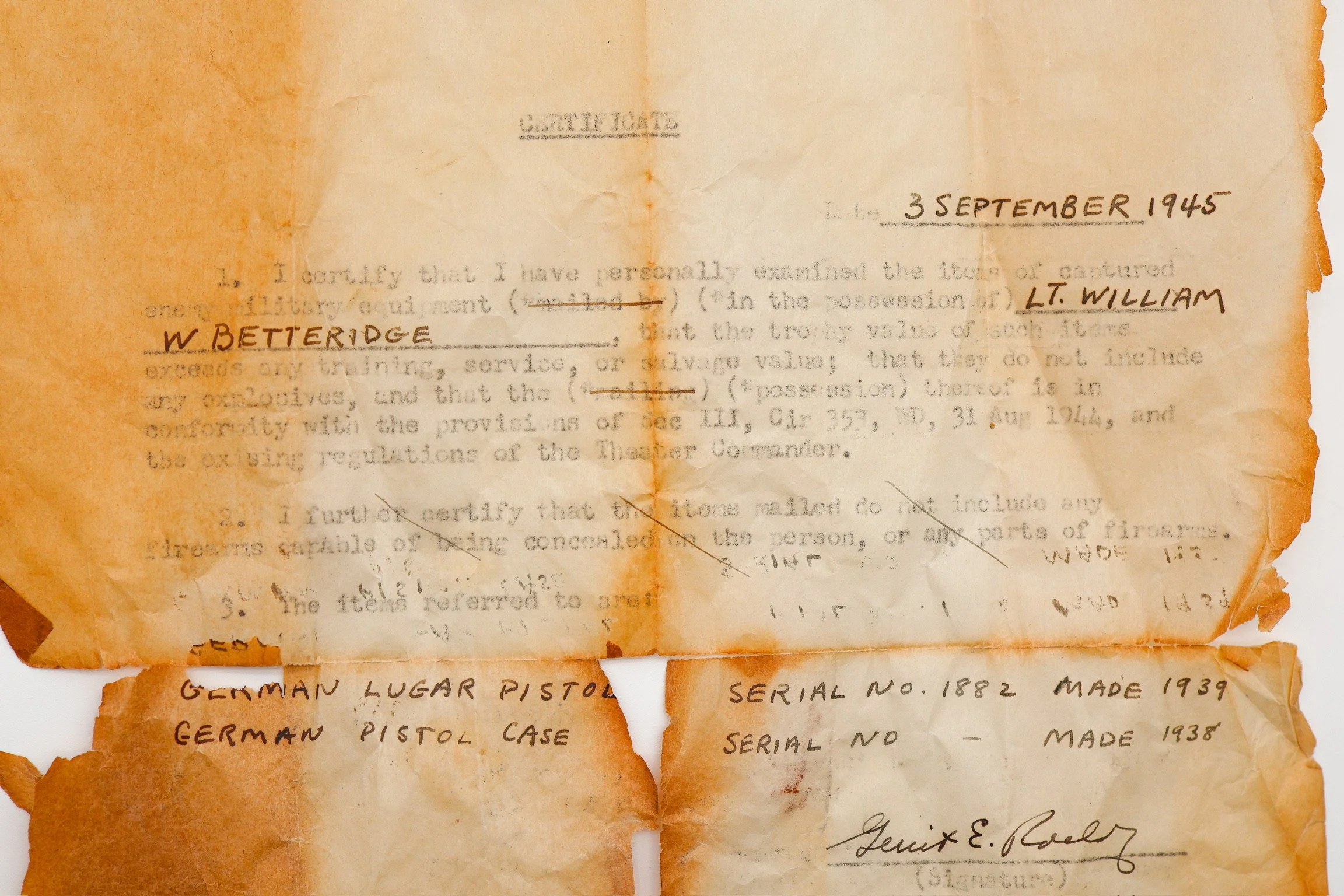
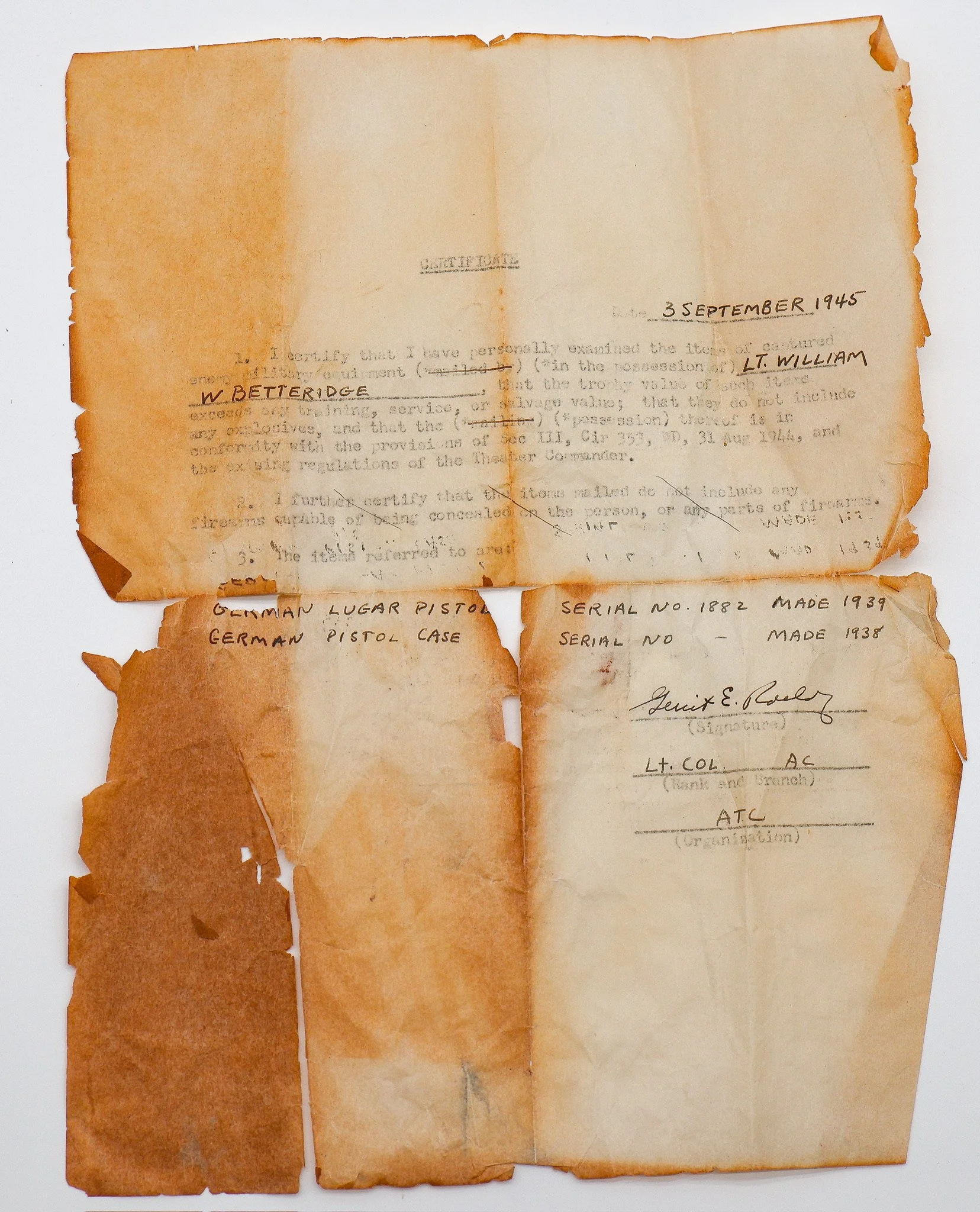
This Mauser S/42 code P.08 Luger was manufactured in 1939 and remains an all-matching example with one matching magazine and a second non-matching FXO magazine. The pistol is accompanied by a 1938-dated holster manufactured by R. Ehrhardt of Poessneck, along with original capture papers that list both the pistol by serial number and the holster.
The pistol was brought back by William W. Betteridge, who served as a 1st Lieutenant in the Army Air Forces. Betteridge was born on April 7, 1924, in Evanston, Illinois, and later lived in Short Hills, New Jersey. He entered active duty on June 5, 1944, and served with the 1402nd AAF Base Unit, European Division, Air Transport Command. His military specialty was listed as Priorities & Traffic Officer, and his separation record shows service in the European-African-Middle Eastern Theater from September 1944 to June 1946.
The grouping came directly from the veteran’s family and includes the Luger, holster, capture paperwork, discharge material, and a period photograph of Betteridge in Paris after the liberation.
Luger with Capture Papers Acquired from the Family