Japanese Helmet and Battlefield Bring-Back Grouping from Iwo Jima
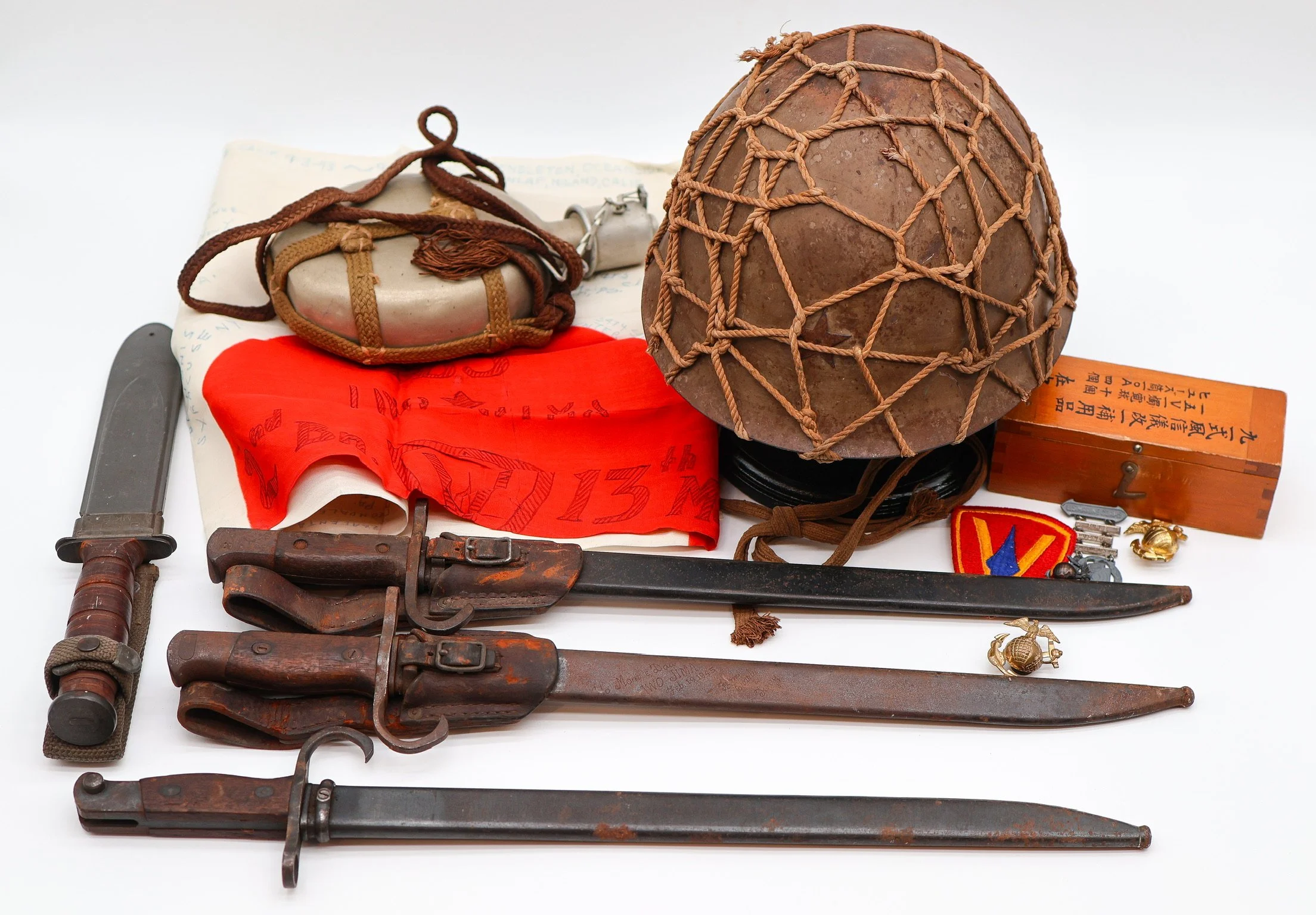
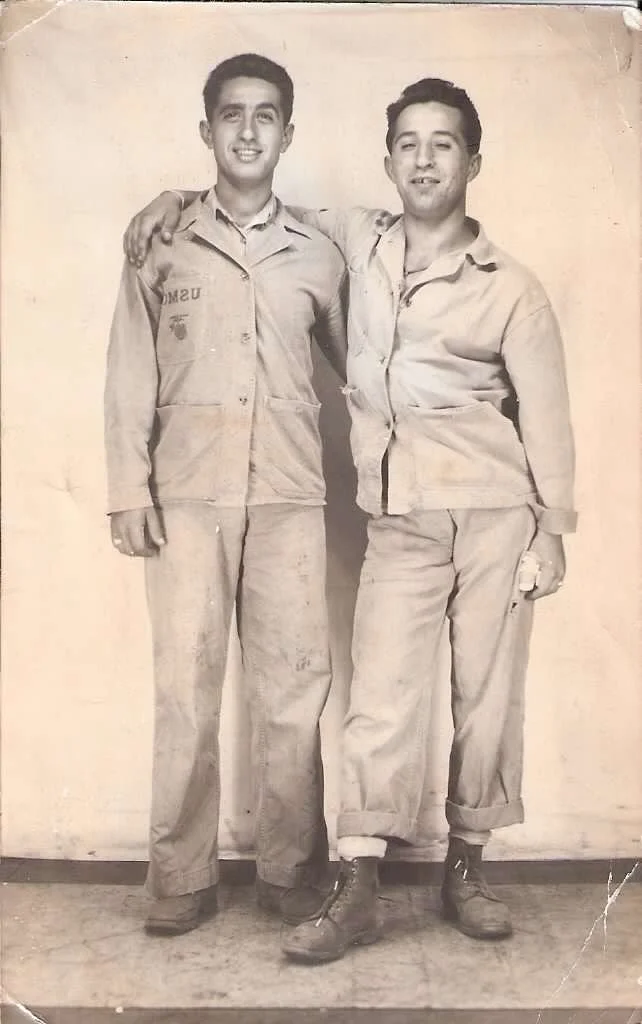
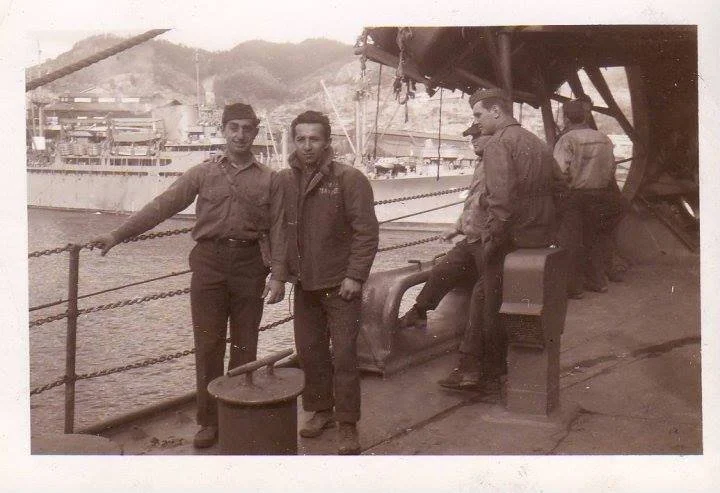
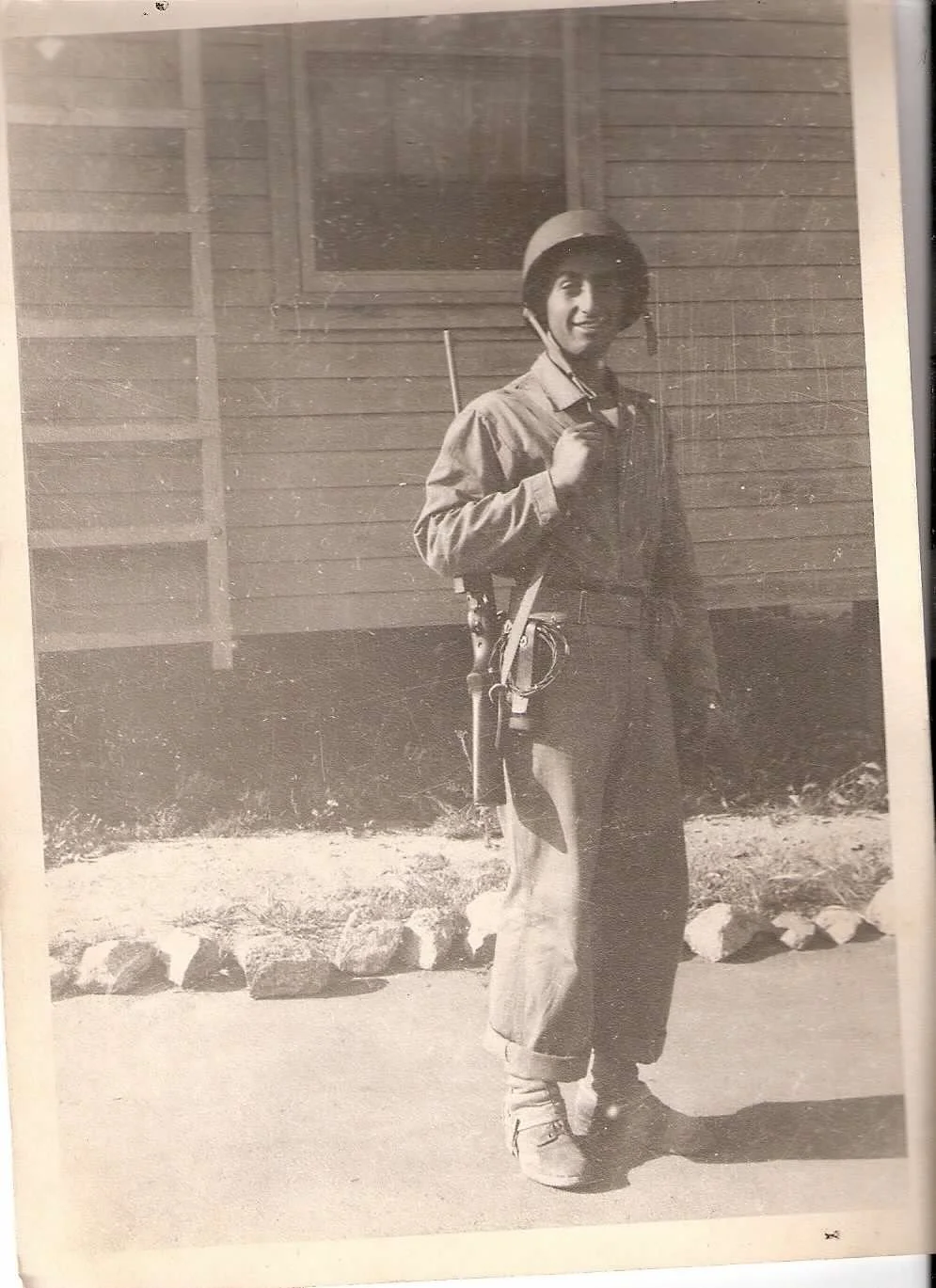
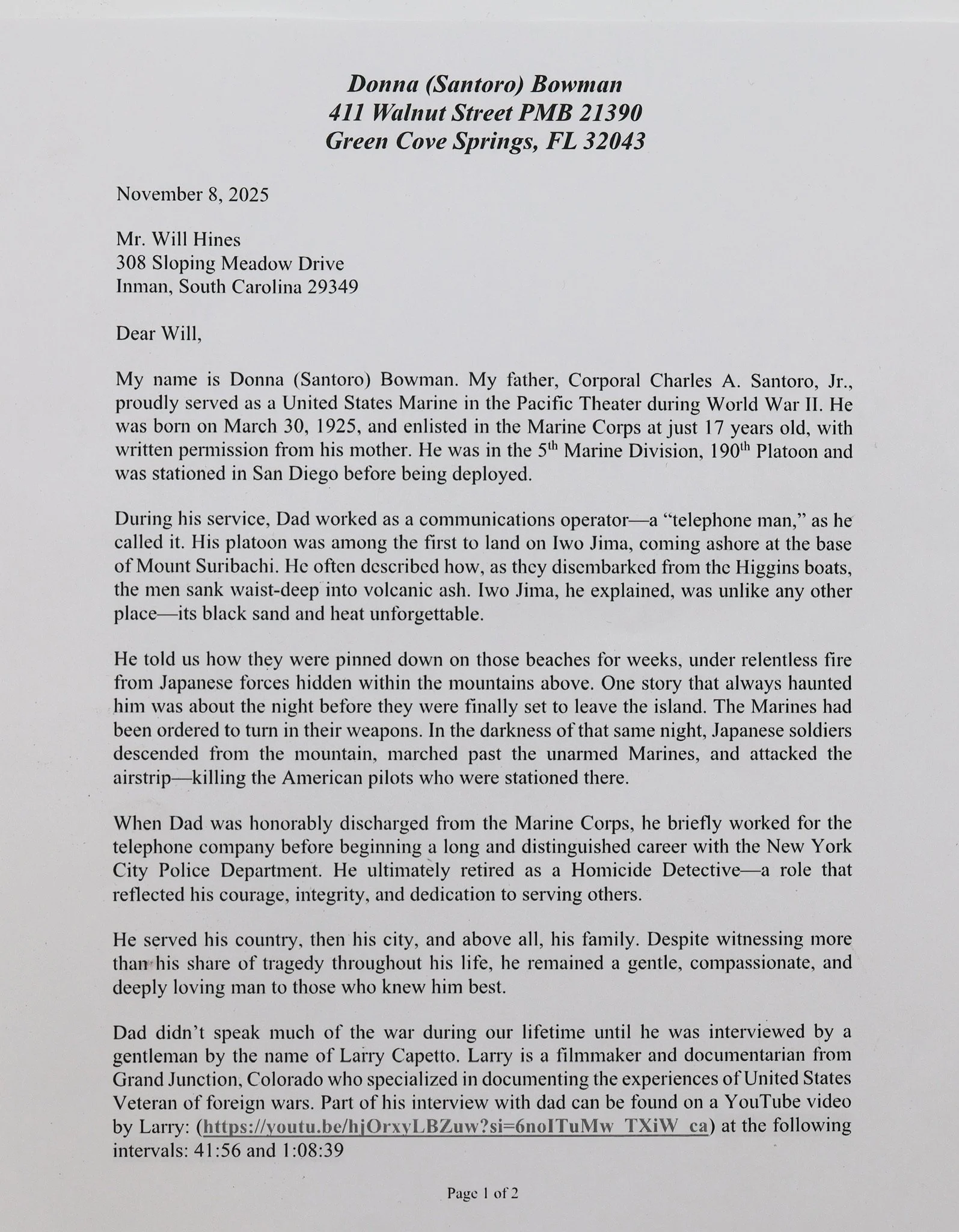
This grouping was brought back from Iwo Jima by Corporal Charles A. Santoro, Jr., United States Marine Corps, 5th Marine Division. Santoro enlisted in the Marine Corps in 1943 and saw combat only on Iwo Jima, landing with his unit near Mount Suribachi during the opening phase of the battle.
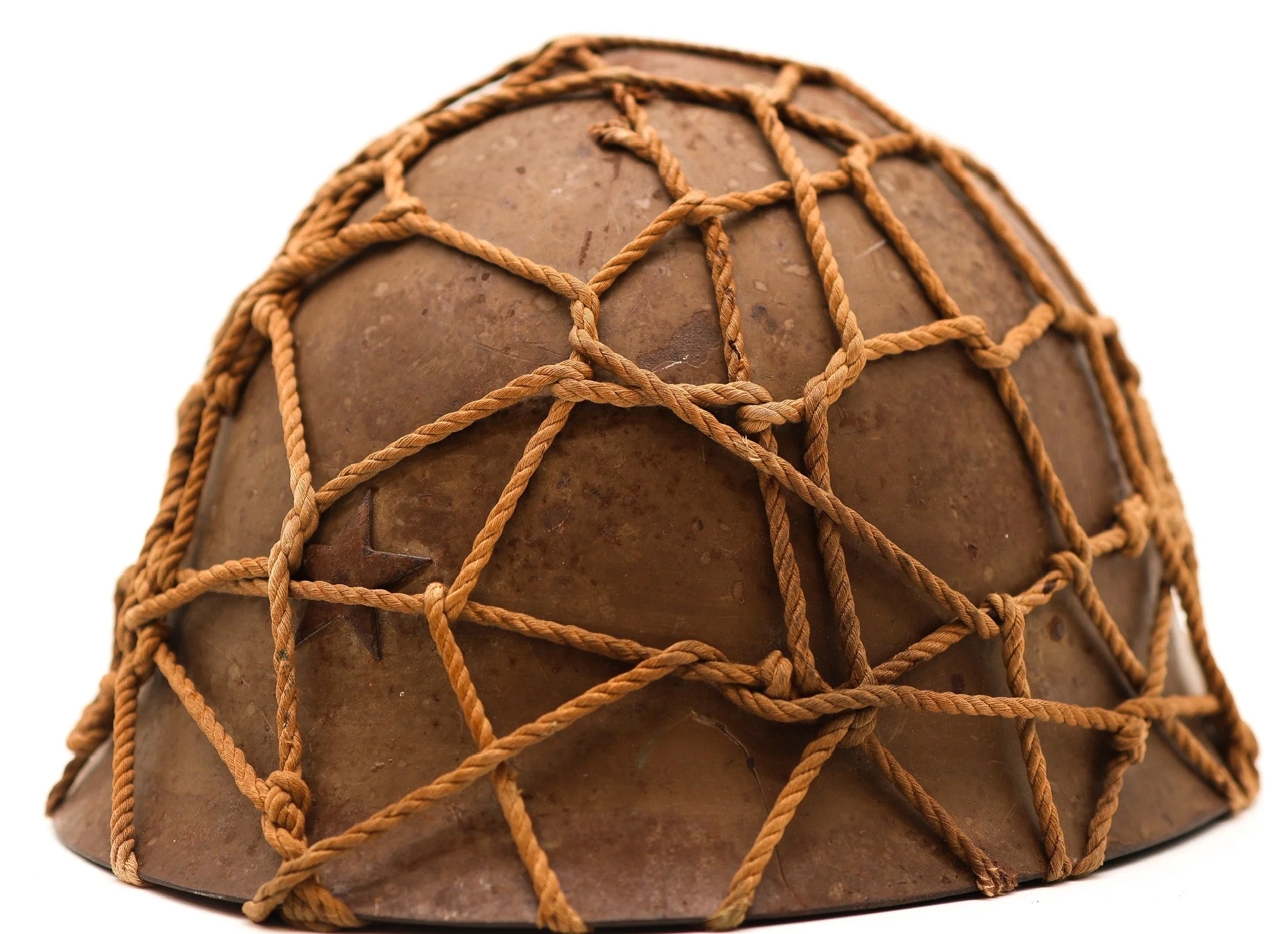
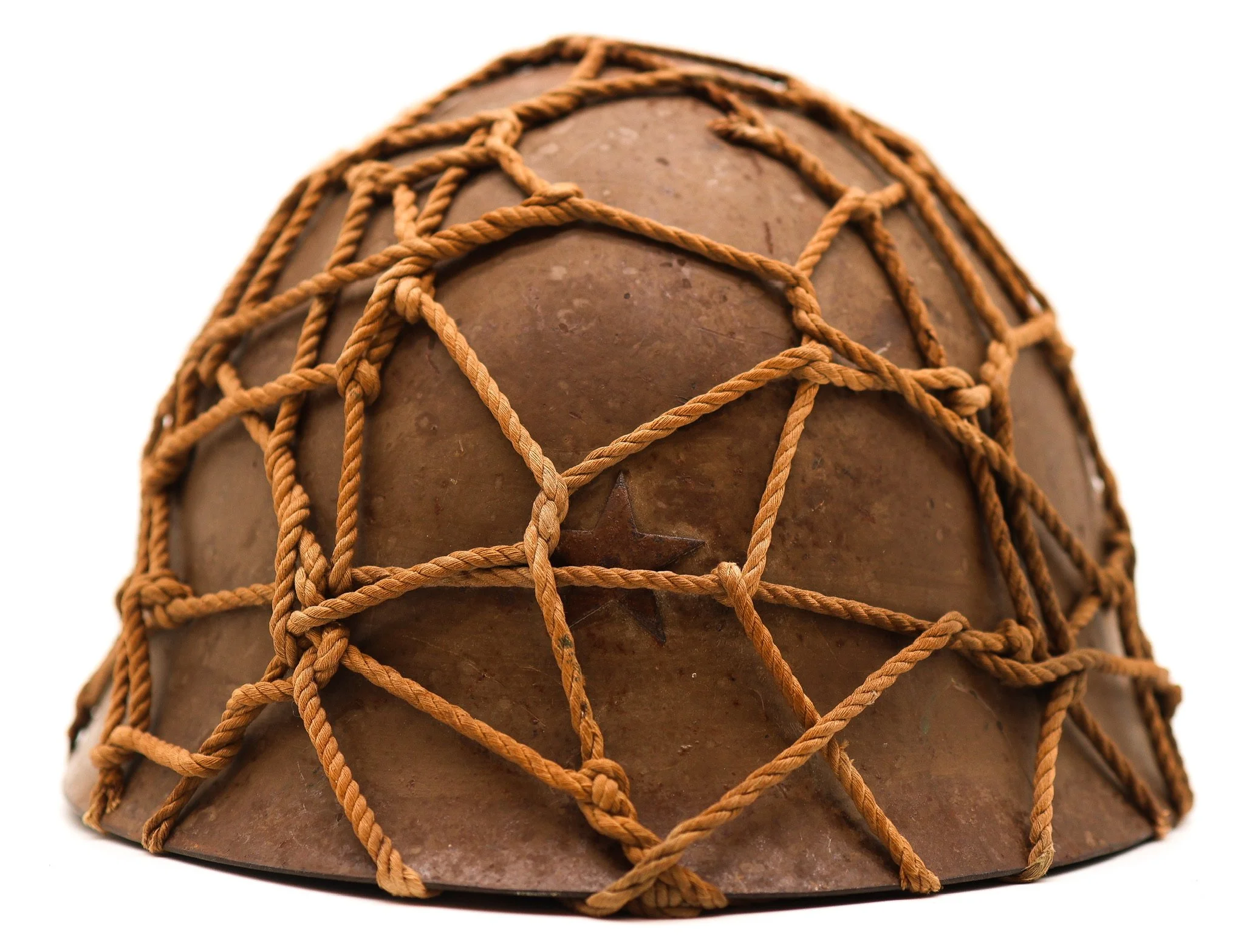
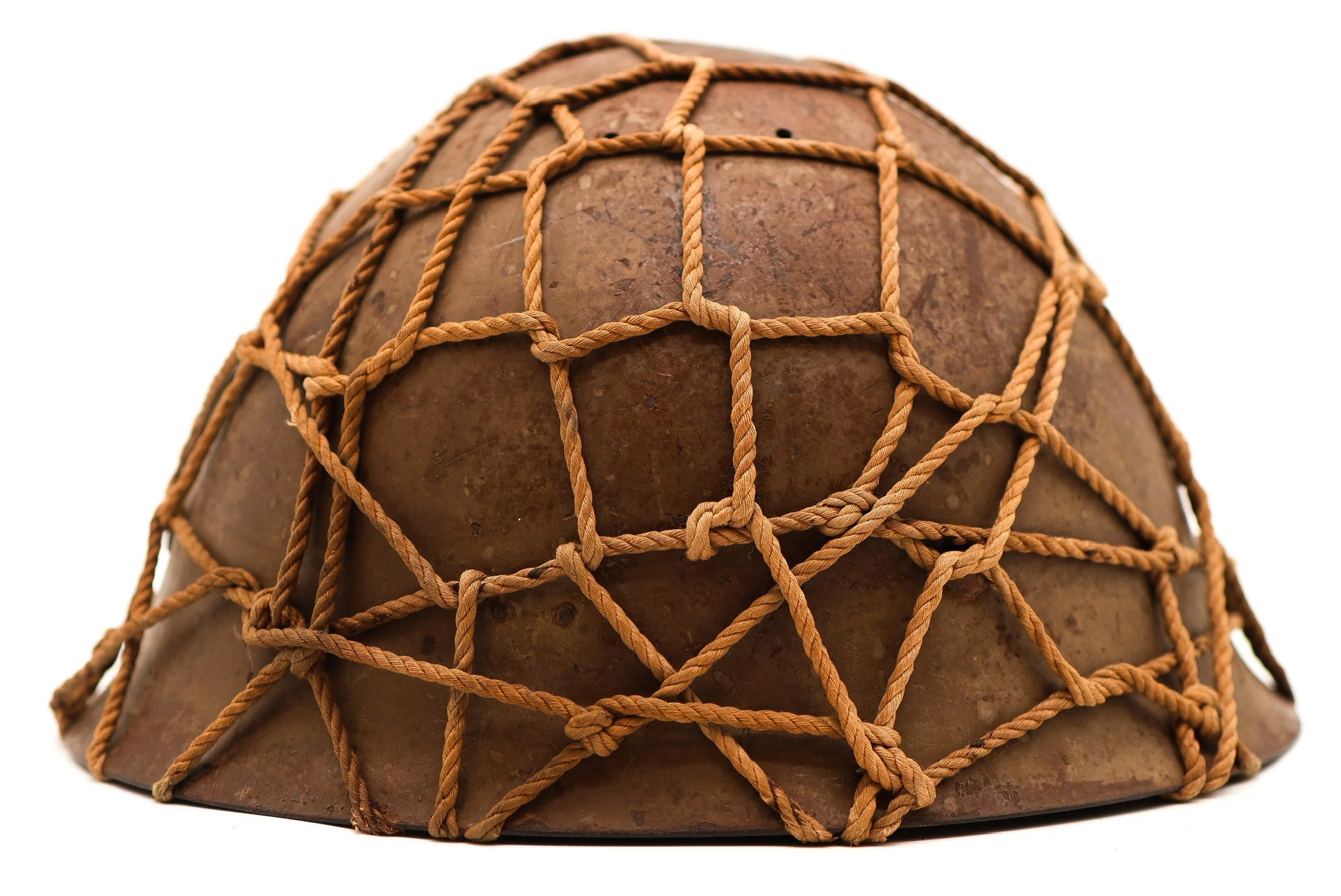
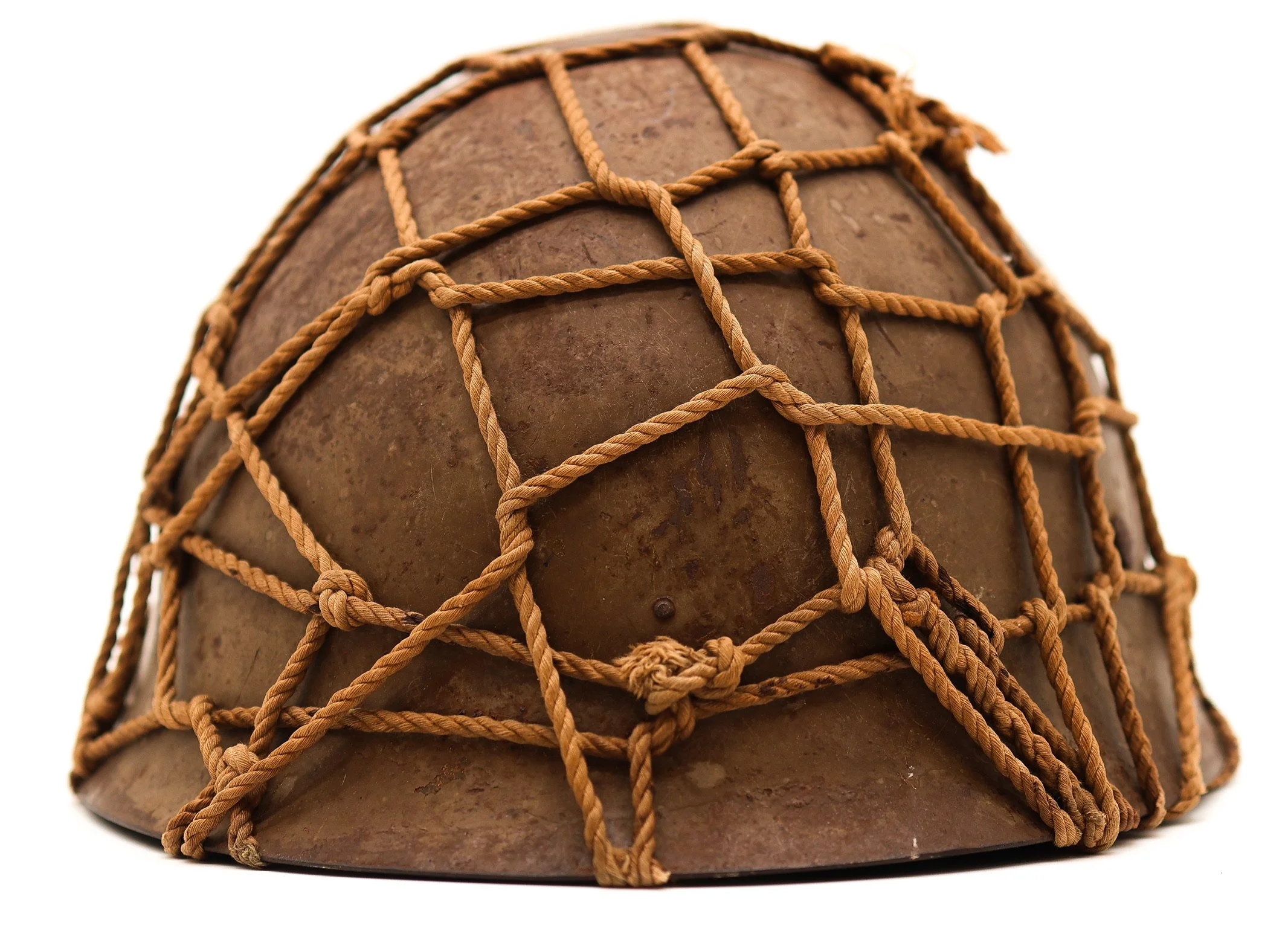
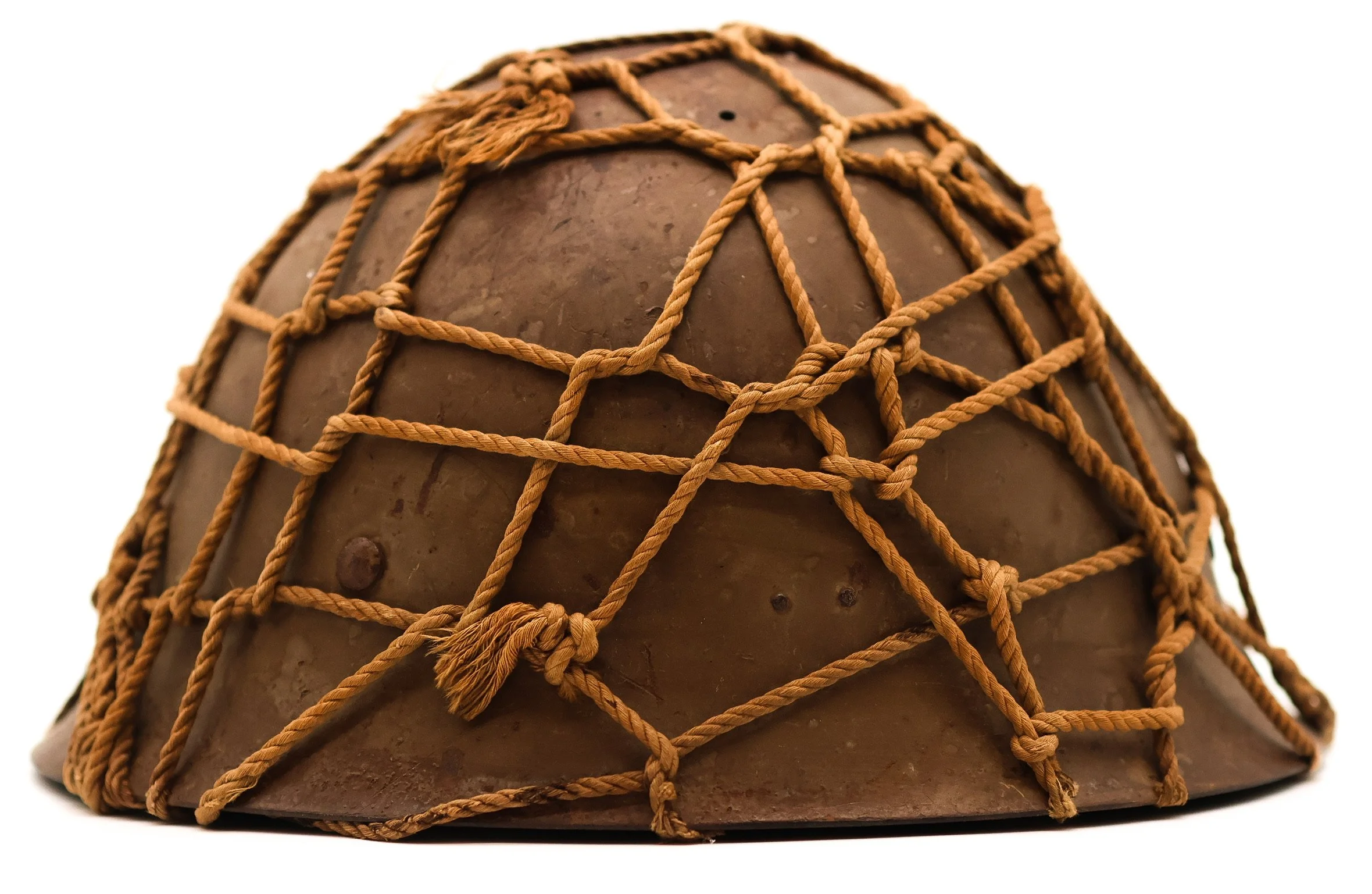
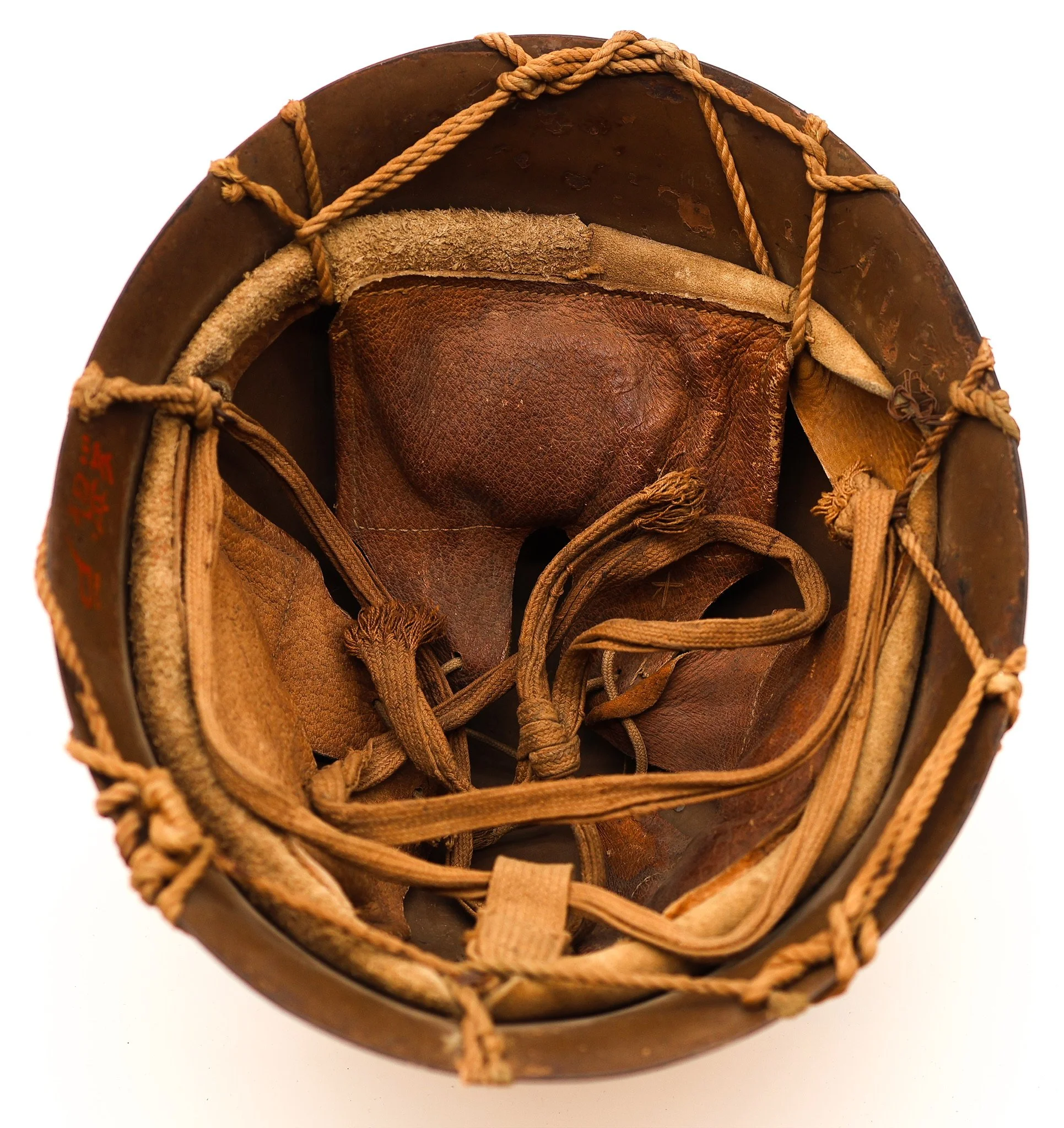
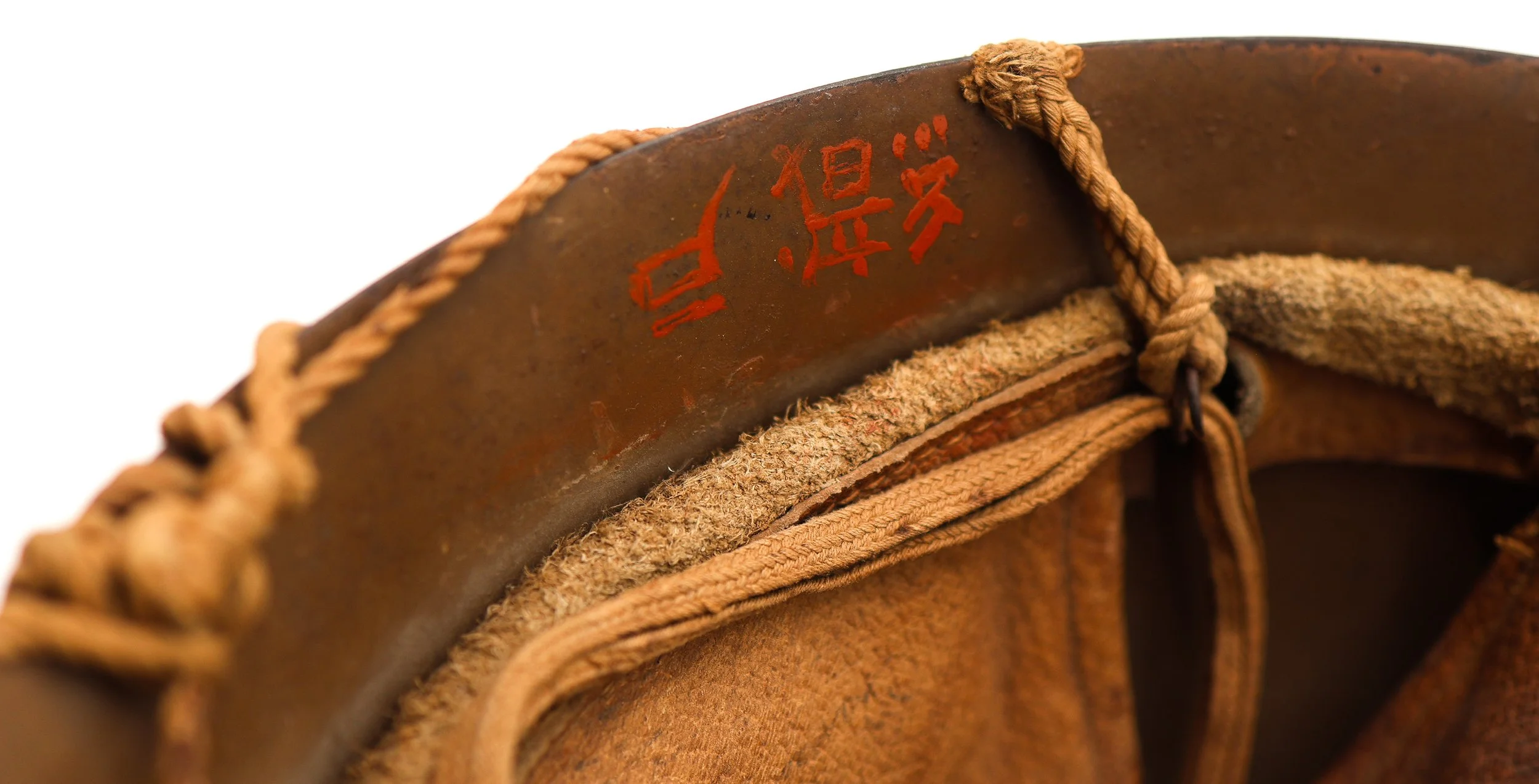
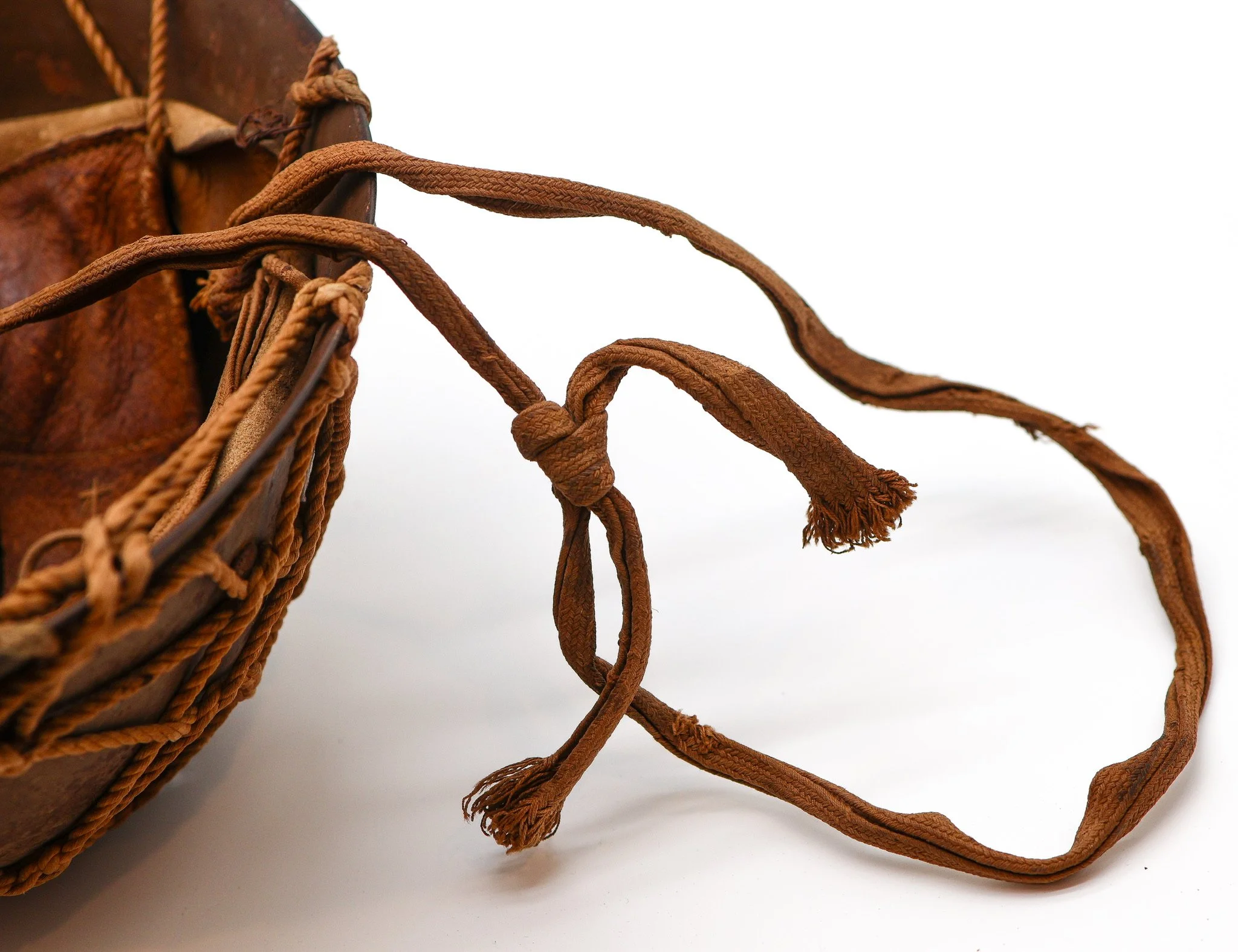
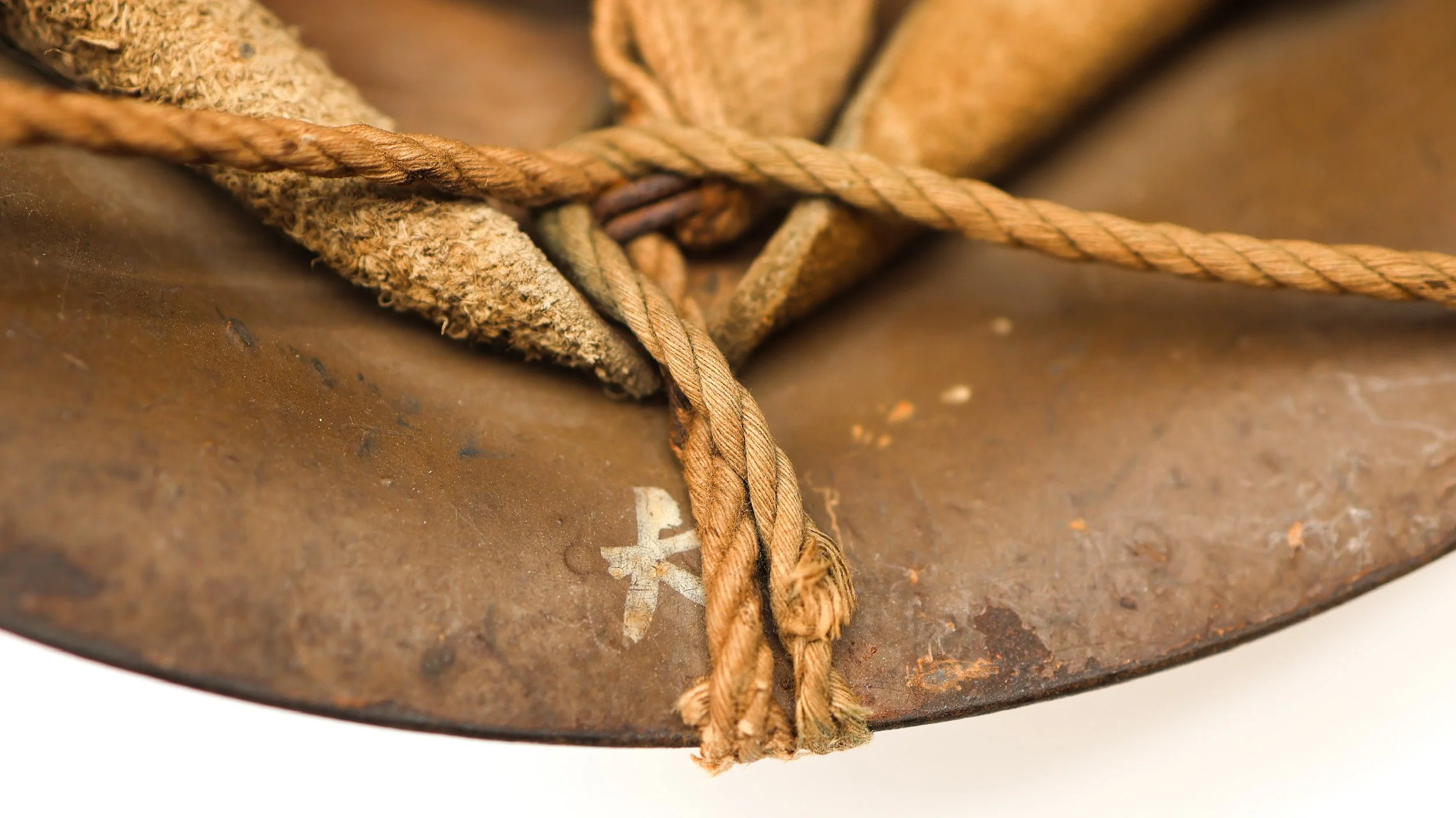
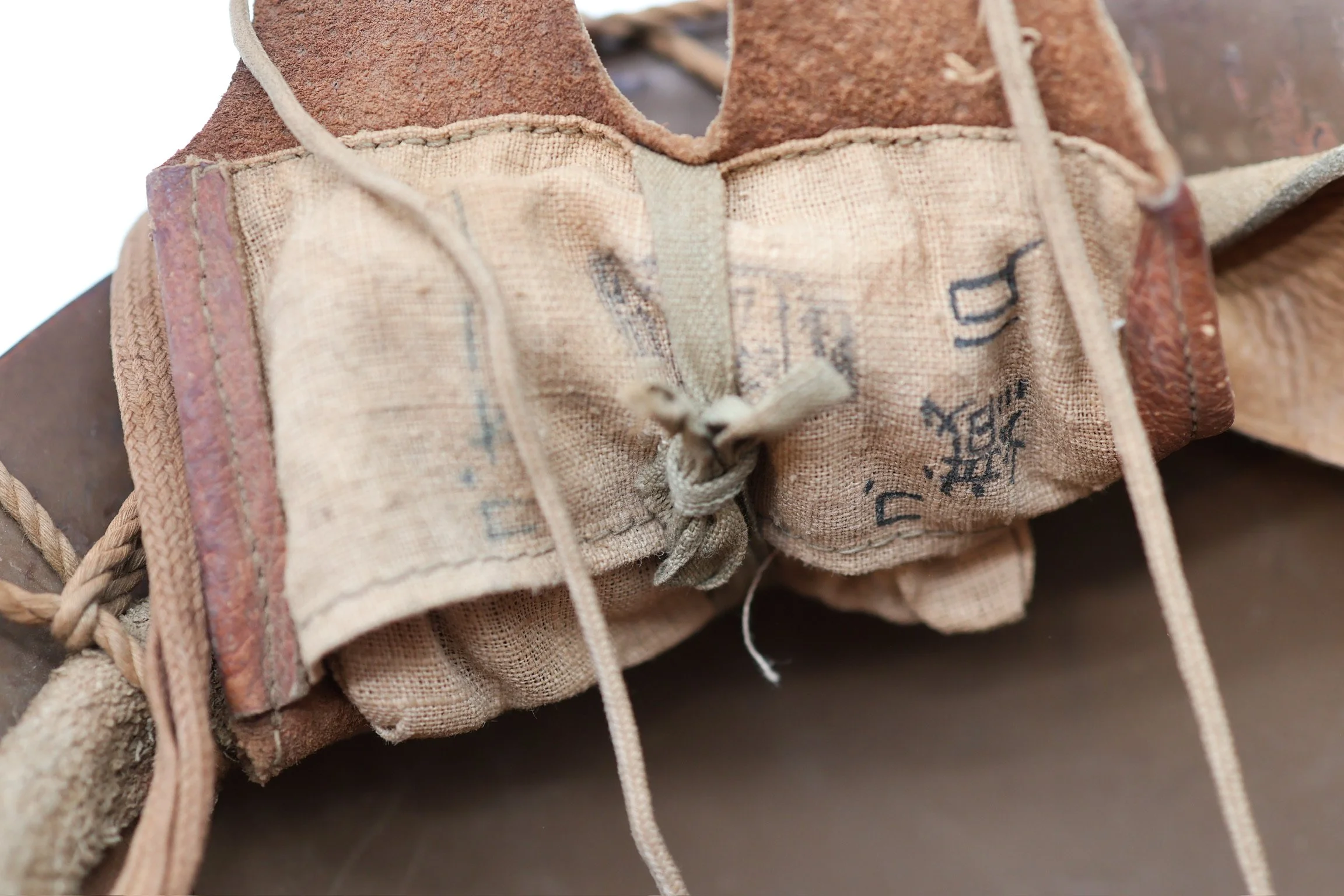
The central artifact is a Japanese Army helmet with original rope netting. The helmet retains field wear consistent with combat conditions on Iwo Jima. The net remains intact and displays age-related shrinkage and wear. Japanese kanji are present on the helmet, reading “Orido” (also rendered “Orito”), indicating personal identification. The helmet was taken by Santoro on Iwo Jima and remained in his possession until his daughter inherited it when he passed away.
-
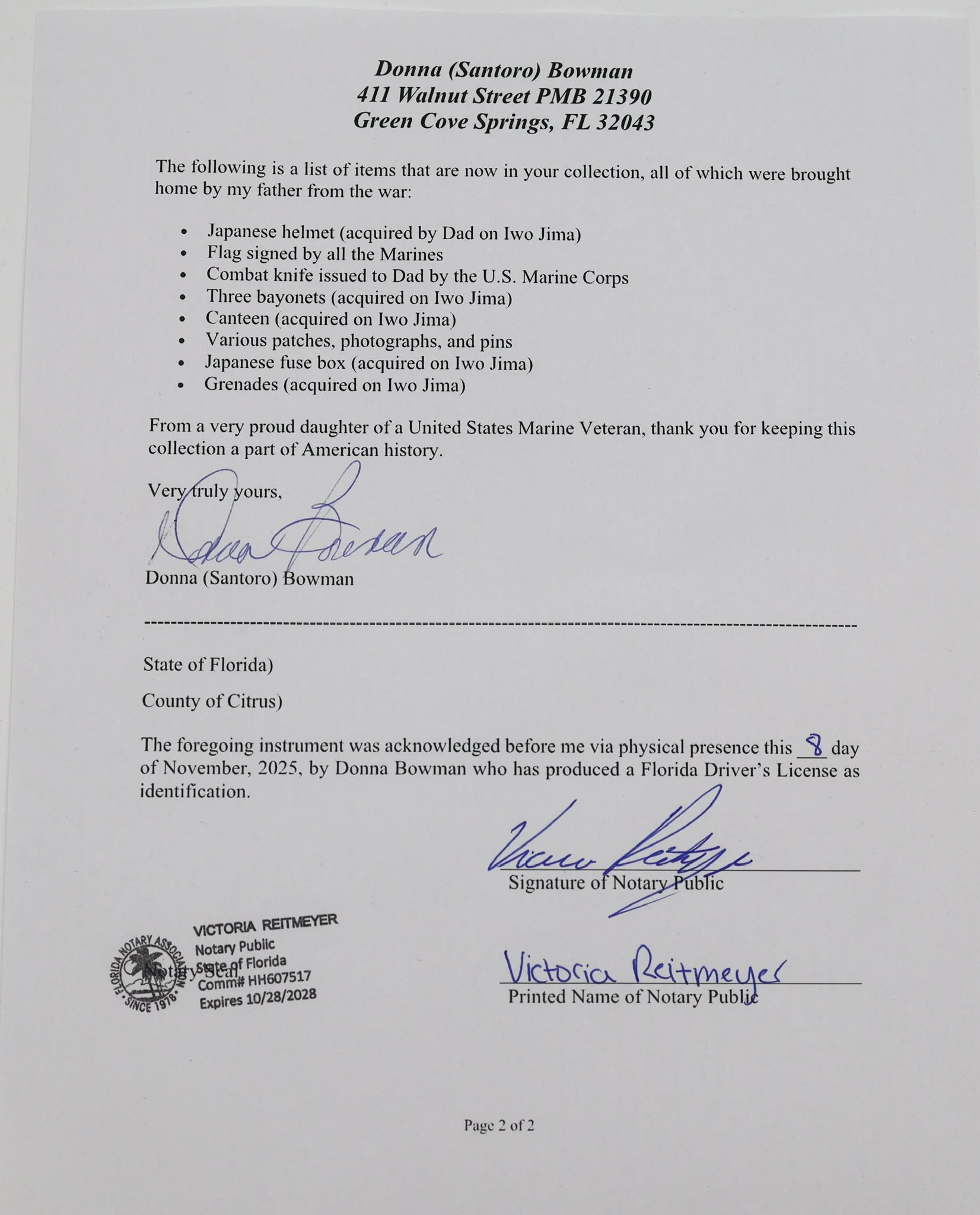
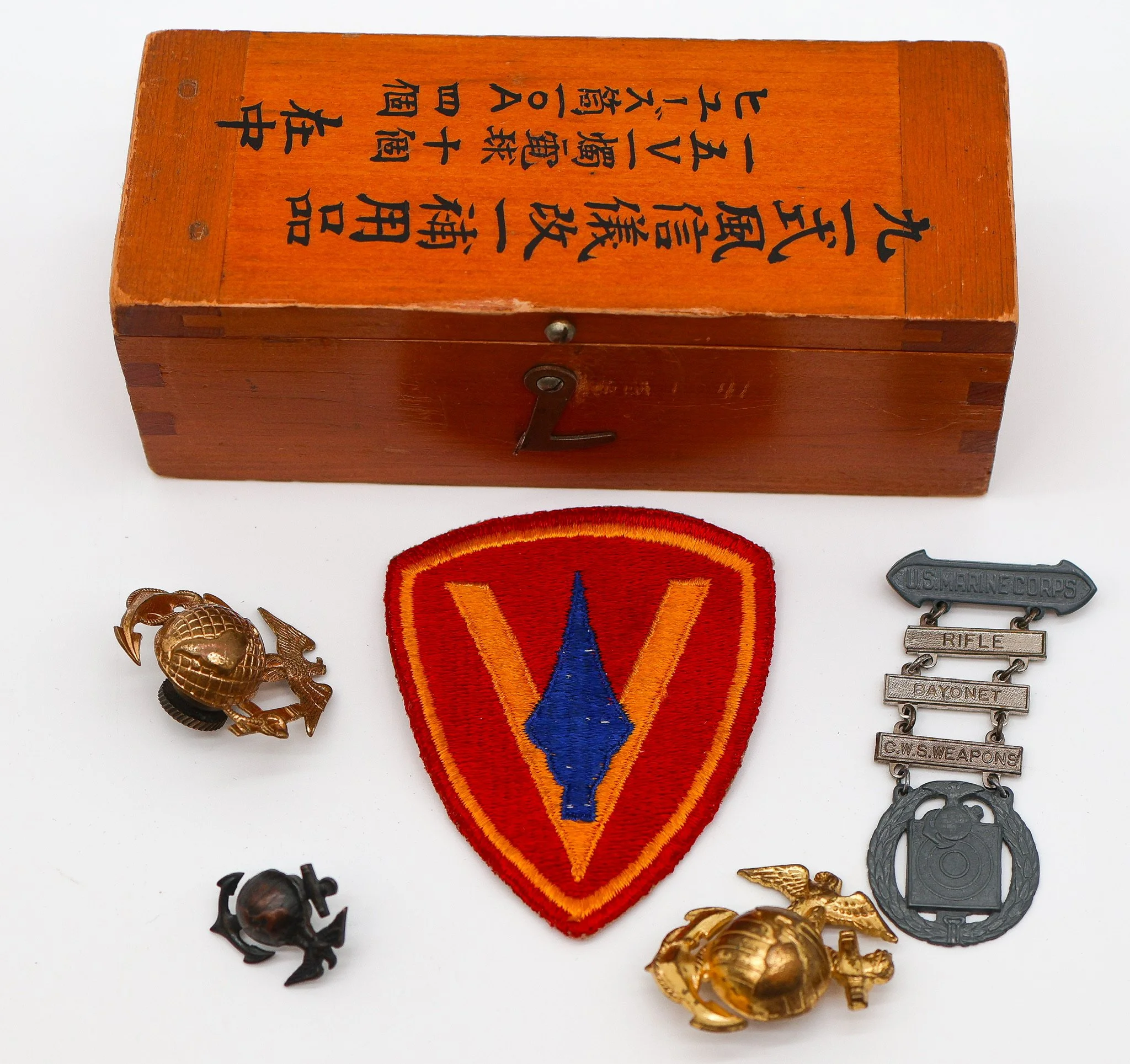
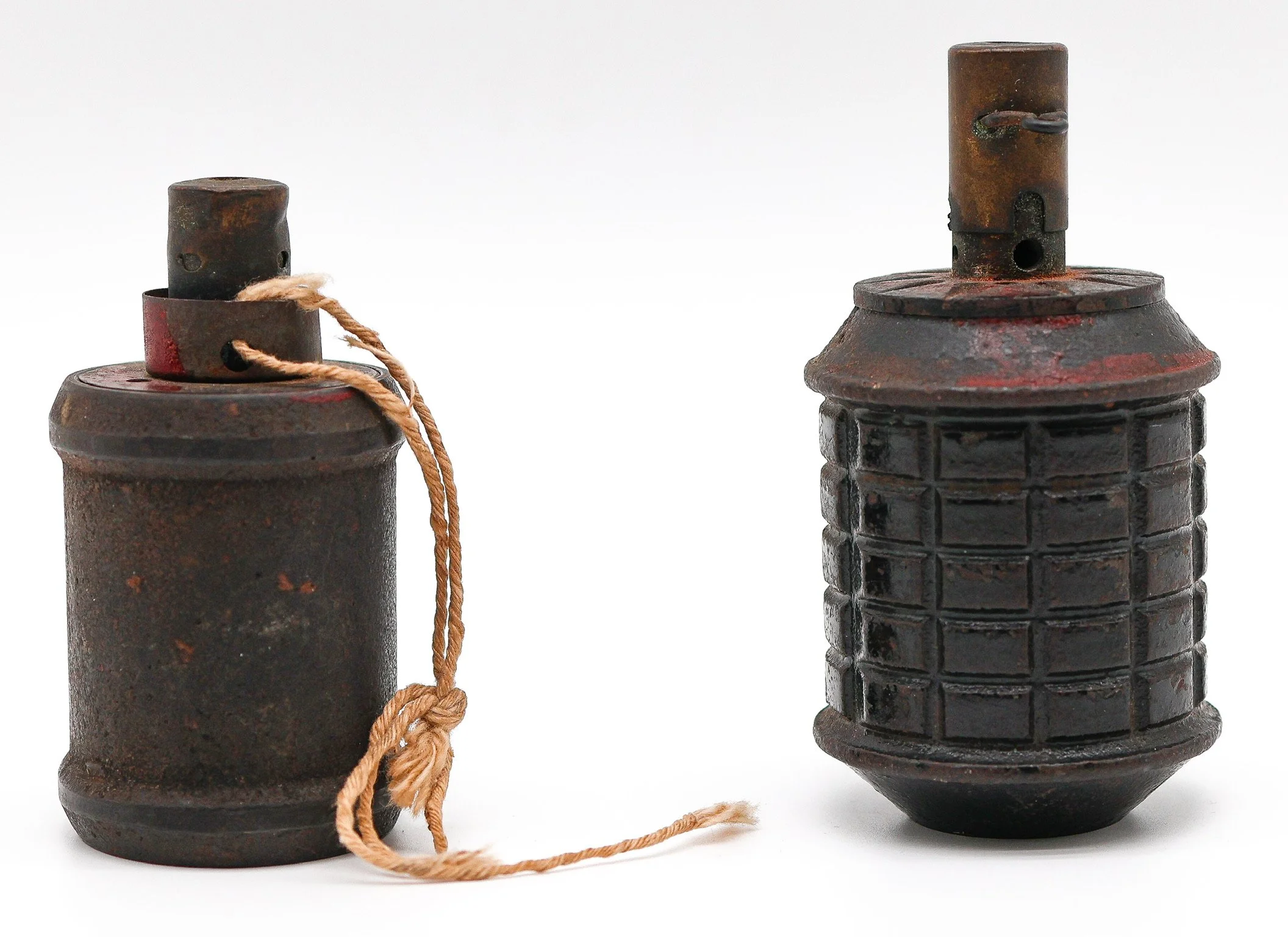
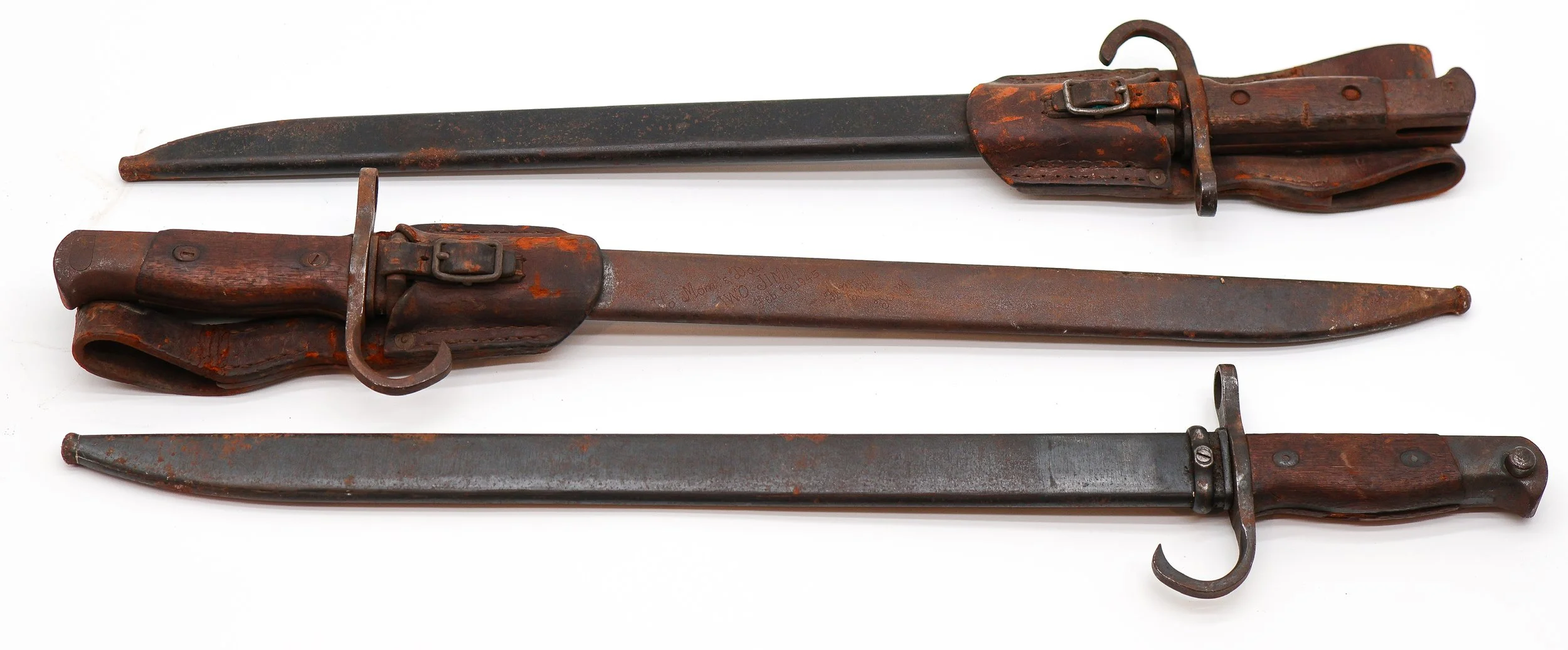
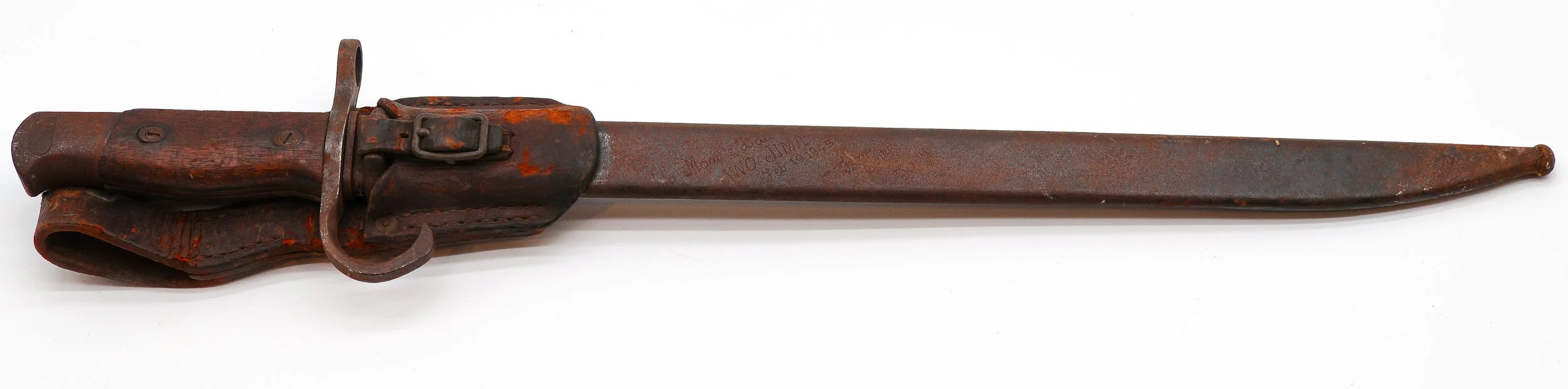
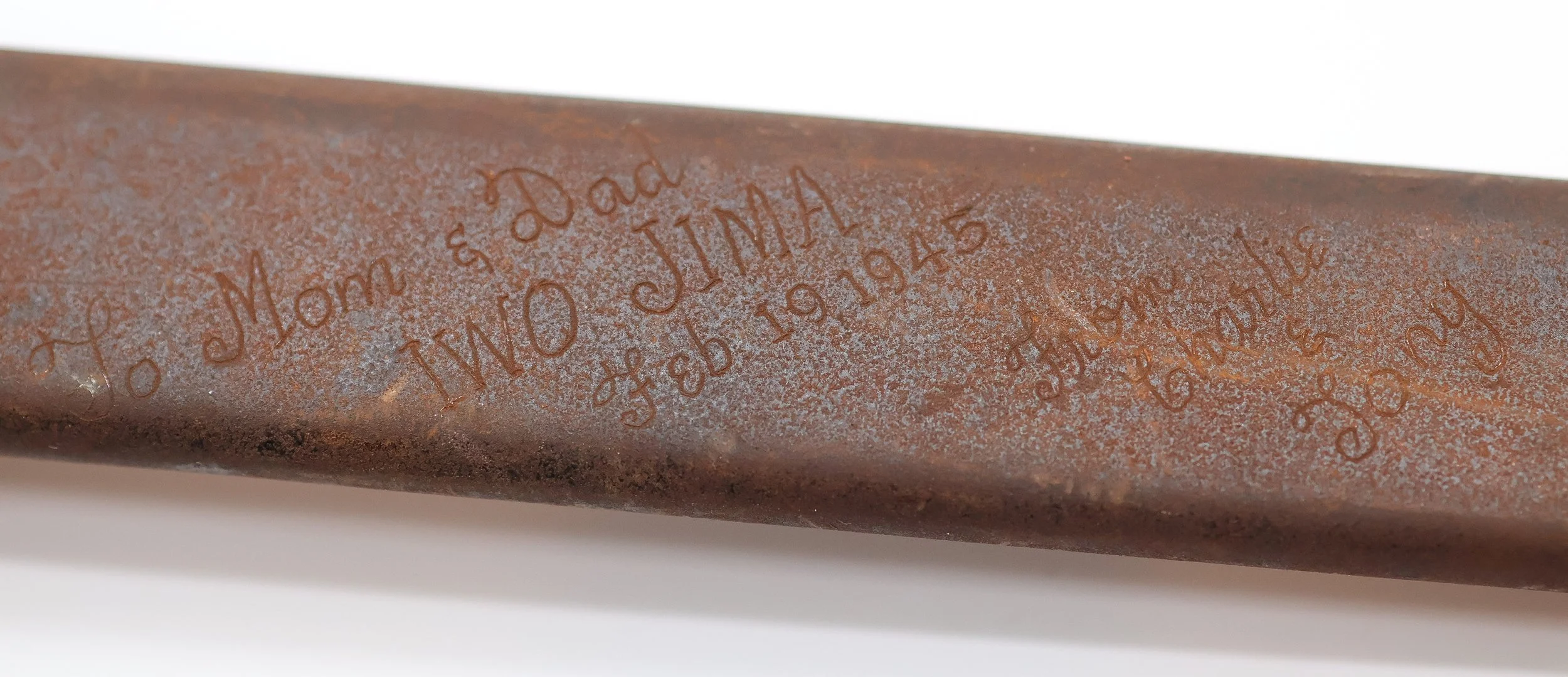
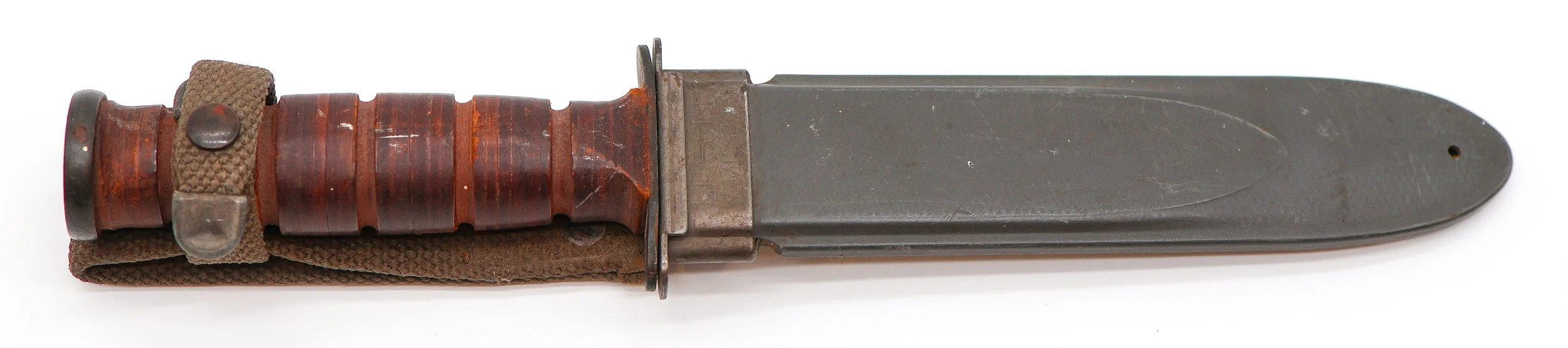
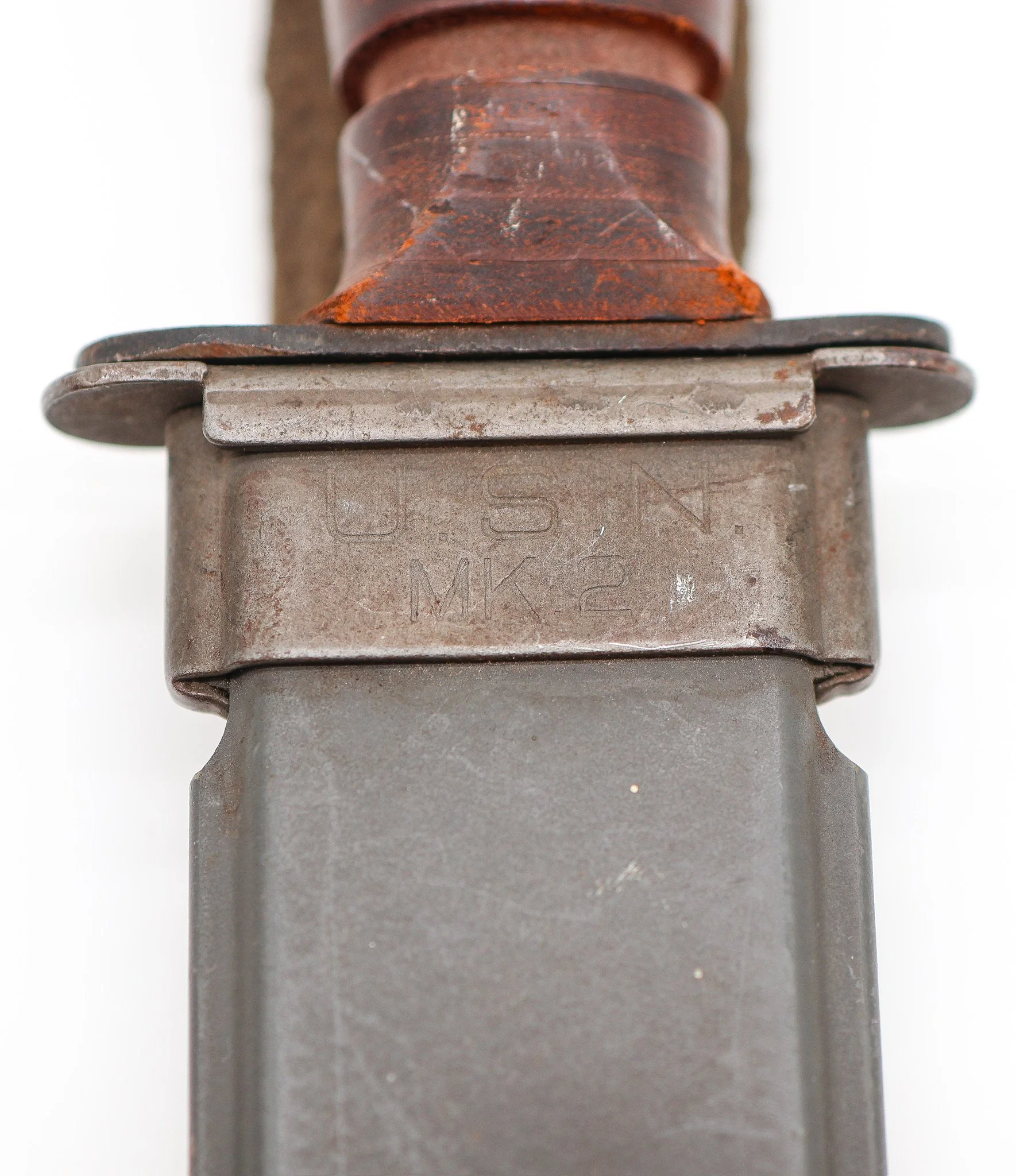
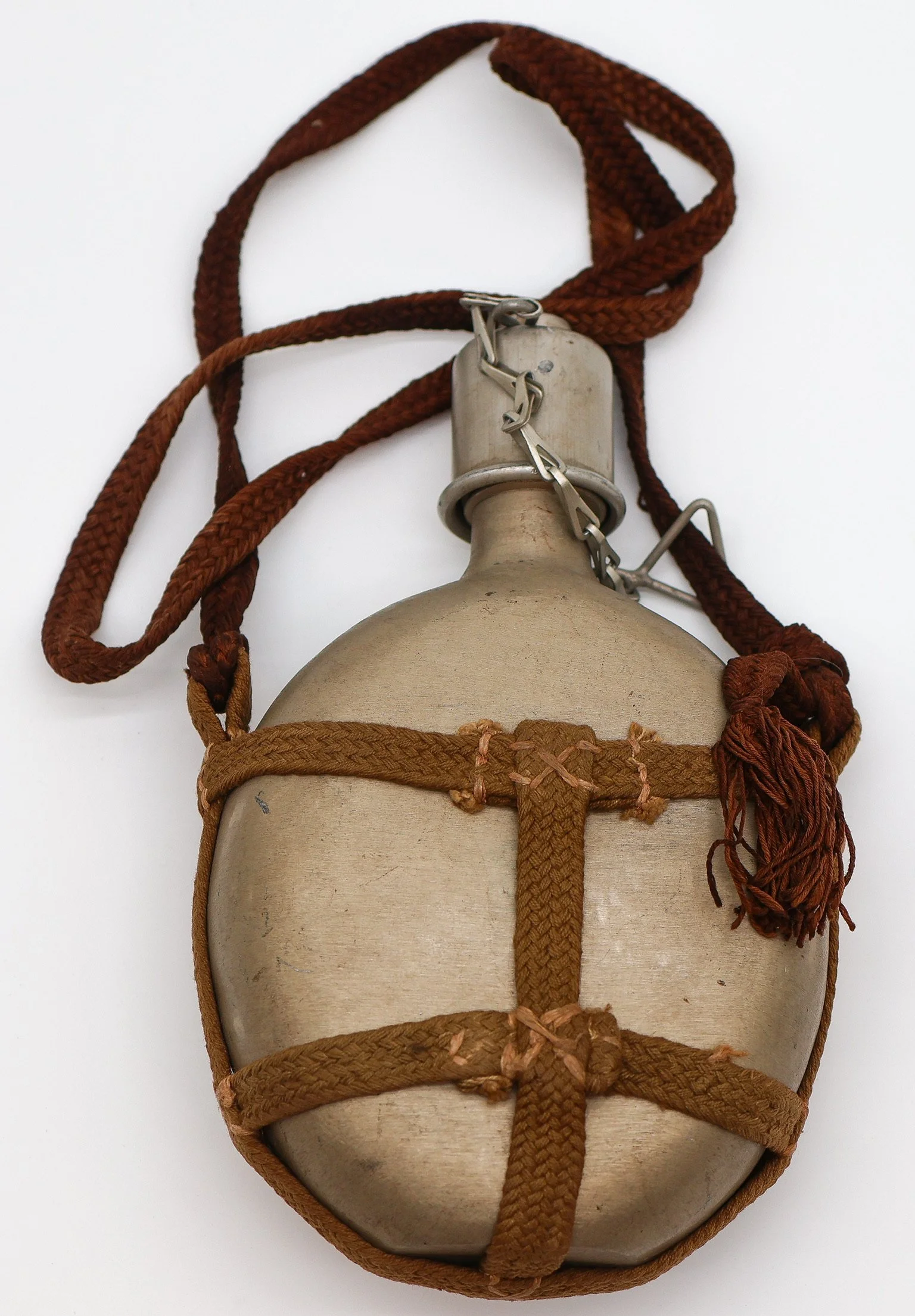
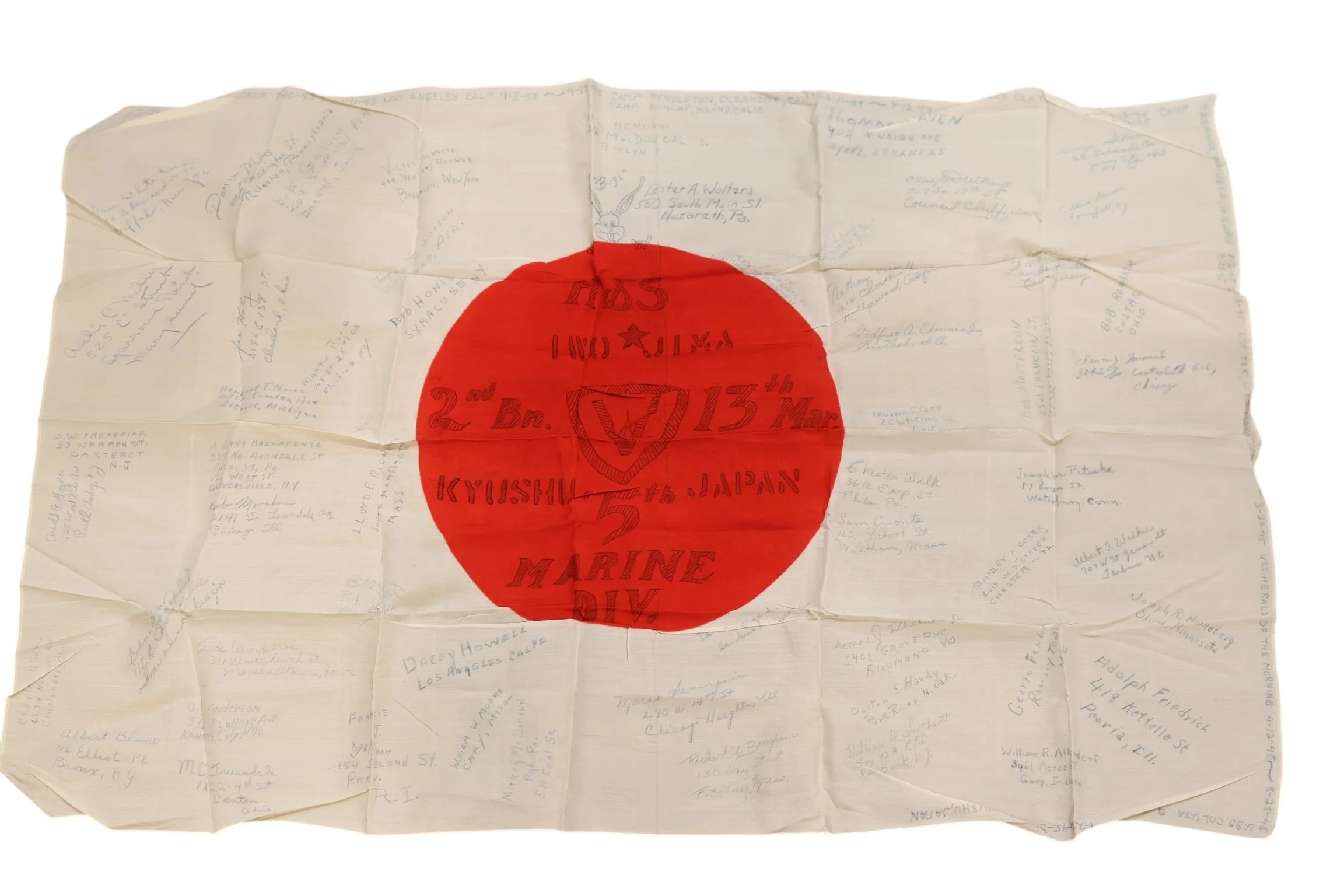
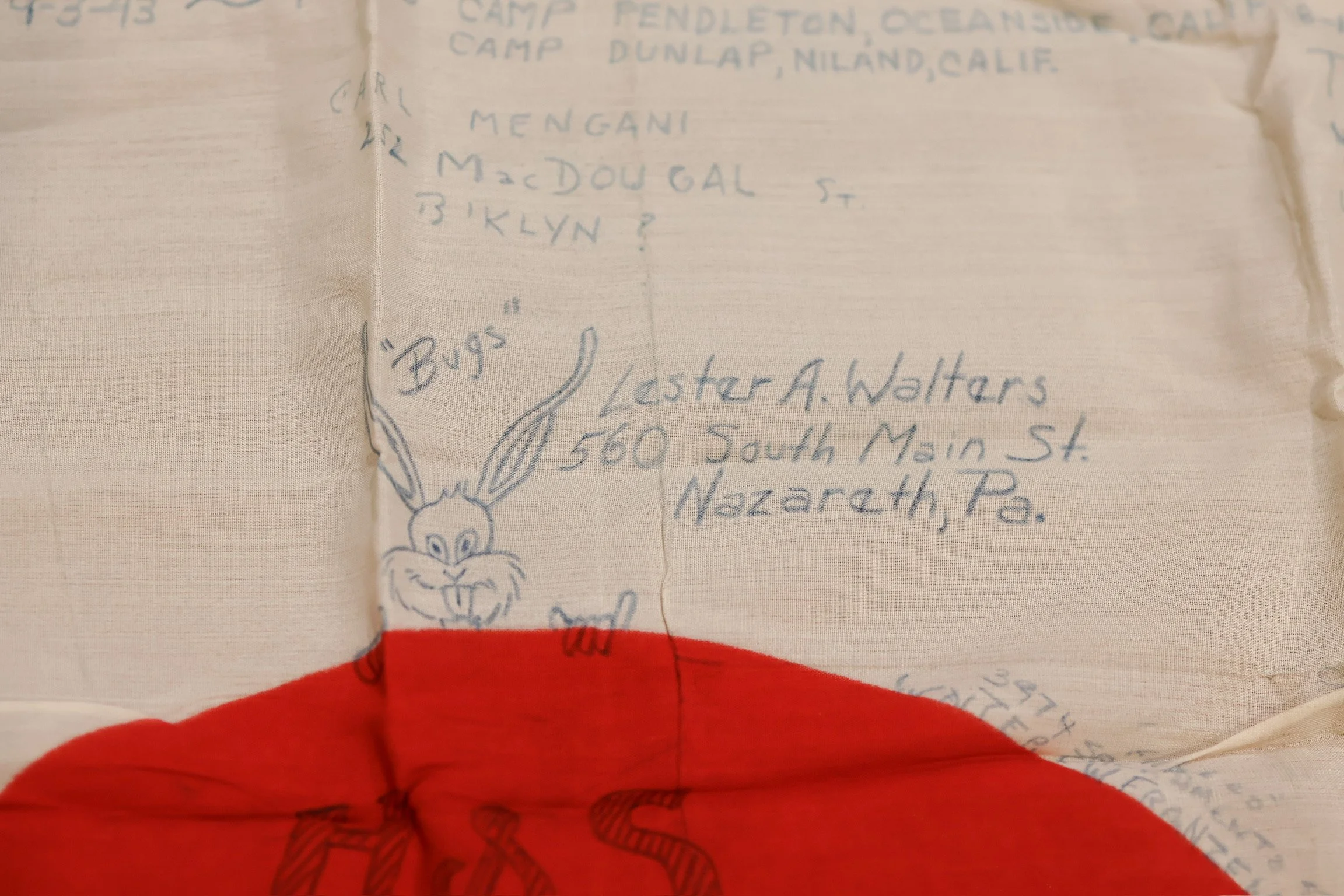
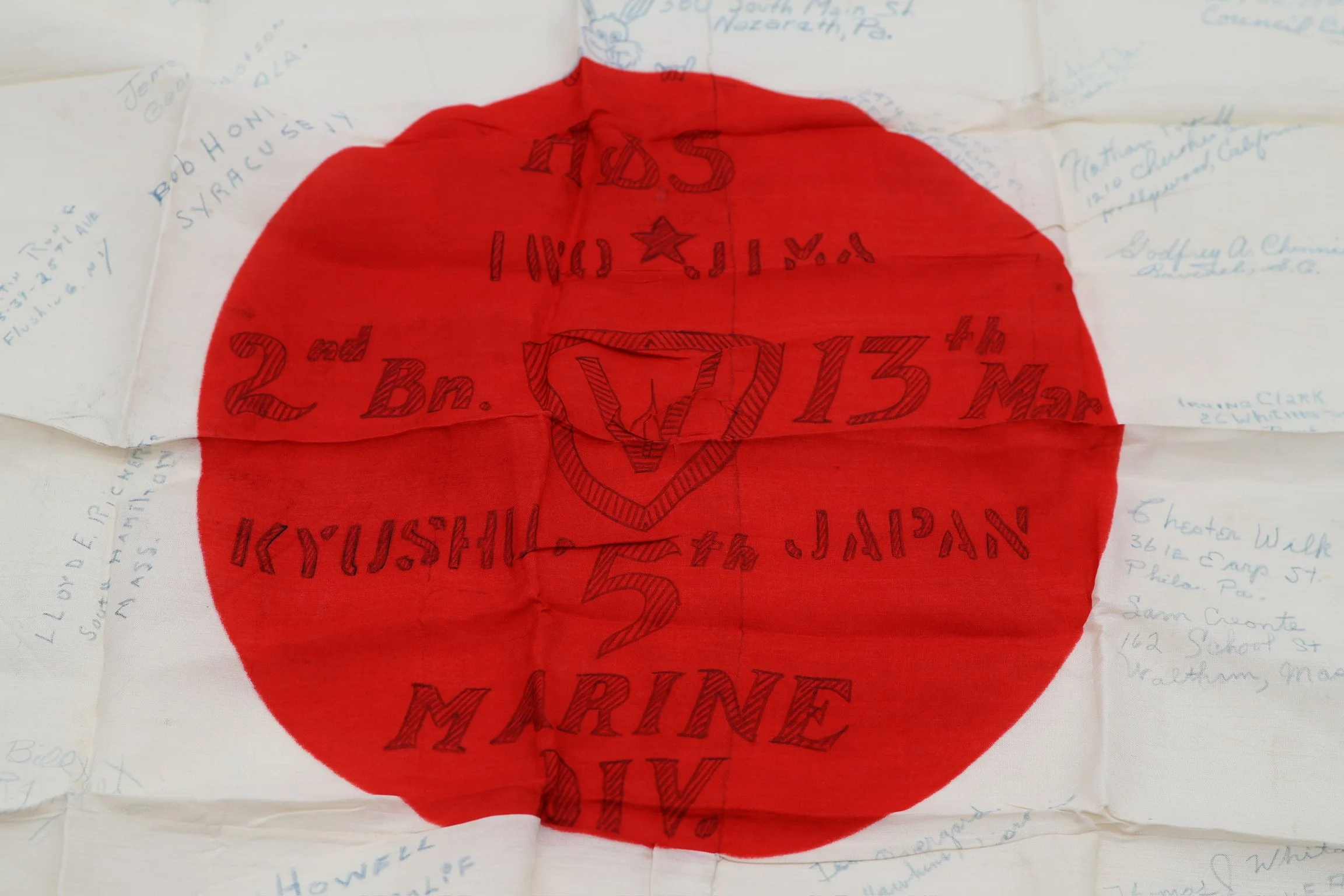
Also included in this grouping are multiple Japanese bayonets captured on Iwo Jima, a Japanese canteen acquired on the island, a Japanese wooden fuse box, an occupation flag signed by Marines, period medals, insignia, and personal effects. A U.S. Navy knife is present within the grouping; according to Santoro’s daughter, it may have belonged either to Santoro himself during his service or to his brother, who served in the U.S. Navy. Additionally, Japanese grenades brought back by Santoro from Iwo Jima were part of the original wartime souvenirs and are in the Artifacts of Valor collection, though they are not pictured.
This entire grouping was acquired directly from Santoro’s daughter, Donna (Santoro) Bowman.
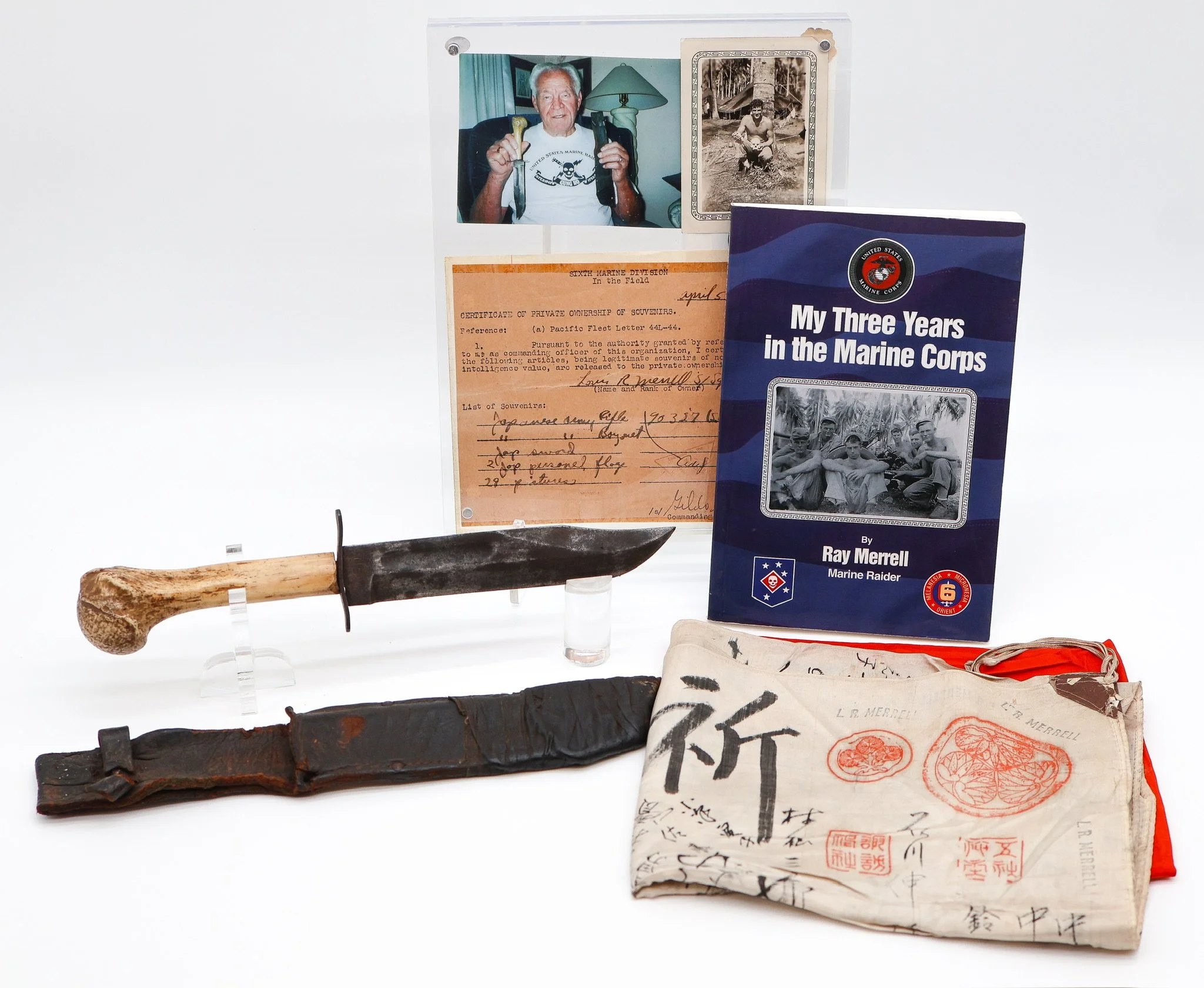
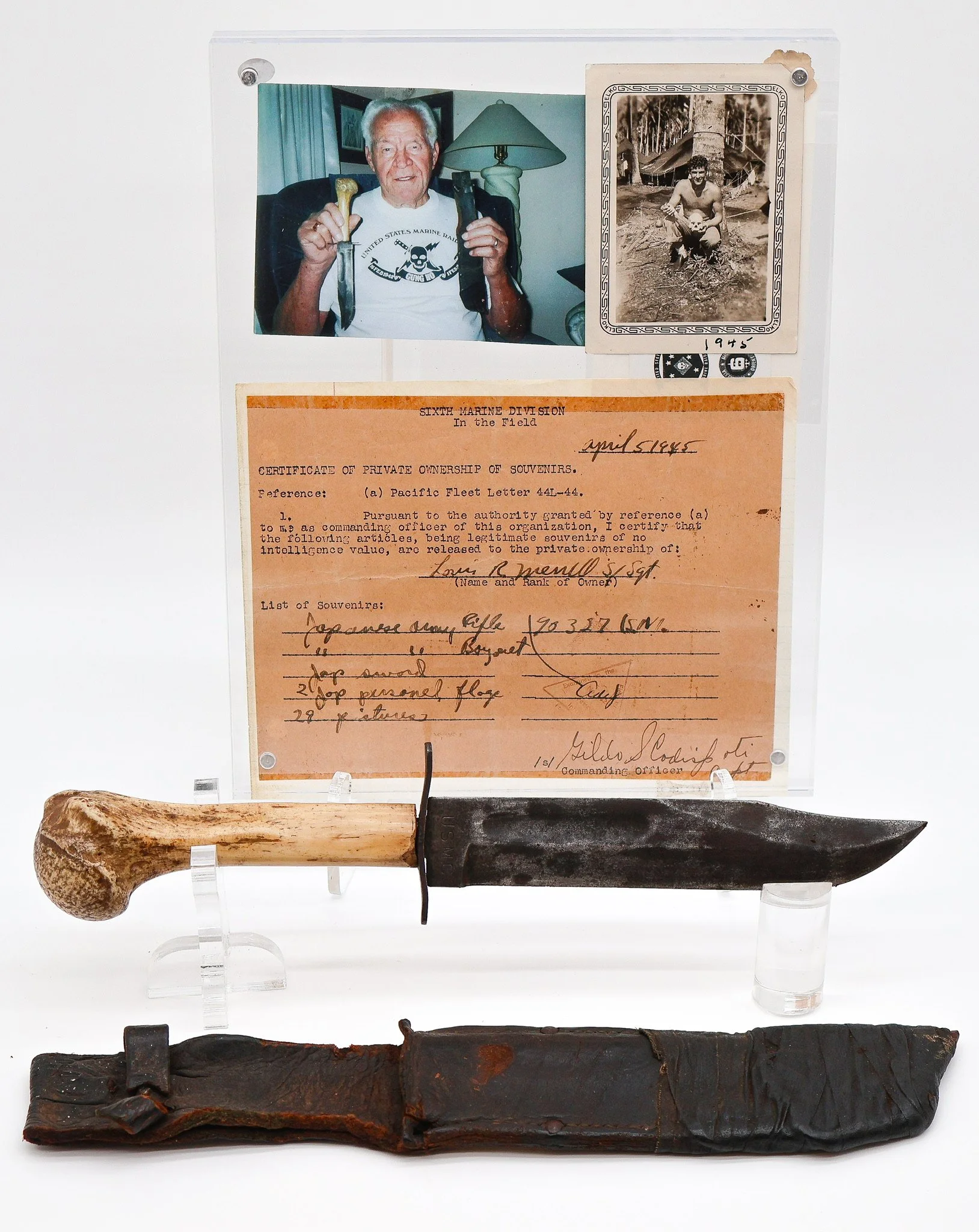
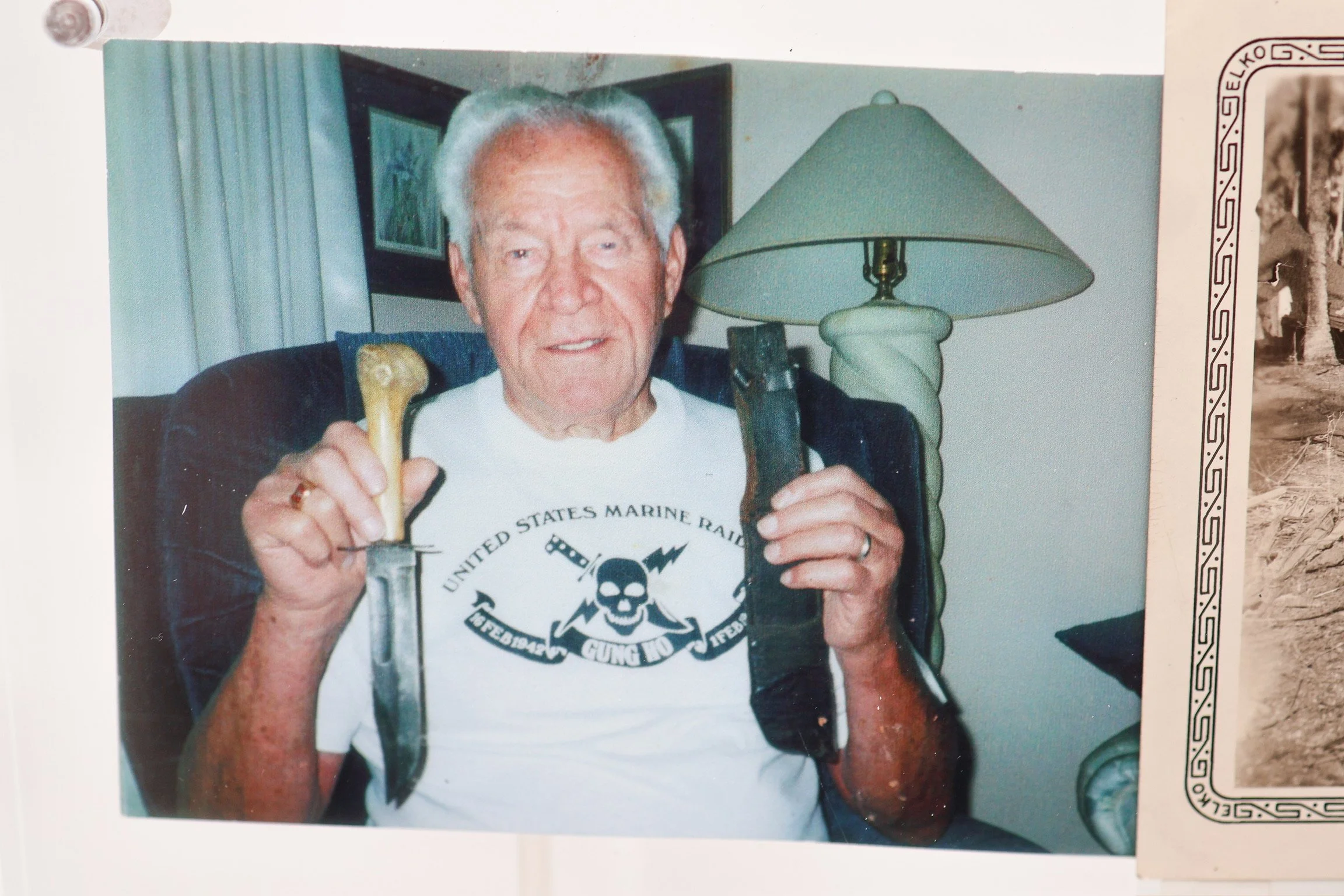
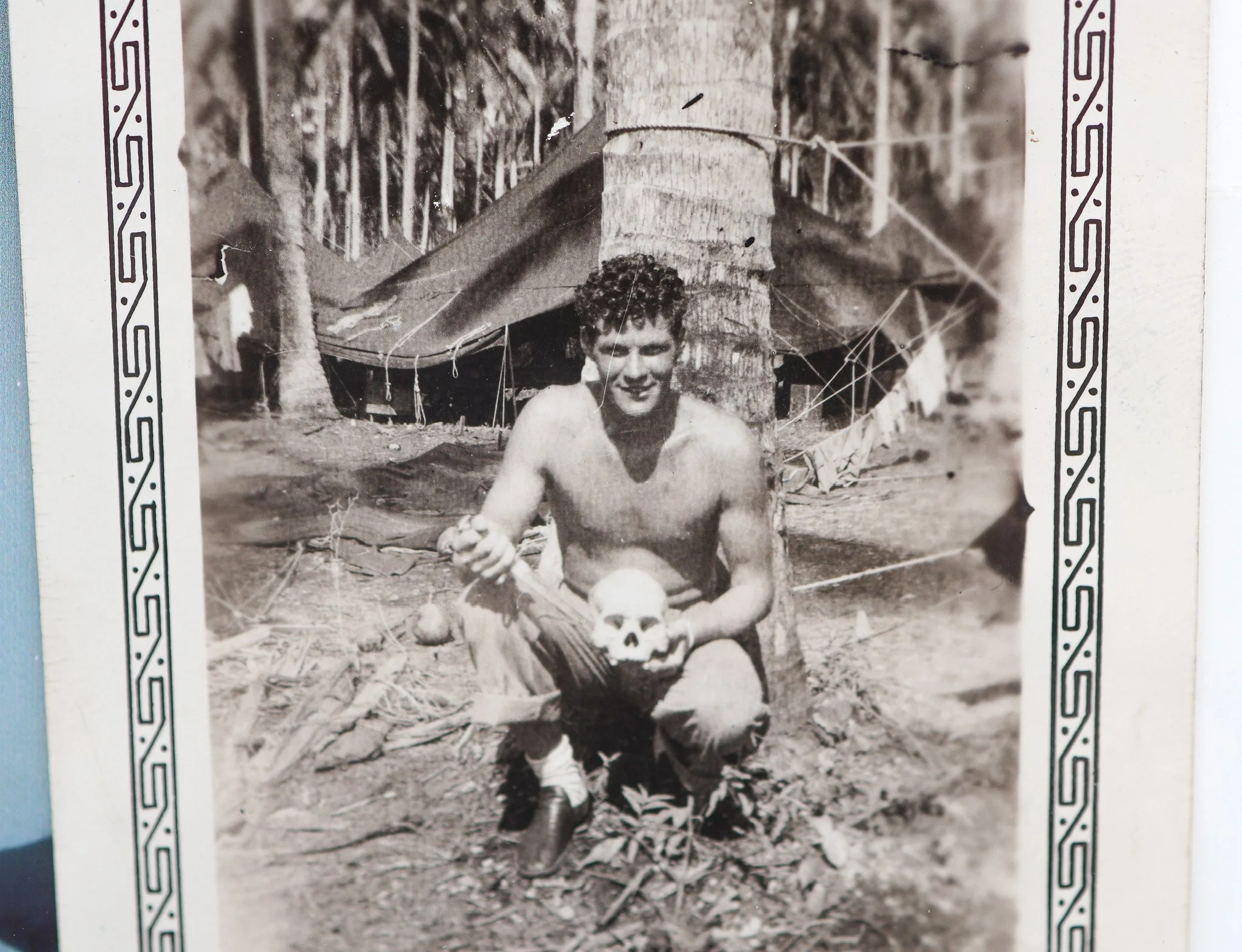
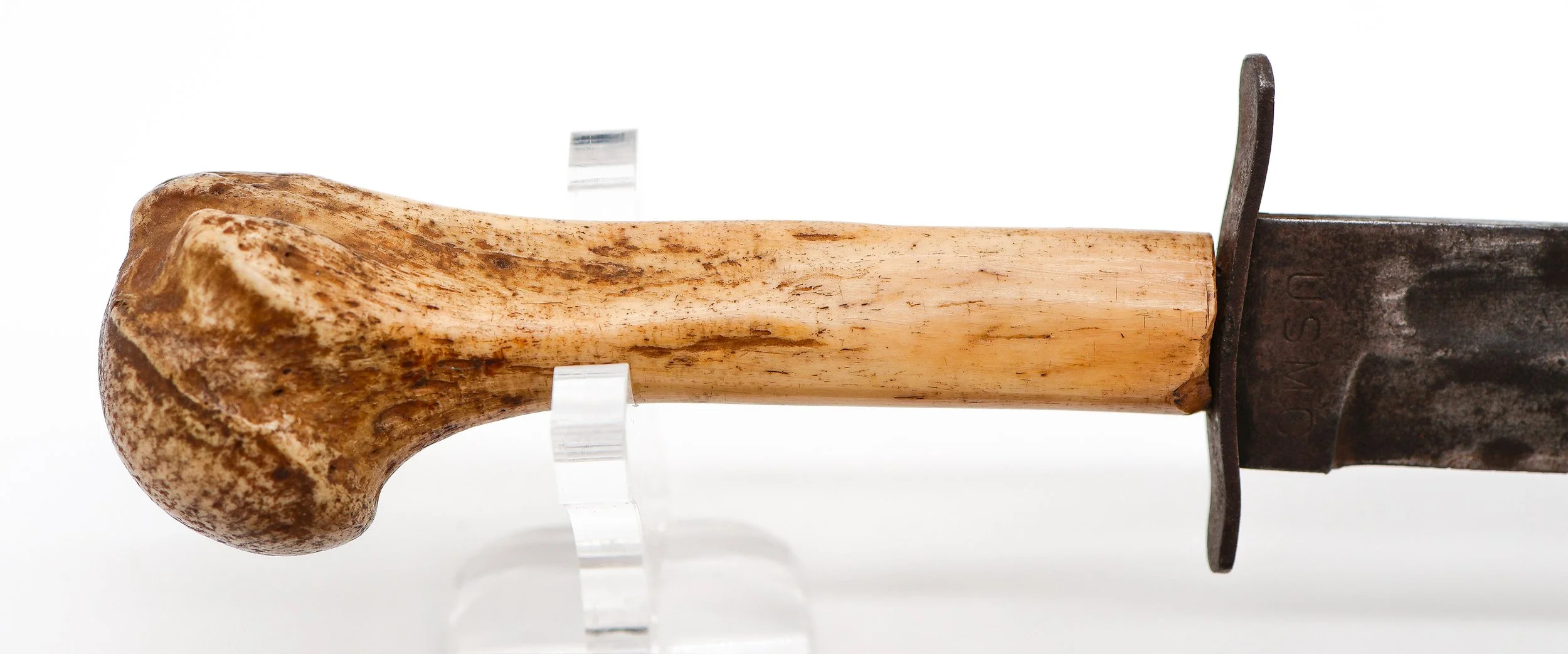
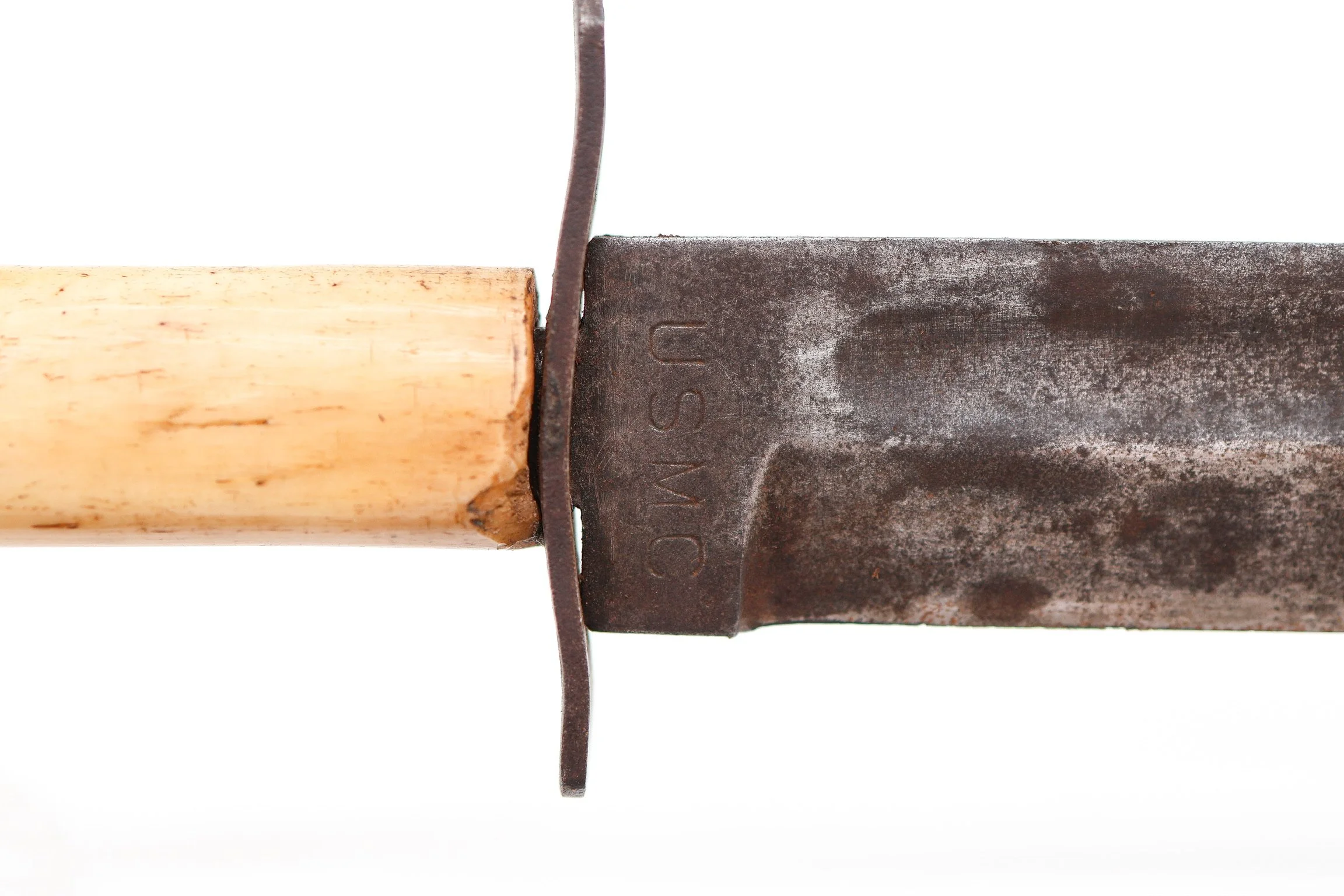
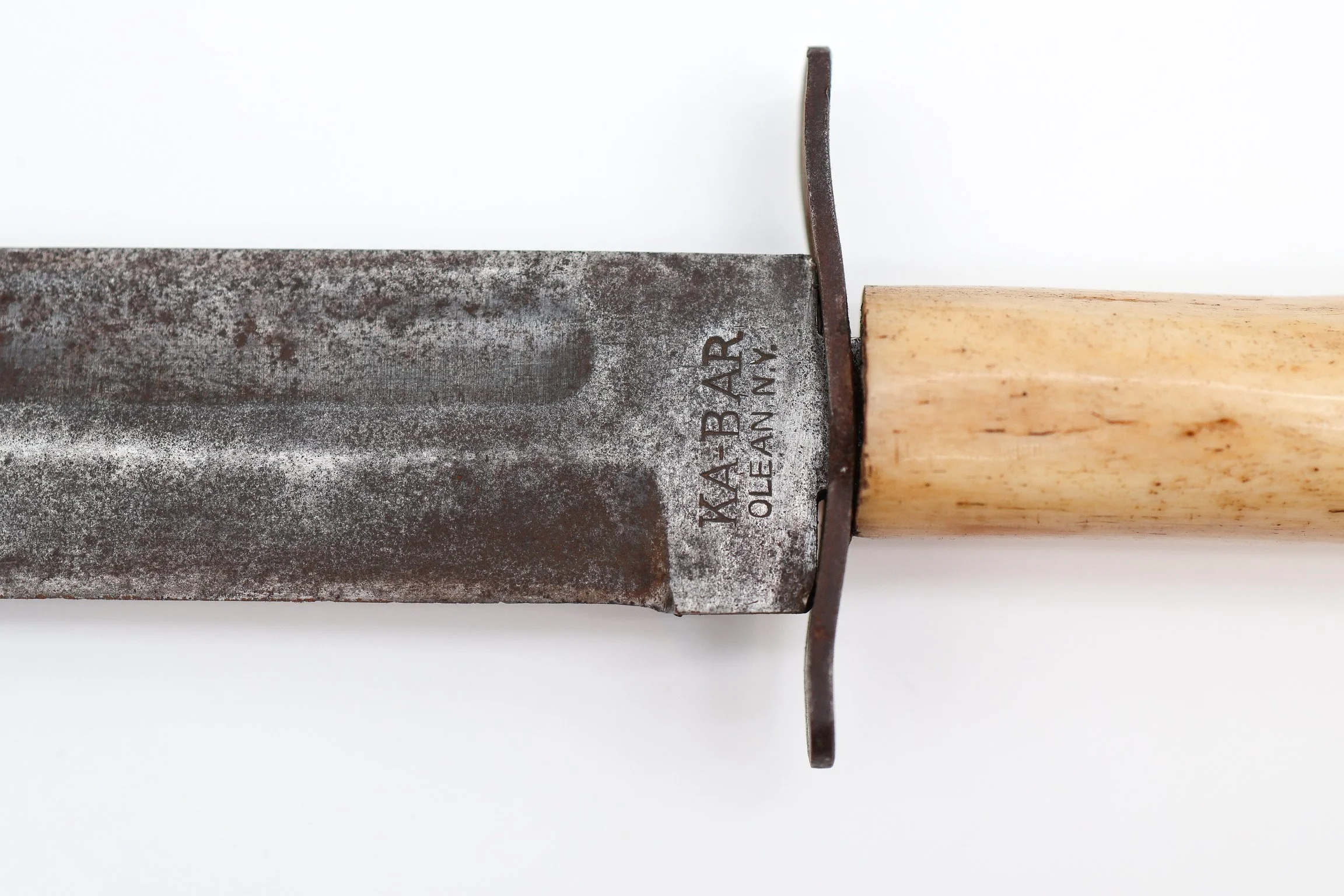
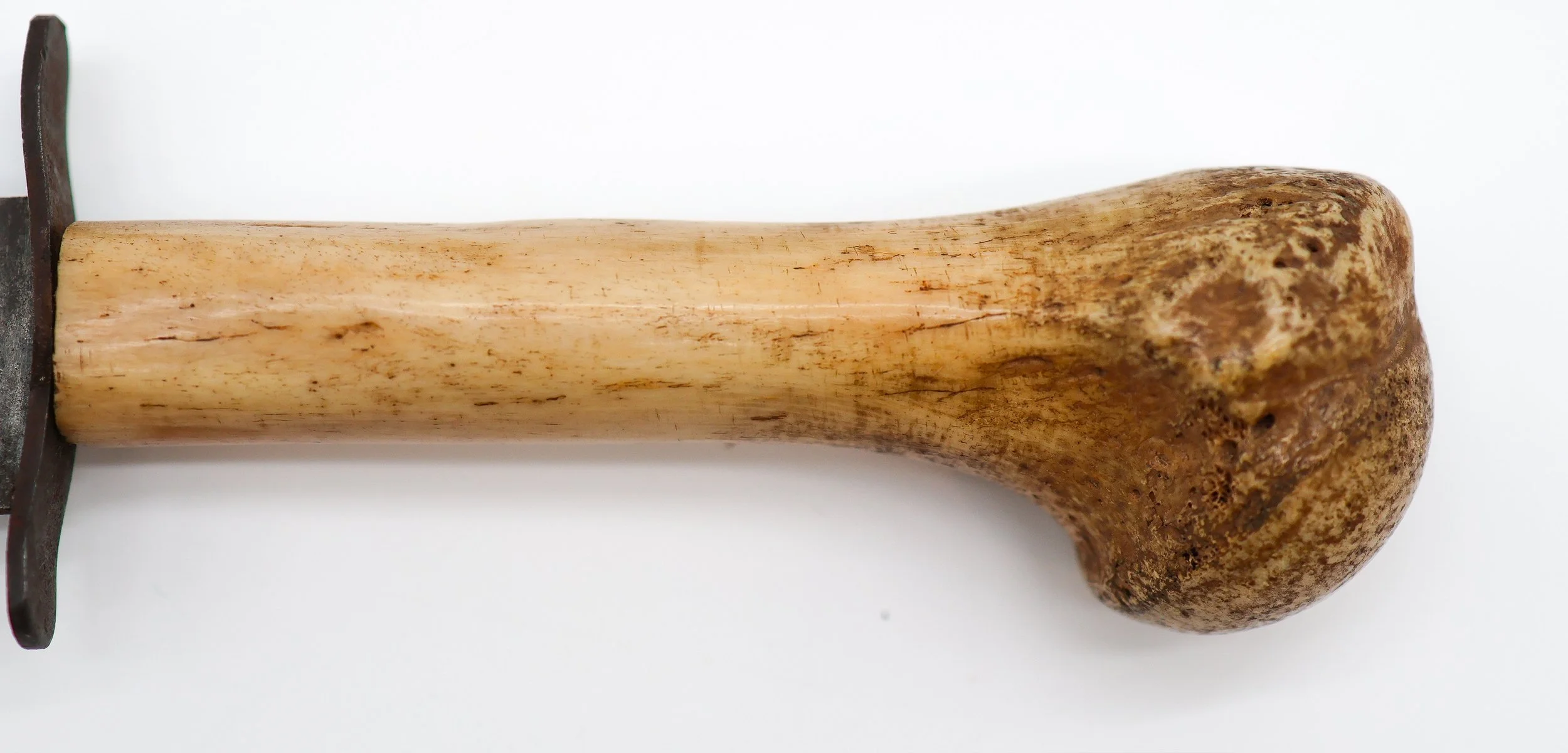
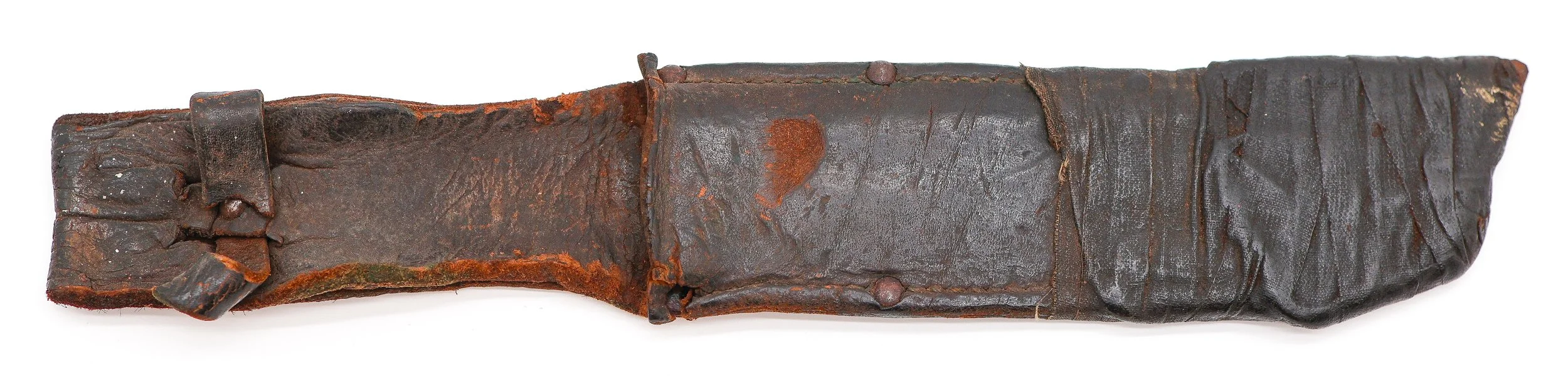
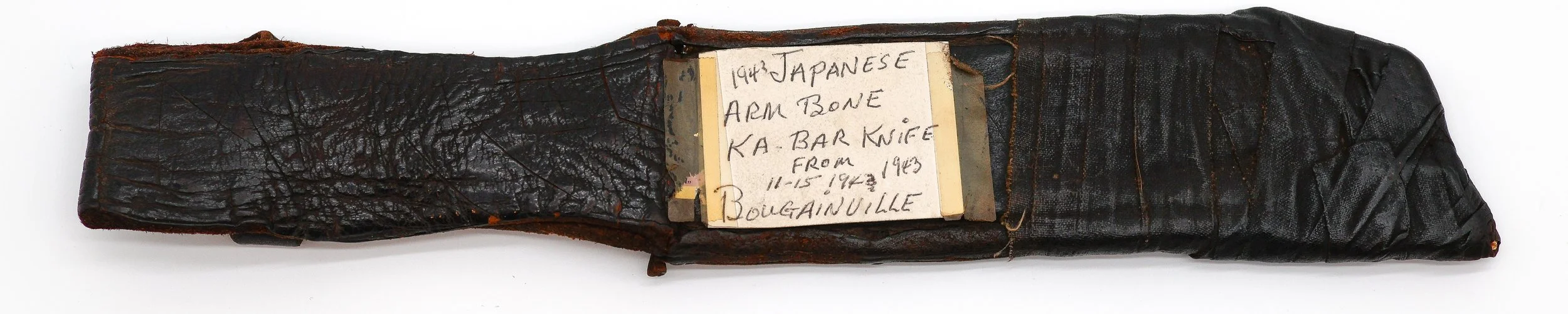
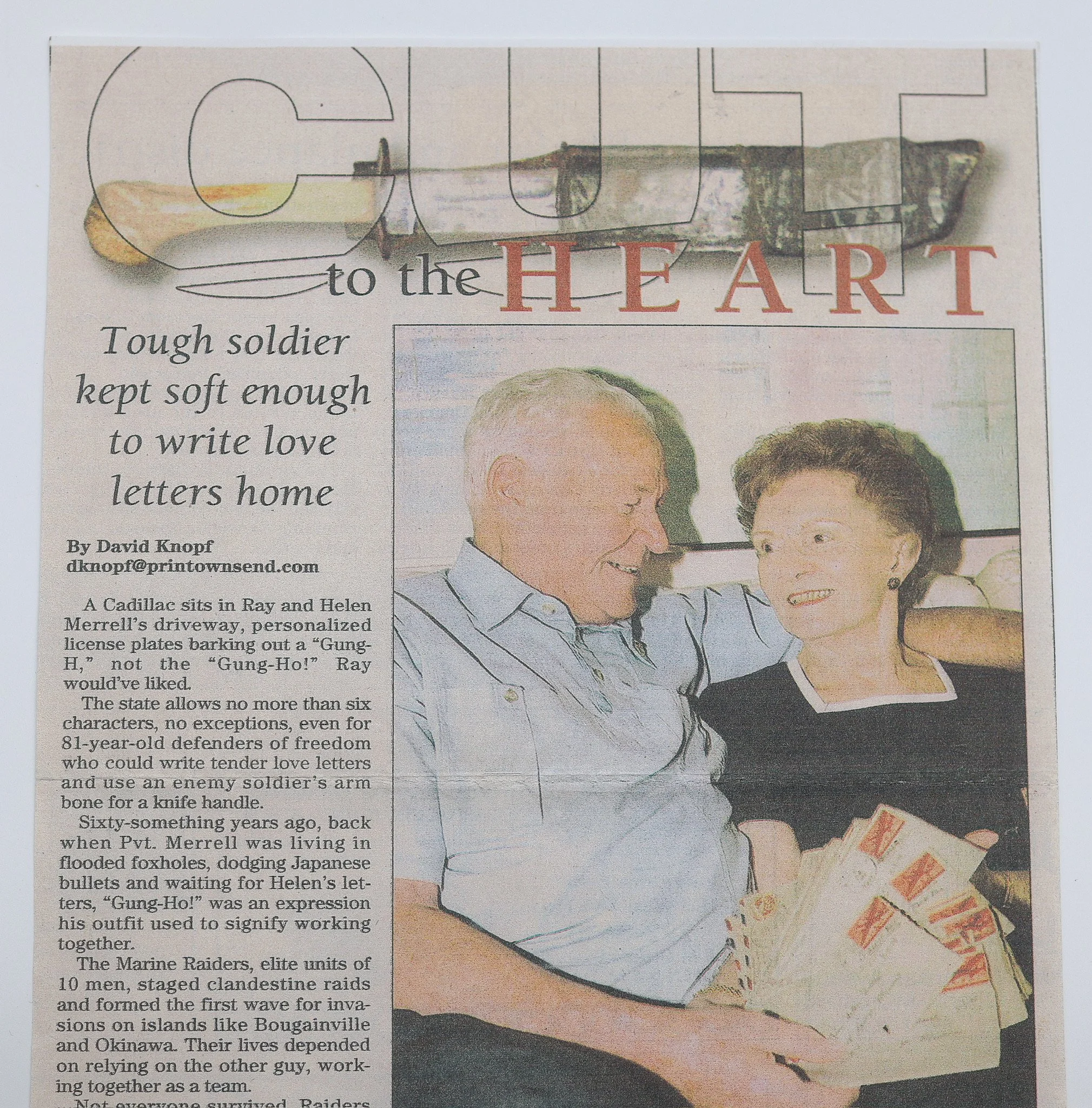
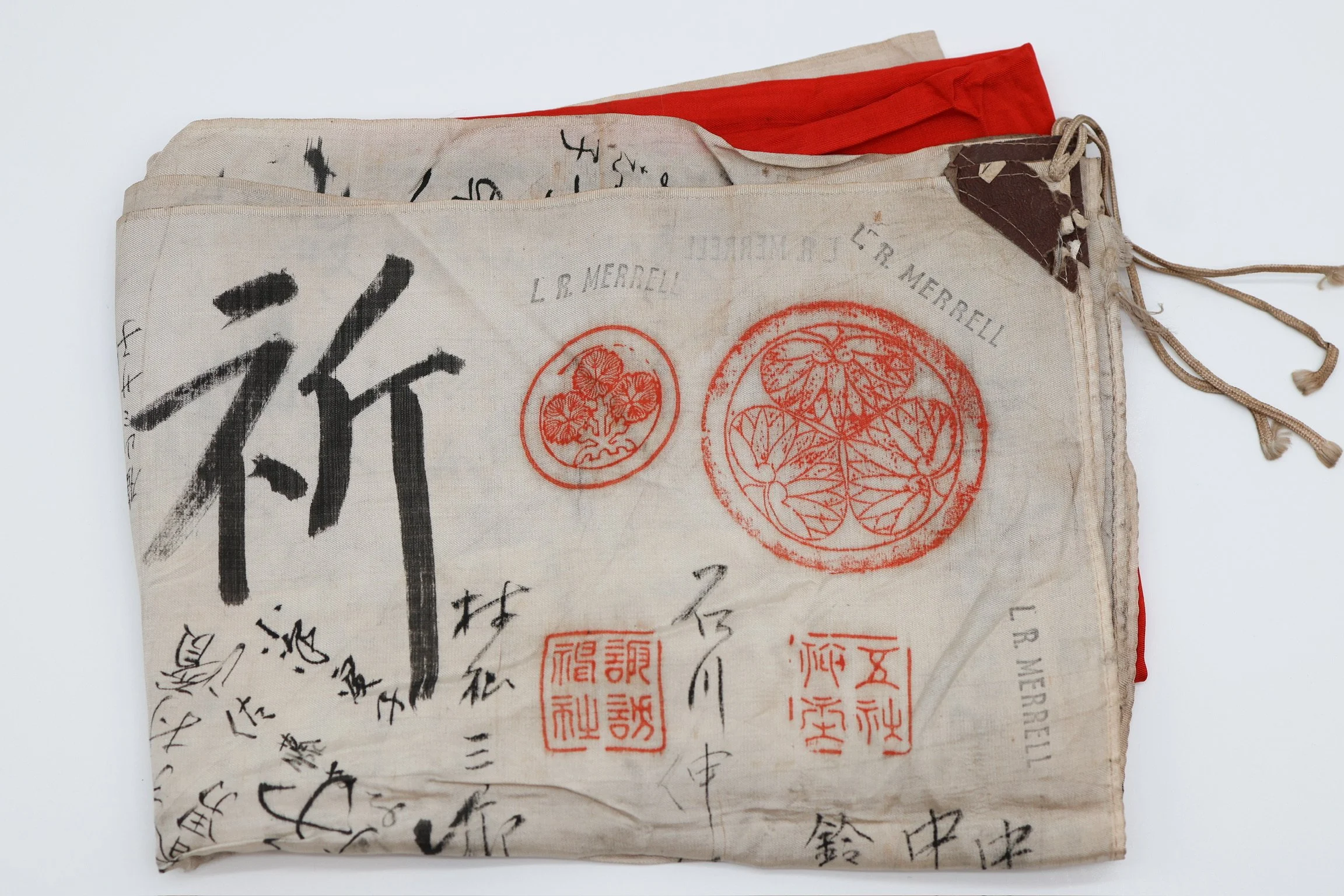
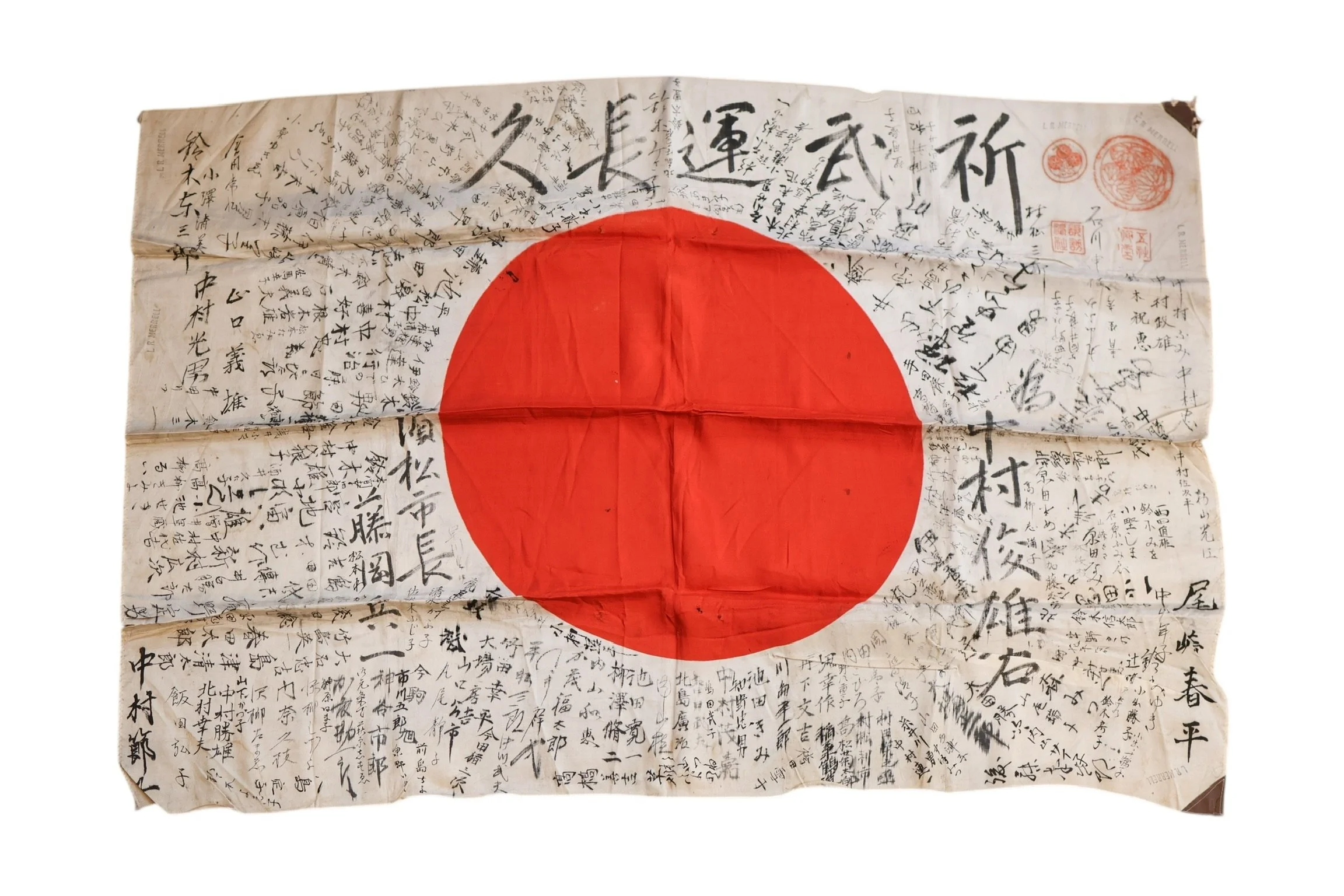
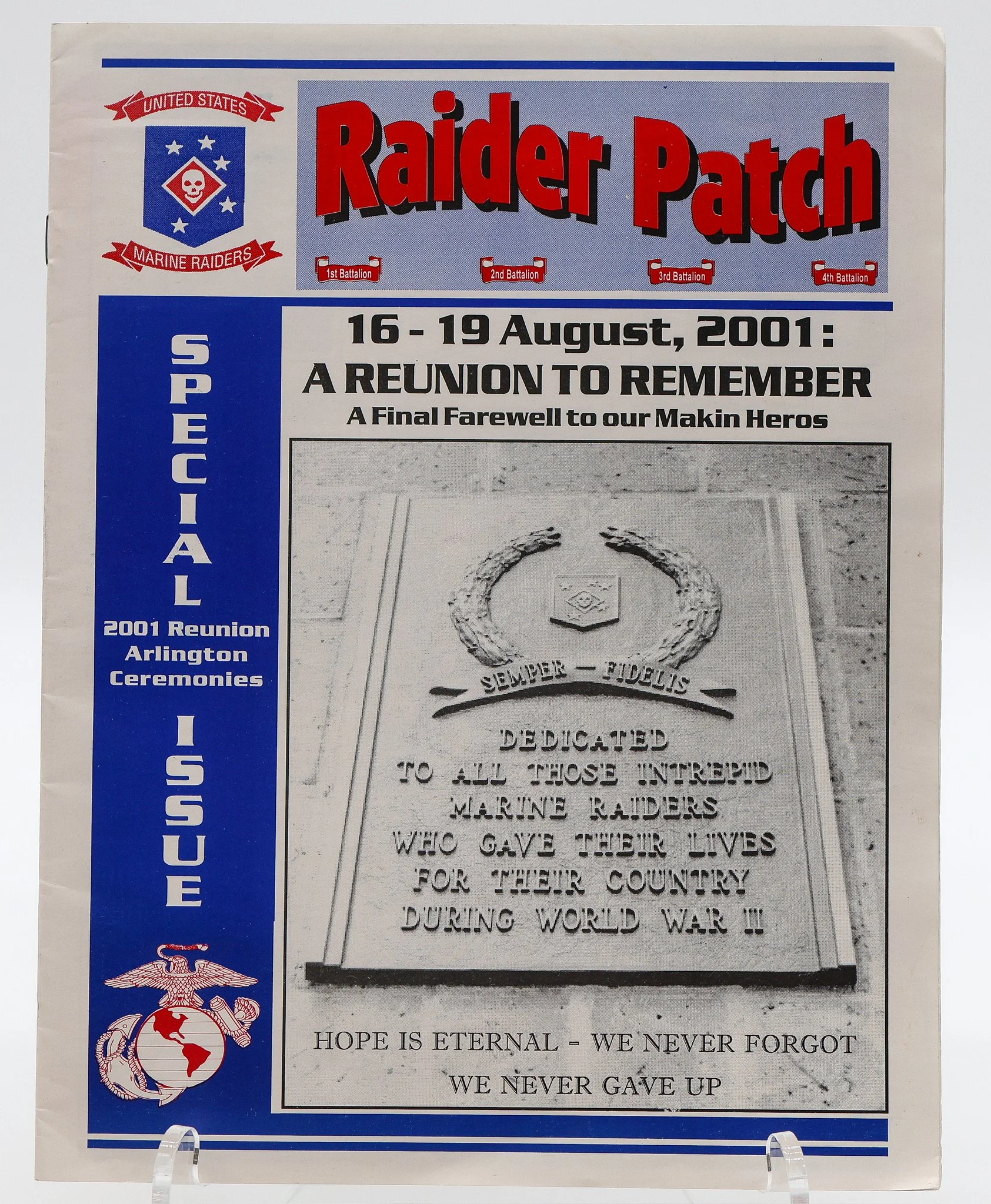
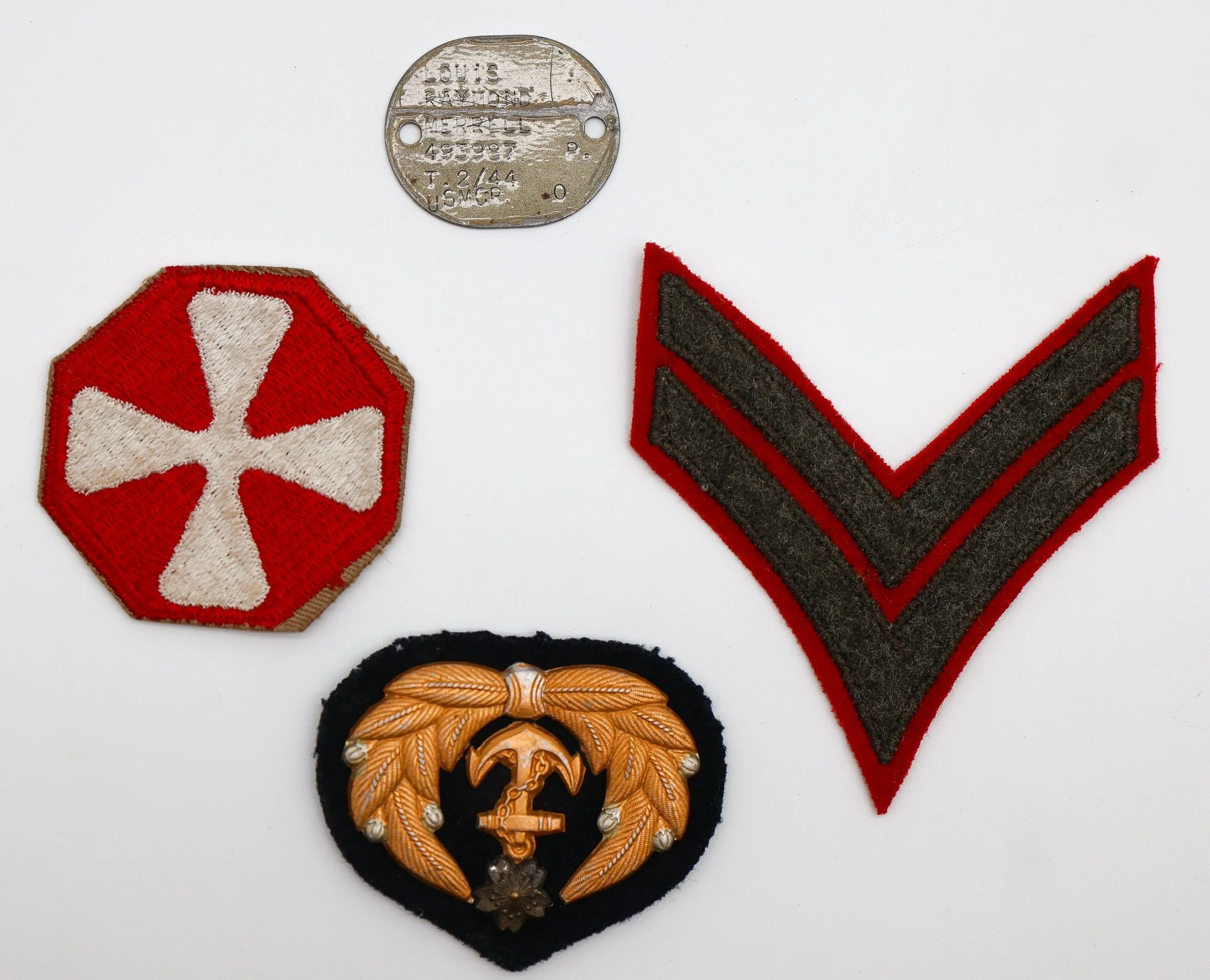
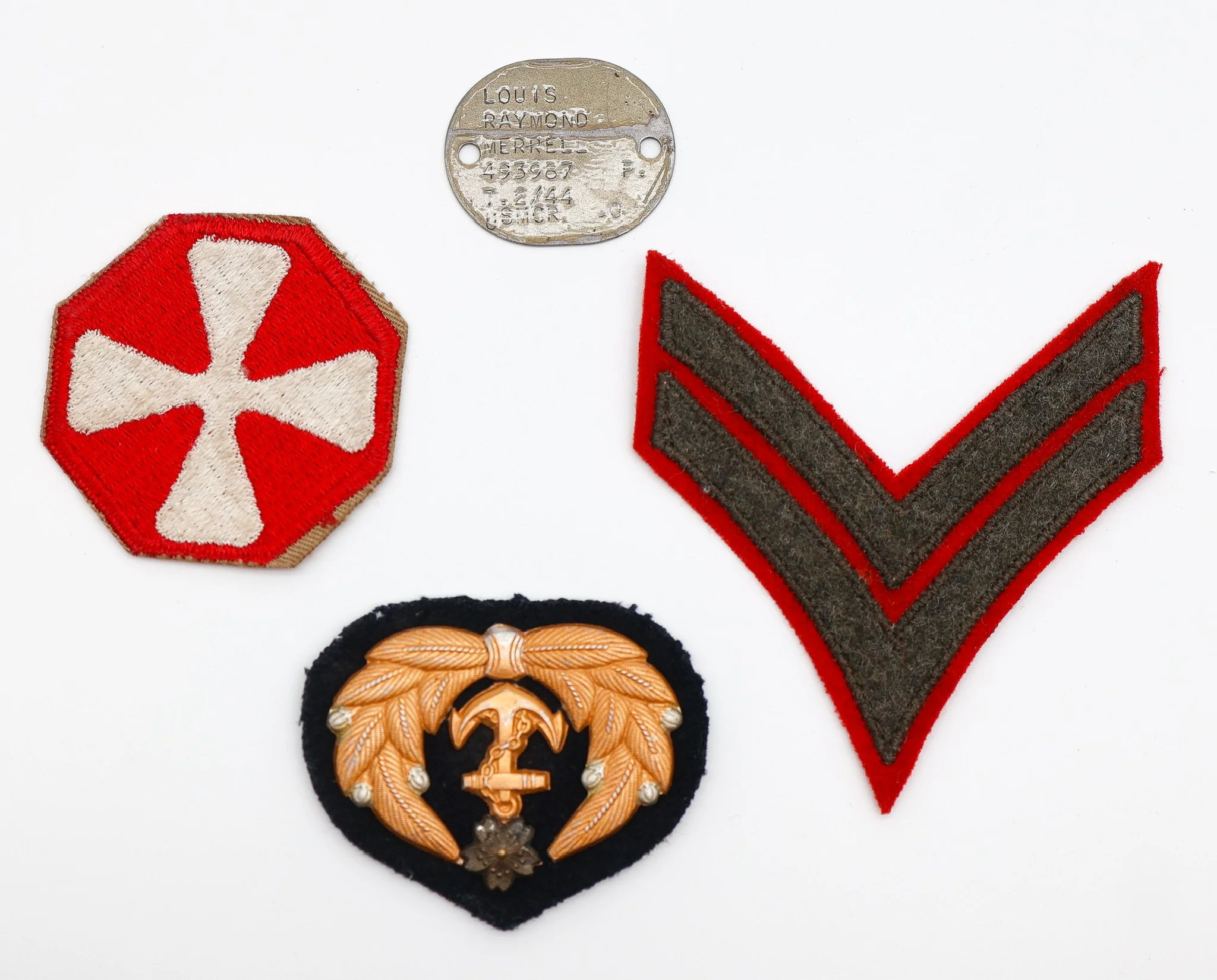
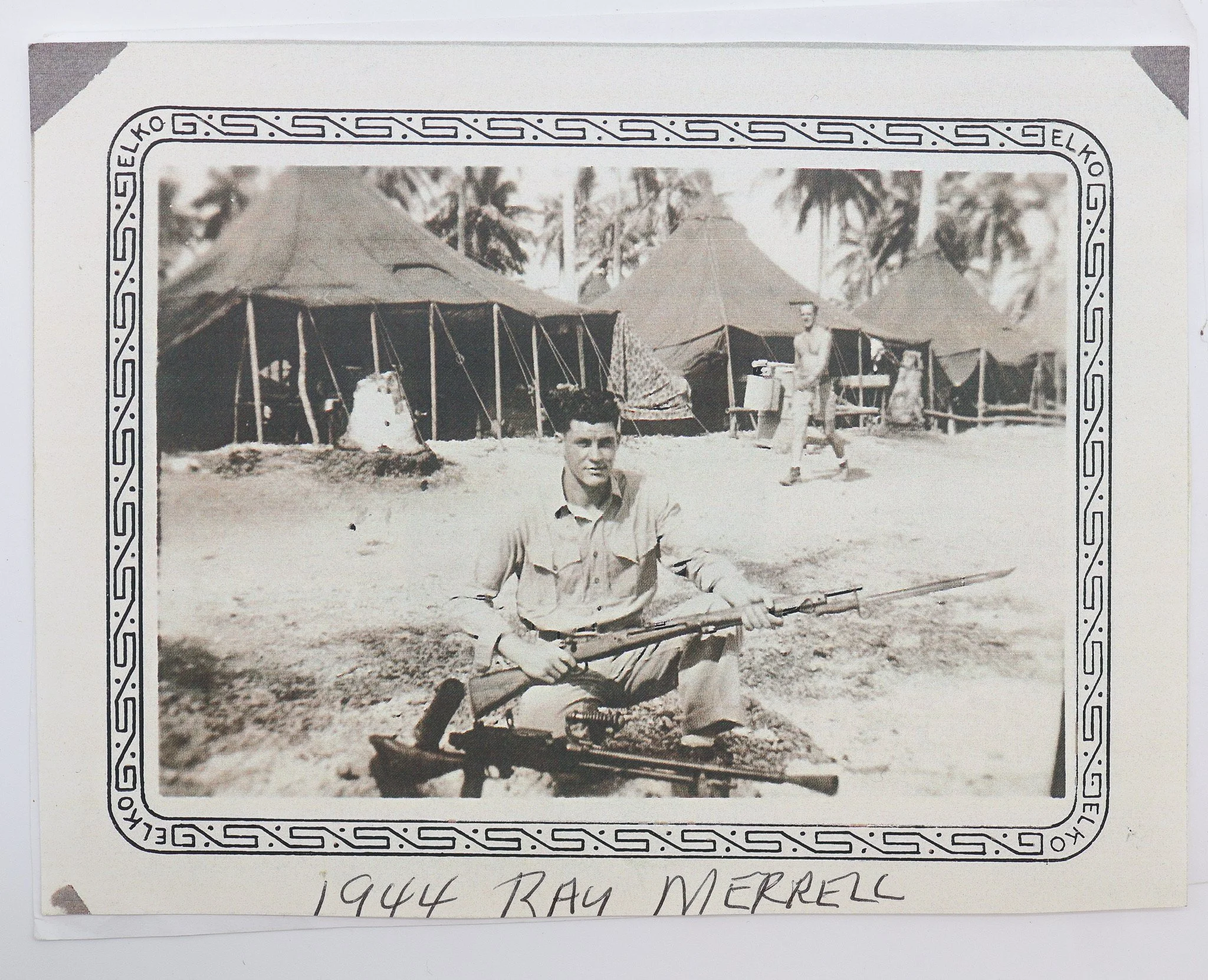
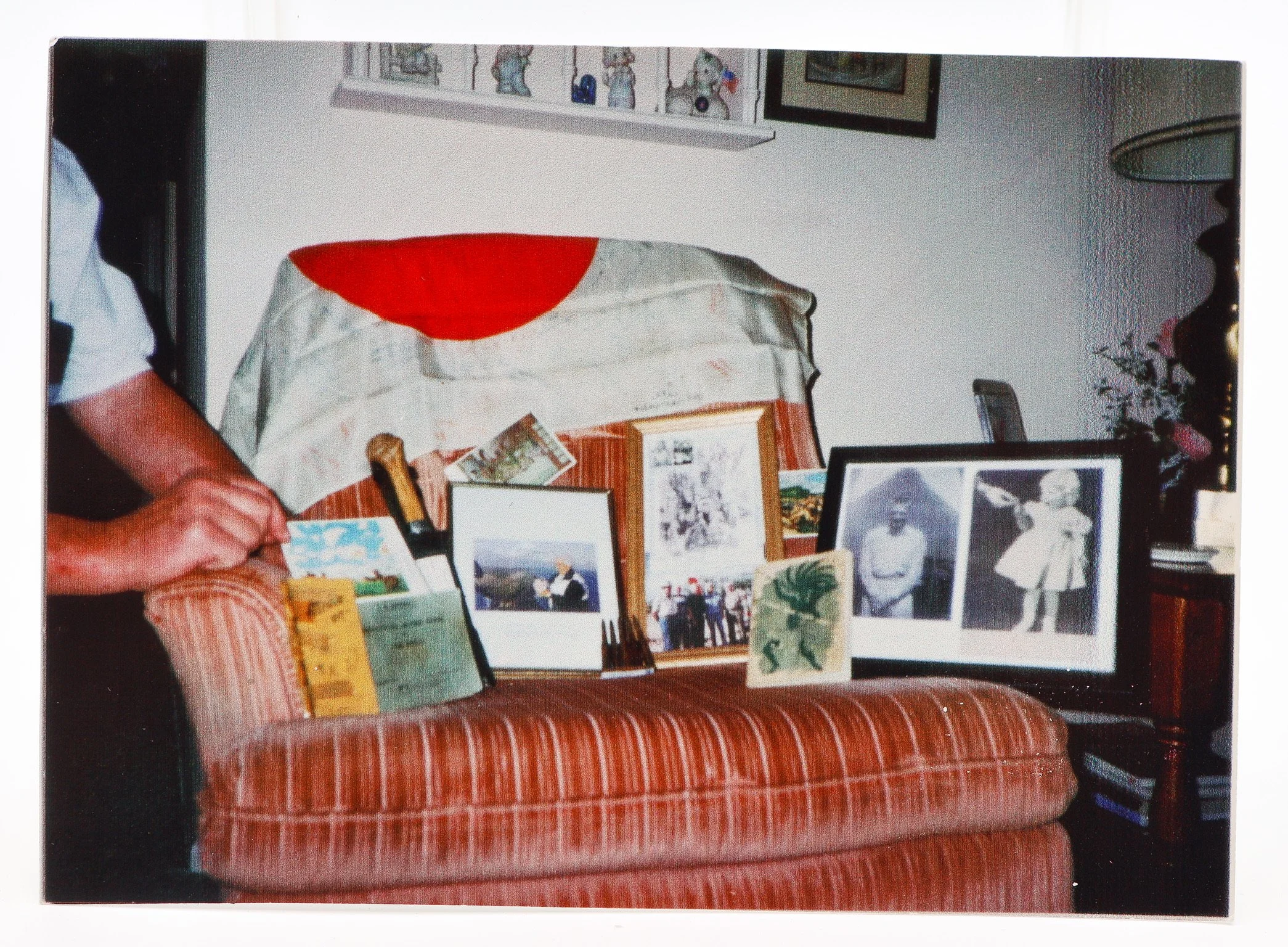
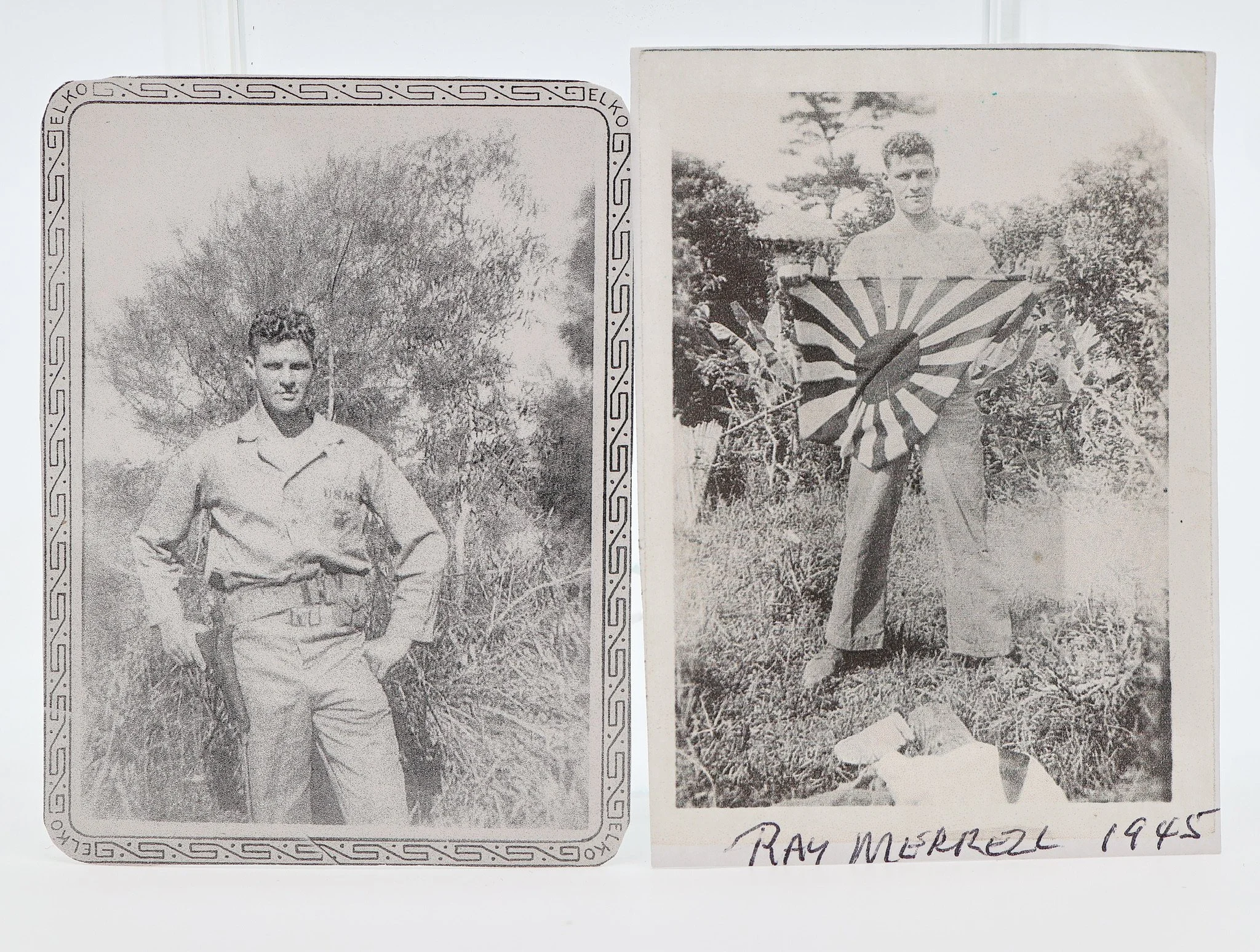
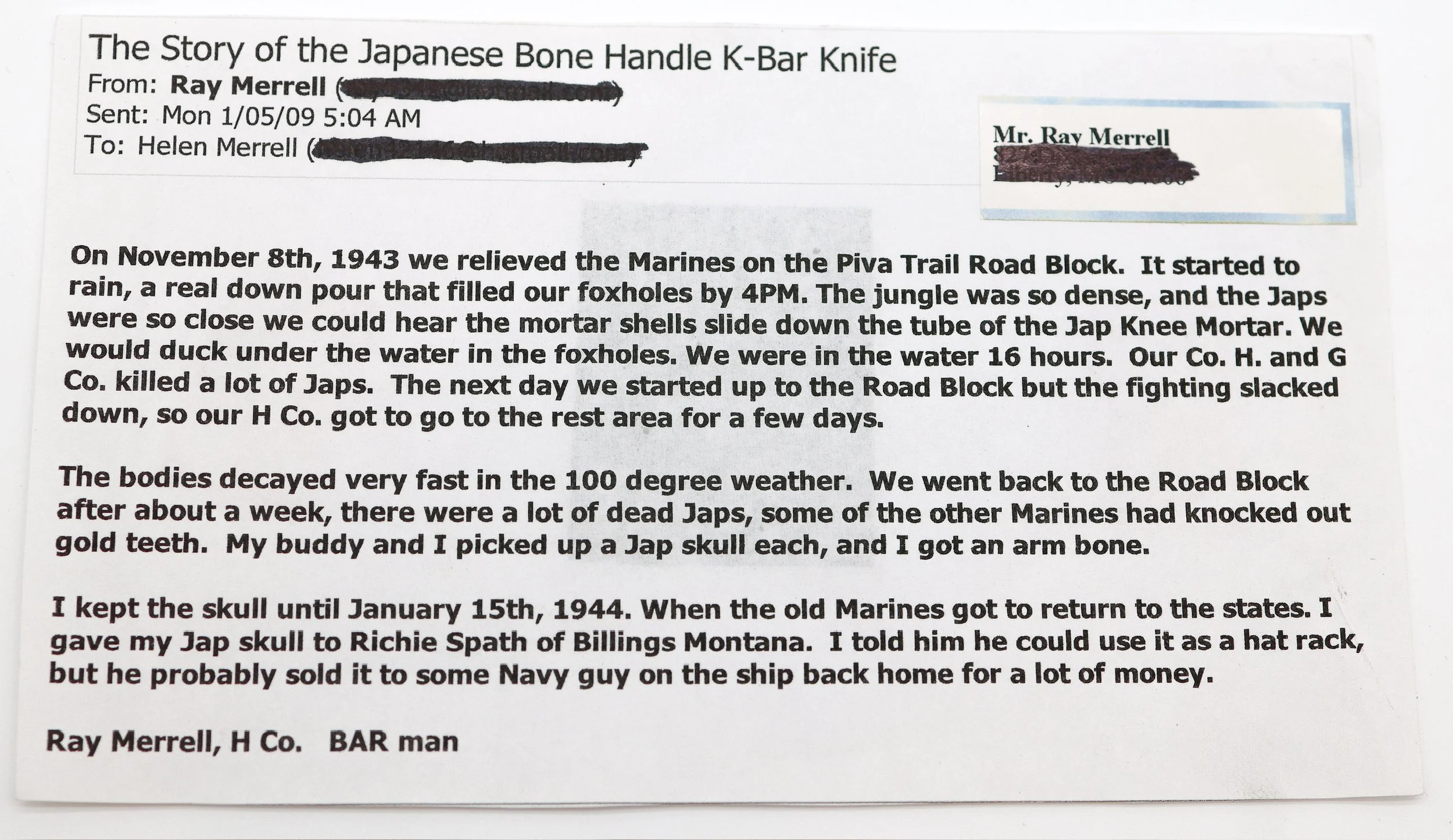
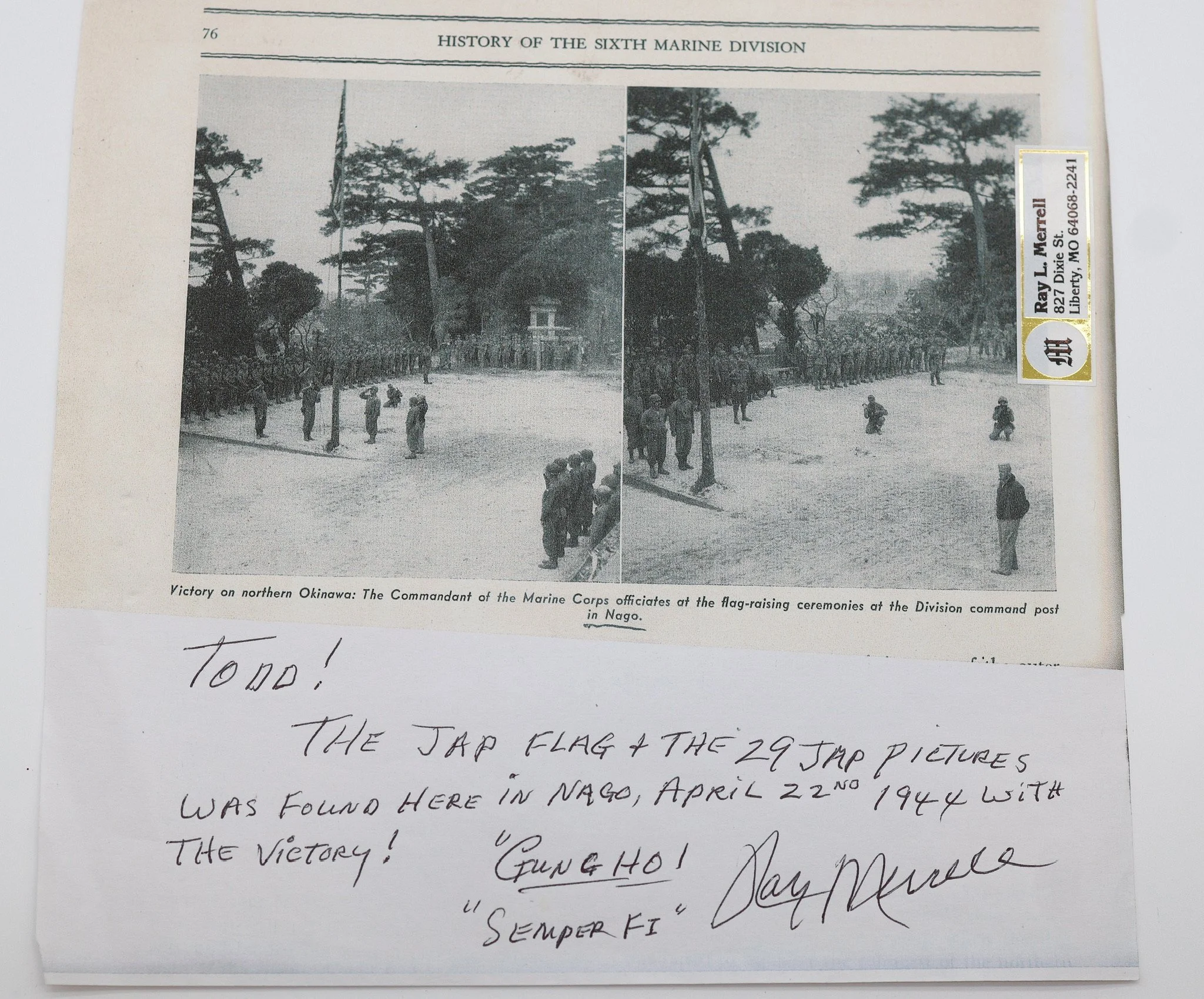
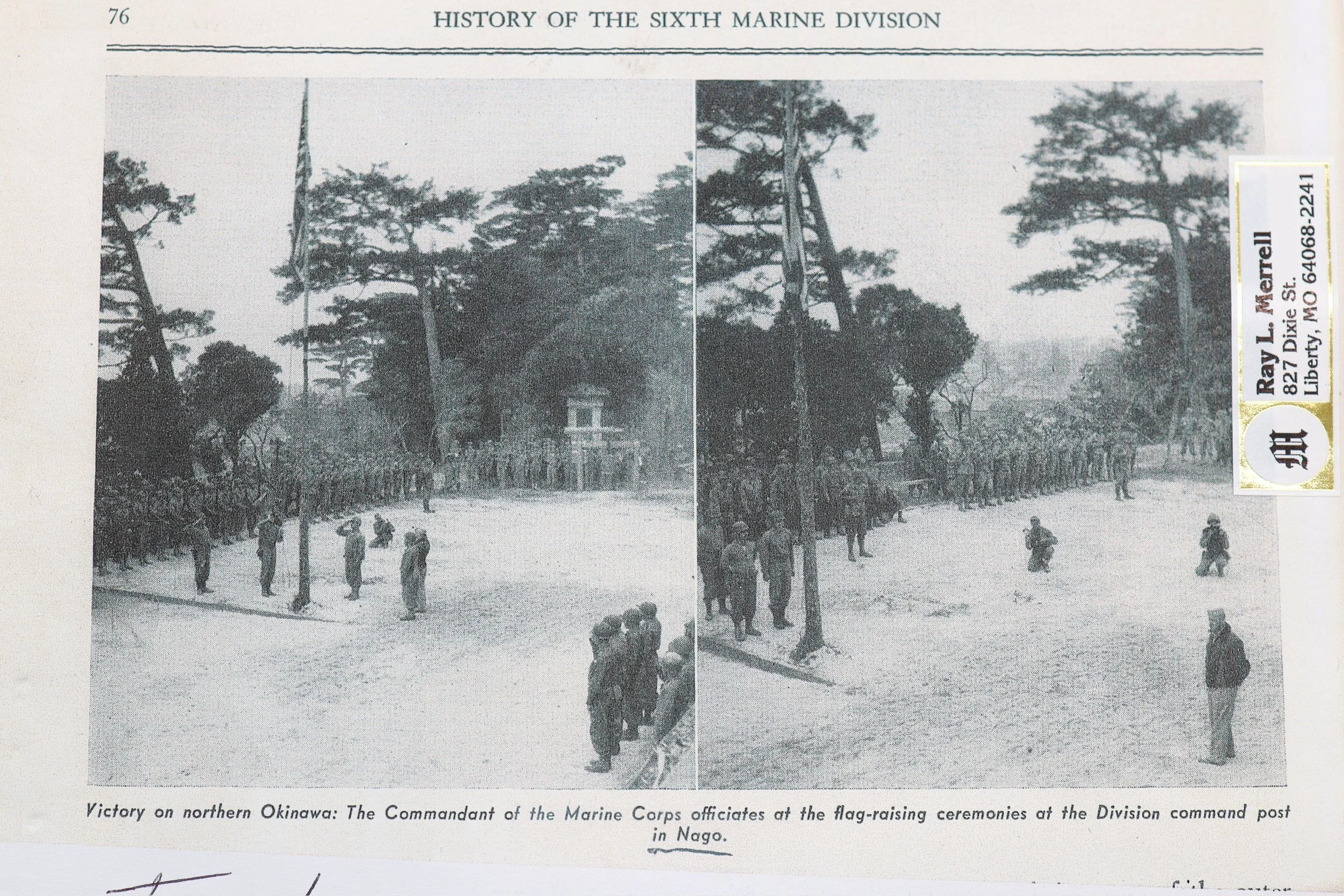
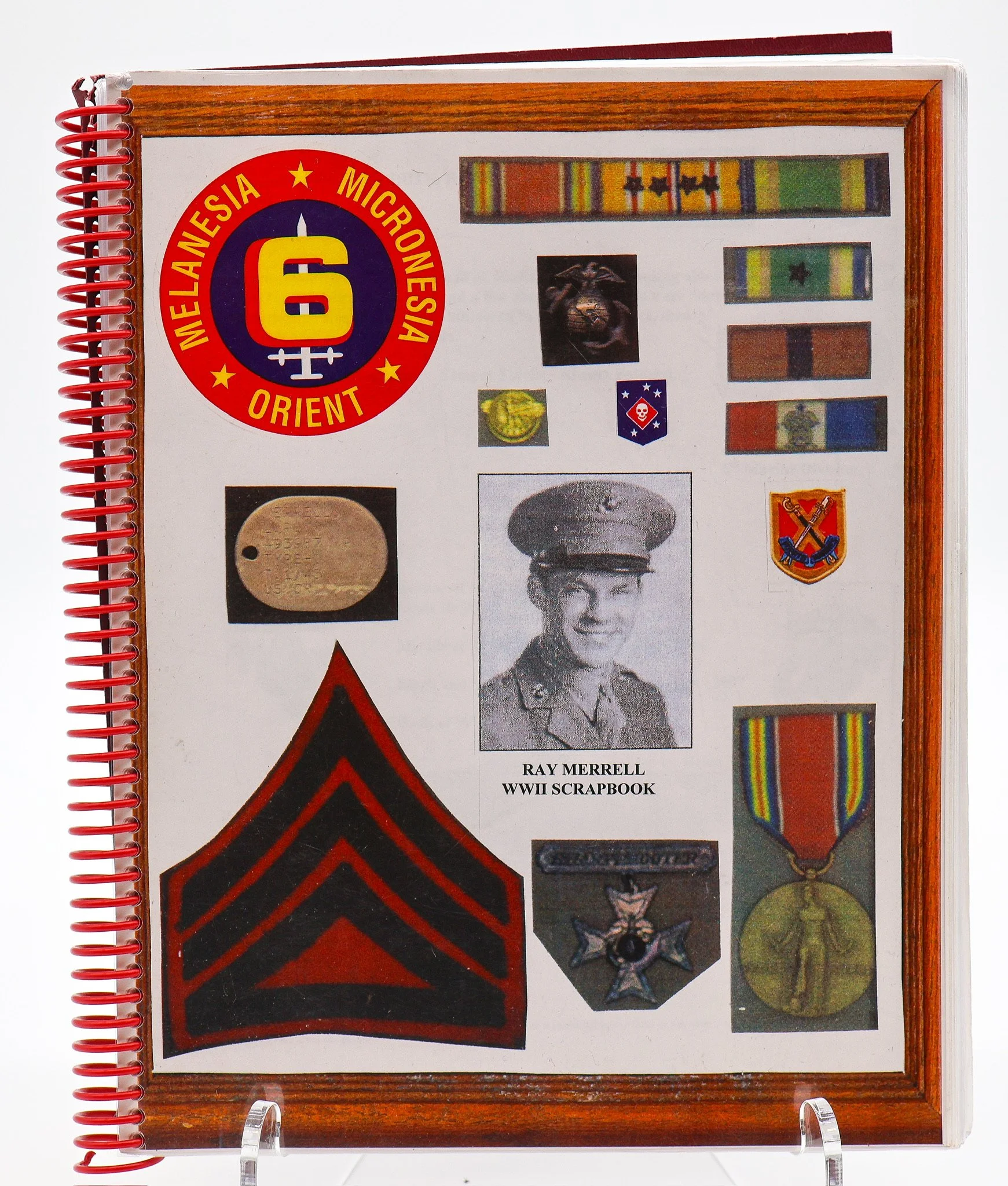
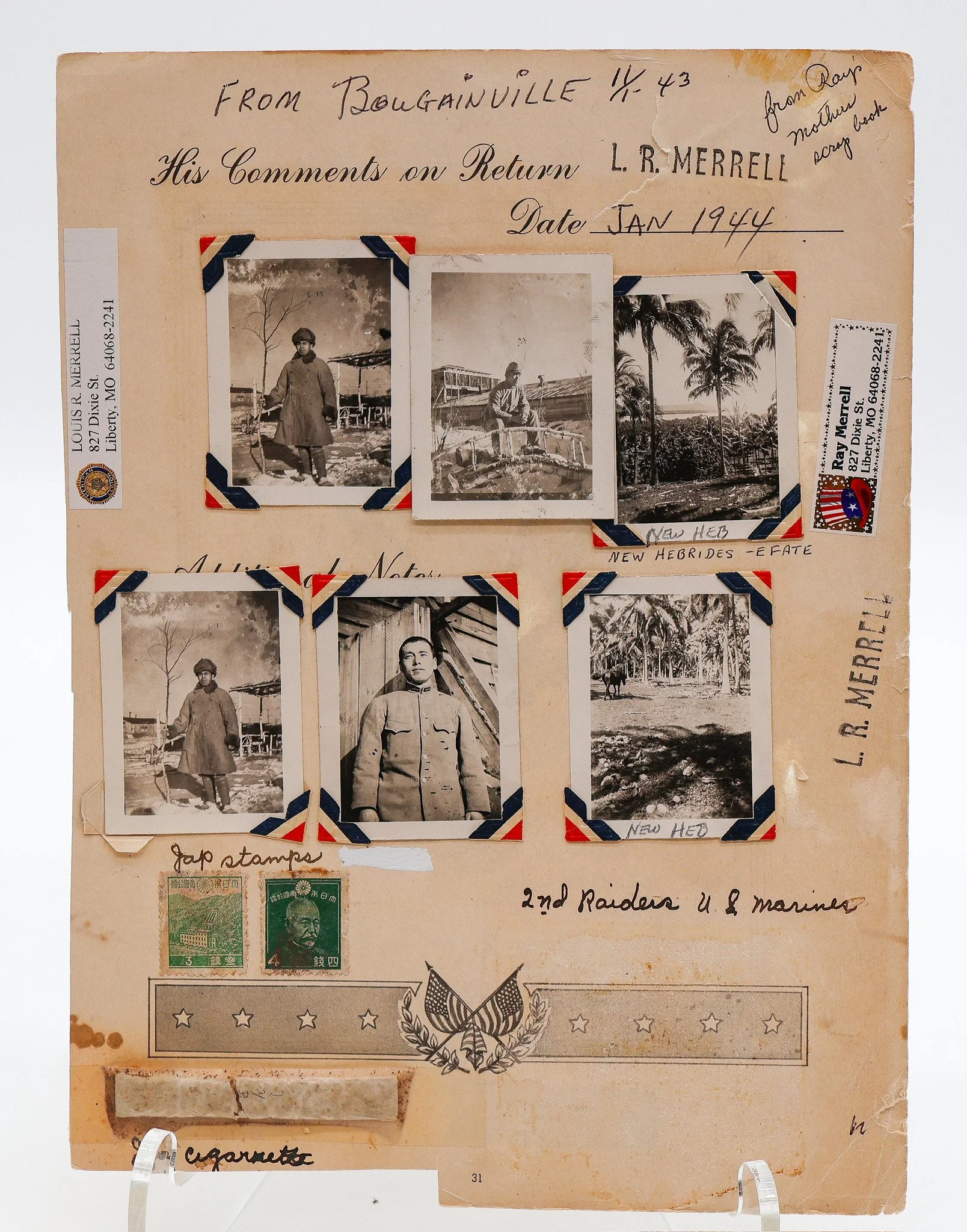
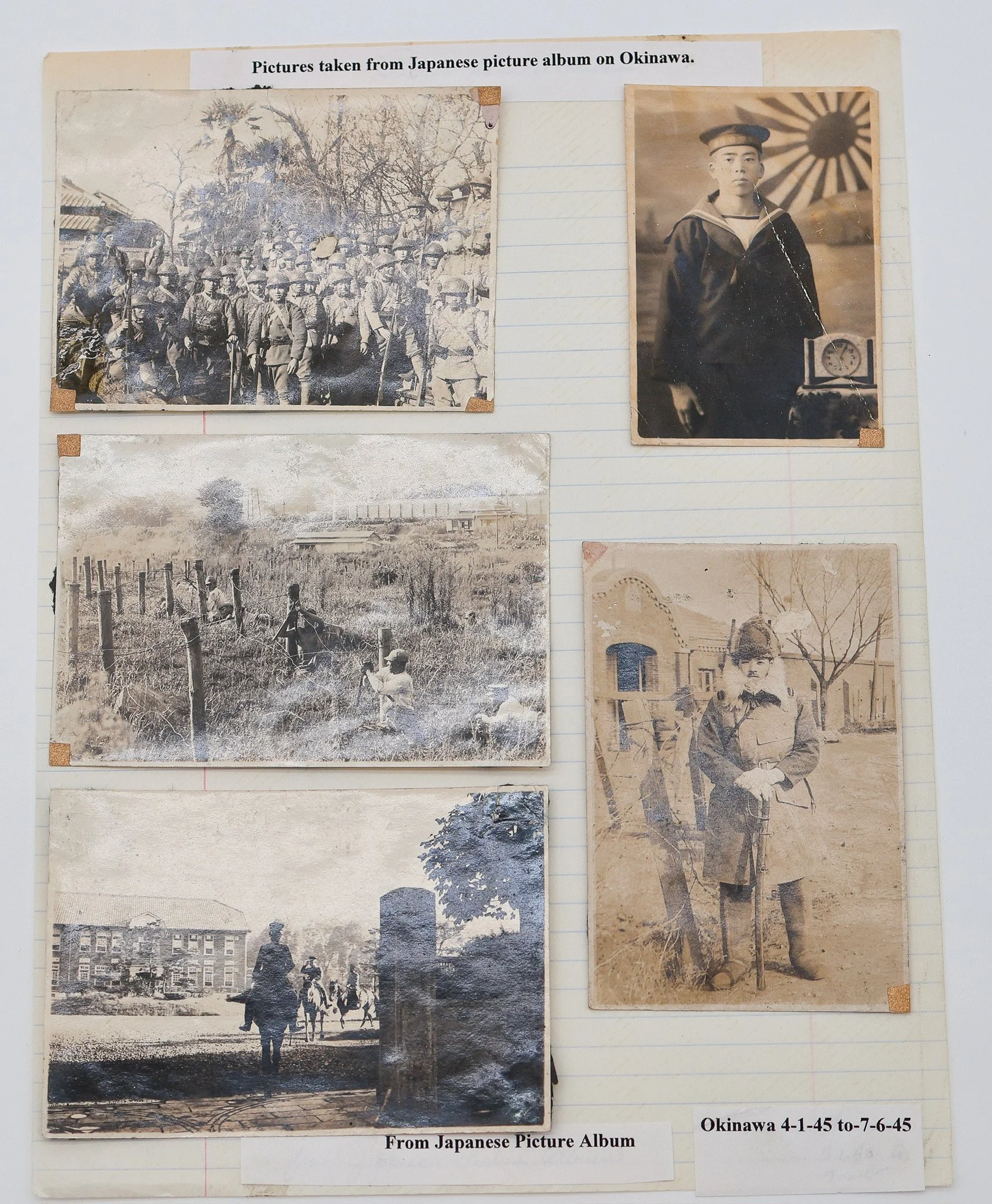
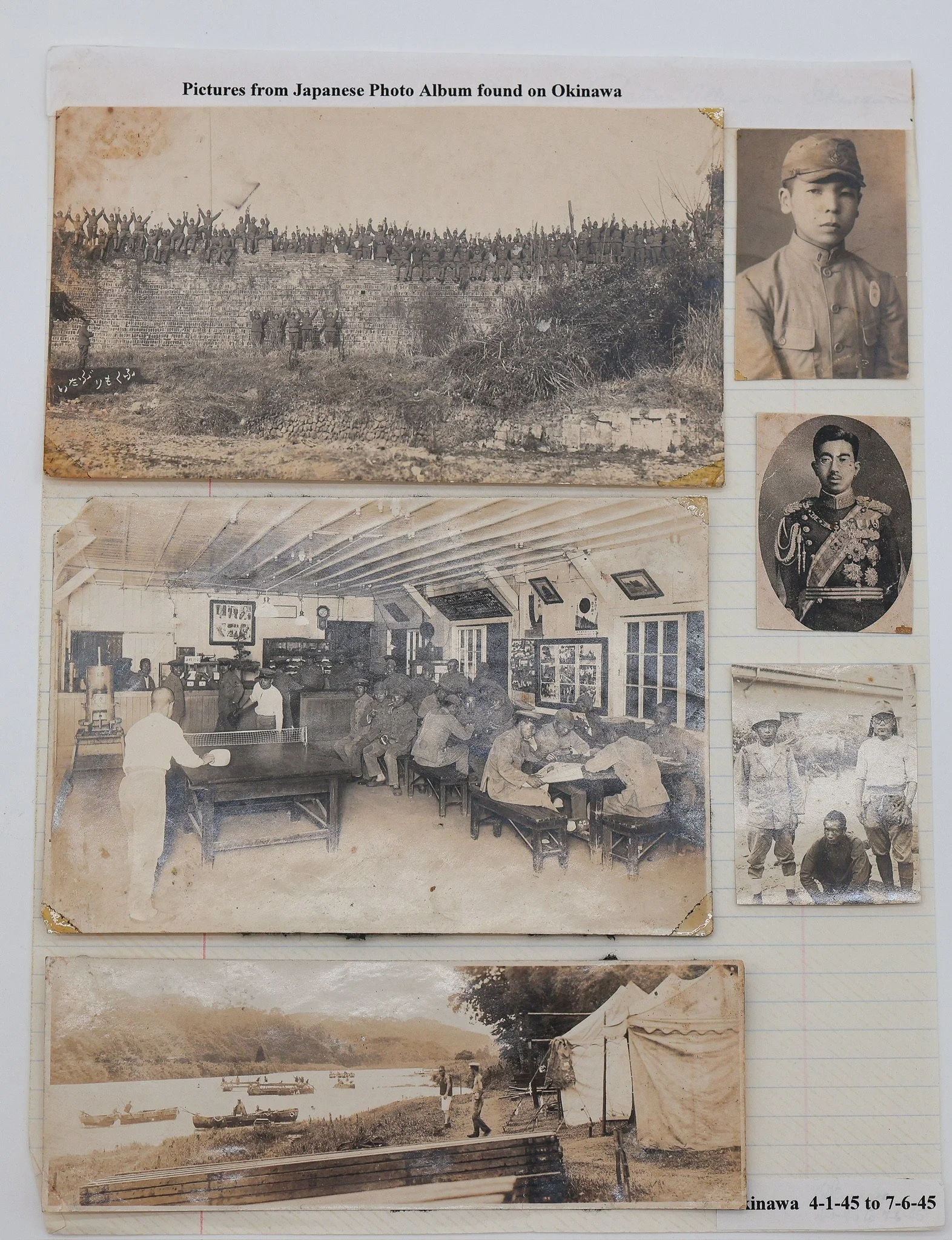
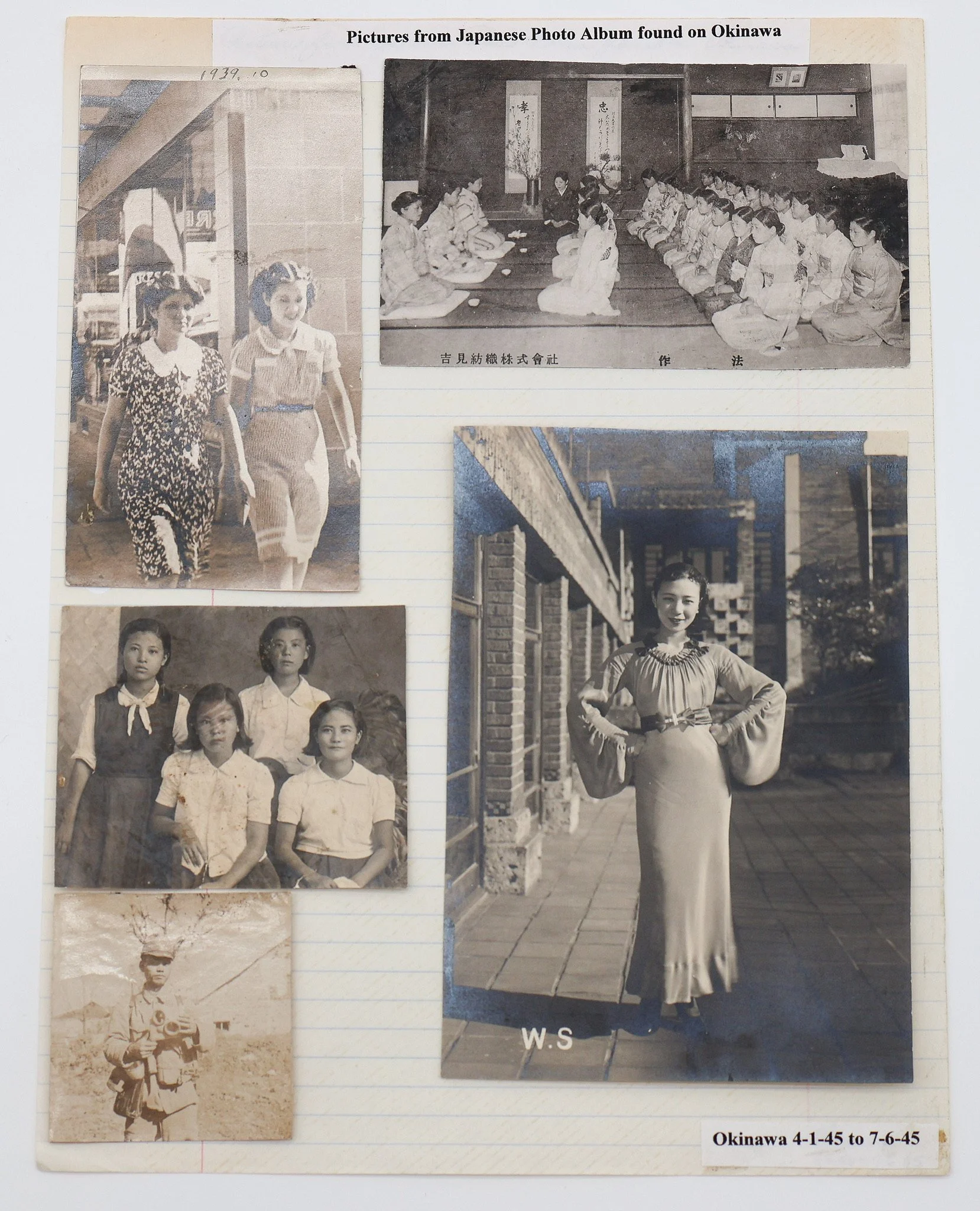
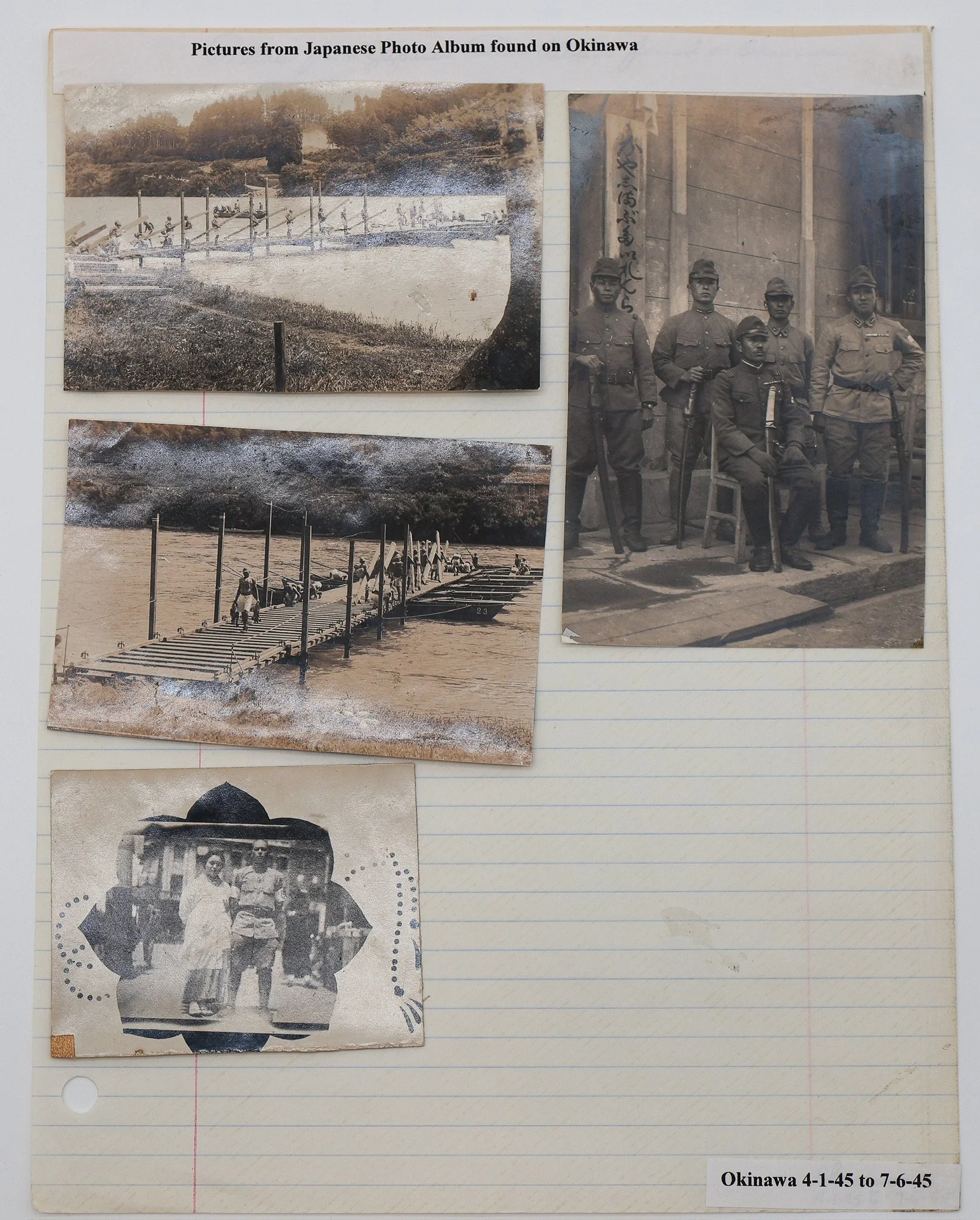
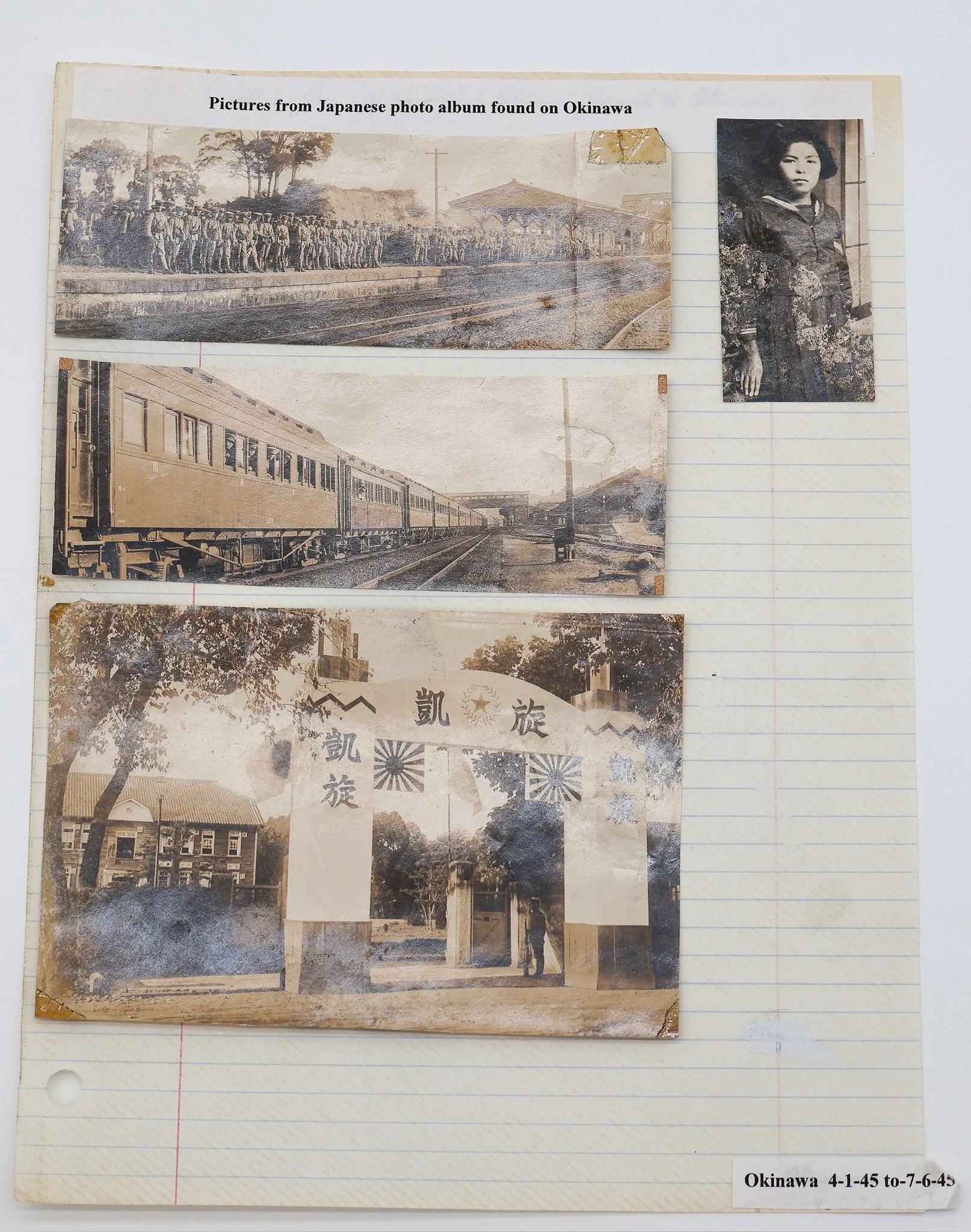
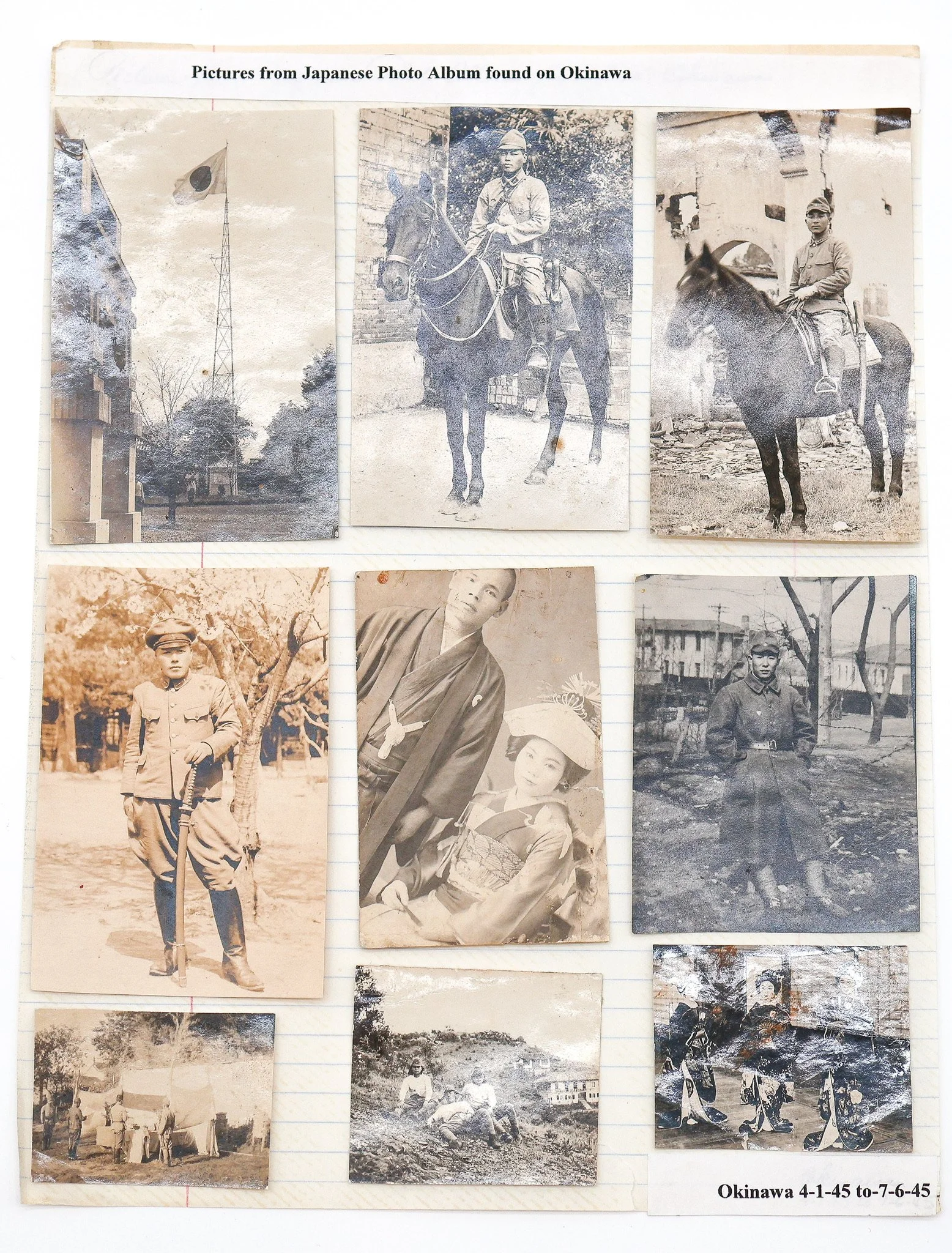
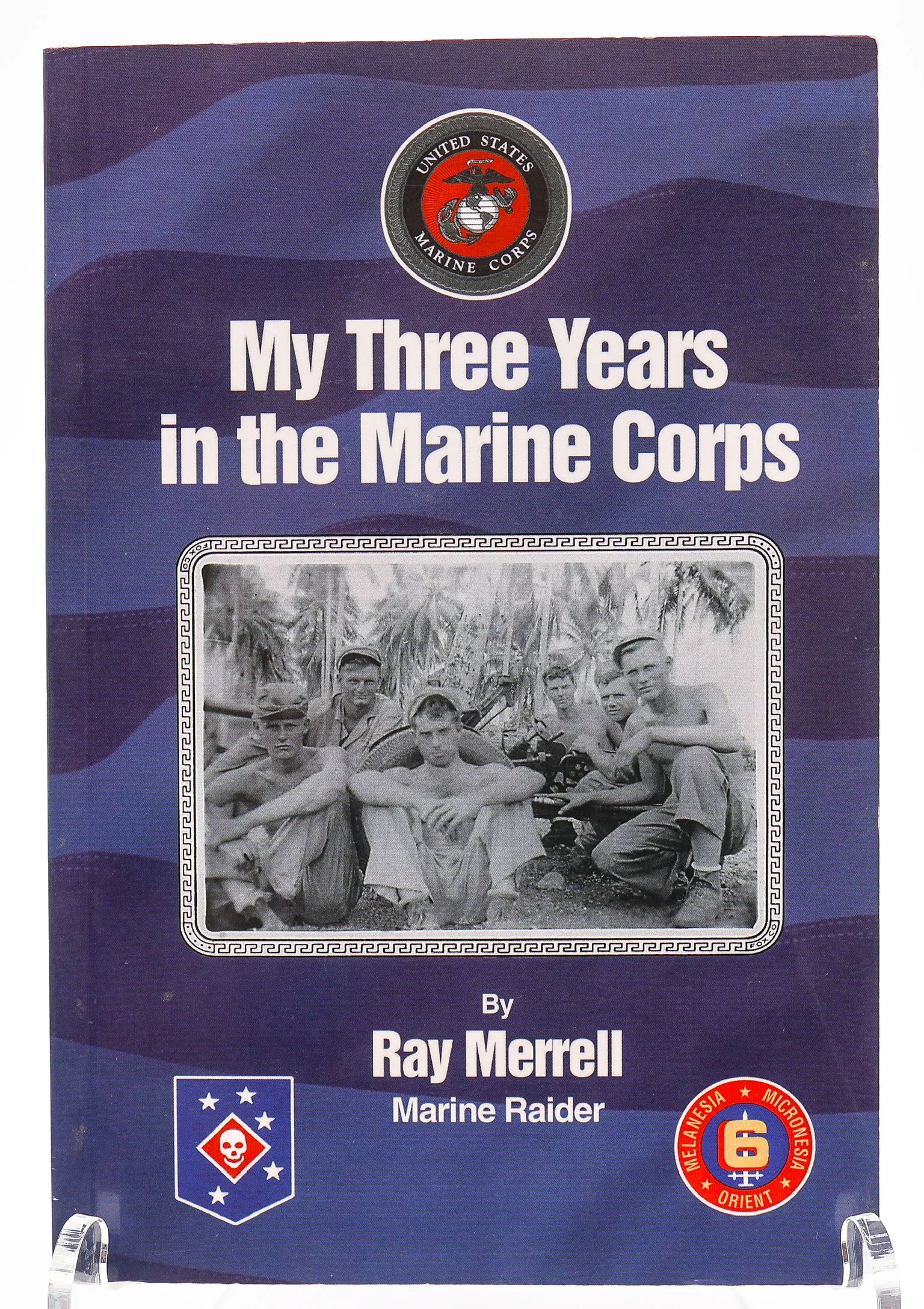
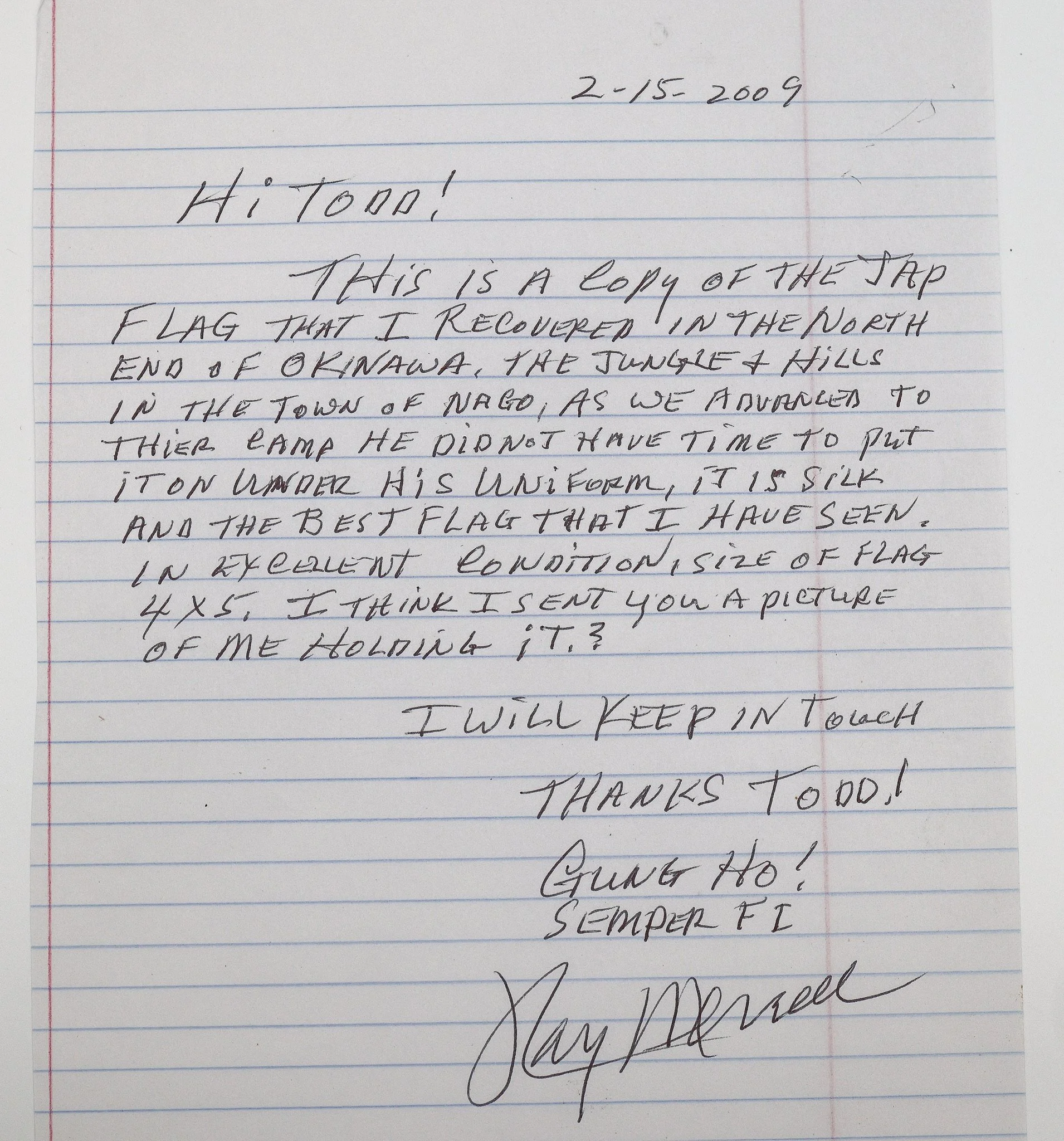
This grouping documents the World War II service of Ray Merrill, a Marine Raider who served with the 2nd Raider Battalion, Company H in the Pacific Theater. Born in Marshall, Missouri, Merrill enlisted in the U.S. Marine Corps in 1942 and participated in combat operations including Bougainville, Emirau, Guam, Okinawa, and the postwar occupation of Japan.
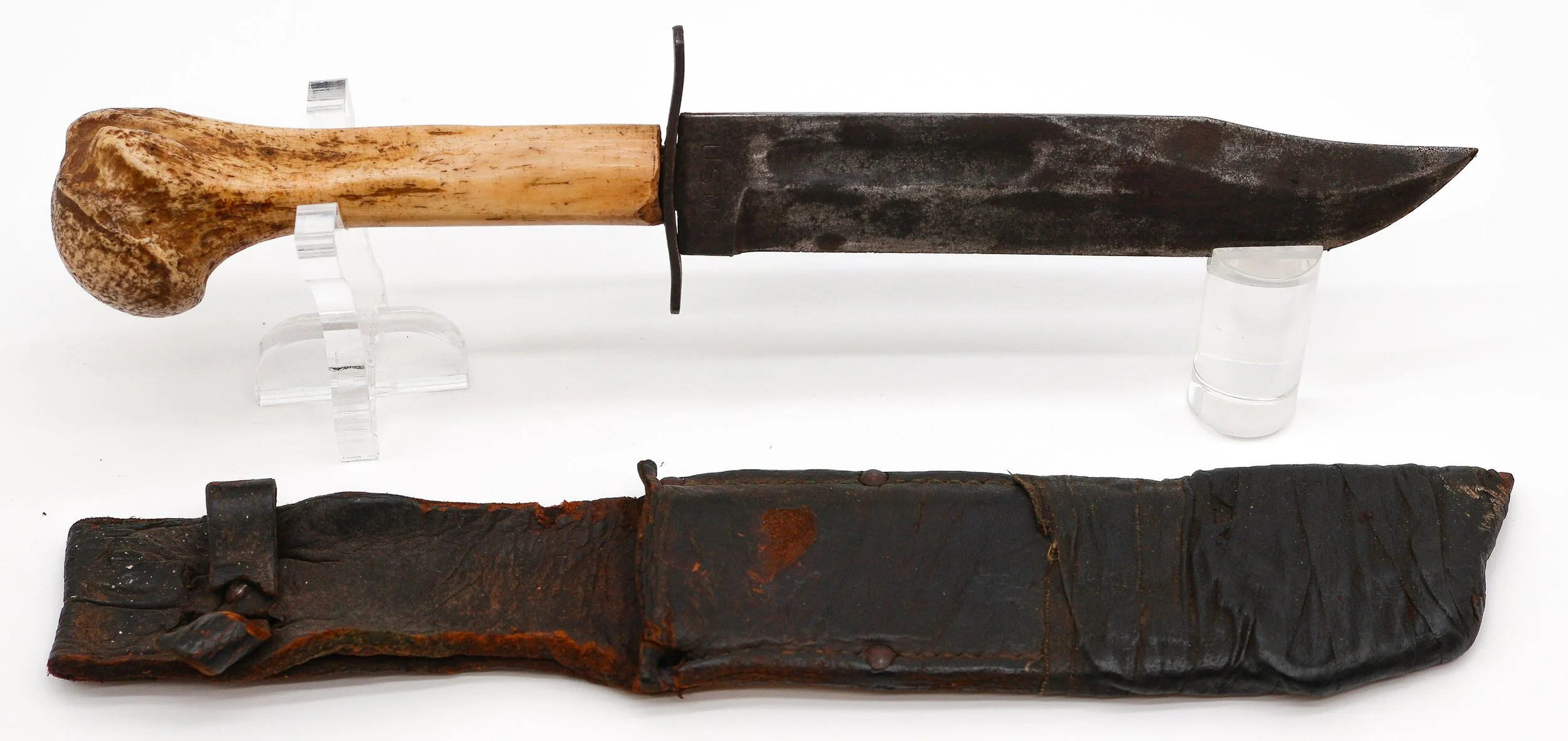
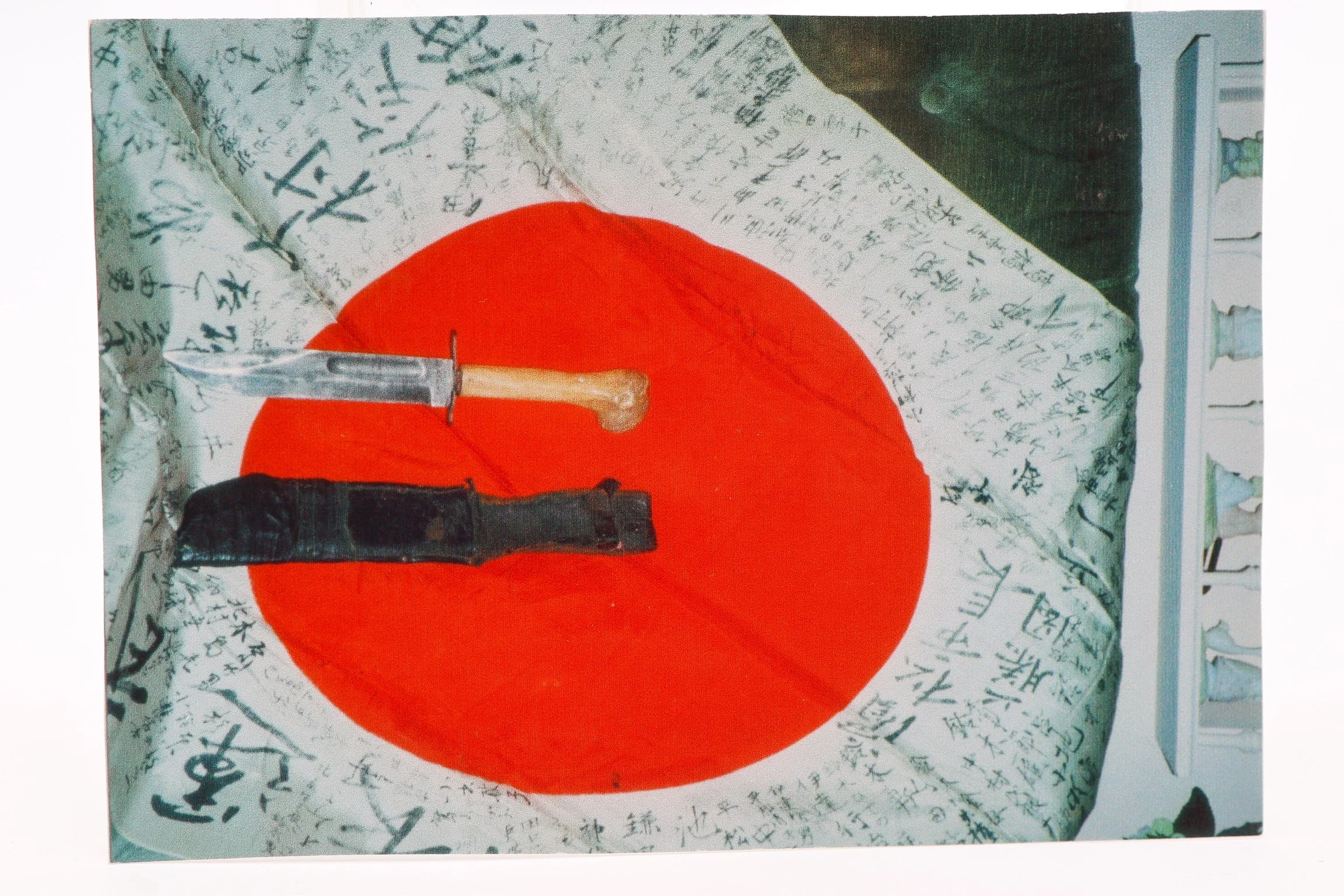
One of the most striking artifacts from Merrill’s service is a Ka-Bar knife fitted with a handle fashioned from the arm bone of a deceased Japanese soldier. Merrill stated that the knife was made on Bougainville in November 1943, during sustained fighting along the Piva Trail roadblock, where his unit faced constant engagement under extreme jungle conditions. Torrential rain, oppressive heat, and limited resupply defined daily life, and the remains of fallen soldiers often decomposed rapidly in the tropical environment. He carried this knife for the remainder of the war.
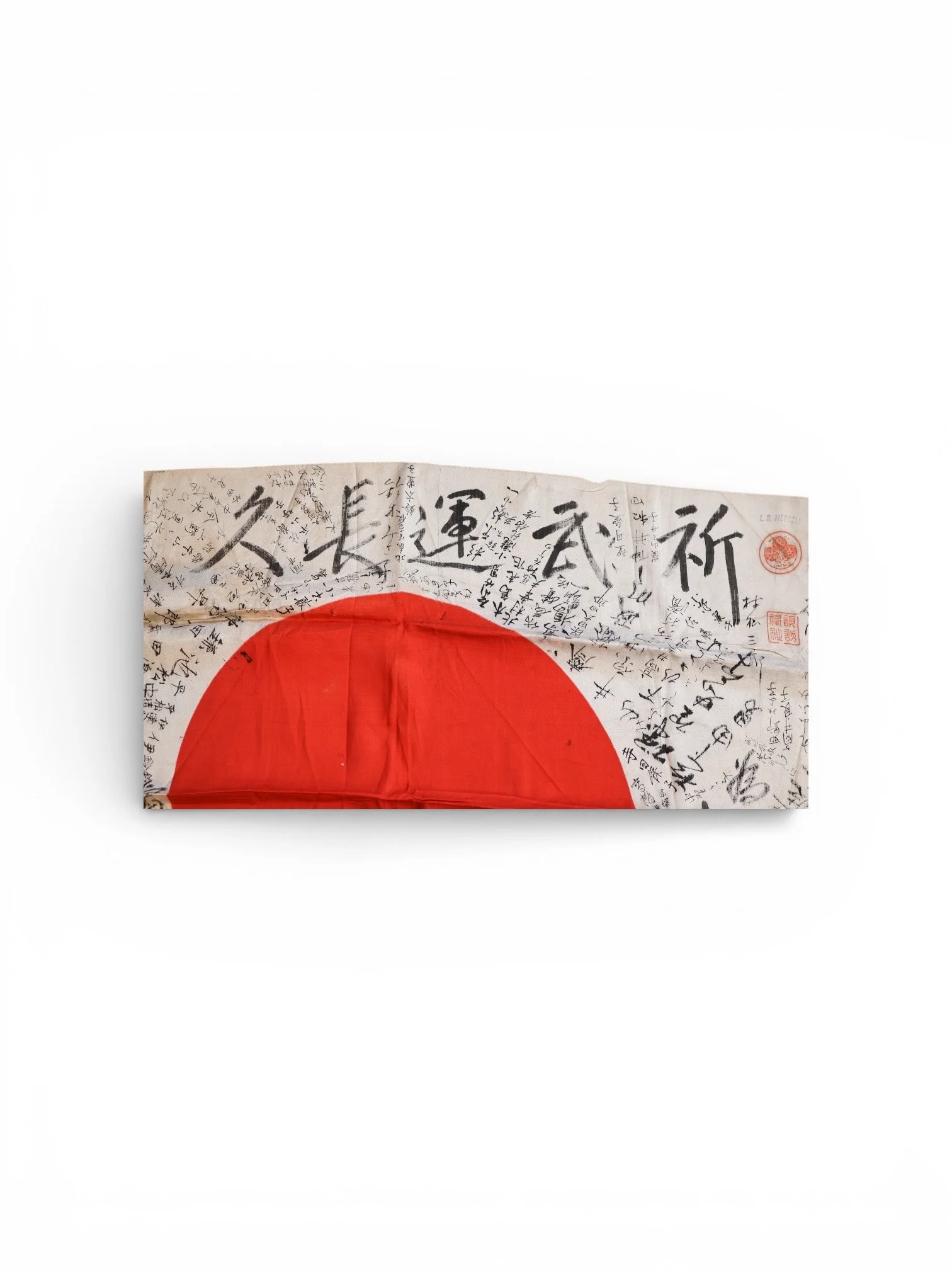
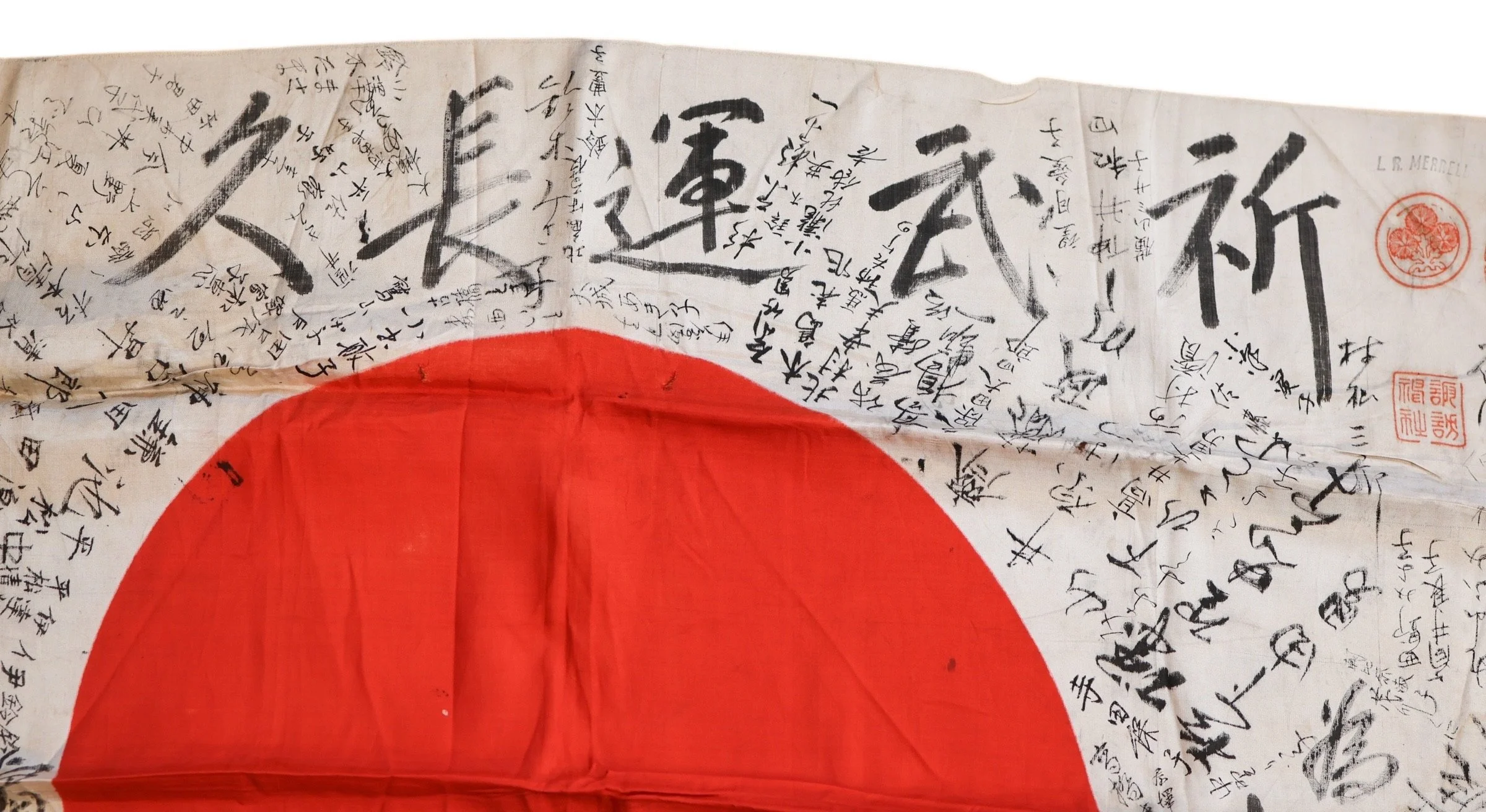
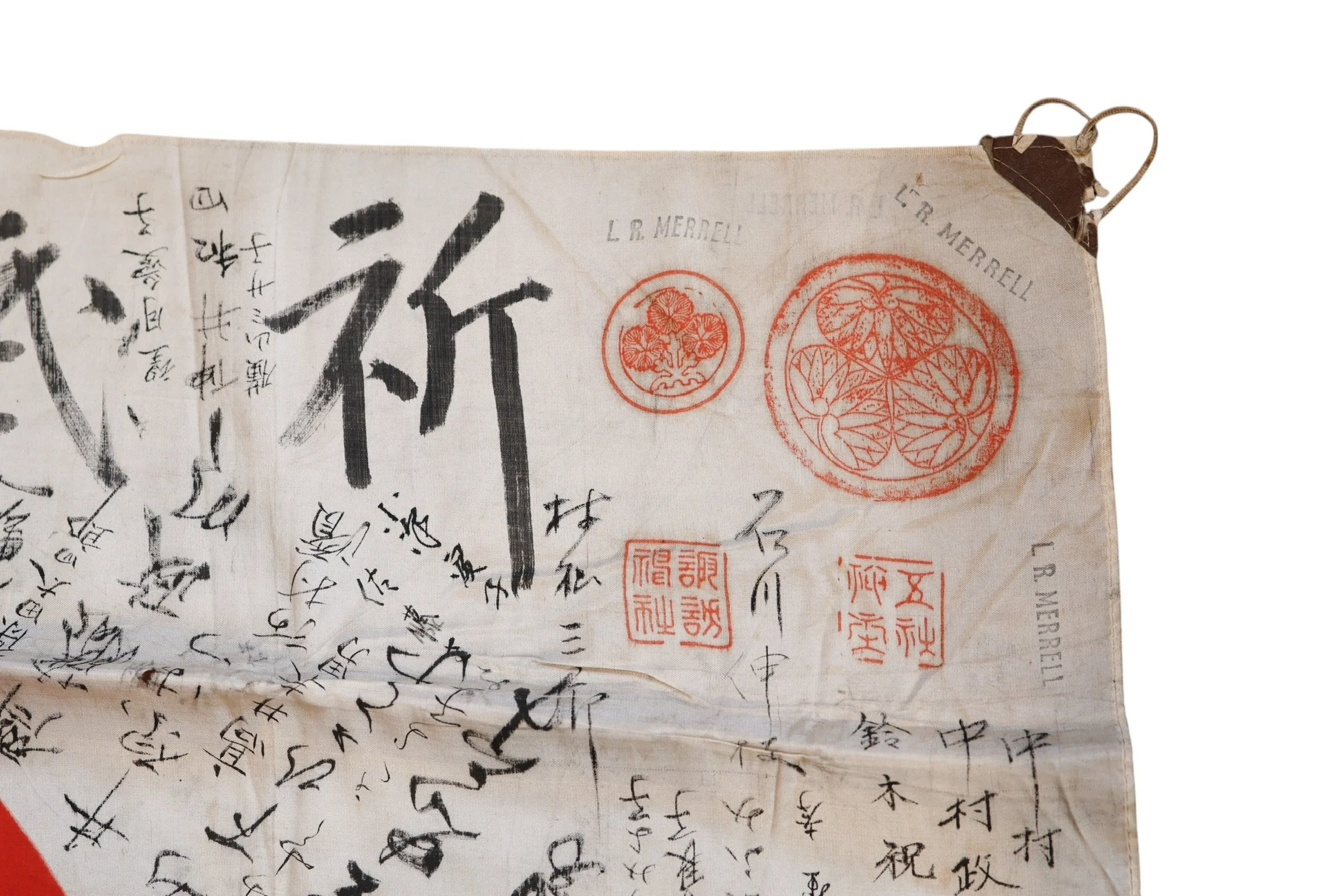
The grouping also includes a Japanese flag bearing ceremonial stamps and a photograph album, both recovered from a cave on Okinawa during combat operations.
WWII Marine Raider Grouping — Ray Merrill
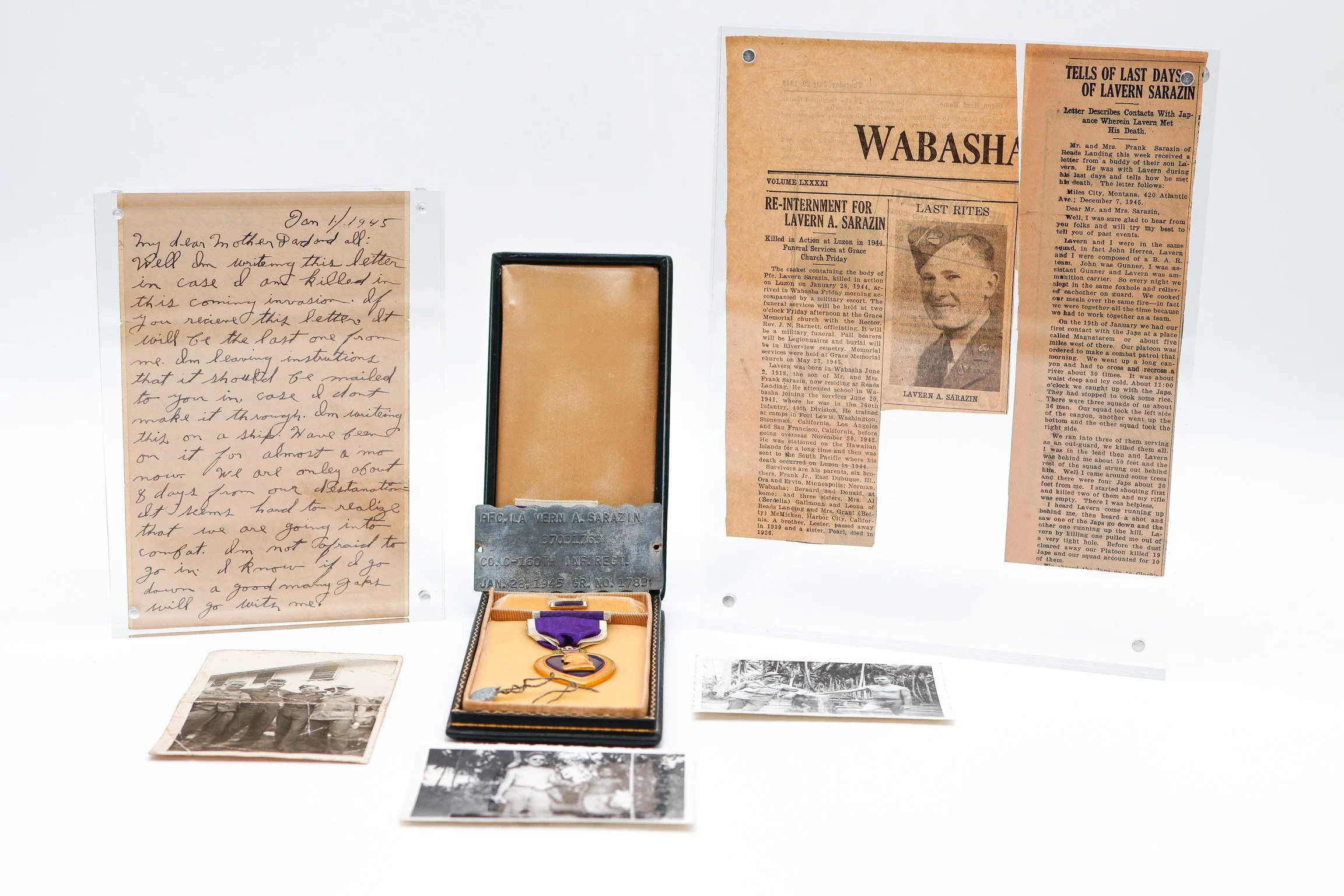
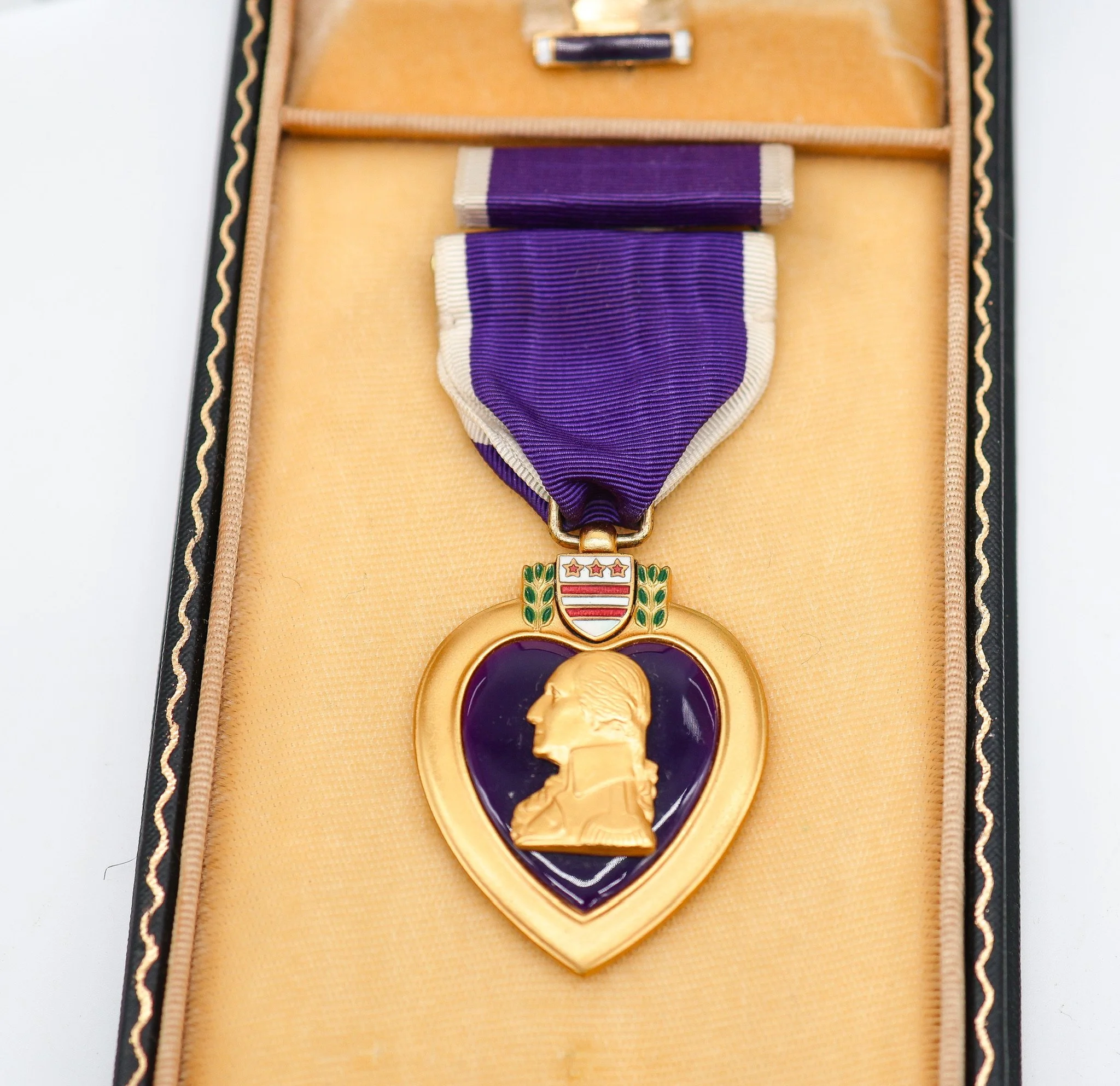
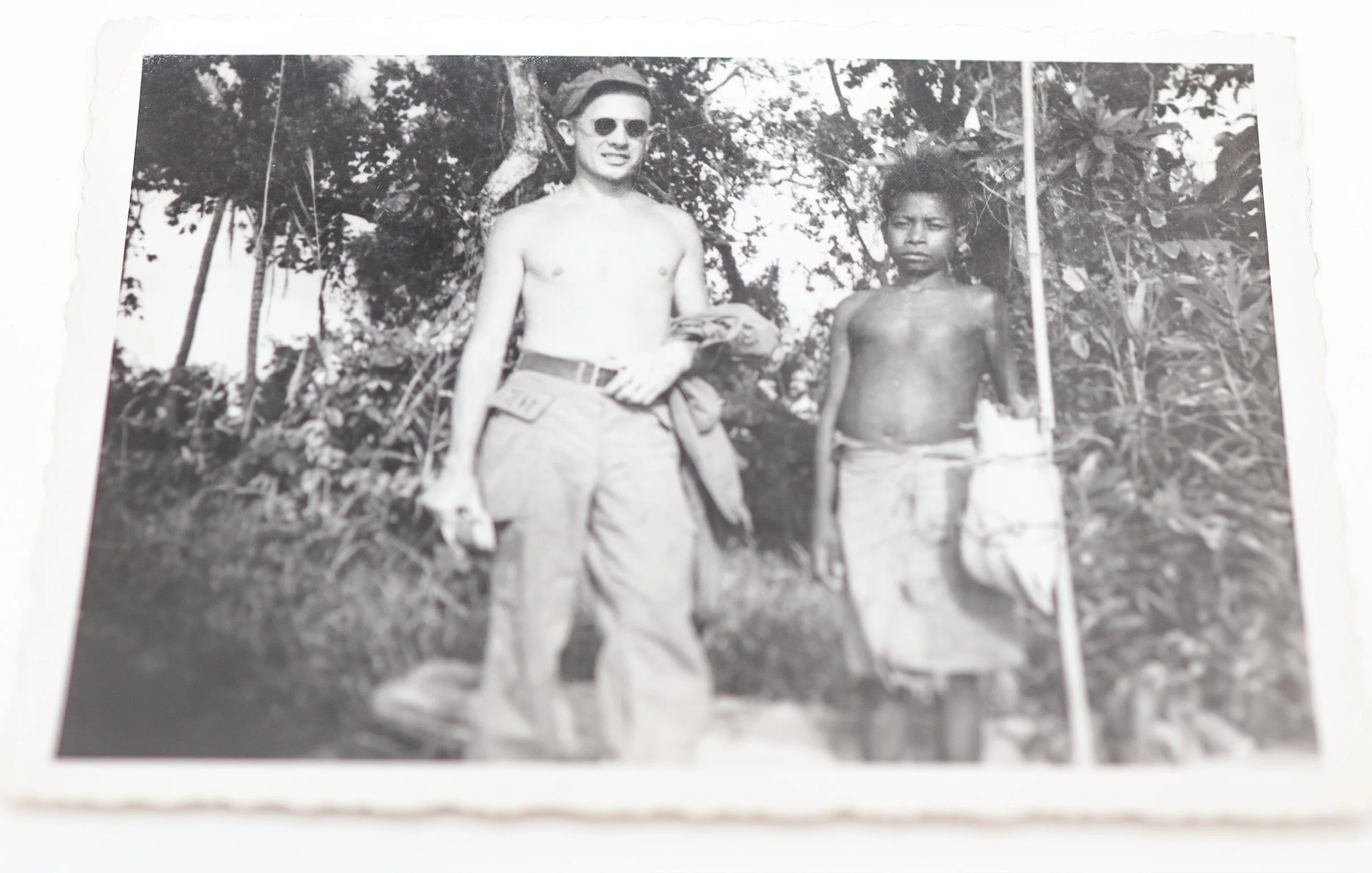
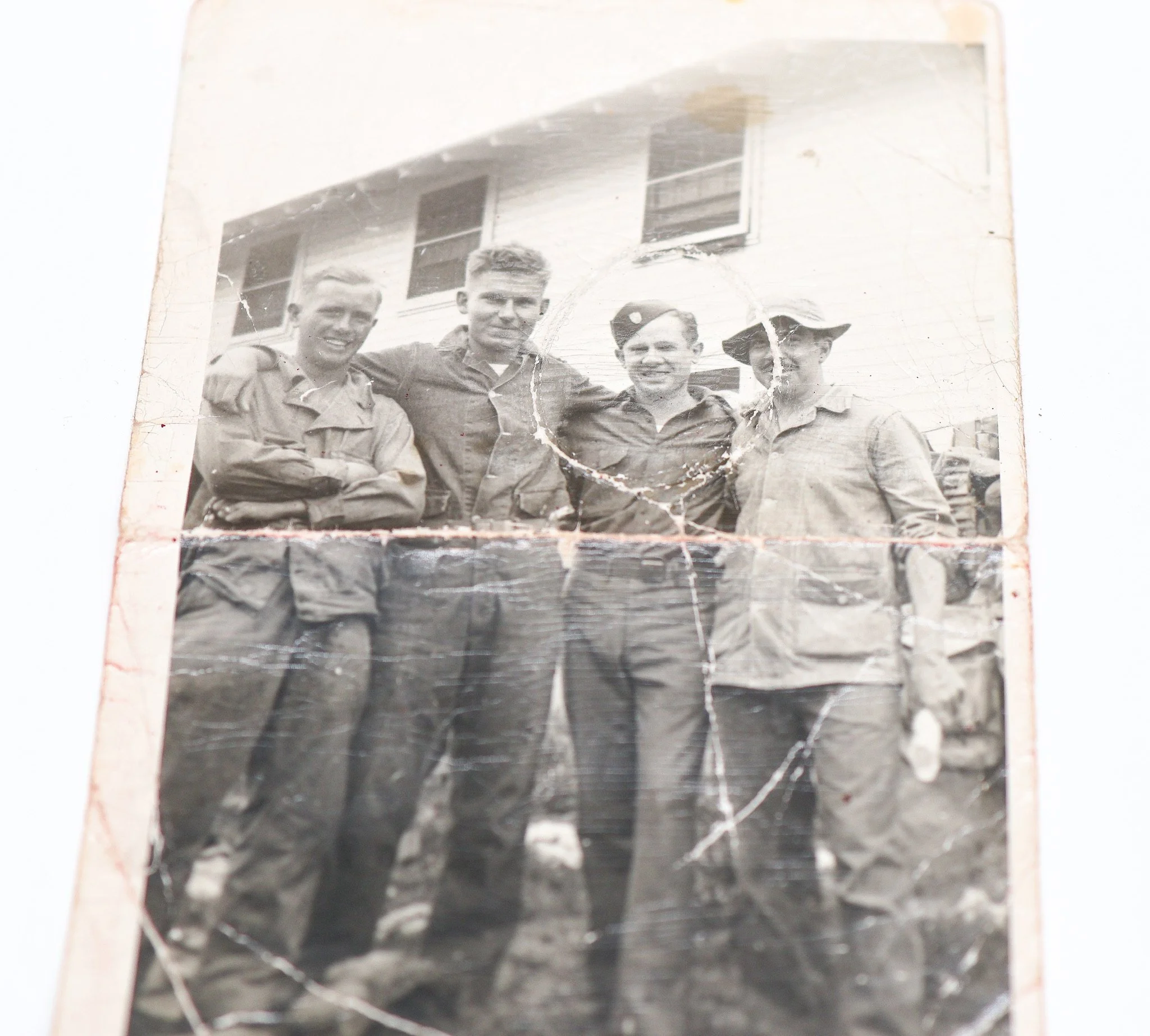
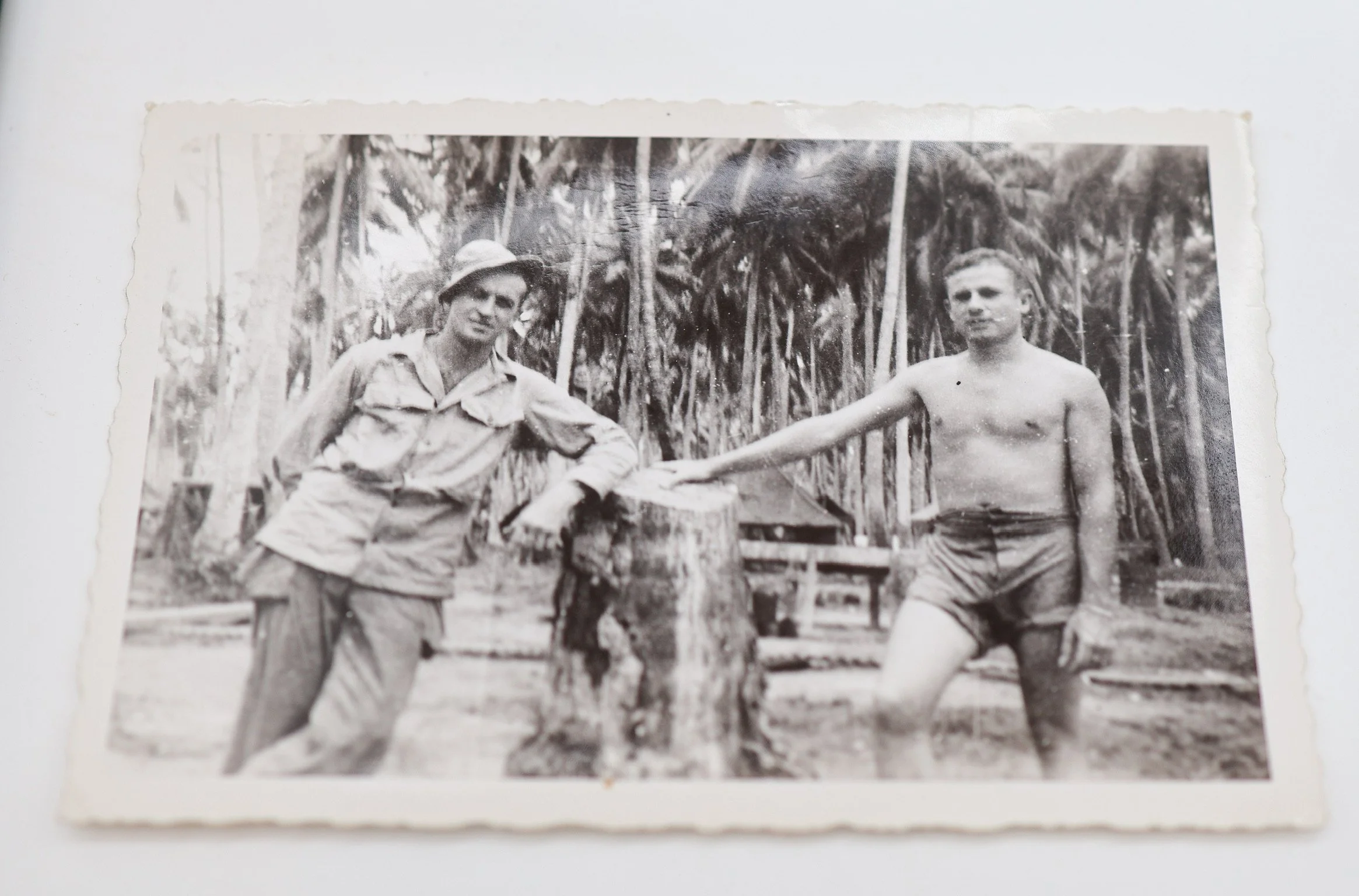
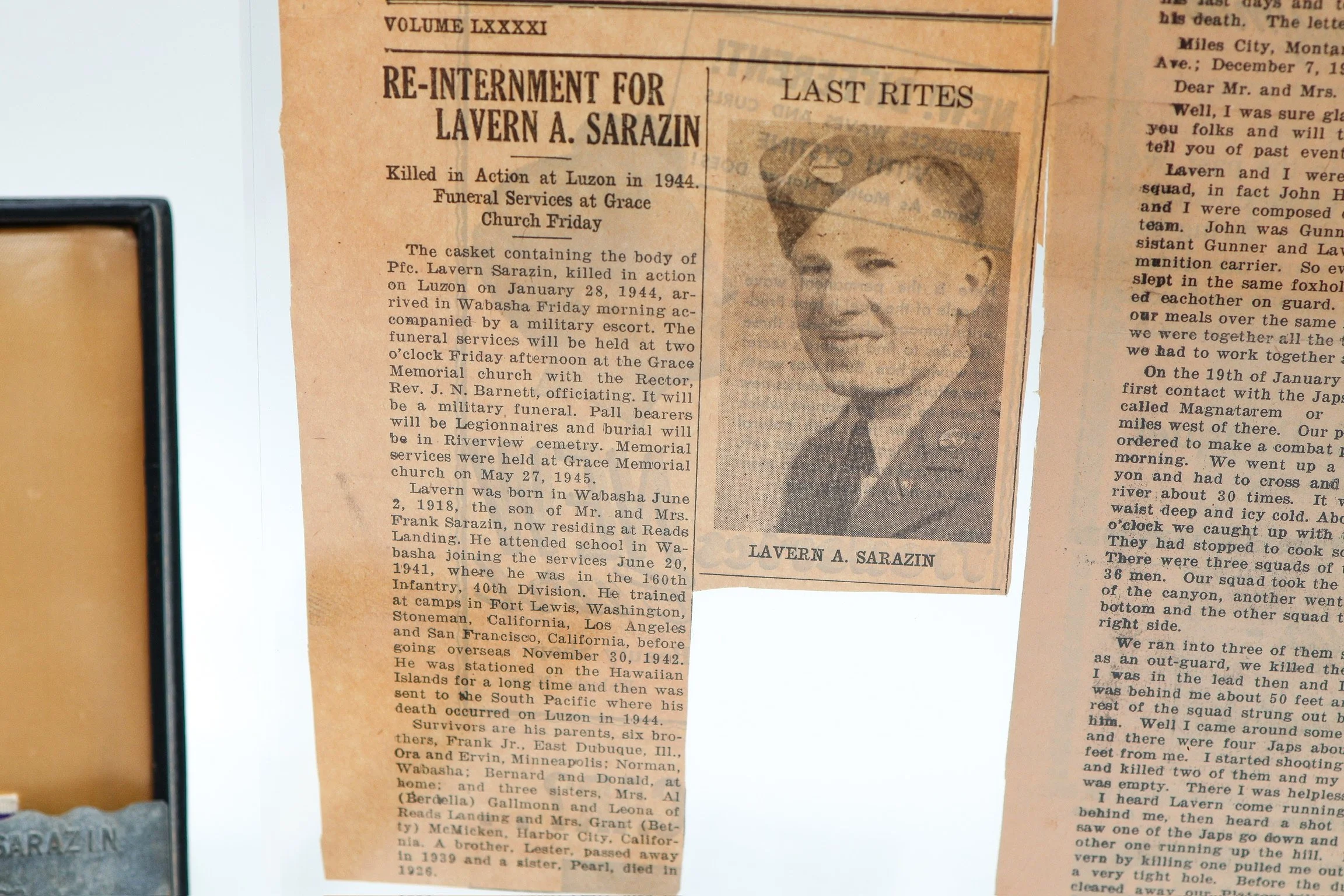
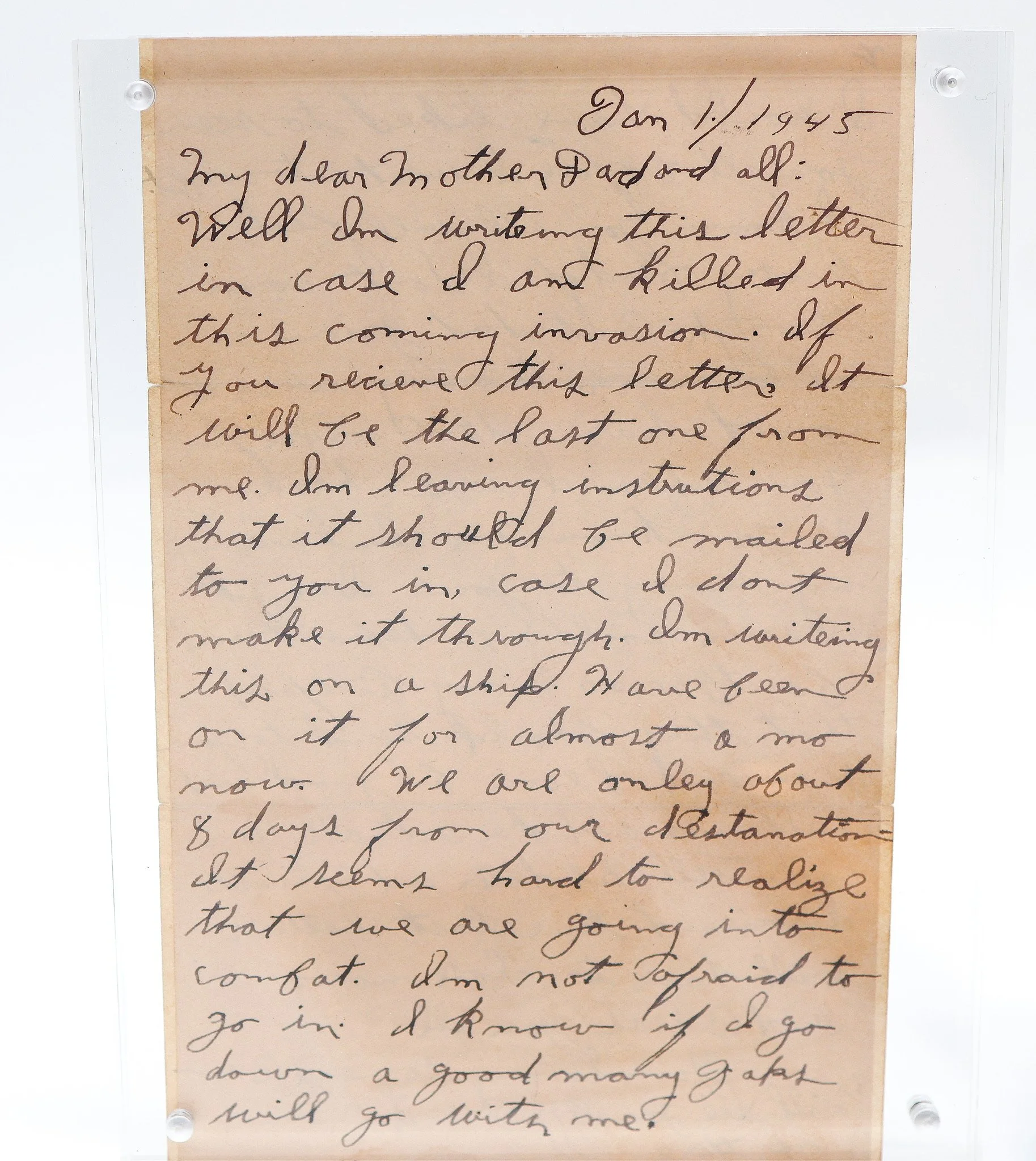
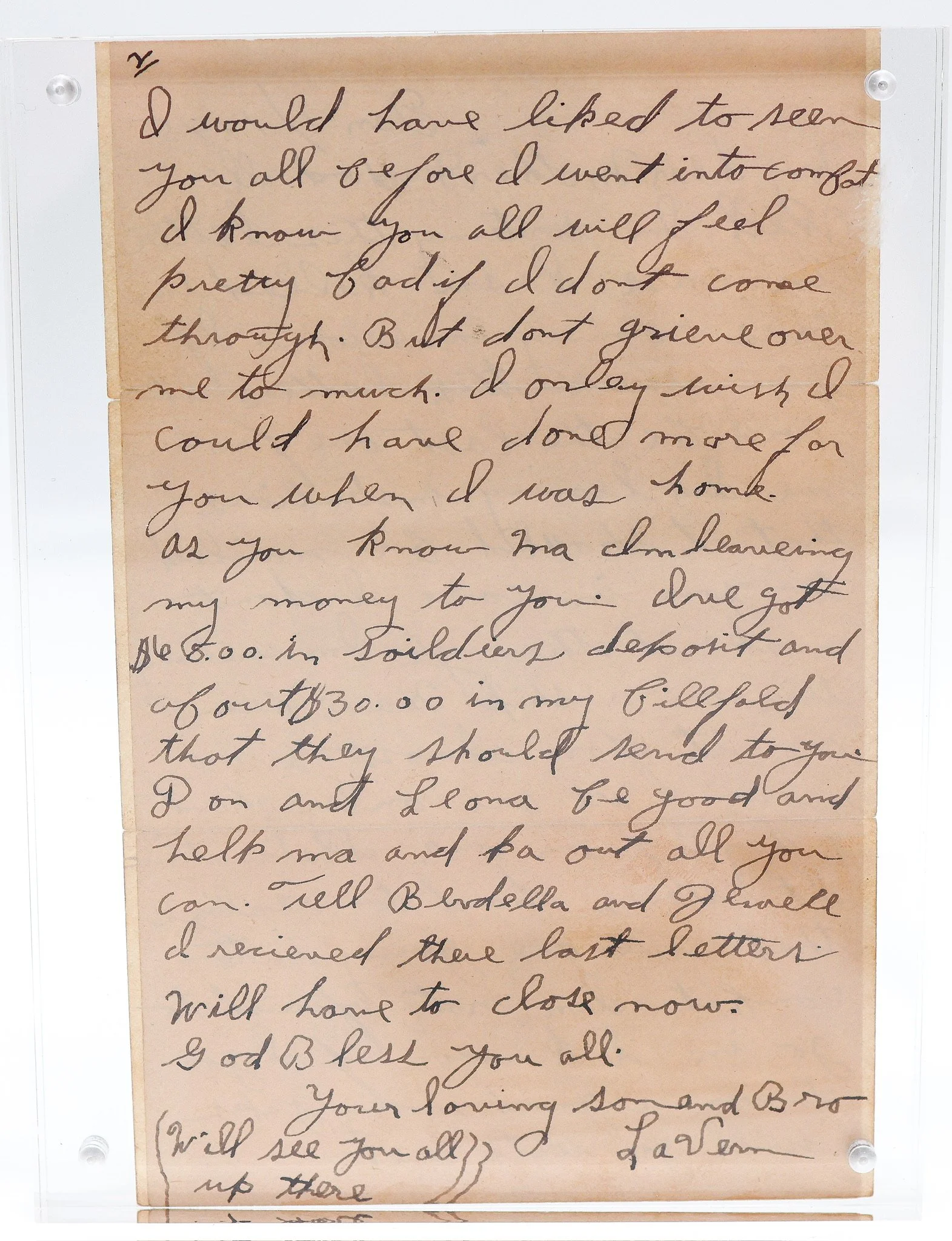
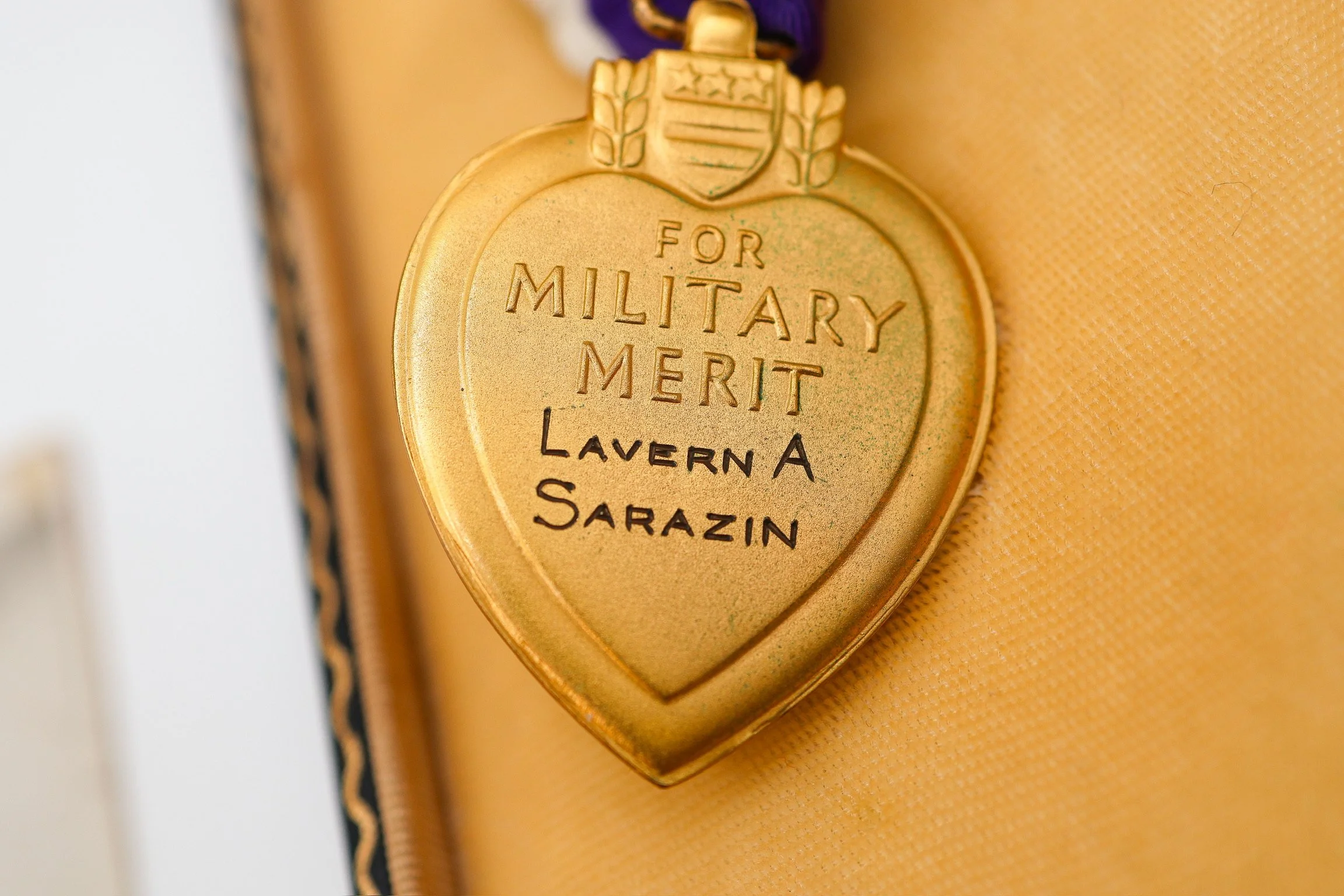
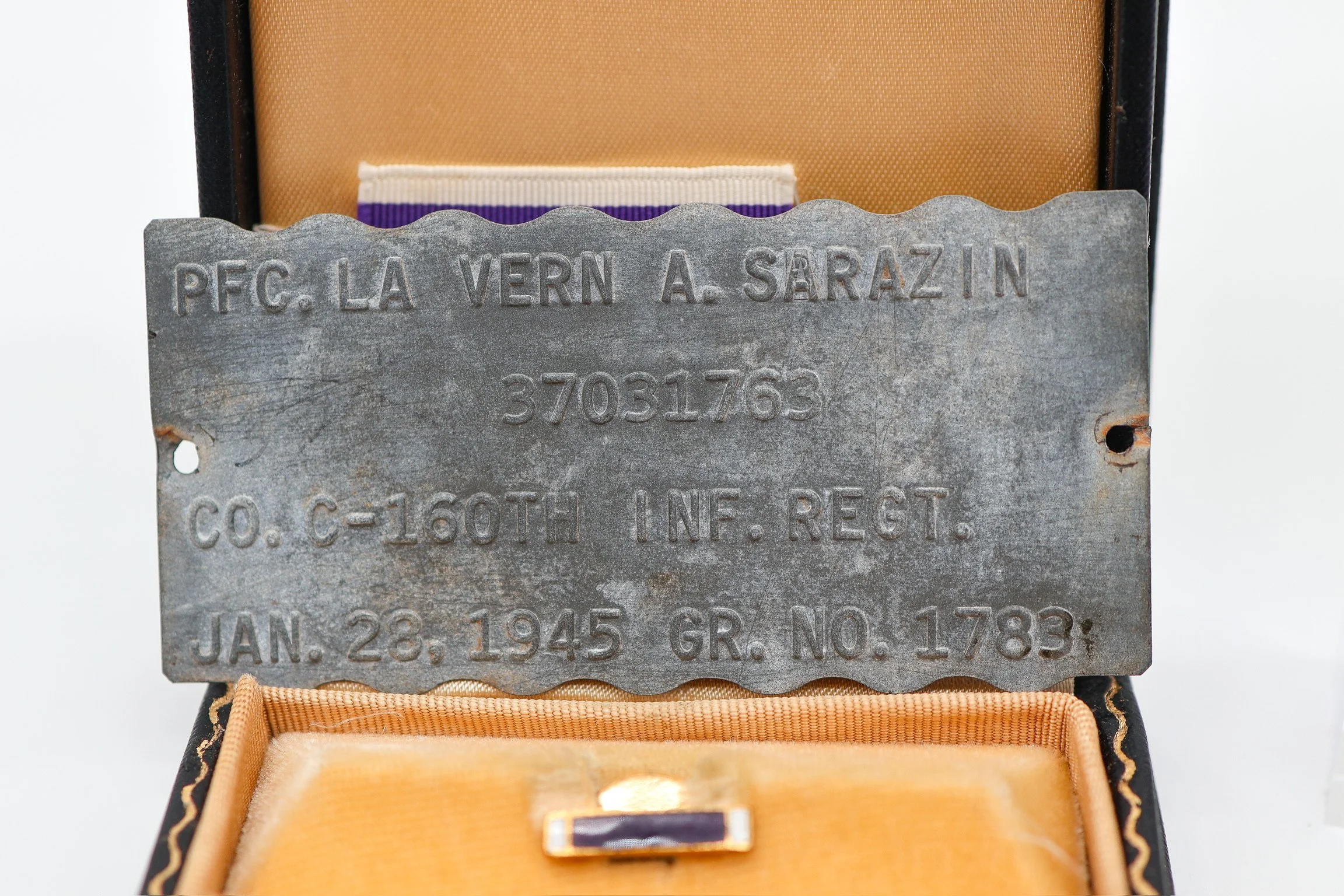
Named Purple Heart and Correspondence Grouping of Private Lavern A. Sarazin
This grouping documents the service and death of Lavern A. Sarazin, a United States Army soldier killed in action during the Battle of Luzon, Philippines, in 1944, during the Allied campaign to liberate the islands from Japanese occupation. The centerpiece of the grouping is Sarazin’s posthumously awarded Purple Heart, engraved with his name, accompanied by an extraordinary body of personal correspondence.
Most significant among the documents is a letter written by Sarazin prior to entering combat and entrusted to a fellow soldier with instructions that it be sent to his parents should he be killed. The letter opens with the acknowledgment that its delivery would mean he had not survived the fighting. In clear, deliberate language, Sarazin addresses his parents, expresses his love for them, and explains his sense of duty and acceptance of the risks he faced. The letter stands as a firsthand primary source, written with the full awareness of possible death, and reflects the mindset of a young enlisted soldier confronting combat in the Pacific Theater.
-
The grouping also includes multiple condolence letters written to Sarazin’s family by friends and fellow servicemen following his death. Together, the correspondence establishes an unbroken narrative from Sarazin’s own words before combat to the aftermath experienced by his family and comrades.
Sarazin was born in 1923 and enlisted in the U.S. Army during World War II. He served in the Pacific Theater during one of the war’s most brutal campaigns. The Battle of Luzon involved prolonged ground combat against entrenched Japanese forces across difficult terrain and resulted in heavy casualties on both sides. Sarazin was killed during these operations, and his Purple Heart was awarded in recognition of his death in service.
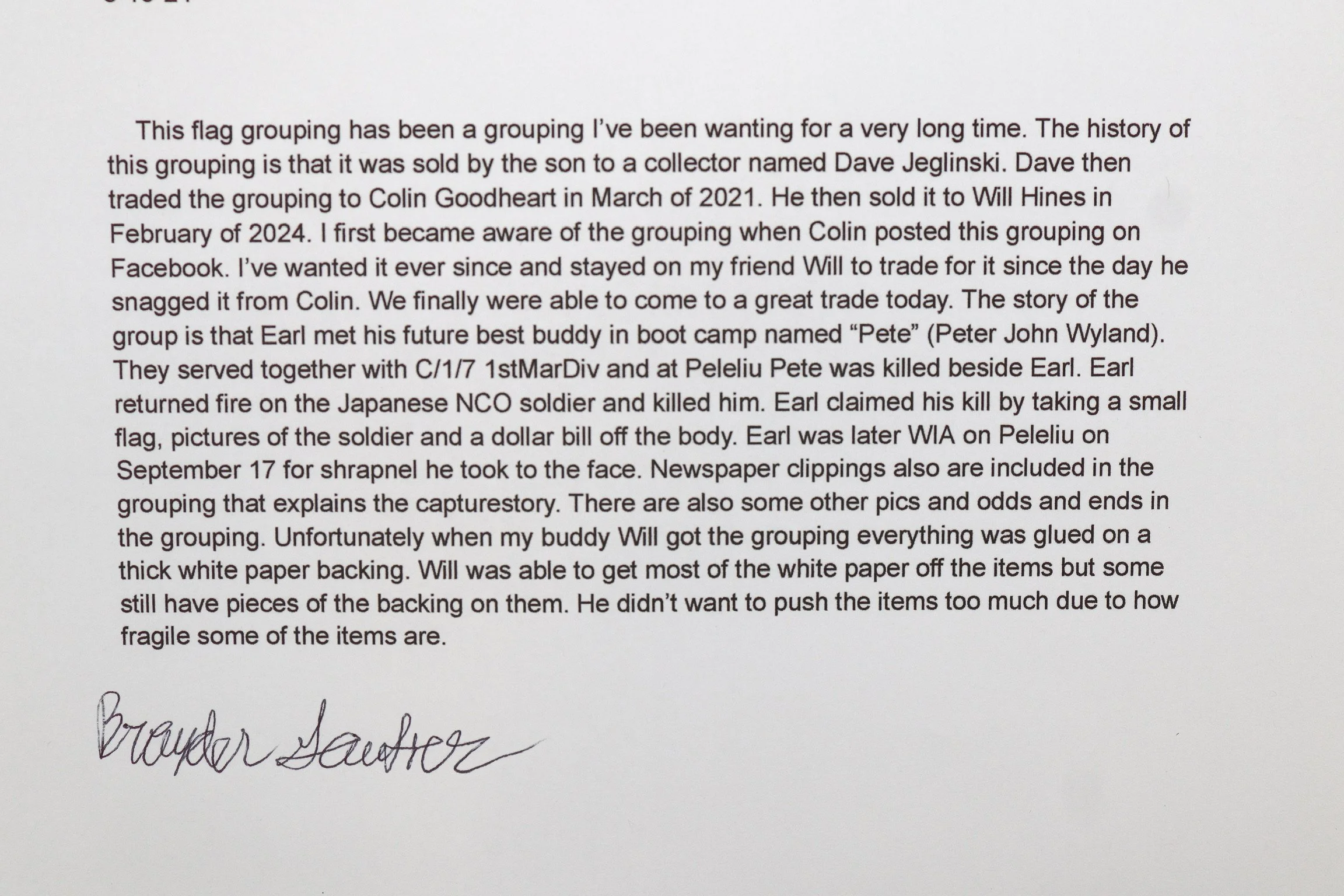
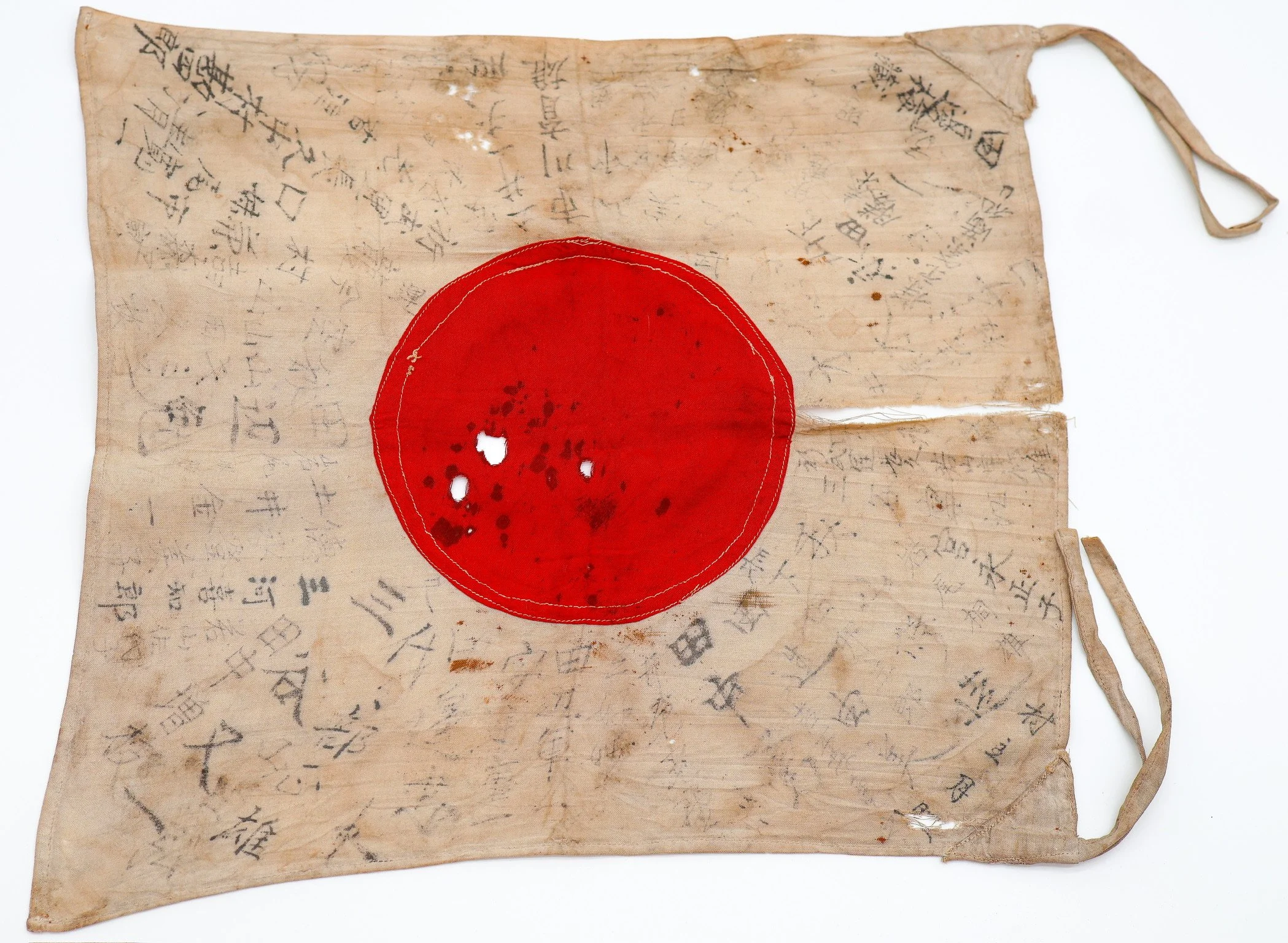
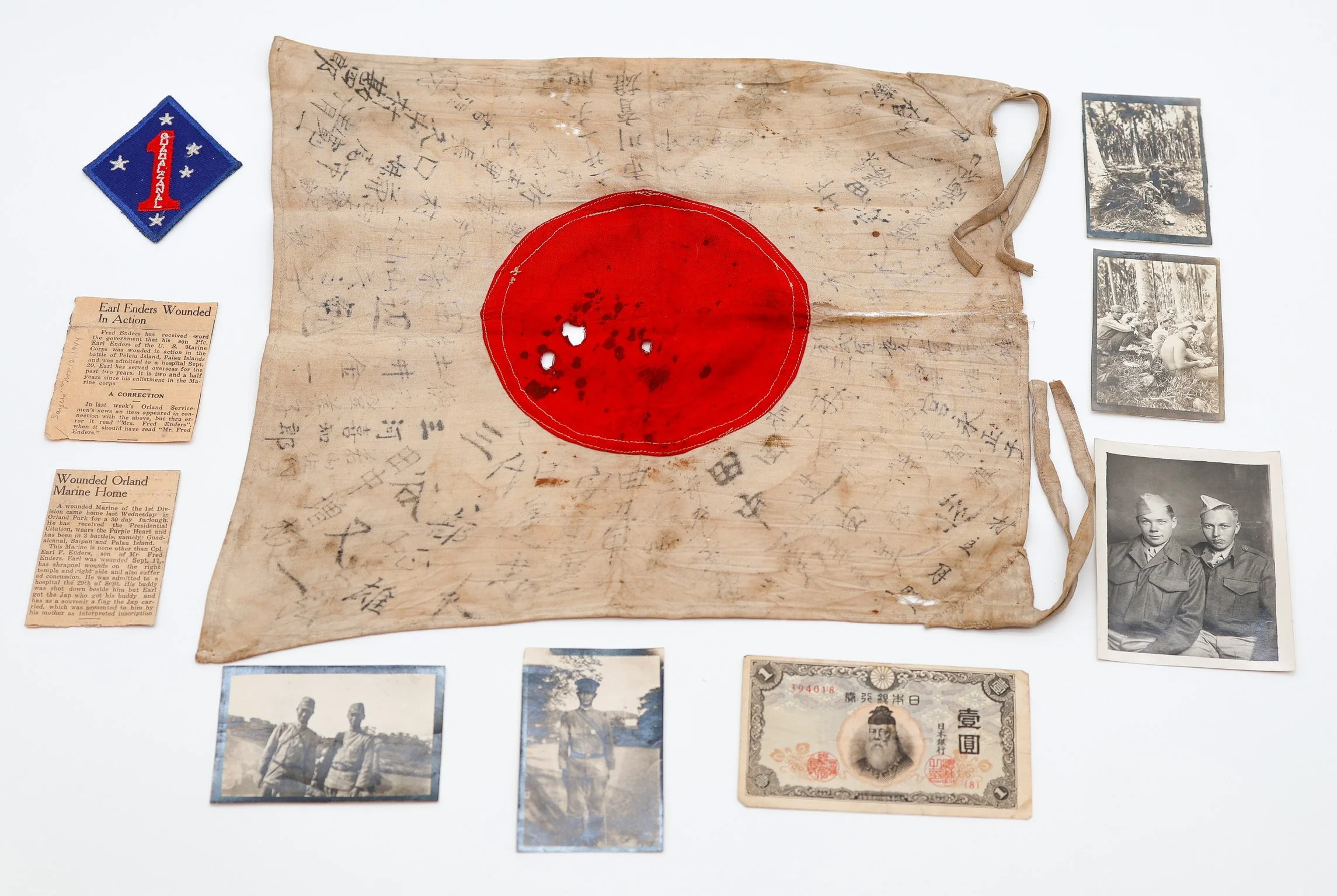
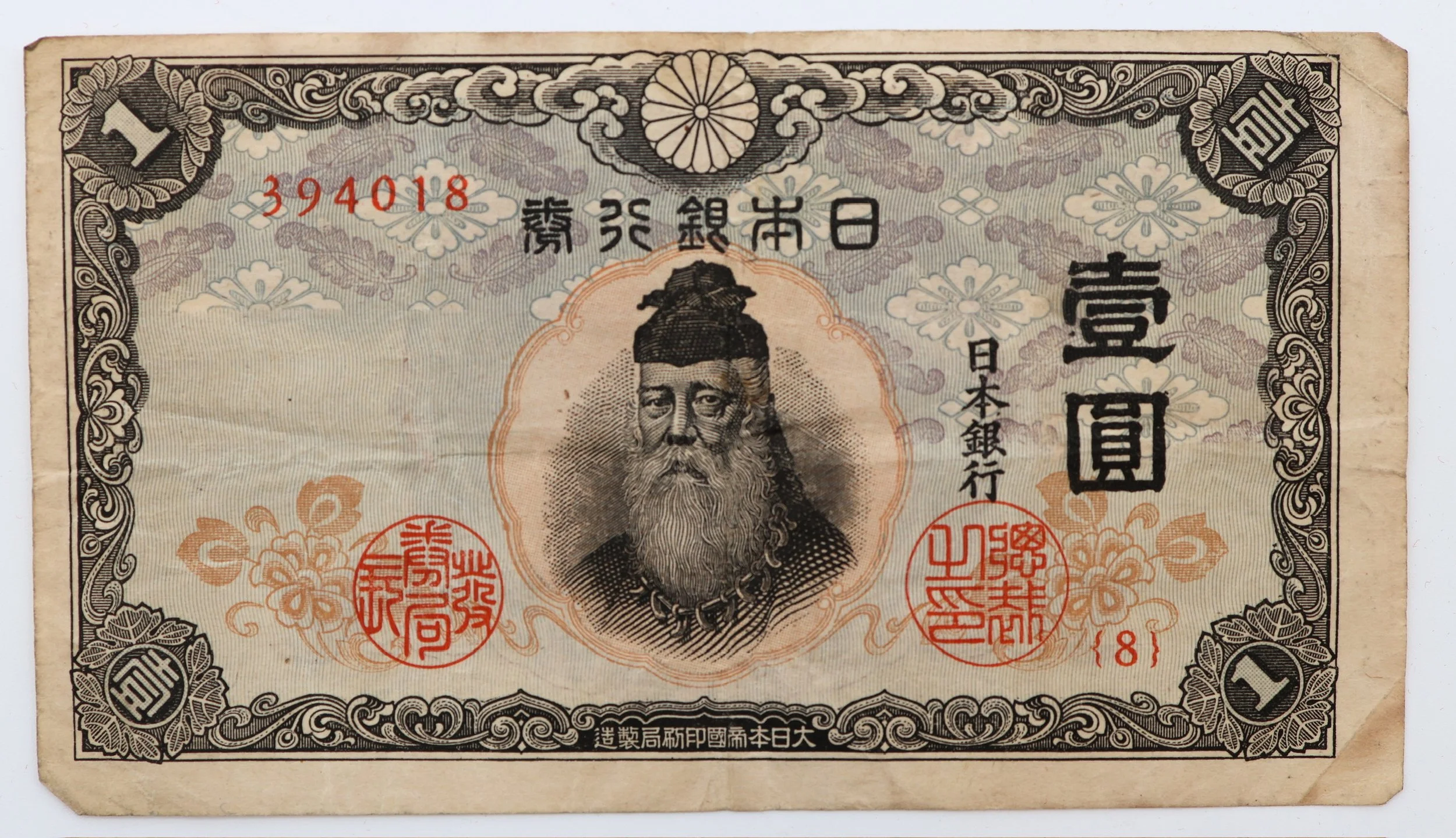
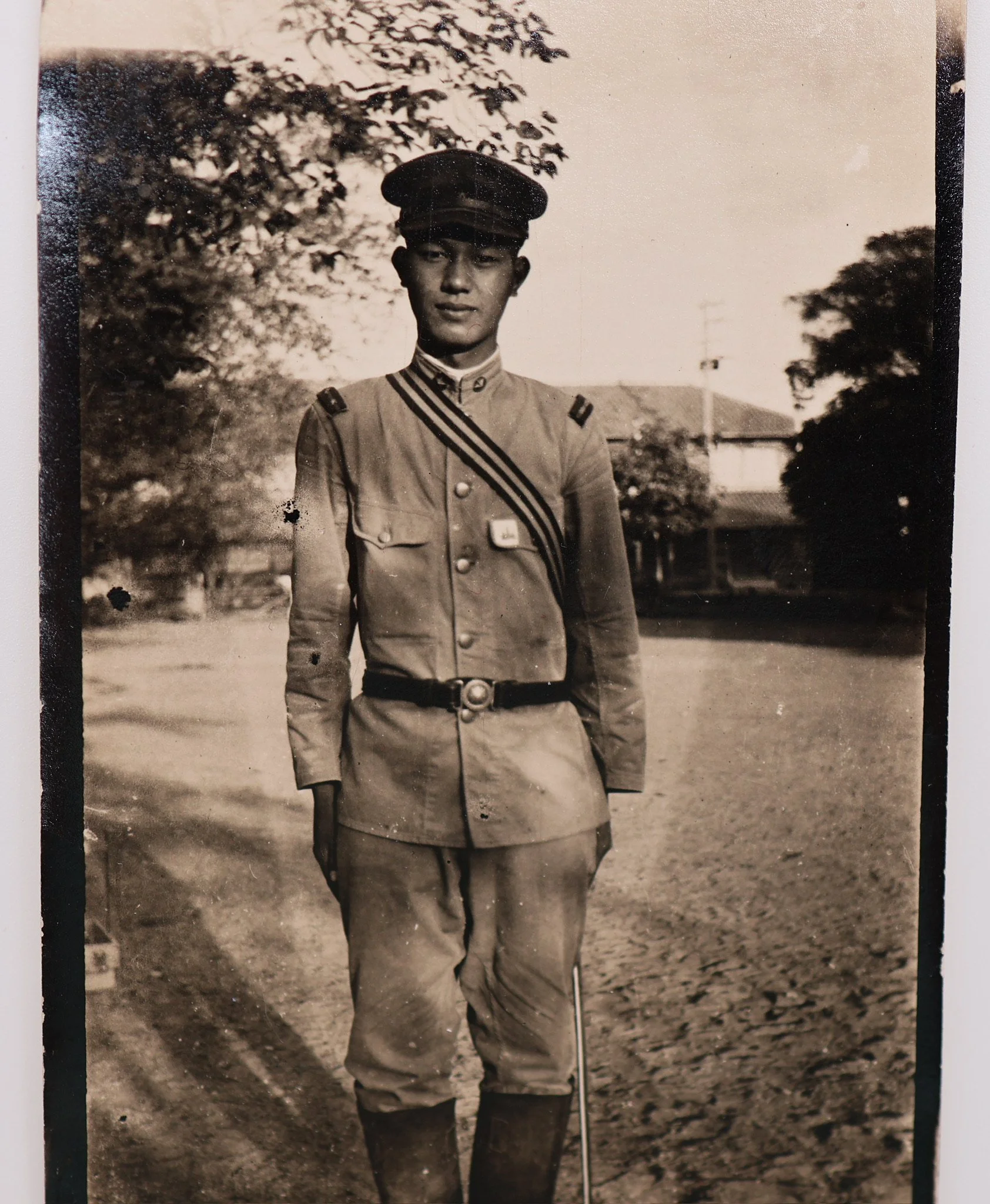
Japanese WWII Yosegaki Hinomaru Flag and Combat Photograph Grouping — Peleliu
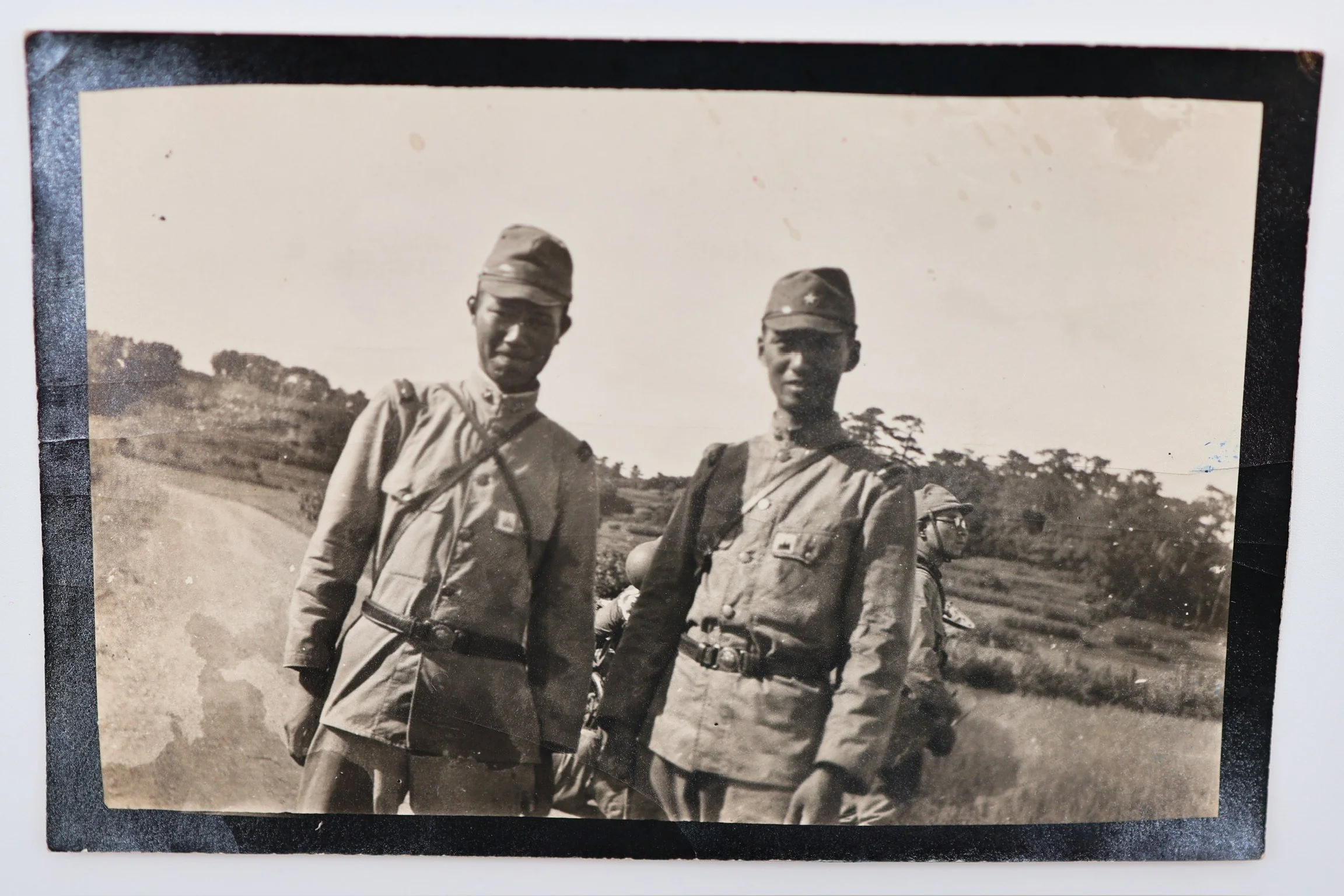
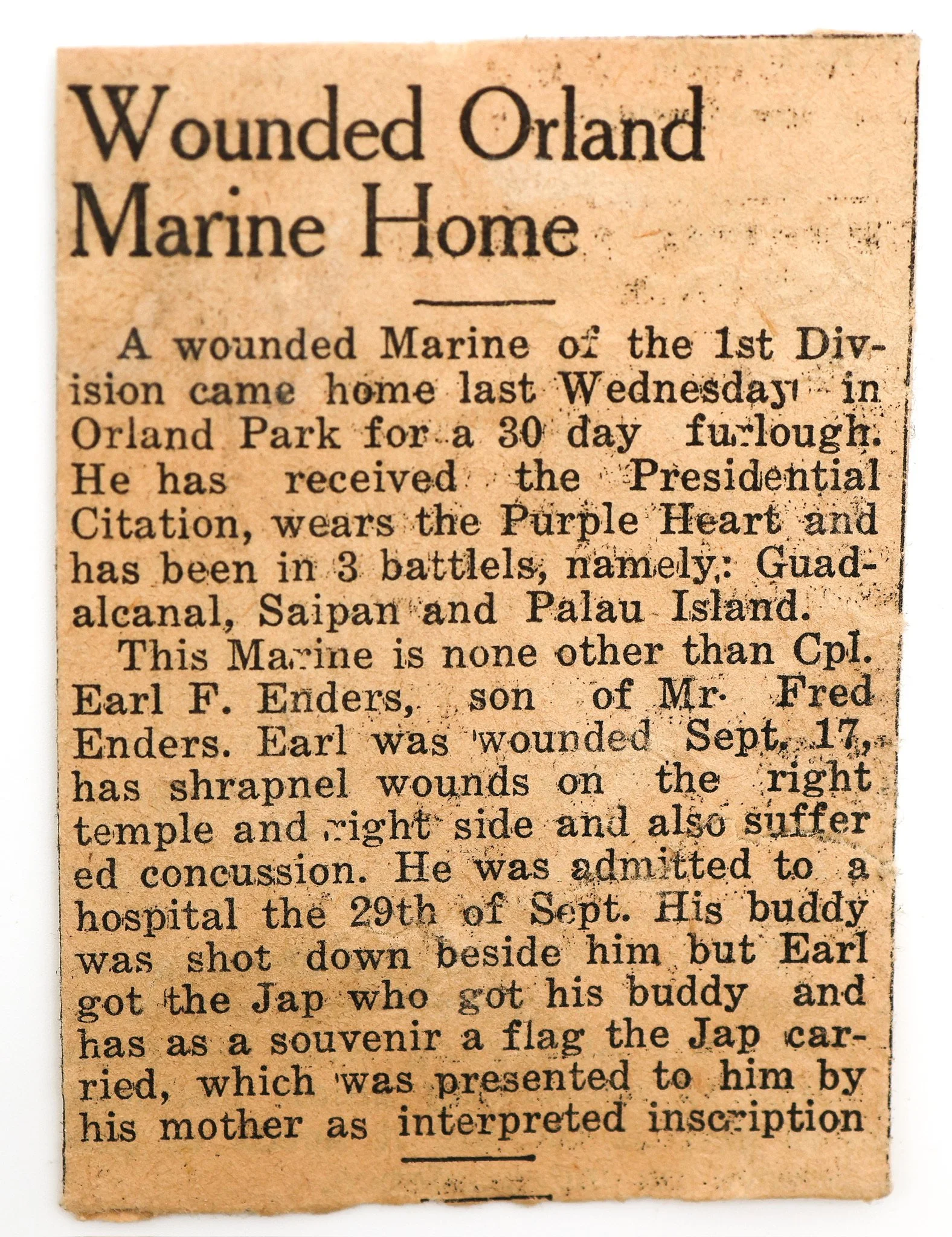
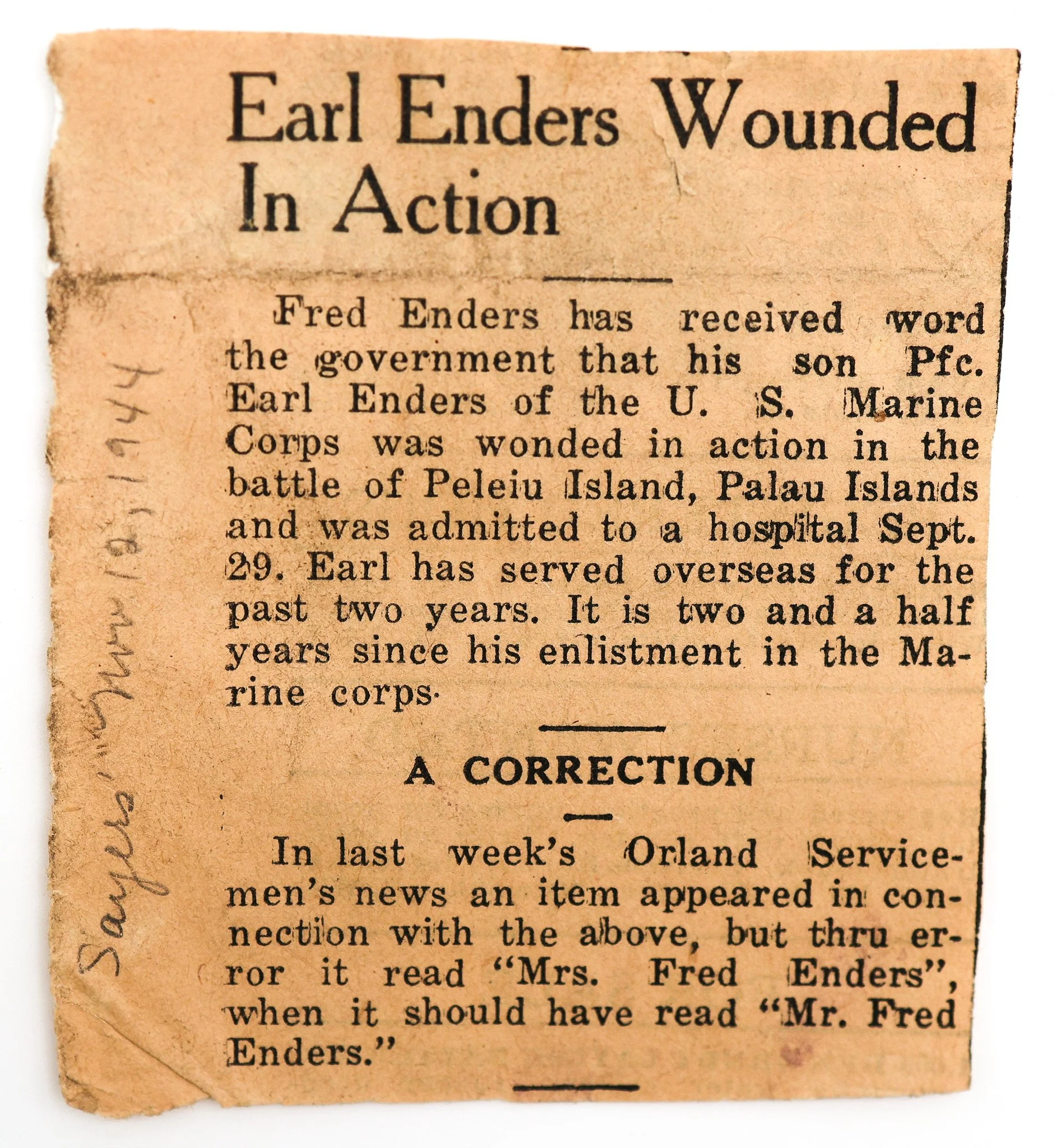
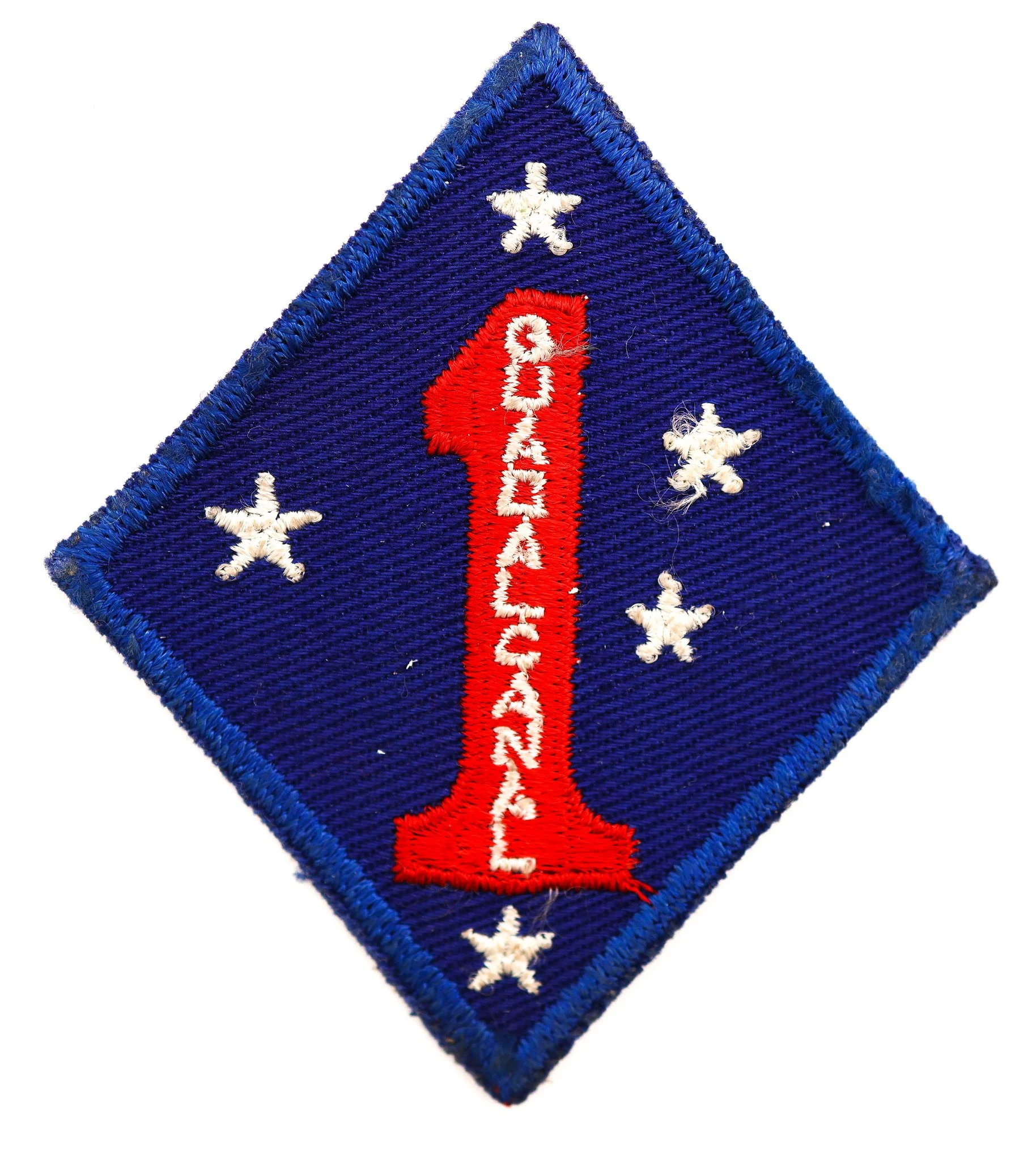
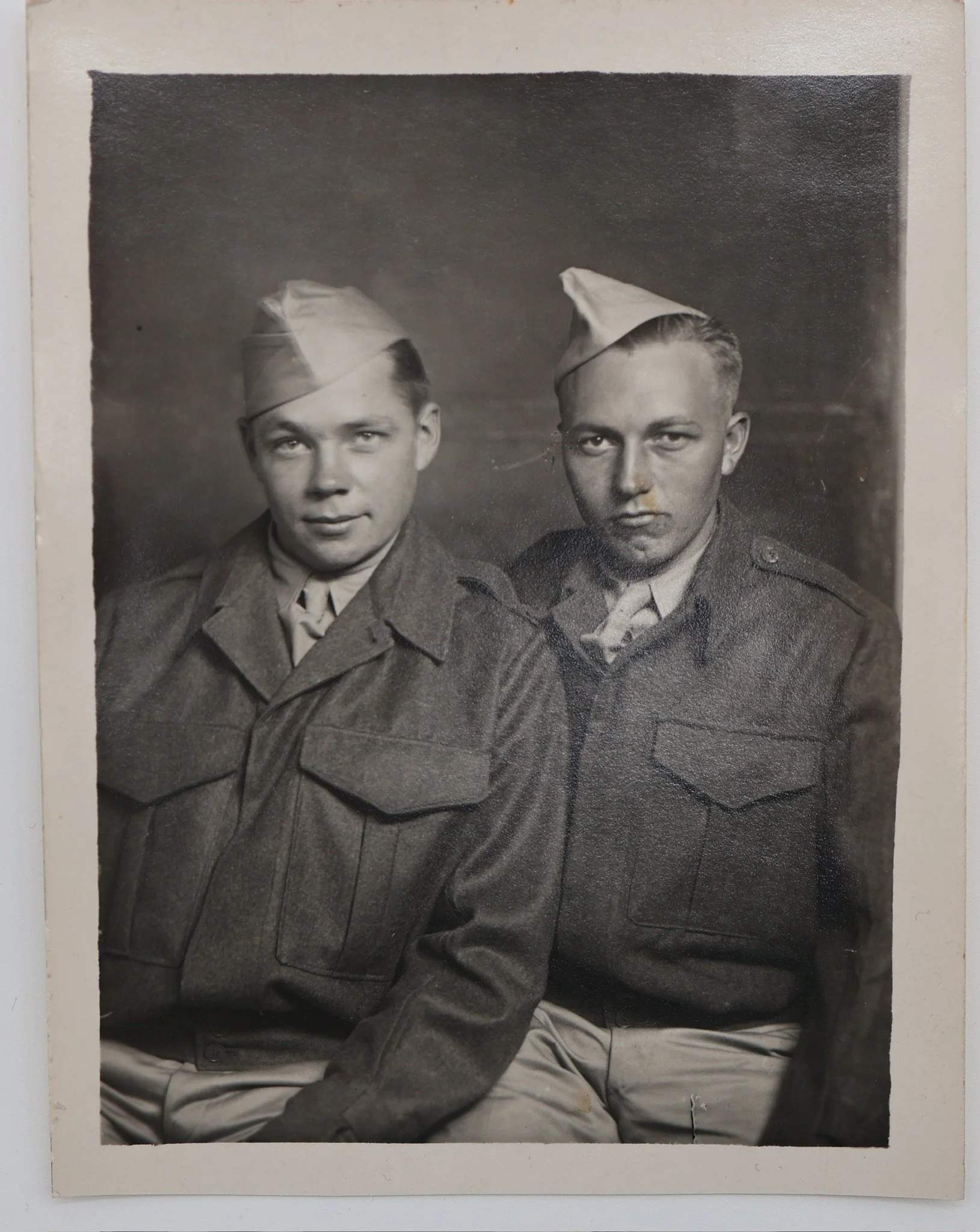
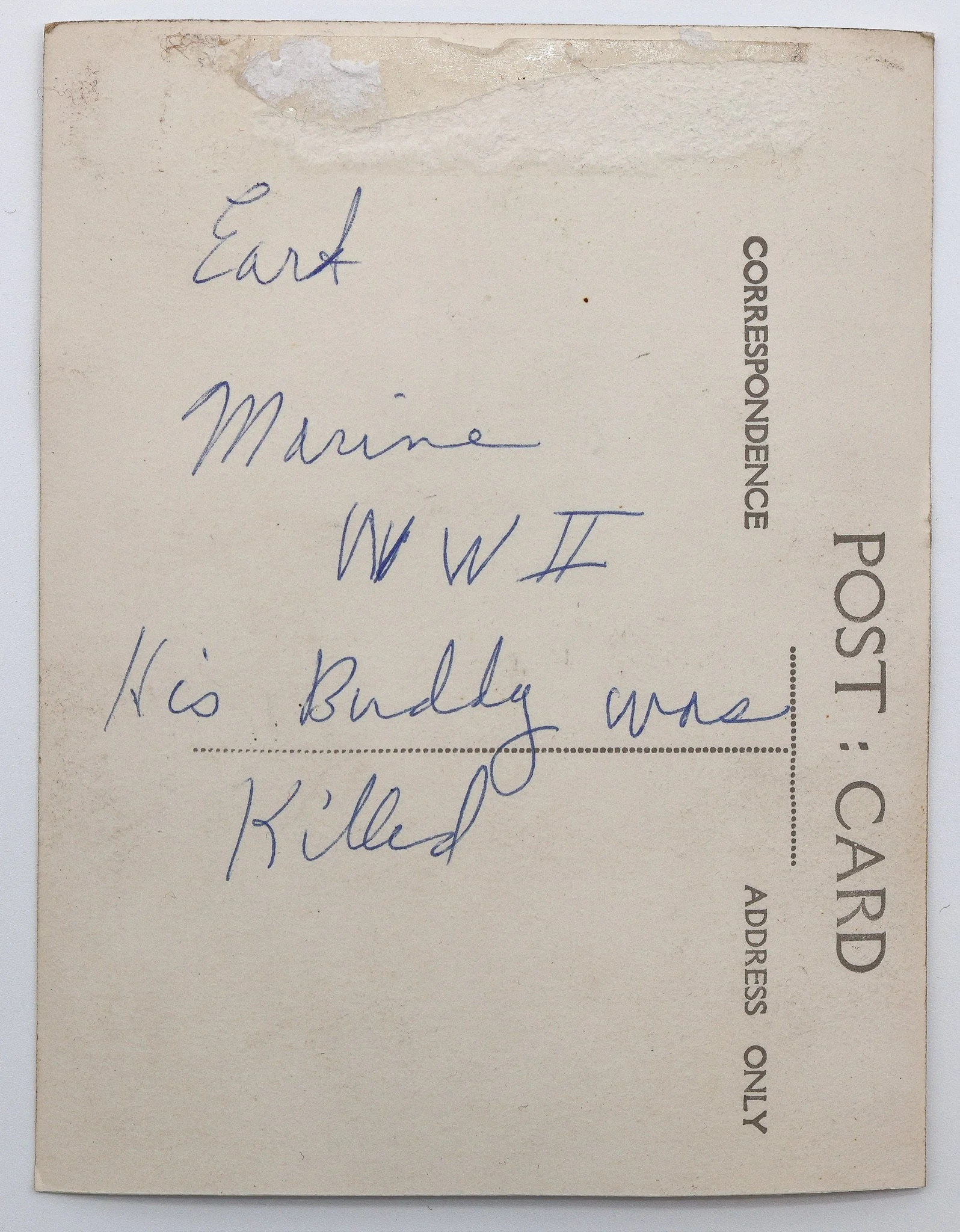
This Japanese yosegaki hinomaru flag was taken from a Japanese soldier killed during the Battle of Peleliu in September 1944 by U.S. Marine Earl Enders, Company C, 1st Battalion, 7th Marines, 1st Marine Division.
Enders landed on Peleliu with his close friend Peter John Wyland, whom he had met during Marine Corps boot camp. During the early stages of the battle, Wyland was shot and killed by a Japanese soldier immediately beside Enders. Enders returned fire, killing the Japanese soldier, and recovered this flag along with photographs and personal effects from the body.
-
The flag shows a bullet hole through the central red disc, consistent with period accounts that it had been folded in the Japanese soldier’s pocket at the time he was shot. Blood staining remains present on the fabric. The inscriptions consist primarily of personal signatures rather than standard patriotic slogans, and the flag appears to be hand-made.
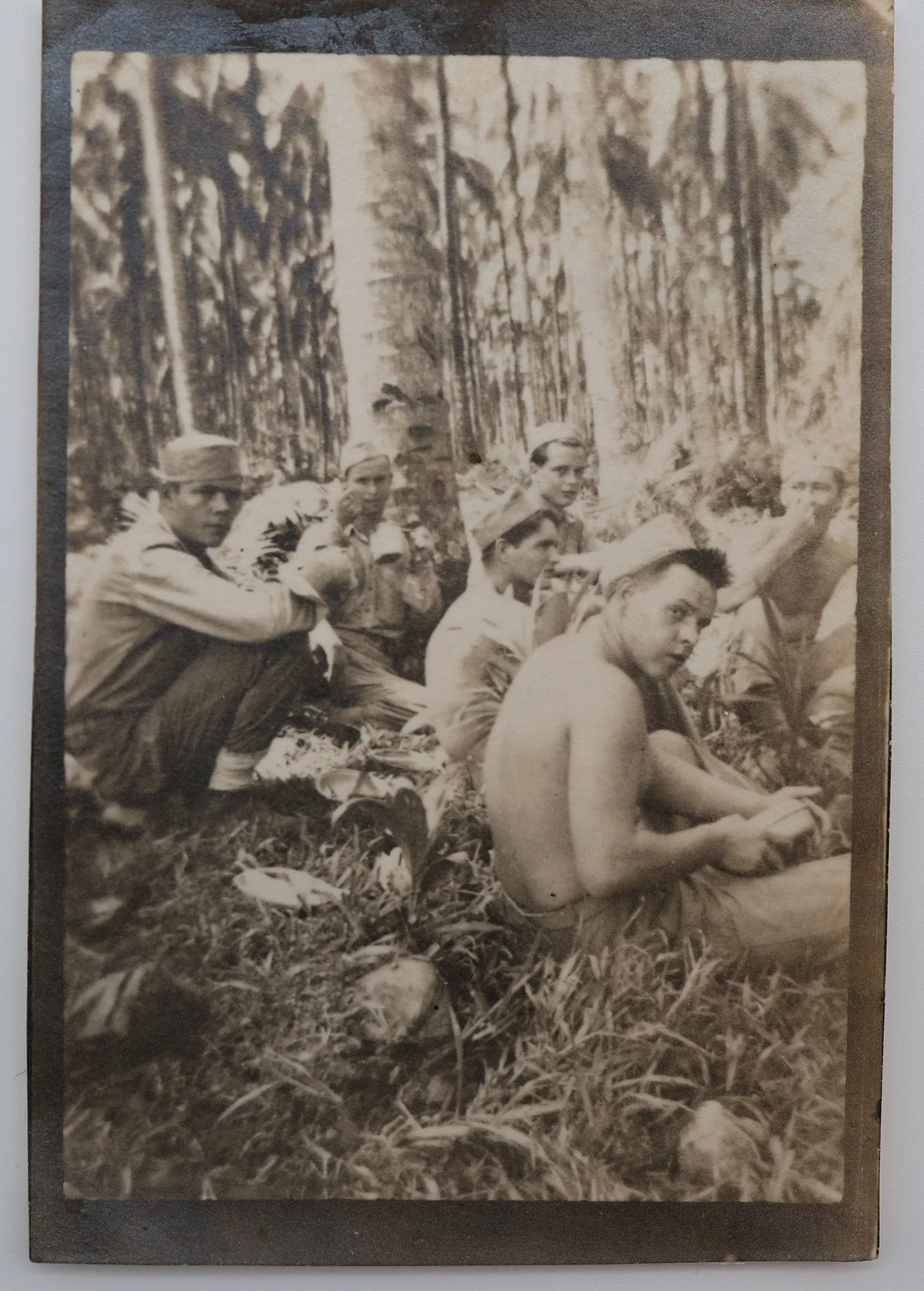
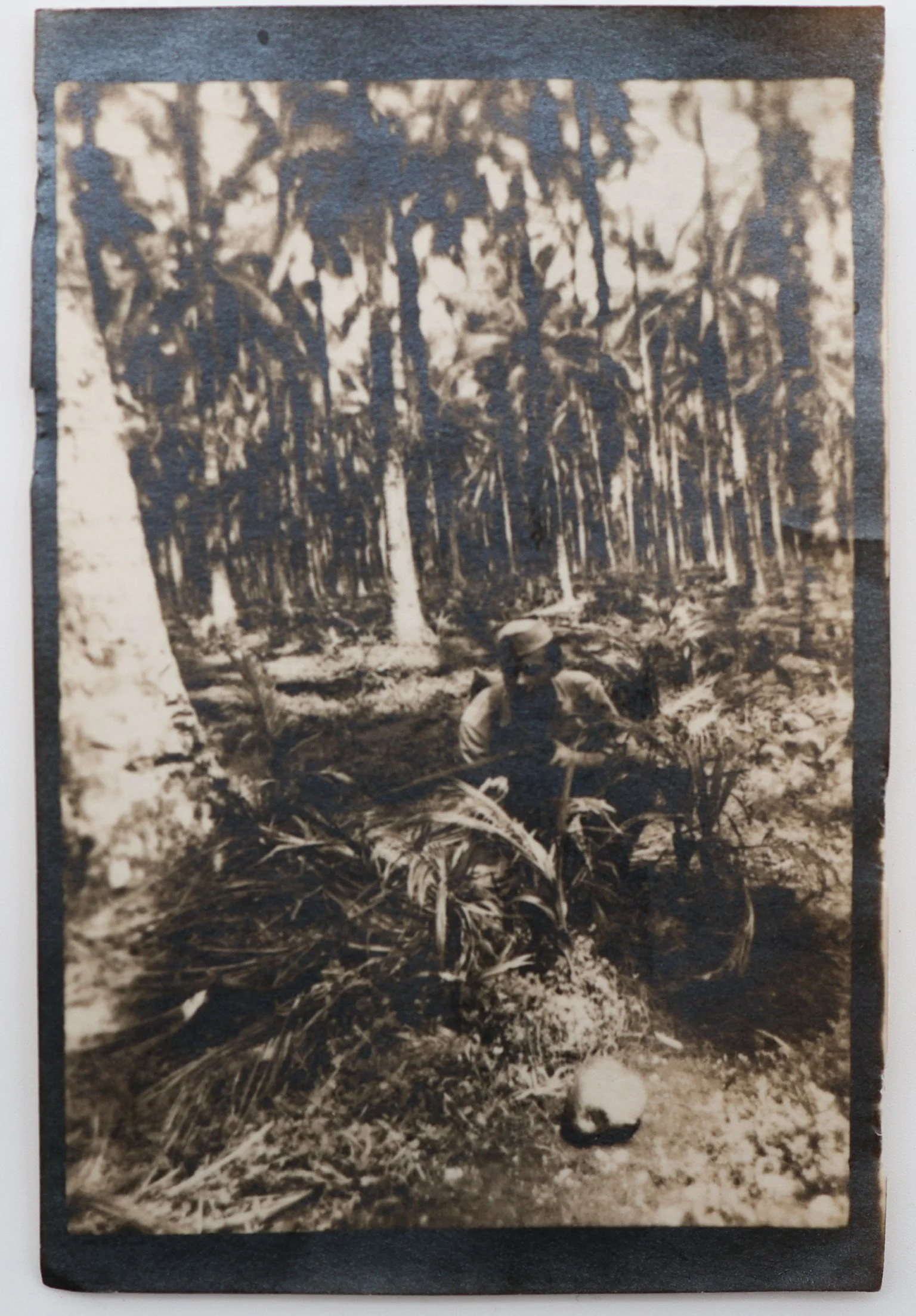
Included with the grouping are period photographs, Marine Corps documentation, and original newspaper clippings confirming Enders’ service, his wounding on Peleliu on September 17, 1944, and his evacuation from the island on September 29, 1944. Contemporary newspaper coverage specifically notes that Enders retained the Japanese flag as a battlefield souvenir taken from the soldier who killed his friend.